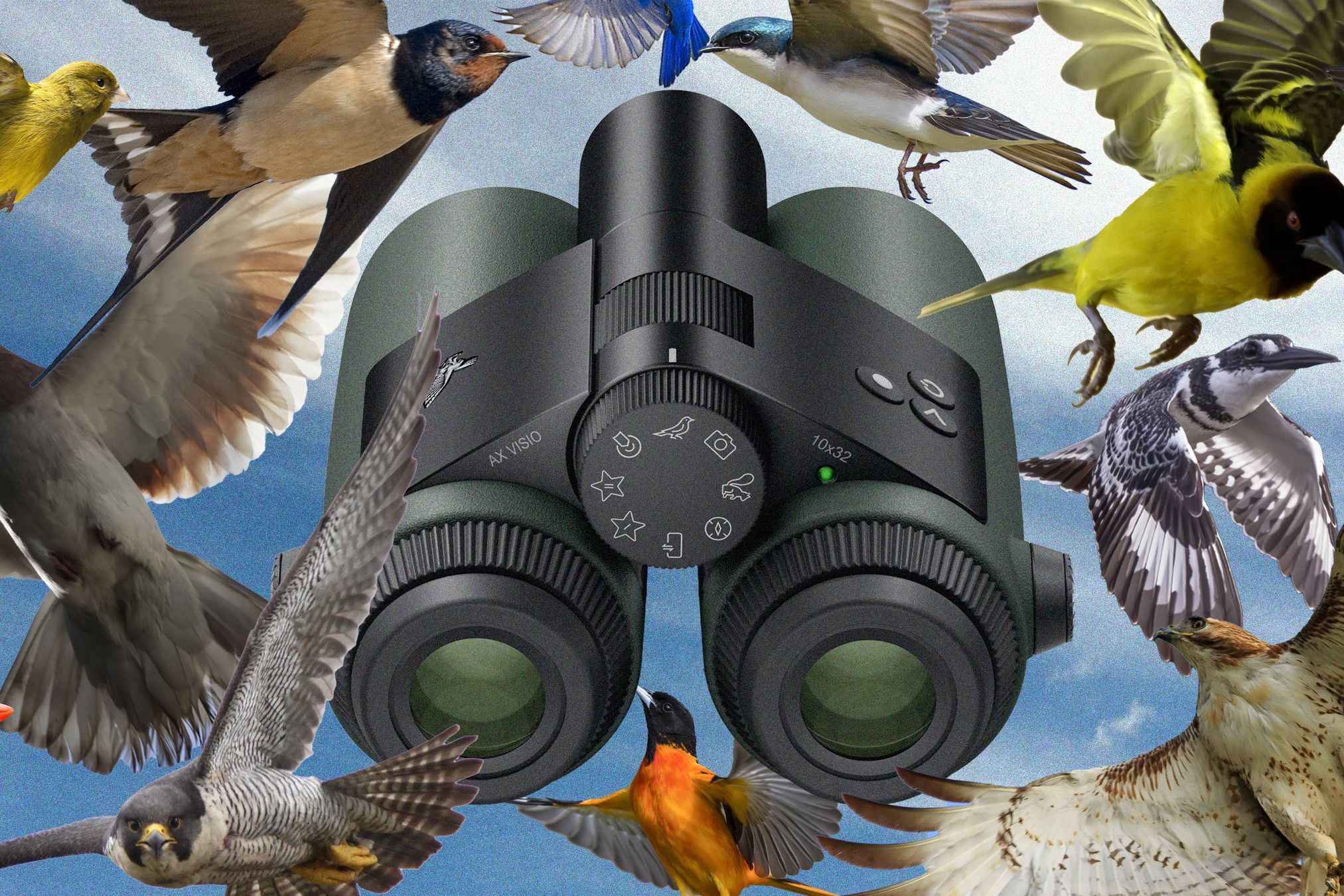

Choosing the right magnification
The numbers on binoculars—like 8x42 or 10x42—tell you two things: how much closer things appear and how large the objective lens is. For most birders, the sweet spot is 8x magnification. This power level offers a wide field of view, making it easier to track birds in motion, and it keeps the image steady in your hands. Anything higher introduces shake, which can blur the image and make it hard to spot details.
An 8x42 setup is the workhorse of the birding world. The 42mm lens lets in enough light for clear viewing in forests or at dawn, while the 8x power ensures you can hold the binoculars for hours without fatigue. This balance of clarity and portability is why you’ll see 8x42 models dominating the shelves of major retailers and in the bags of seasoned birders.
There are times when you might prefer 10x magnification. If you spend most of your time in open areas like wetlands or coastlines, where birds are further away and there’s less foliage to navigate, the extra zoom can be useful. However, the narrower field of view and increased shake mean you’ll need to be more precise in your aim. For dense woodlands or active flocks, 8x remains the more forgiving and practical choice.
Best overall binoculars for birding
Finding the right pair of binoculars for birding often comes down to balancing three competing forces: optical clarity, weight, and price. Most birders need a tool that is light enough to carry for hours in the field but powerful enough to resolve fine details in distant foliage. The Zeiss SFL 10×40 stands out as the best all-around choice because it hits that sweet spot without demanding a premium luxury price tag.
The 10× magnification with a 40mm objective lens is the industry standard for a reason. It provides enough brightness and magnification to see bird markings clearly without the shake that often plagues higher-power models. Zeiss has refined this configuration over decades, resulting in optics that are sharp across the entire field of view. This means you spend less time hunting for the bird and more time actually observing it.
Portability is another major factor for the average birder. While some premium options offer slightly better glass, they often come with a heavier weight penalty and a significantly higher cost. The Zeiss SFL keeps the weight manageable while delivering professional-grade image quality. For most people starting out or upgrading their gear, this model offers the best return on investment.
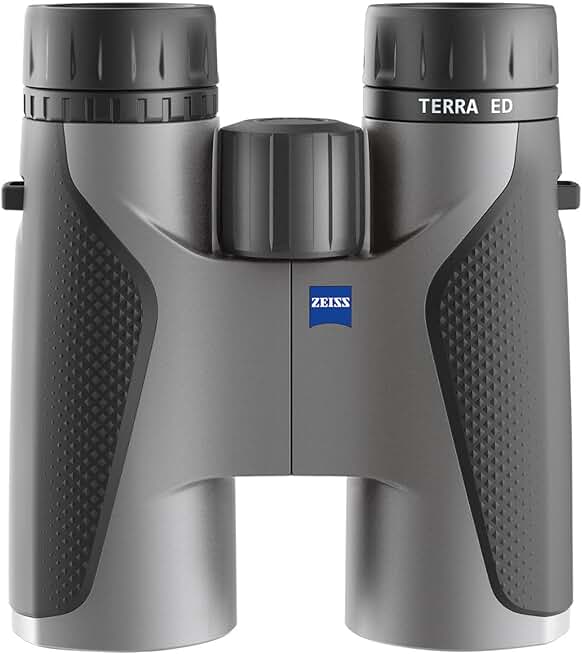
If you are ready to make a purchase, here are the top birding binoculars currently available:


As an Amazon Associate, we may earn from qualifying purchases.
Best compact binoculars for travel
When you are hiking up a ridge or moving through dense woods, every ounce matters. You want optics that fit in a jacket pocket or a small side pouch without forcing you to carry a heavy bag. The trick is finding a balance: small enough to carry effortlessly, but large enough to deliver the clarity needed to spot distant birds.
The Vortex Razor HD 8x32 is a standout for this. It uses apochromatic lenses to keep colors true and edges sharp, even in low light. Despite its premium optical performance, it remains significantly lighter than many 10x40 models, making it a favorite for birders who prioritize image quality without the bulk.
For those who need maximum portability, the Zeiss Terra ED 8x25 is hard to beat. It is tiny, light, and fits easily into any pack. While the 8x magnification and 25mm objective lenses mean it won't perform as well in deep twilight as larger models, it delivers excellent clarity for daytime birding. It is the ideal companion for long days on the trail where gear weight is the main concern.
Budget-Friendly Binoculars for Birding
You don't need to spend thousands to see the fine details of a warbler's wing or the texture of a hawk's feathers. The best budget binoculars for birding strike a balance between optical clarity and portability, making them ideal for beginners or anyone who wants to keep their pack light.
When shopping for affordable optics, look for models with fully multi-coated lenses and a 10x magnification power. This combination provides a bright, sharp image while keeping the field of view wide enough to track moving birds. Heavier, high-end glass is great, but for a day on the trail, lighter binoculars reduce fatigue and let you stay focused on the birds rather than your gear.
Nikon Monarch M5
The Nikon Monarch M5 is widely considered the gold standard for entry-level birding. It delivers crisp, high-contrast images that rival much more expensive models, all while weighing just enough to carry all day without strain. Its sealed construction prevents internal condensation, making it a reliable workhorse for any season.
Bushnell H2O
For those on an even tighter budget, the Bushnell H2O series offers impressive durability and clarity. These binoculars are nitrogen-purged, ensuring they perform well in wet conditions. While they may not have the premium glass of higher-tier models, they provide excellent value for casual birders who prioritize ruggedness and ease of use.
How to compare key features
Binocular numbers can look like a secret code at first glance. The two sets of digits, like 8x42 or 10x32, tell you the magnification and the objective lens size. But for birding, the real decision-makers are often the specs that don't appear on the front of the box: exit pupil, eye relief, and waterproofing. Understanding these helps you pick a pair that stays comfortable in your hands and clear in your eyes, rather than just looking impressive on a shelf.
Exit pupil and low-light performance
The exit pupil is the diameter of the light beam coming out of the eyepiece. You calculate it by dividing the objective lens size by the magnification (e.g., 42mm / 8x = 5.25mm). A larger exit pupil means a brighter image, which is crucial for dawn or dusk birding. If you're watching warblers in dense shade, a 5mm or 6mm exit pupil will give you a more vivid view than a tight 3mm beam. Think of it like a flashlight: a wider beam covers more ground, even if it's not as intense in the center.
Eye relief and comfort
Eye relief is the distance you can hold the binoculars from your eyes and still see the full field of view. This matters if you wear glasses. Most birding binoculars offer 15mm or more of eye relief, which is enough for most glasses wearers to see the entire image without vignetting (that dark circle in the corner). If you have significant astigmatism, you might need even more relief or specialized eyecups. Try to test this if possible; nothing ruins a birding trip faster than neck strain from squinting.
Waterproofing and durability
Birding often means walking through damp grass, misty mornings, or sudden downpours. Nitrogen-purged and O-ring sealed binoculars prevent internal condensation from ruining your view. This isn't just a luxury feature; it's a necessity for longevity. Look for terms like "fully waterproof" or "nitrogen purged" on the specs. It ensures that your investment stays clear inside, no matter how wet the trail gets.
Weight and portability
Since you'll likely be carrying these for hours, weight is a primary factor. A pair of 8x32 binoculars might weigh around 10-12 ounces, while an 8x42 could tip the scales at 16-18 ounces. The extra weight of the larger objective lenses improves light gathering, but it adds up over a long hike. For most birders, the 8x42 size offers the best balance of clarity and portability, but if you're hiking steep trails, the lighter 8x32 or even 8x25 models are worth the trade-off in brightness.
| Model | Spec | Mag | Obj Lens | Exit Pupil | Weight | Eye Relief | Waterproof |
|---|---|---|---|---|---|---|---|
| Vortex Optics Crossfire HD | 8x42 | 8x | 42mm | 5.25mm | 19.2 oz | 17mm | Yes |
| Celestron Nature DX | 8x42 | 8x | 42mm | 5.25mm | 20.8 oz | 15mm | Yes |
| Nikon Monarch 5 | 8x42 | 8x | 42mm | 5.25mm | 19.6 oz | 17mm | Yes |
| Vortex Optics Crossfire HD | 8x32 | 8x | 32mm | 4mm | 13.6 oz | 17mm | Yes |
| Celestron Nature DX | 8x32 | 8x | 32mm | 4mm | 15.2 oz | 15mm | Yes |
| Nikon Monarch 5 | 8x32 | 8x | 32mm | 4mm | 15.6 oz | 17mm | Yes |
Common questions about birding binoculars
Birding gear can feel overwhelming, especially when you’re trying to balance sharp optics with a packable design. Here are answers to the most practical questions hobbyists ask before buying their next pair.
Can you use binoculars with astigmatism?
If you have mild astigmatism (up to 1–2 diopters), you can often correct it using the binoculars’ diopter adjustment on the eyepiece. For higher prescriptions, wearing glasses is necessary. Look for models with long eye relief (15mm or more) so the eyecups don’t press against your frames, ensuring you get the full field of view without dark vignetting at the edges.
How important is waterproofing for birding?
Waterproofing is essential for serious birding. Fogging up in cold, humid, or rainy conditions ruins the experience and can damage internal optics. Most quality birding binoculars are nitrogen-purged and O-ring sealed, making them resistant to moisture. This durability ensures your optics remain clear whether you’re in a marsh or a mountain trail.
What magnification is best for birding?
8x42 binoculars are the gold standard for most birders. The 8x magnification provides a stable, wide field of view that makes tracking moving birds easier, while the 42mm objective lens gathers enough light for early morning or wooded settings. 10x models offer more reach but require steadier hands and have a narrower view, which can be frustrating when spotting fast-moving songbirds.
No comments yet. Be the first to share your thoughts!