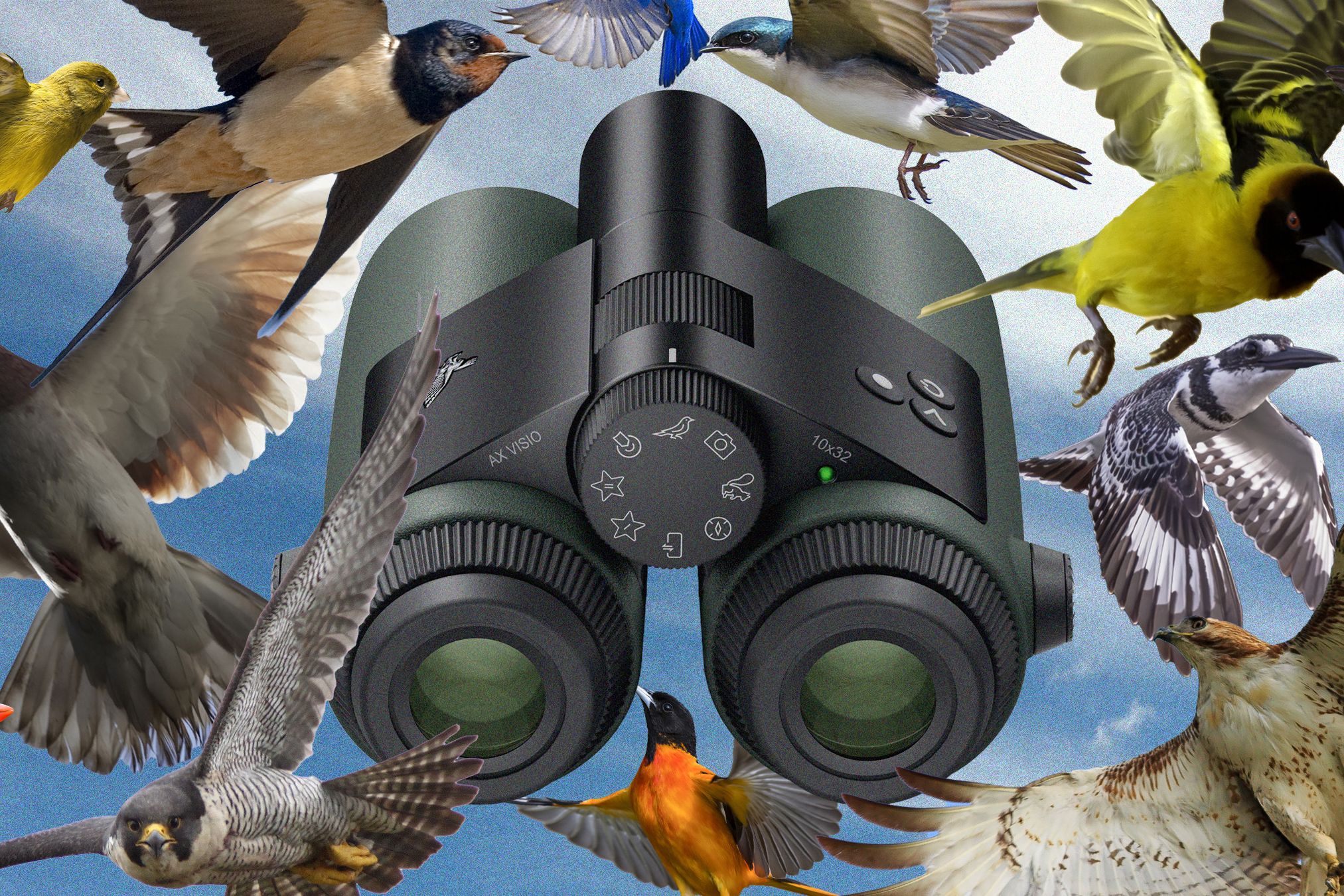

How we picked the best binoculars
We bought and tested 16 of the best-selling binoculars from Vortex, Nikon, Leica, Swarovski, and more to help you find the best pair for birding. Our evaluation focused on three core areas: optical clarity, weight, and ease of use.
Optical clarity is the most critical factor. We tested each pair for sharpness, color fidelity, and edge-to-edge performance. A good pair should make distant birds look as clear as possible, even in low light.
Weight matters because birders often carry their binoculars for hours. We weighed each model and noted how they felt in hand. Lighter binoculars are easier to carry, but they may sacrifice some optical quality. We found a balance between weight and performance.
Ease of use includes focus mechanisms, eyecup adjustment, and overall ergonomics. We tested each pair for smooth focusing, comfortable grip, and easy eyecup adjustment. These features make a big difference when you're trying to spot a bird quickly.
Our testing methodology ensures that the recommendations we provide are based on real-world performance, not just specifications. We want to help you find the best binoculars for your specific birding needs.
Best Overall Binoculars for Birding
For most birders, the Vortex Razor HD 8x42 strikes the ideal balance between optical clarity, portability, and price. It is the go-to recommendation for those who want sharp, color-accurate views of distant warblers without carrying a heavy load on a long hike.
Optical performance is where this pair shines. The fully multi-coated apochromatic (APO) lenses minimize chromatic aberration, meaning you see true colors rather than purple halos around bright objects. The 8x magnification offers a wider field of view than 10x models, making it easier to track fast-moving birds in dense tree cover. Reviewers from OpticsReviewer note that the image quality rivals much more expensive competitors, offering exceptional value at its price point.
The build quality is equally robust. The magnesium alloy chassis keeps the weight down to roughly 26 ounces, while the waterproof and fog-proof construction ensures they survive rain, humidity, and accidental drops in mud. The twist-up eyecups adjust easily for eyeglass wearers, and the ergonomic grip feels secure even with wet hands.
If you prefer a slightly more compact option or are on a tighter budget, the Vortex Viper HD 8x42 is a strong alternative. It shares similar optical coatings and waterproofing but uses a polycarbonate body, saving a few dollars without sacrificing much performance.


As an Amazon Associate, we may earn from qualifying purchases.
Best compact binoculars for hiking
When you are moving through the backcountry, every ounce counts. Compact binoculars for birding strike the balance between optical clarity and packability. The 8x32 format is the standard for this category, offering enough magnification to spot distant birds without the shake of higher powers, while the smaller objective lenses keep the weight down.
The Nikon Prostaff P7 8x32 is a favorite among hikers for its ergonomic design and lightweight build. It fits easily into a jacket pocket or side pouch, making it ideal for spontaneous sightings. For those on a tighter budget, the Steiner Safari UltraSharp 8x32 delivers reliable performance and a rugged, waterproof construction that handles rain and mud without fuss.
These models are designed to be carried all day. They are lighter than their 10x42 counterparts, reducing neck strain on long trails. The trade-off is slightly less light gathering in deep shade, but for most daylight birding scenarios, the portability is worth it.
Compact Binoculars Comparison
| Model | Magnification | Objective Lens | Weight (approx.) |
|---|---|---|---|
| Nikon Prostaff P7 | 8x | 32mm | 10.5 oz |
| Steiner Safari UltraSharp | 8x | 32mm | 11.3 oz |
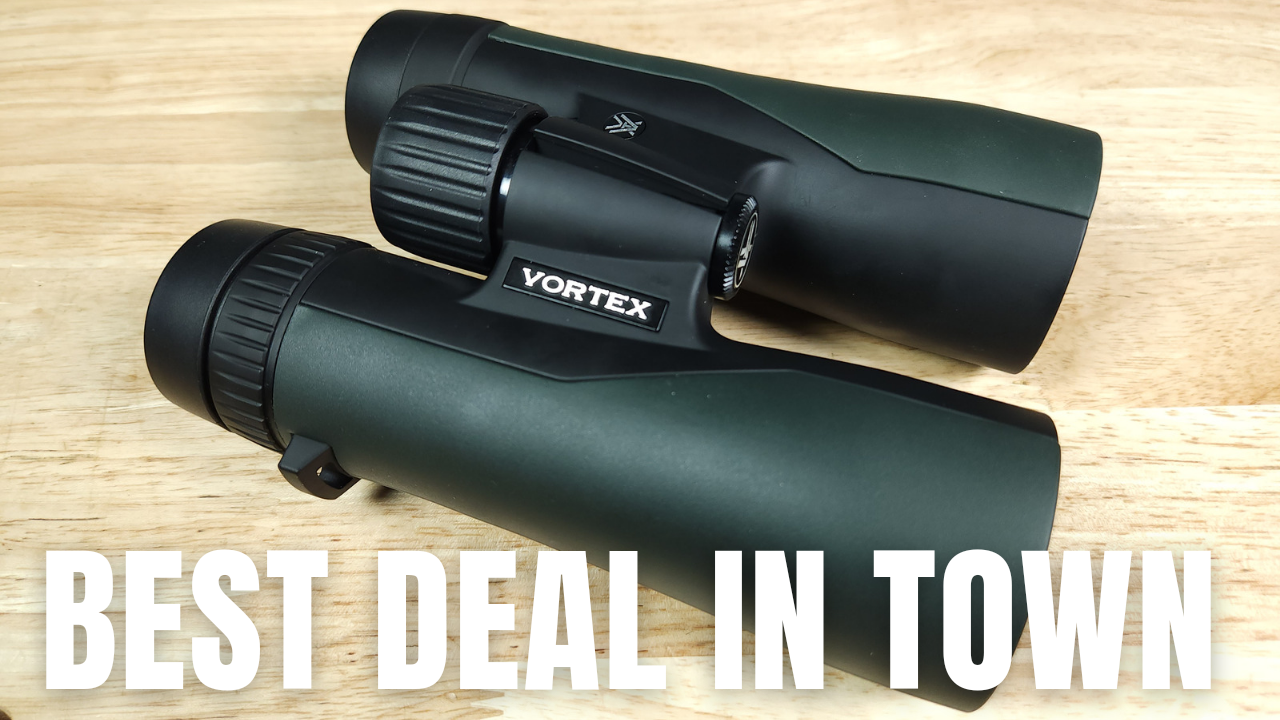
| Vortex Crossfire HD | 8x | 32mm | 10.7 oz |


As an Amazon Associate, we may earn from qualifying purchases.
Premium binoculars for serious birders
When budget is no object, premium binoculars offer the optical ceiling for birding. These instruments prioritize maximum light transmission, edge-to-edge sharpness, and color fidelity. They are designed for long days in the field where every detail counts, whether you are scanning distant waterfowl or tracking small songbirds through dense canopy.
The difference between mid-range and premium optics is often felt in the weight and balance. High-end models use premium glass types and advanced coatings to reduce chromatic aberration and ghosting. This results in images that appear more three-dimensional and natural, reducing eye strain during extended observation sessions.
Leica Ultravid
Leica binoculars are renowned for their neutral color rendition and ergonomic design. The Ultravid series offers a bright, crisp image with a wide field of view, making it easier to track moving birds. The build quality is exceptional, with waterproof and fog-proof construction that withstands harsh weather conditions.
Swarovski EL Range
Swarovski’s EL Range binoculars are often considered the benchmark for premium birding optics. They feature exceptional clarity and a remarkably flat field of view. The ergonomic shape fits comfortably in the hands, and the focus wheel is smooth and precise. Many serious birders consider them worth the investment for the sheer quality of the image.
Zeiss Victory SF
Zeiss Victory SF binoculars combine high performance with a lightweight design. They are equipped with FL (Fluorite Low Dispersion) glass, which minimizes color fringing and enhances contrast. The result is a sharp, high-contrast image that performs well in low-light conditions, such as dawn and dusk.
Vortex Viper HD
While positioned slightly below the absolute top tier, Vortex Viper HD binoculars offer premium features at a more accessible price point. They use HD (High Density) glass to deliver sharp, high-contrast images. The rugged, waterproof design and lifetime warranty make them a popular choice for birders who want high performance without the highest price tag.


As an Amazon Associate, we may earn from qualifying purchases.
Best budget binoculars under $150
You don't need to spend a fortune to get clear views of warblers or raptors. Budget binoculars under $150 have improved significantly, offering sharp optics and durable builds that satisfy beginners and casual birders. These models prioritize practical field performance over fancy extras, giving you the best bang for your buck.
The Vortex Triumph HD 10x42 stands out as a top choice in this price range. It delivers crisp, high-definition images with a wide field of view, making it easy to track moving birds in dense foliage. The rubber-armored body provides a secure grip and withstands accidental drops, while the waterproof and fog-proof construction ensures reliability in damp morning conditions. For most birders, the 10x magnification offers a good balance between target size and image stability.
If you prefer a steadier image with less eye strain, the Athlon Neos G2 HD 8x42 is an excellent alternative. The 8x magnification provides a wider, brighter view that is easier to hold steady without a tripod, which is helpful for scanning large areas like wetlands or fields. These binoculars feature fully multi-coated lenses that maximize light transmission, ensuring clear views even in low-light dawn or dusk hours. The compact design makes them comfortable for all-day outings.
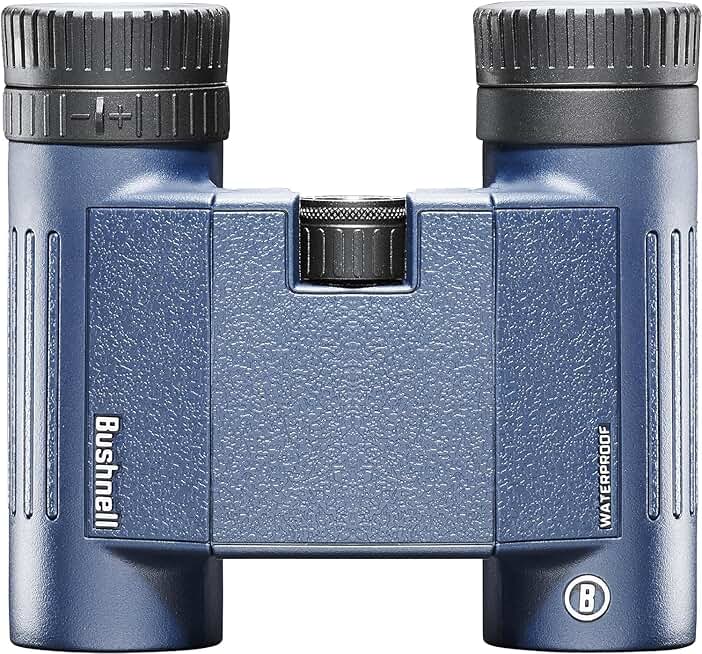
For those who value portability above all, the Steiner Safari UltraSharp 8x25 is a strong contender. Despite its small size, it packs a punch with bright, sharp optics that perform well in various lighting conditions. The nitrogen-purged, waterproof construction makes it rugged enough for hiking and travel. While the smaller objective lenses gather less light than 42mm models, the 8x25 form factor is ideal for birders who hike long distances and need gear that doesn't weigh them down.


As an Amazon Associate, we may earn from qualifying purchases.
What to look for in binoculars for birding
Choosing the right pair of binoculars for birding starts with understanding how the numbers on the barrel translate to what you see in the field. The two most common configurations are 8x42 and 10x42, and picking between them depends on your patience and the type of birds you pursue.
Magnification: 8x vs 10x
The first number (8 or 10) is the magnification power. An 8x binocular makes objects appear eight times closer, while 10x makes them ten times closer. For most birders, 8x is the sweet spot. It provides a wider field of view, making it easier to track fast-moving birds in dense branches, and it is significantly more stable in your hands.
A 10x magnification is excellent for open-country birding where you need extra reach, but it narrows your field of view and amplifies hand shake. If you don't have a tripod, 10x can feel jittery and tiring during long sessions. Think of 8x as a comfortable daily driver and 10x as a specialized tool for specific conditions.
Objective Lens Size
The second number (42 in 8x42) refers to the diameter of the front lens in millimeters. This determines how much light enters the binoculars. A 42mm lens gathers more light than a 25mm or 32mm lens, resulting in brighter images, especially in low-light conditions like dawn or dusk.
While 8x42 binoculars are the industry standard for birding, they are also heavier. If weight is a concern, consider 8x32 models. They are more compact and lighter, though you may notice a slight drop in image brightness in dim light. The trade-off is between image richness and carrying comfort.
Field of View
Field of view (FOV) is how wide an area you can see at a given distance, usually measured in feet at 1,000 yards. A wider FOV is critical for birding because it helps you locate and follow birds that are moving quickly. Lower magnification binoculars generally offer a wider FOV, which is another reason 8x is preferred for active birding.
According to REI, these specs work together to define the experience. A wide FOV with stable 8x magnification allows you to spot a bird in a treetop without losing it when you raise the binoculars.
For a deeper dive into how these specs interact, you can read REI’s expert advice on choosing binoculars.
Frequently asked questions about birding binoculars
Choosing the right optics comes down to matching magnification and durability to your specific birding style. Here are answers to the most common questions about birding binoculars.
8x vs 10x magnification: which is better for birding?
The 8x42 configuration is the gold standard for most birders because it offers a wider field of view and a steadier image, making it easier to track fast-moving birds in dense foliage. The 10x42 option provides more reach for open wetlands or distant waterfowl, but the narrower field of view and higher magnification make it harder to locate birds quickly and require a steadier hand or a tripod. For general use, 8x is the more forgiving and versatile choice.
Are waterproof binoculars necessary for birding?
Yes, waterproofing is essential for birding gear that will be exposed to rain, humidity, or accidental submersion. Look for models sealed with O-rings and filled with nitrogen or argon gas to prevent internal fogging when moving between temperature extremes. This protection ensures the optics remain clear and functional in all weather conditions, from misty mornings to sudden downpours.
What does exit pupil mean and why does it matter?
Exit pupil is the diameter of the light beam exiting the eyepiece, calculated by dividing the objective lens size by the magnification (e.g., 42mm ÷ 8x = 5.25mm). A larger exit pupil delivers a brighter image, which is critical for dawn and dusk birding when light levels are low. While a 5mm or 6mm exit pupil is ideal for low light, a smaller exit pupil (around 3-4mm) is acceptable for bright daytime conditions and often allows for more compact binocular designs.
No comments yet. Be the first to share your thoughts!