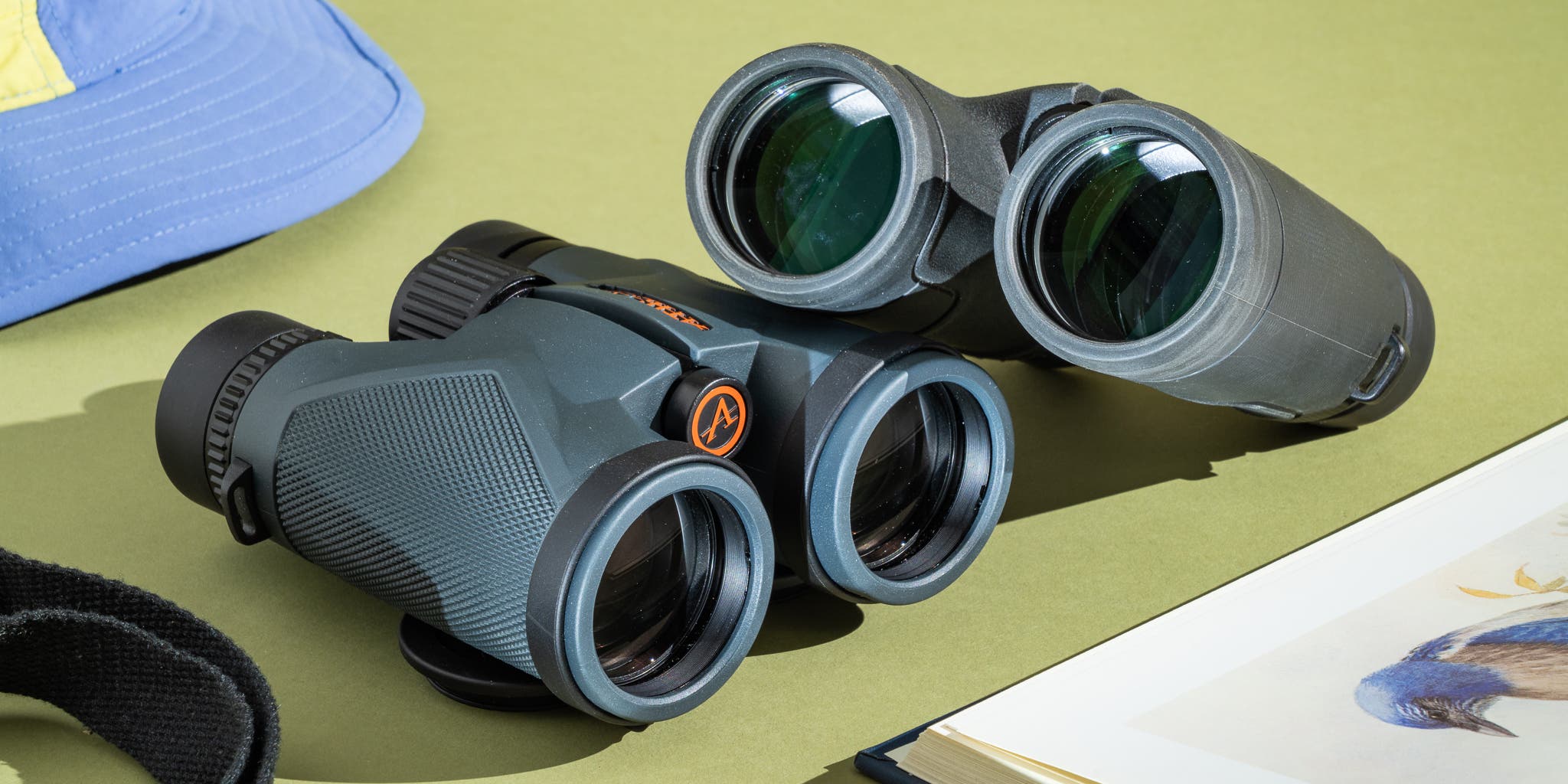

How we picked these binoculars
Evaluating compact binoculars for birding requires balancing three competing priorities: optical clarity, low-light performance, and absolute portability. Unlike full-size field optics, compact models force trade-offs in objective lens diameter and weight. Our testing methodology focused on identifying pairs that maintain sharpness and brightness without becoming a burden during long hikes or travel.
We prioritized models with objective lenses between 20mm and 32mm and total weight under 12 ounces. This range ensures the binoculars fit easily in a jacket pocket or small side pouch while still gathering enough light for dawn and dusk birding. We tested specific models like the Maven B.7 8×25 and Vortex Diamondback HD 8×28 to see how they performed in real-world conditions.
Optical clarity was measured by edge-to-edge sharpness and color fidelity, critical for identifying distant field marks. We also evaluated field of view, as a wider view helps track moving birds. Low-light performance was assessed in shaded forest environments, where compact binoculars often struggle. We only included models that delivered usable brightness without excessive eye strain.
Portability is not just about weight; it is about how the binoculars behave when you need them quickly. We tested focus speed, ergonomic grip, and durability against the rigors of travel. The goal was to find compact binoculars that birders would actually reach for, not just ones that look good in a gear bag.
Top compact binoculars for birding
Use this section to make the Best Compact Binoculars for Birding decision easier to compare in real life, not just on paper. Start with the reader's actual constraint, then separate must-have requirements from details that are merely nice to have. A practical choice should survive normal use, maintenance, timing, and budget. If a recommendation only works in an ideal situation, call that out plainly and give the reader a fallback path.
The simplest way to use this section is to write down the must-have criteria first, then compare each option against those criteria before weighing nice-to-have features.
Compact Binoculars: Specs and Price Comparison
Choosing the right compact binoculars for birding requires balancing optical power with portability. The table below compares five popular models, highlighting the trade-offs between magnification, objective lens size, and weight. These factors directly influence brightness, field of view, and how comfortable the binoculars are to carry on long hikes.
| Model | Specs | Weight | Approx. Price |
|---|---|---|---|
| Bushnell Powerview 2 16x32 | 16x32 | 19.8 oz | ~$45 |
| Vortex Bantam HD 6.5x32 | 6.5x32 | 14.3 oz | ~$70 |
| Nikon Trailblazer 10x25 ATB | 10x25 | 8.1 oz | ~$100 |
| Pentax Papilio II 8.5x21 | 8.5x21 | 5.3 oz | ~$110 |
| Opticron Discovery WP 8x32 | 8x32 | 16.6 oz | ~$150 |
Higher magnification like 16x offers distant detail but demands a steady hand and often sacrifices field of view. Lower magnification (8x-10x) is generally preferred for tracking moving birds. Objective lens size (the second number, e.g., 25mm or 32mm) determines light gathering; larger lenses mean brighter images in low light but add bulk and weight.
What size binoculars do you need
The trade-off between compactness and light gathering defines the choice of compact binoculars for birding. Smaller objective lenses reduce weight and bulk, making them ideal for travel, but they also limit the amount of light reaching your eyes. This affects brightness, especially in dawn or dusk conditions when many birds are active. Understanding these optical specs helps you pick a pair that balances portability with the clarity needed to identify species.
8x25 Binoculars
The 8x25 format is the sweet spot for most birders who prioritize comfort. The 8x magnification provides a wider field of view, making it easier to track moving birds in dense foliage. The 25mm objective lenses are small enough to fit in a jacket pocket, yet they gather enough light for clear viewing in good daylight. Models like the Pentax Papilio II 8.5x21 offer specialized close-focus capabilities, while the Opticron Discovery WP PC 8x32 (a slightly larger compact) is often cited for low-light performance. For standard 8x25 options, look for brands like Nikon or Olympus that use high-quality glass to maximize brightness despite the small aperture.
10x25 Binoculars
Choosing 10x25 binoculars means trading some field of view for greater reach. The higher magnification allows you to see finer details on distant birds, which is useful for open habitats or waterfowl. However, the increased magnification makes hand shake more noticeable, so you’ll need steadier hands or a rest. The 25mm objective lenses still keep the weight down, but images may appear slightly darker than with 8x models. The Nikon HG 5x15 monocular is an extreme example of compactness, but for binoculars, the Pentax VD 4x20 offers a different approach with lower power for wide scanning. For 10x25, consider the Viking Optic range or similar models that emphasize sharpness to compensate for the narrower view.
Larger Compact Formats (8x32, 10x32)
If you can carry a bit more weight, 32mm objective lenses offer a significant jump in light gathering. These are still considered compact compared to full-size 42mm or 50mm binoculars, but they provide brighter images in low light and a more stable viewing experience. The Opticron Discovery WP PC 8x32 is a popular choice for this category, offering a good balance of portability and optical performance. This size is ideal if you bird frequently in varied lighting conditions and want to avoid the limitations of smaller lenses. While not as pocketable as 25mm models, they remain light enough for long hikes.
Frequently asked: what to check next
Helpful gear
Use these product recommendations as a starting point, then choose the size, material, and price point that fit how you actually use the gear.


As an Amazon Associate, we may earn from qualifying purchases.
No comments yet. Be the first to share your thoughts!