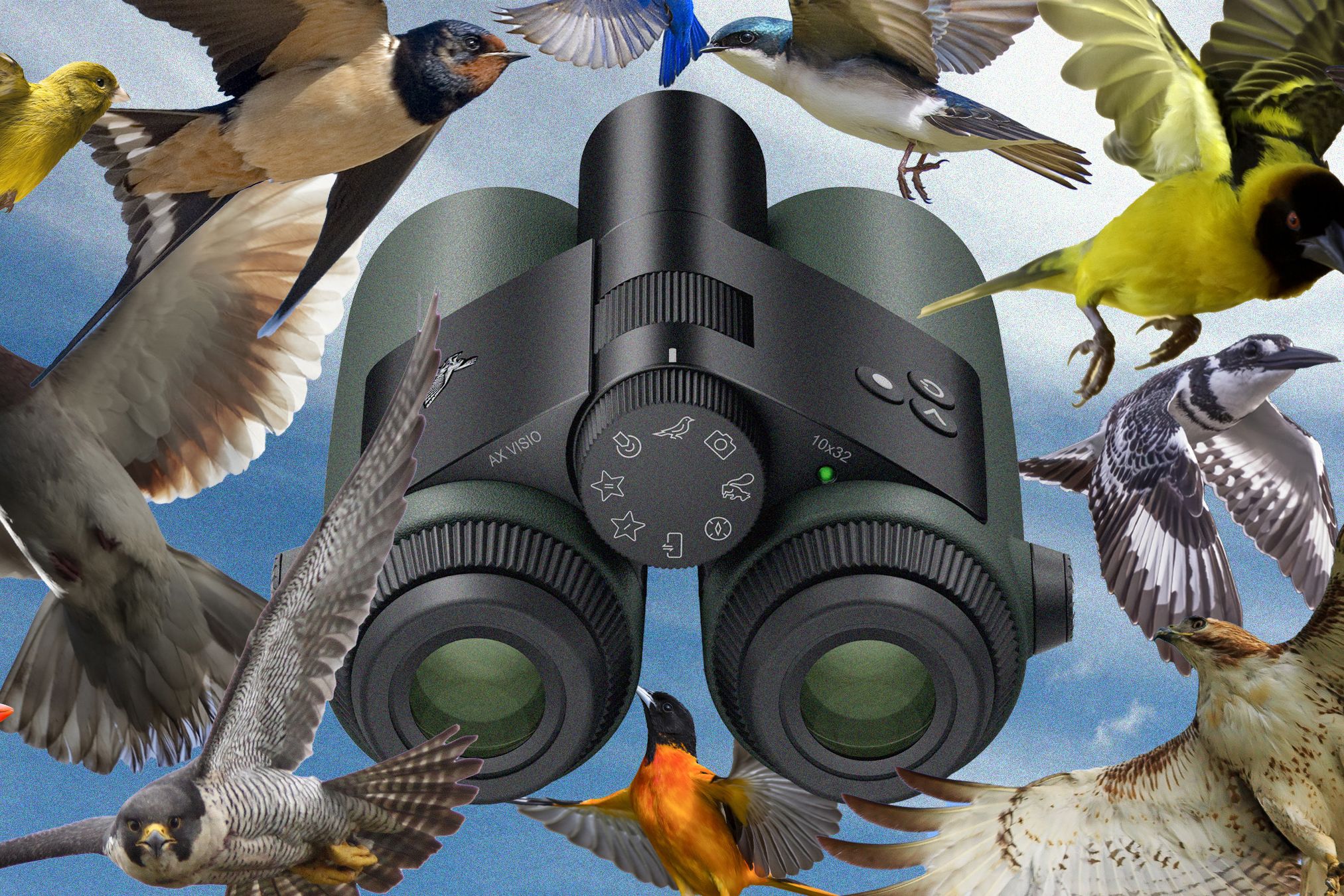

How we picked the best binoculars
Finding the best binoculars for birding means balancing optical performance with the physical reality of carrying them for hours. We evaluated top contenders based on three non-negotiable criteria: optical clarity, weight, and ergonomics. A pair of binoculars might have excellent lenses, but if they are too heavy or awkward to hold, they will end up in a closet rather than on your shoulders.
Our testing process mirrors the rigorous methods used by independent reviewers like OutdoorGearLab, which tests dozens of models to rank them by real-world performance. We looked for sharp edges of view, accurate color rendition, and minimal distortion at the periphery. For birders, the ability to distinguish subtle field marks in low light is just as important as daytime clarity.
We prioritize optical clarity and weight for birders who spend hours in the field.
Weight is perhaps the most critical factor for long-term comfort. The Audubon Guide to Binoculars notes that while larger objective lenses gather more light, they also add significant bulk. We favored compact 8x42 and 10x42 models that strike a balance between light-gathering power and portability. Ergonomics, including focus wheel resistance and eye relief, were tested extensively to ensure they work well for users wearing glasses.
We did not rely on manufacturer specifications alone. Instead, we focused on how these tools perform in the field, where conditions change rapidly and every second counts. The picks in this guide are those that consistently delivered clear, steady images without causing neck strain, making them reliable partners for both casual backyard birding and serious field trips.
Best overall binoculars for birding
Finding the best binoculars for birding often comes down to balancing three competing needs: optical clarity, portability, and price. While specialized optics exist for specific scenarios, most birders need a pair that handles everything from dawn surveys to long hikes without breaking the bank or their backs.
The Vortex Viper HD 10x42 stands out as the top all-around choice for this crowd. It delivers sharp, high-contrast images that make identifying distant field marks straightforward. The 10x magnification provides enough reach for wary songbirds, while the 42mm objective lenses gather ample light for early mornings or wooded habitats. Weighing in at a manageable weight, it strikes a practical balance between the compact 8x32 models and heavier 10x50 options.
Other strong contenders like the Nikon Prostaff P7 series offer excellent value, particularly for those prioritizing lightweight performance on the trail. However, the Viper HD’s edge-to-edge sharpness and rugged waterproof construction make it the more versatile tool for the average birder. Below, we compare the top picks to help you decide which features matter most for your specific birding style.
| Model | Magnification | Weight | Best For |
|---|---|---|---|
| Vortex Viper HD | 10x | 25.9 oz | All-around performance |
| Nikon Prostaff P7 | 8x | 15.1 oz | Lightweight hiking |
| Swarovski EL Range | 10x | 25.2 oz | Premium optics |
| Celestron Nature DX | 8x | 20.3 oz | Budget-conscious buyers |


As an Amazon Associate, we may earn from qualifying purchases.
Best compact binoculars for travel
When you are on a long hike or moving quickly through dense brush, the weight of your gear matters. Standard 10x42 binoculars are bright and sharp, but they can feel heavy after a few miles. For birders who prioritize portability, stepping down to an 8x32 or similar compact model is often the smarter choice. You trade a small amount of magnification for a significant gain in comfort and steadiness.
The difference in handling is immediate. A compact pair fits easily into a jacket pocket or a small side pouch, leaving your hands free for trekking poles or a camera. Because 8x magnification is less sensitive to hand shake than 10x, you can hold the binoculars steady for longer periods without fatigue. This makes them ideal for scanning tree canopies or watching birds in flight where quick, smooth movement is more important than extreme detail.
Nikon consistently ranks highly in this category for good reason. Their Prostaff P7 8x32 is a favorite among hikers for its lightweight design and clear optics. It offers the same reliable performance as the larger 10x42 models but in a package that does not weigh you down. Other brands like Vortex and Steiner also offer excellent compact options that balance durability with a small footprint.
Choosing the right compact binoculars comes down to how much you value weight versus light gathering. If you are birding in low-light conditions or need to spot distant waterfowl, the larger objective lens of a 42mm model might still be worth the extra pounds. But for general woodland birding and travel, a compact 8x32 pair will likely see more use because it is always on hand.
| Model | Specs | Weight | Best For |
|---|---|---|---|
| Nikon Prostaff P7 8x32 | 8x32 | ~10.9 oz | Hiking and travel |
| Vortex Vanquish 8x32 | 8x32 | ~10.6 oz | Waterproof outings |
| Steiner Safari UltraSharp 8x32 | 8x32 | ~12.5 oz | Durability |
Best budget binoculars under $150
You don't need to spend a fortune to get sharp, clear views of your feathered friends. The sweet spot for value lies just under the $150 mark, where manufacturers like Vortex and Athlon deliver optics that punch well above their weight class. These models strip away unnecessary bells and whistles to focus on what matters: glass quality, durability, and eye comfort.
The Vortex Triumph HD 10x42 remains a top contender in this bracket. It offers fully multi-coated lenses and BaK-4 prisms that provide bright, high-contrast images even in low light. For those who prefer a wider field of view, the Athlon Neos G2 HD 8x42 is an excellent alternative, offering a more stable platform for tracking fast-moving birds without the shake often associated with higher magnifications.
When shopping on a budget, look for nitrogen purging and waterproofing. These features ensure your binoculars survive unexpected rain showers or humidity in the marsh without fogging up internally. Below are our top picks for high-performance birding gear that respects your wallet.


As an Amazon Associate, we may earn from qualifying purchases.
What magnification and lens size matter
Choosing between 8x42 and 10x42 binoculars is the most common dilemma for birders. The numbers tell the story: the first digit is magnification power, and the second is the lens diameter in millimeters. While both offer a 42mm lens for good light gathering, the magnification difference changes how you experience the field.
8x42: The Steady Standard
An 8x42 setup is the workhorse for most birders. The lower magnification provides a wider field of view, making it easier to track moving birds in dense foliage. Because the image is less magnified, it is naturally steadier in your hands, which is crucial when you are hiking over rough terrain or holding the binoculars up for extended periods.
If you spend your days scanning treetops for warblers or watching birds fly, the 8x42 is often the more forgiving choice. It reduces eye strain and makes it easier to keep the bird in focus as it flits from branch to branch.
10x42: The Closer Look
The 10x42 configuration brings distant subjects closer, which is ideal for stationary birding at feeders, waterfowl blinds, or shorelines. You will see more detail on plumage and behavior, but the narrower field of view can make it harder to relocate a fast-moving bird. Additionally, the higher magnification amplifies hand shake, so you need a steady stance or a tripod to get the sharpest images.
For birders who prioritize detail over mobility, the 10x42 offers a compelling trade-off. However, if you plan to hike significant distances, the extra weight and instability might become a hindrance rather than a help.
Frequently asked questions about birding binoculars
Choosing the right pair of binoculars can feel overwhelming with so many options on the market. Here are answers to the most common questions to help you find the best binoculars for your birding adventures.
What magnification and lens size should I look for?
The most versatile specification for birding is 8x42. The 8x magnification provides a wide field of view and a stable image, making it easier to track moving birds without a tripod. The 42mm lens diameter lets in enough light for early mornings or dense forests. While 10x models offer more zoom, they often shake too much for handheld use and narrow your view, making it harder to spot birds in cluttered habitats.
Are expensive binoculars worth the investment?
Price often correlates with optical clarity and durability, but you don't need to spend a fortune for great performance. Mid-range binoculars typically offer excellent sharpness and color fidelity that satisfy most birders. Higher-end models may feature superior coatings for low-light conditions and more robust waterproofing. Focus on finding a pair that fits your budget while meeting the core 8x42 standard, as optical quality matters more than brand prestige.
How do I clean my binoculars properly?
Keep your optics clear by using a soft microfiber cloth to gently wipe the lenses. Avoid using paper towels or shirts, which can scratch the delicate coatings. If you encounter stubborn dirt, use a small amount of lens cleaning solution specifically designed for optics. Store your binoculars in a dry case with silica gel packets to prevent moisture buildup and mold growth inside the barrels.
Should I choose binoculars with or without a central focus?
Most birders prefer central focus models because they allow you to adjust both eyes simultaneously with one wheel, which is faster when scanning for birds. Binoculars with individual eyepiece focus require you to adjust each side separately, which can be cumbersome in the field. However, if you wear glasses, look for models with twist-up eyecups and diopter adjustment to ensure a comfortable and sharp view.
No comments yet. Be the first to share your thoughts!