
First Binoculars: What to Really Look For
So, you want to get into birding, or maybe just enjoy a closer look at the world around you? That’s fantastic! But stepping into the world of binoculars can feel…overwhelming. There are so many choices, all with numbers and jargon that seem designed to confuse you. Don’t worry, you don’t need to spend a fortune to get something good.
The good news is you can get a perfectly capable pair of binoculars for under $100. We’ll focus on what really matters for beginners: ease of use, how well they perform in dimmer light, and making sure they’re comfortable to hold. Forget about chasing the highest specs – a steady, bright image is far more important than a huge magnification number when you’re just starting out.
We'll touch on magnification and objective lens size, but I want to be clear: expensive doesn't automatically equal better, especially when you're still learning. It's about finding the right balance for your needs. This guide will break down the basics and help you find a pair of binoculars that won’t break the bank, but will open up a whole new world of observation.
Magnification and Objective Lens: Explained Simply
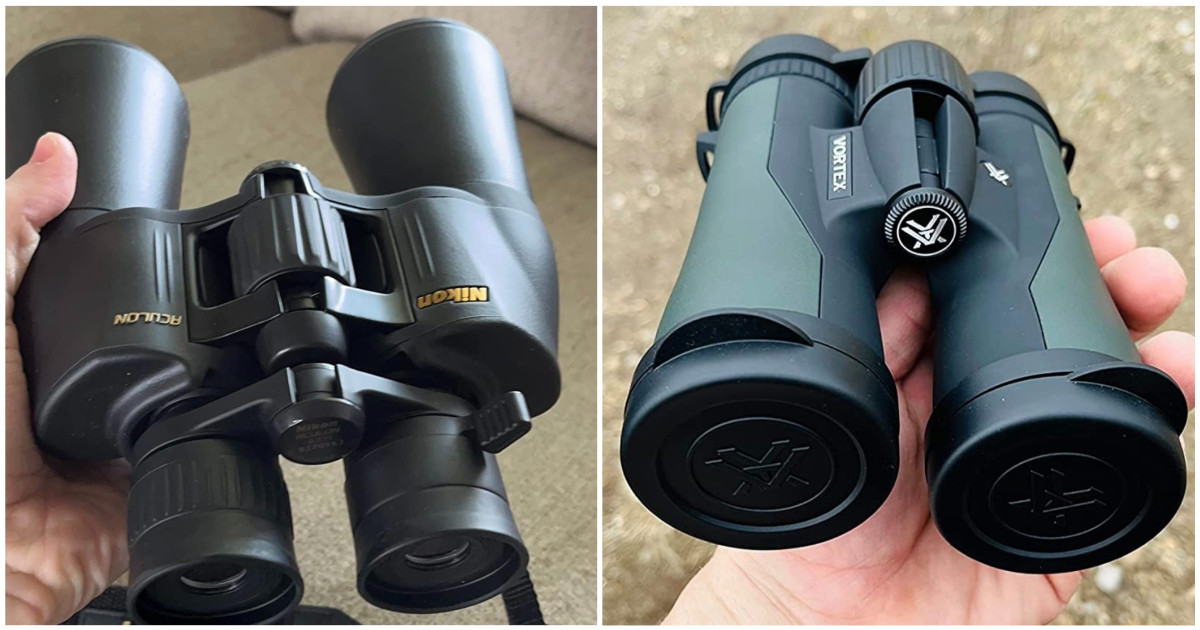
You’ll see binoculars described with numbers like 8x42 or 10x50. Those numbers tell you two key things: magnification and objective lens diameter. The first number (8 or 10 in these examples) is the magnification – how much closer the image appears. So, 8x magnification makes an object look eight times closer than with the naked eye.
The second number (42 or 50) is the diameter of the objective lens – the lens furthest from your eyes – measured in millimeters. A larger objective lens gathers more light, which is crucial for viewing in low-light conditions like forests or at dawn and dusk. But bigger isn't always better. Higher magnification can make the image appear dimmer and shakier.
An 8x42 binocular is generally a great all-around choice for birding. It's easy to hold steady, provides a bright image, and has a wide field of view – meaning you can see more of the scene at once. A 10x50 might be better for scanning a large landscape, but it can be harder to keep still without a tripod. The 'exit pupil' – the amount of light delivered to your eye – is also important. It’s calculated by dividing the objective lens diameter by the magnification. A larger exit pupil (around 5-7mm) is better for low-light viewing, but your eye's pupil size also limits how much light you can actually use.
Our Top Picks Under $100 (2026)
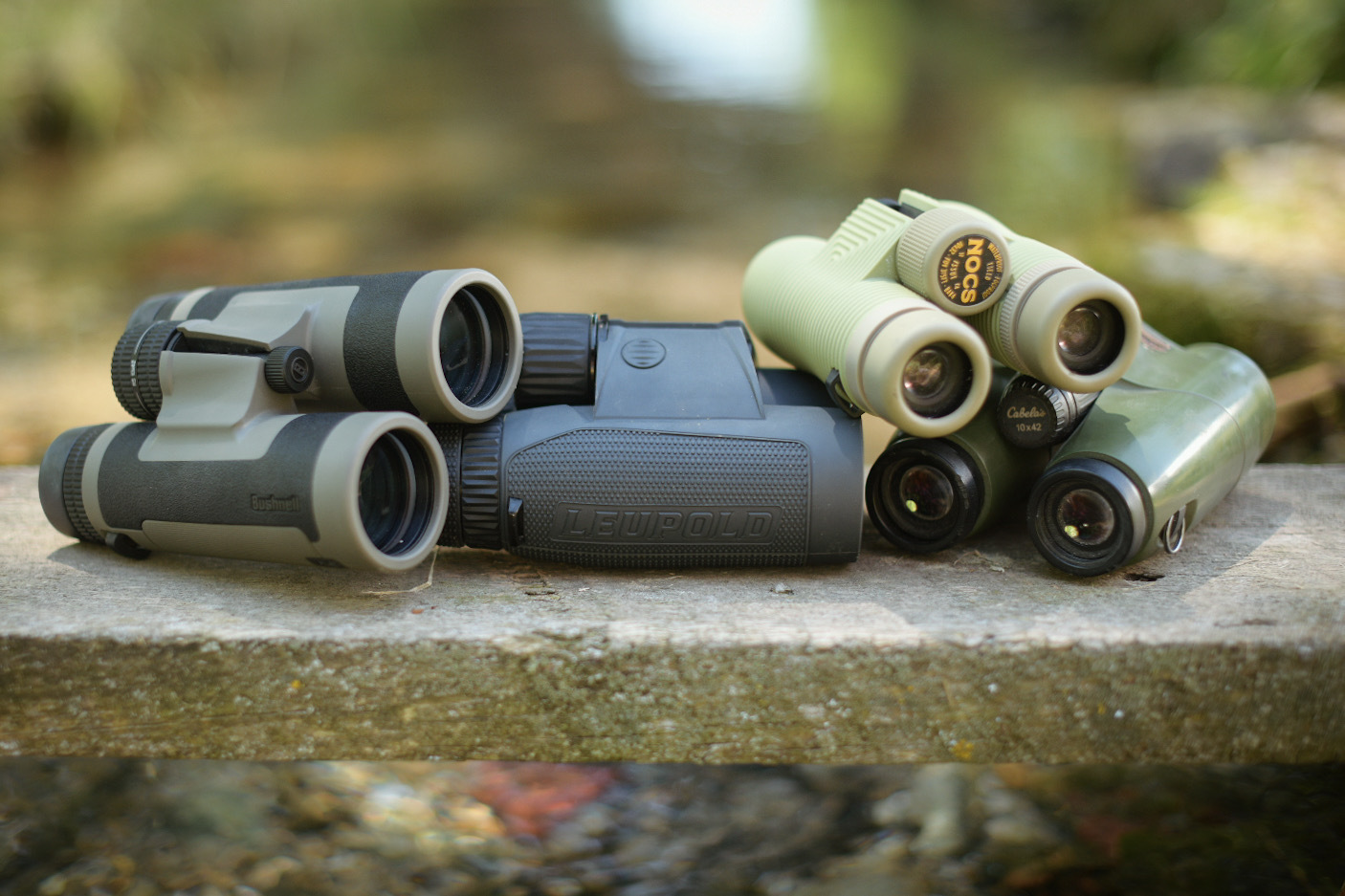
Alright, let's get to the good stuff. Here are some of the best binoculars you can find for under $100 as of 2026. Prices fluctuate, so these are estimates, and I’ve included links to Amazon where available. Keep in mind that 'best' is subjective, so I’ll highlight what each pair does well.
Celestron 71008 Outback 8x42 Binoculars: These are consistently a top pick for beginners. They’re waterproof, have good optics for the price, and are relatively lightweight. The 8x42 configuration is versatile for birding, hiking, and general observation. Pros: Waterproof, good value, easy to use. Cons: Image isn't as sharp as more expensive models, some users report issues with the focus wheel.
Nikon Aculon A211 8x42 Binoculars: Nikon is a trusted name in optics, and the Aculon A211 offers a solid entry point. They’re known for their bright, clear images and comfortable eye relief. They aren’t waterproof, but are water-resistant. Pros: Bright image, comfortable eye relief, reputable brand. Cons: Not fully waterproof, build quality feels a bit plasticky.
Vortex Diamondback HD 8x42 Binoculars (often on sale under $100): Vortex is known for its excellent warranty, and the Diamondback HD frequently goes on sale, bringing it within our budget. They offer impressive optics for the price and are fully waterproof. Pros: Excellent optics for the price, waterproof, great warranty. Cons: Can be slightly heavier than other options, availability at the $100 price point depends on sales.
Bushnell H2O Waterproof Binoculars 10x42: If you really want that extra magnification, the Bushnell H2O are a decent choice. They’re fully waterproof and have a rubber armored coating for durability. Pros: Waterproof, affordable, higher magnification. Cons: Image can be shaky at 10x, not as bright as 8x42 options.
Olympus 8x40 DPS I Binoculars: Olympus consistently delivers quality optics. These binoculars are compact and lightweight, making them easy to carry. Pros: Compact and lightweight, good image quality for the size, comfortable grip. Cons: Smaller objective lens means less light gathering, not waterproof.
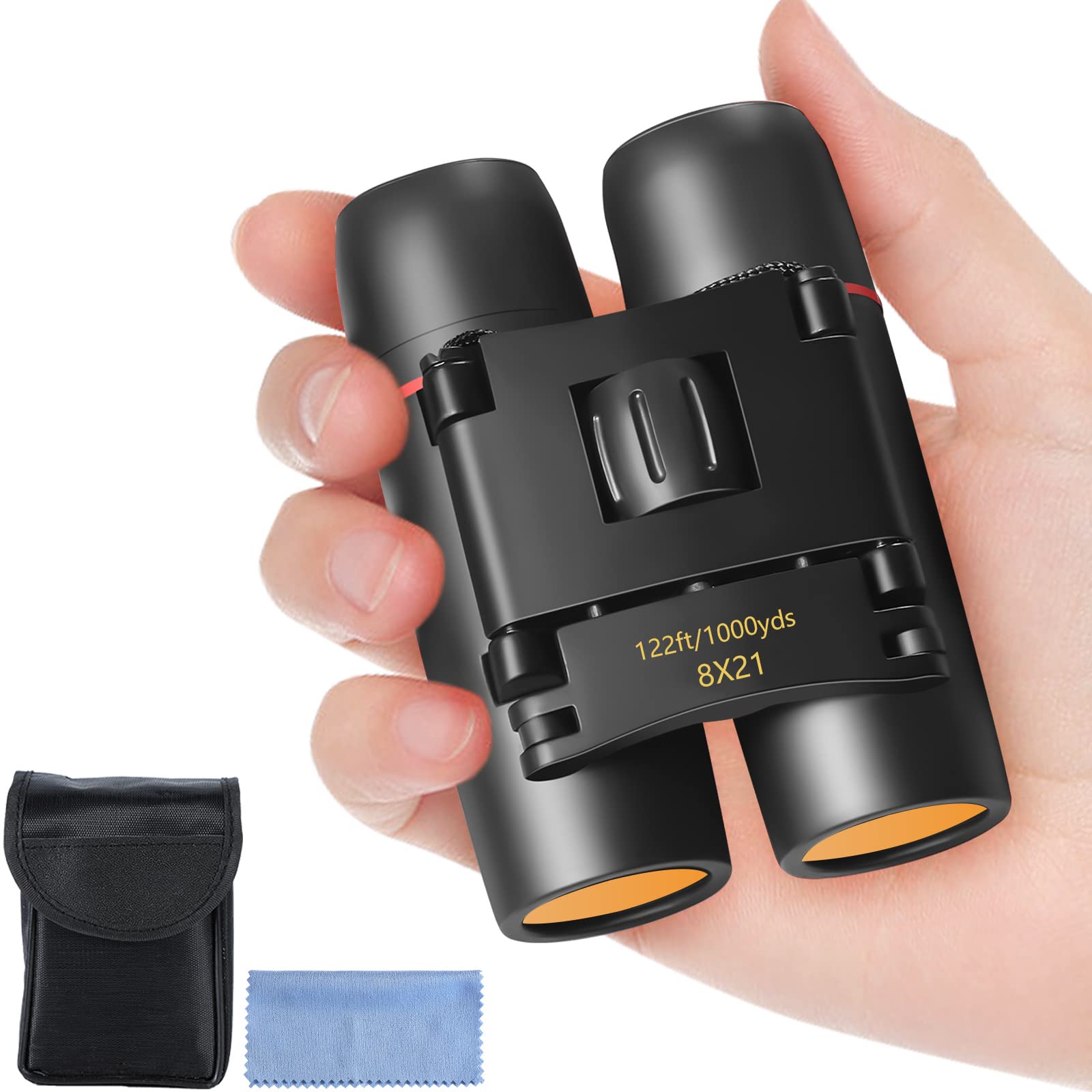
MaxGear 12x42 Binoculars: These binoculars come with a smartphone adapter, allowing you to take photos and videos through the eyepiece. While the optical quality isn’t the best, the added functionality is a plus for some. Pros: Includes smartphone adapter, affordable. Cons: Lower optical quality, image can be distorted.
- Celestron 71008 Outback 8x42 Binoculars (Amazon: )
- Nikon Aculon A211 8x42 Binoculars (Amazon: )
- Vortex Diamondback HD 8x42 Binoculars (Amazon: )
- Bushnell H2O Waterproof Binoculars 10x42 (Amazon: )
- Olympus 8x40 DPS I Binoculars (Amazon: )
- MaxGear 12x42 Binoculars (Amazon: )
Featured Products

8x magnification, 42mm objective lenses · Waterproof and fogproof construction · Wide field of view and long eye relief
While slightly over budget, the Nikon PROSTAFF P3 offers exceptional clarity and durability for a premium viewing experience.

10x magnification, 42mm objective lenses · Waterproof and fogproof design · Multi-coated optics for bright images
The Bushnell H2O is a solid, reliable choice for outdoor adventures, offering good performance at a great price point.

8x magnification, 42mm objective lenses · BaK-4 prisms and multi-coated optics · Waterproof and fogproof for all conditions
These Celestron Outland X binoculars are a fantastic entry-level option, providing clear views for birding and general outdoor use.

12x magnification, 25mm objective lenses · Compact and lightweight design · Low light vision and easy focus
For an incredibly low price, the Occer 12x25 binoculars deliver surprising power and clarity, making them perfect for casual observation.

8x magnification, 42mm objective lenses with ED glass · Ultra HD clarity for bright, vivid images · Waterproof, wide field of view, and close focus
The Wingspan Optics Skyview Ultra HD binoculars provide exceptional optical quality, especially for bird watching, though they are at the higher end of the budget.
As an Amazon Associate I earn from qualifying purchases. Prices may vary.
Beyond the Specs: Build Quality & Comfort
Don't underestimate the importance of how a binocular feels in your hands. Rubber armor isn’t just about looks – it provides a secure grip, protects the binoculars from bumps and scratches, and can even absorb shock. Waterproofing is a huge plus, especially if you plan on using your binoculars in wet conditions. Even water resistance is better than nothing.
Weight is another factor to consider, especially if you’ll be carrying them for long periods. Lighter binoculars are less fatiguing to hold, but sometimes that comes at the expense of build quality. Eye relief – the distance between your eye and the eyepiece – is critical for people who wear glasses. Insufficient eye relief means you won’t be able to see the full field of view.
Pay attention to the focus wheel. Is it smooth and easy to turn, or jerky and difficult to adjust? A smooth focus wheel allows you to quickly and accurately focus on objects at different distances. These seemingly small details can significantly impact your overall enjoyment.
Standout Models: Worth a Second Look
From the list above, a few models really stand out for offering exceptional value. The Vortex Diamondback HD is a clear winner if you can find it on sale. The optics are surprisingly good for the price, and the lifetime warranty provides peace of mind. It's a bit heavier, but the image quality is worth it.
For those prioritizing ruggedness, the Bushnell H2O is a solid choice. They’re fully waterproof and can withstand a fair amount of abuse. While the image isn’t as bright as some others, they’re a reliable option for outdoor adventures. They are a good pick for a youth or someone who anticipates rough treatment of their gear.
Finally, the Olympus 8x40 DPS I is a great pick for those who want something compact and lightweight. They're easy to pack and carry, making them ideal for travel. They don’t offer the same level of performance as the other models, but they’re a good option for casual observation.
Binocular Care: Keeping Them in Top Shape
Taking care of your binoculars will ensure they last for years to come. The most important thing is to keep the lenses clean. Use a microfiber cloth to gently wipe away dust and smudges. For stubborn marks, use a lens cleaning solution specifically designed for optics – avoid harsh chemicals or abrasive cleaners.
Always store your binoculars in a case when you’re not using them. This will protect them from scratches, dust, and moisture. Avoid leaving them in direct sunlight or extreme temperatures, as this can damage the coatings on the lenses. A simple padded case is sufficient.
Regularly check the hinges and focus wheel for any signs of wear or damage. If you notice anything loose or broken, take them to a qualified repair technician. A little preventative maintenance can save you a lot of money in the long run.
- Use a microfiber cloth to clean lenses.
- Use lens cleaning solution for stubborn marks.
- Store in a case when not in use.
- Avoid extreme temperatures and direct sunlight.
Beginner Mistakes to Avoid
A few common mistakes beginners make can detract from the experience. Don’t fall into the trap of thinking higher magnification is always better. It often leads to a shaky image and reduced brightness. Similarly, don't neglect eye relief – if you wear glasses, ensure the binoculars have enough eye relief to allow you to see the full field of view.
Another mistake is failing to adjust the diopter. The diopter compensates for differences in vision between your eyes, ensuring a sharp image for both. Most binoculars have a diopter adjustment ring near one of the eyepieces. Finally, protect those lenses! A scratched lens can significantly degrade image quality.
Don’t be afraid to ask for help! Local optics stores are often staffed with knowledgeable people who can offer advice and answer your questions. There are also plenty of resources available online, including forums and reviews. Getting started with binoculars should be fun, so don't let the technical details intimidate you.
- Don't prioritize magnification over image quality.
- Adjust the diopter for clear vision in both eyes.
- Protect the lenses from scratches.
- Ask for help if you're unsure about anything.
No comments yet. Be the first to share your thoughts!