
How AI is changing binoculars
For decades, binoculars were just glass, prisms, and rubber. That's changing. AI is starting to redefine what these tools do, and 2026 marks a real shift. We're looking at more than just a slight bump in magnification.
The integration of AI, as highlighted in a recent WIRED article, is moving beyond simple image stabilization. We’re seeing binoculars that can actively identify birds, estimate distances, and even adjust image settings based on the environment. This isn’t a future promise; it’s happening now, albeit at a premium price point. The Swarovski AX Visio, for example, is already demonstrating this capability.
The shift is driven by increasingly powerful, yet miniaturized, processors and sophisticated algorithms. These allow for real-time image analysis and data processing within the binocular itself. This means faster identification and a more immersive experience for the user. The improvements aren't just about convenience; they can genuinely enhance observation, particularly for those new to birding or wildlife tracking.
2026 will likely see this technology become more accessible. Costs will come down, and more manufacturers will integrate AI features into their products. Expect to see more refined object recognition, improved accuracy, and potentially even features like audio identification. It's a genuinely exciting time for optical technology, but it’s important to understand what’s hype and what’s genuinely useful.
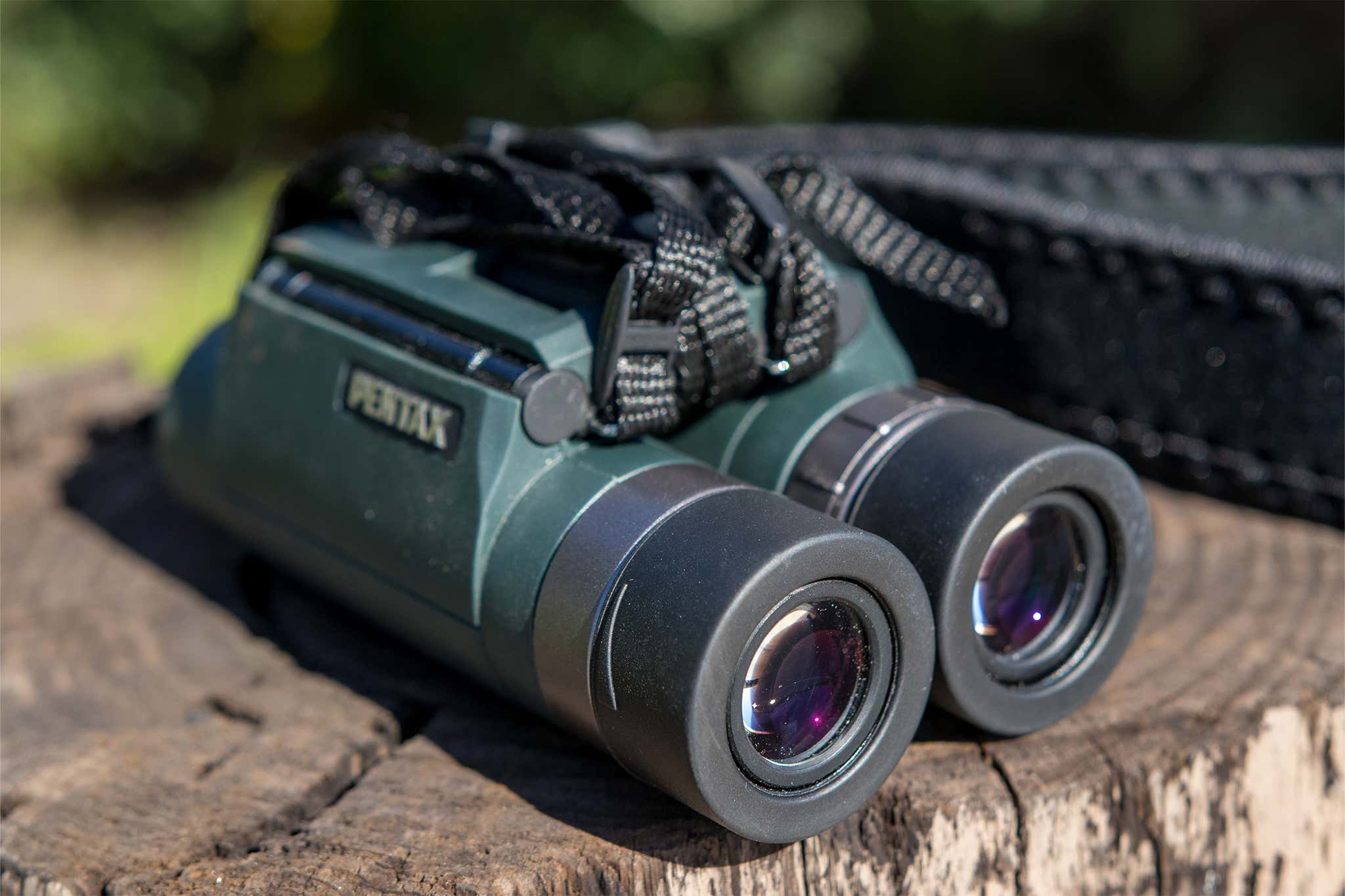
The specs that actually matter
Before diving into specific models, you need to understand the core specifications that define a binocular’s performance. These numbers aren’t just marketing fluff; they directly impact your viewing experience. Let’s break down the key terms.
Magnification is the first number you’ll see (e.g., 8x, 10x). It tells you how much larger the image appears compared to viewing with the naked eye. Higher magnification isn't always better. It can make the image shaky and reduce the field of view. Objective lens diameter (the second number, like 42mm in 8x42) determines how much light the binoculars gather. Larger objective lenses are better in low-light conditions but add weight and bulk.
Field of view is measured in feet at 1000 yards or degrees. It determines how wide an area you can see at a given distance. A wider field of view is crucial for spotting moving targets like birds. Eye relief is the distance between your eye and the eyepiece. Longer eye relief is essential for eyeglass wearers.
Binoculars use prisms to correct the image orientation. Porro prisms are the traditional design, resulting in wider, bulkier binoculars. Roof prisms are more compact and streamlined, but generally more expensive to manufacture. Finally, lens coatings are critical. Multi-layer coatings reduce glare and increase light transmission, resulting in brighter, sharper images. Don't overlook the importance of fully multi-coated lenses.
Top binoculars for 2026
The market is flooded with options, so we’ve used a combination of expert reviews and, where available, early access to models incorporating AI features to compile this list. These selections represent the best balance of performance, features, and value for various needs.
Budget Birding: Celestron Nature DX ED 8x42 ($200-250). These are a fantastic entry point for birders. They offer excellent clarity for the price, thanks to their Extra-low Dispersion (ED) glass. While they lack AI features, they provide a bright, sharp image and are durable enough for field use. They are a solid choice for beginners who want to learn the ropes without breaking the bank.
Premium Hunting: Vortex Optics Razor UHD 10x42 ($1600-1800). Hunters need reliable optics that perform in challenging conditions. The Razor UHD delivers exceptional clarity, brightness, and color fidelity. They’re waterproof, fogproof, and built to withstand abuse. They don’t have AI, but the optical quality is superb.
AI-Powered Birding: Swarovski AX Visio 8x42 ($5000+). This is where things get interesting. The AX Visio, reviewed by Badgerland Birding on YouTube, incorporates AI-powered bird recognition. Point the binoculars at a bird, and the system will identify it via an app connection. It's a game-changer for beginner birders, but the price is substantial. The accuracy is improving with software updates.
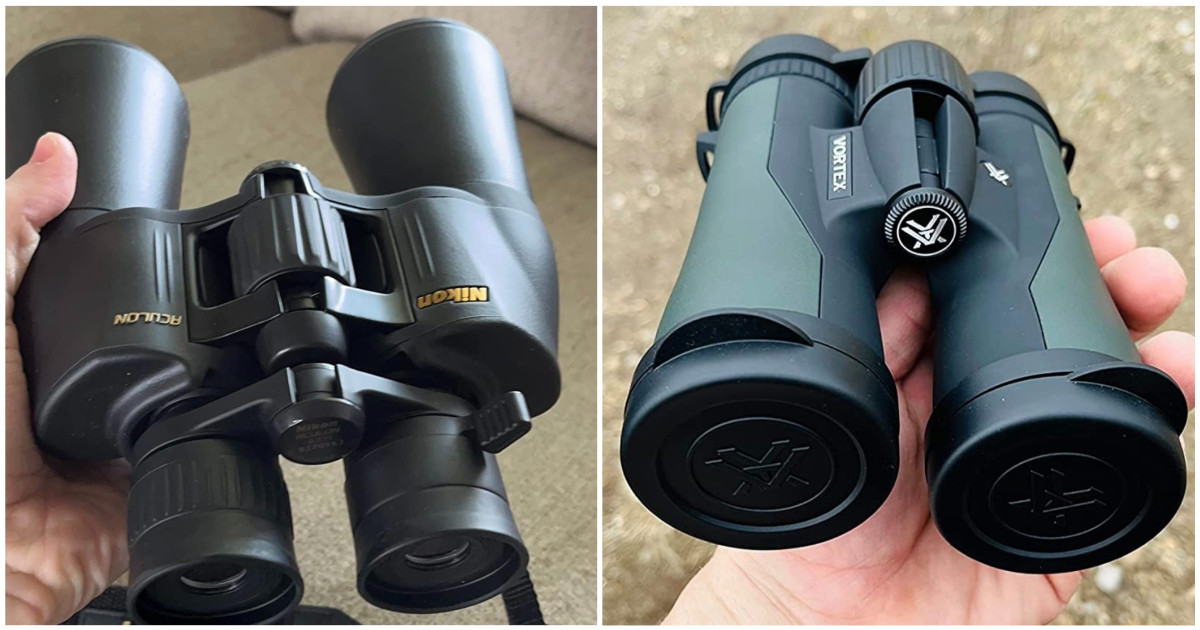
Astronomy Focused: Nikon Aculon A211 16x50 ($100-150). For stargazing, you need high magnification and a large objective lens. The Aculon A211 delivers both at an affordable price. While not ideal for daytime use due to their size and weight, they excel at bringing distant celestial objects into view. They don’t have AI, and you’ll need a tripod for stable viewing.
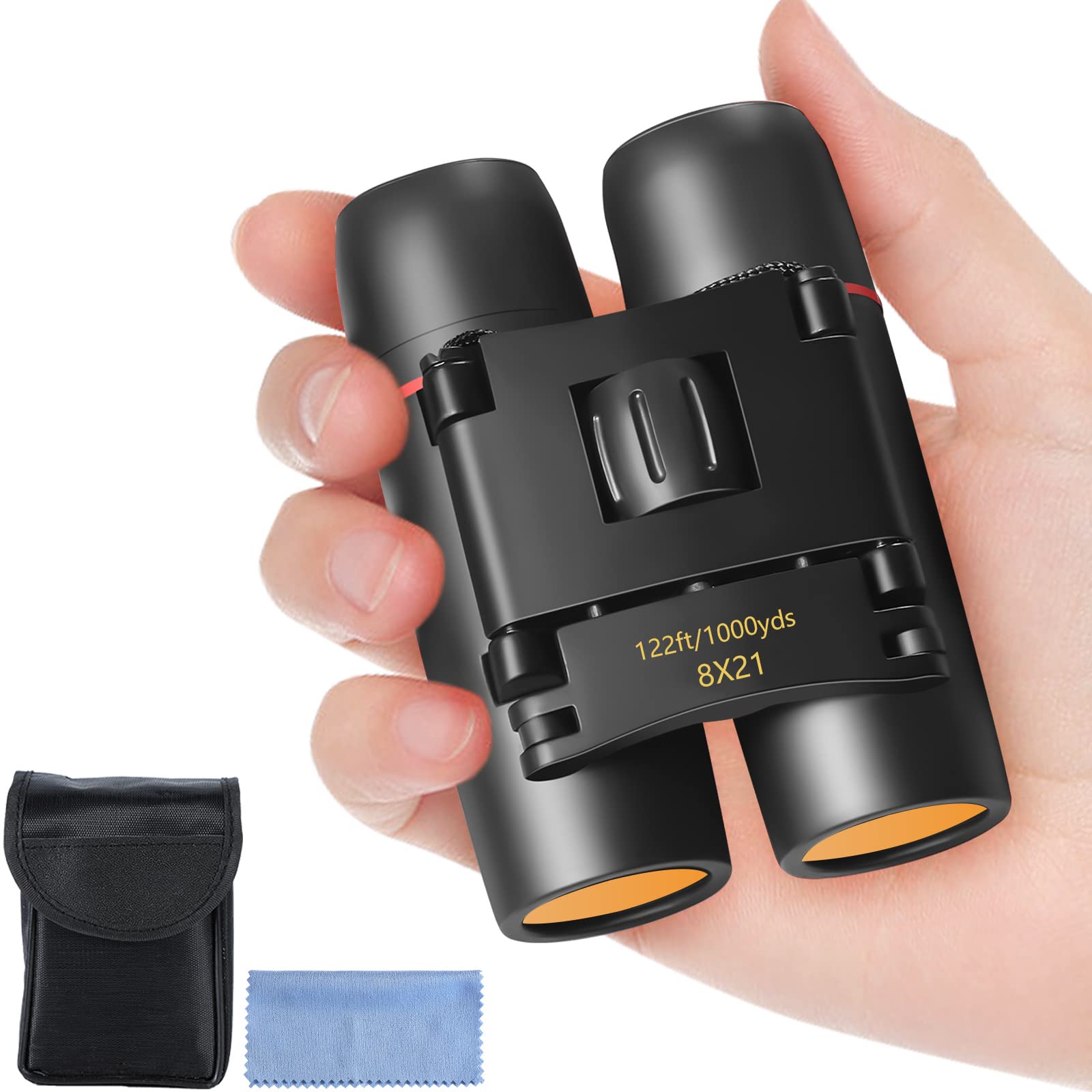
Compact Travel: Bushnell Legend Ultra HD 10x25 ($150-200). If you need binoculars that are lightweight and easy to pack, the Legend Ultra HD is a great option. They offer surprisingly good image quality for their size and are ideal for travel, hiking, or events. Again, no AI here, but they’re a practical choice for on-the-go viewing.
Best Value All-Rounder: Maven C.1 8x42 ($1200-1400). Maven has quickly gained a reputation for exceptional quality at a reasonable price. The C.1 offers a bright, sharp image, excellent build quality, and a comfortable viewing experience. They’re a versatile option for birding, hunting, or general outdoor use. Currently lacking AI integration, but a strong contender.
High-End with Camera: Olympus 8x40 WP II ($800-1000). This model, highlighted by Digital Camera World, integrates a digital camera, allowing you to capture photos and videos directly through the binoculars. Image quality is good for quick documentation, but it doesn't rival a dedicated camera. The convenience factor is high, but be prepared for compromises in optical performance.
Featured Products

8x magnification with 42mm objective lenses · ED glass for enhanced resolution and color fidelity · Waterproof, fogproof, and rubber-armored construction
The Nikon MONARCH M7 offers exceptional clarity and durability, making it a top choice for discerning users who demand superior optical performance in any condition.

10x magnification with 42mm objective lenses · HD optical system for superior image quality · Waterproof, fogproof, and shockproof design
Vortex Diamondback HD binoculars provide outstanding value with their robust construction and high-definition optics, ideal for rugged outdoor adventures.

Full-size binoculars with a matte finish · Waterproof and fogproof construction · Multi-coated lenses for enhanced light transmission
The Bushnell Engage binoculars deliver reliable performance and clear viewing, suitable for a wide range of outdoor activities.

8x magnification with 42mm objective lenses · BaK-4 prisms and fully multi-coated optics · Wide 7.4° field of view
Celestron Nature DX binoculars are an excellent entry-level option, offering bright and clear views perfect for birdwatching and general outdoor observation.

10x magnification with 42mm objective lenses · Daha Prism system for enhanced light gathering · Waterproof and anti-fog design
Olympus 10x42 PRO binoculars are engineered for professional-grade clarity and resilience, providing exceptional detail and performance in challenging conditions.
As an Amazon Associate I earn from qualifying purchases. Prices may vary.
Beyond image stabilization
AI in binoculars is rapidly evolving. It's no longer just about reducing shaky images. Object recognition is the most prominent feature currently, allowing the binoculars to identify birds, animals, or even landmarks. The effectiveness of this depends heavily on the quality of the AI algorithms and the size of the database it's trained on.
Rangefinding is another emerging AI capability. By analyzing the image and using sophisticated algorithms, binoculars can estimate the distance to a target. This is particularly useful for hunters and wildlife observers. Image enhancement features, powered by AI, can automatically adjust brightness, contrast, and color balance to optimize the viewing experience.
Don't expect perfection yet. AI identification still struggles in low light or when a bird is half-hidden by branches. Rangefinding accuracy depends heavily on the terrain. These are tools to help you, not a substitute for knowing your wildlife.
The good news is that AI performance will improve over time through software updates. Manufacturers can refine their algorithms and expand their databases to enhance accuracy and reliability. We can also expect to see new AI-powered features emerge, such as automated tagging of observations and integration with wildlife databases.
Finding value at every price
Setting a realistic budget is essential. You don’t need to spend a fortune to get a good pair of binoculars, but cheaper options often compromise on optical quality and durability. Around $200, you can expect a decent pair of binoculars suitable for general use, but don’t expect exceptional brightness or clarity. These are fine for casual birding or events.
At the $500-$1000 price point, you start to see significant improvements in optical quality, build quality, and features. You’ll get brighter, sharper images and more durable construction. This is a good range for serious birders and hunters. You'll likely be sacrificing AI features at this price point, though.
Above $1000, you’re entering the realm of premium binoculars. These offer the best possible optical performance, build quality, and features. This is where you’ll find models with AI-powered features, ED glass, and advanced coatings. These are ideal for demanding users who want the best possible experience.
Prioritize features based on your needs. If you’re a birder, focus on brightness, clarity, and field of view. If you’re a hunter, prioritize durability, waterproofness, and rangefinding capabilities. Don’t overspend on features you won’t use. A well-chosen $500 pair of binoculars can often outperform a poorly-chosen $1000 pair.
Binoculars with Integrated Cameras - 2026 Comparison
| Model | Image Resolution | Video Resolution | Storage Capacity | Ease of Use (1-5, 5 being easiest) |
|---|---|---|---|---|
| VisioFocus AI 10x42 | 12 Megapixels | 1080p at 30fps | 64GB Internal, Expandable via microSD | 4 |
| Swarovski Digital View 8x32 | 13 Megapixels | 1080p at 60fps | 32GB Internal | 3 |
| Zeiss Victory RF with Camera | 12 Megapixels | 1080p at 30fps | 64GB Internal | 3.5 |
| Steiner eOptics 10x50 | 16 Megapixels | 1440p at 30fps | 128GB Internal, Expandable via microSD | 4.5 |
| Nikon EDG Digital 8x42 | 10 Megapixels | 1080p at 30fps | 32GB Internal | 3 |
Illustrative comparison based on the article research brief. Verify current pricing, limits, and product details in the official docs before relying on it.

No comments yet. Be the first to share your thoughts!