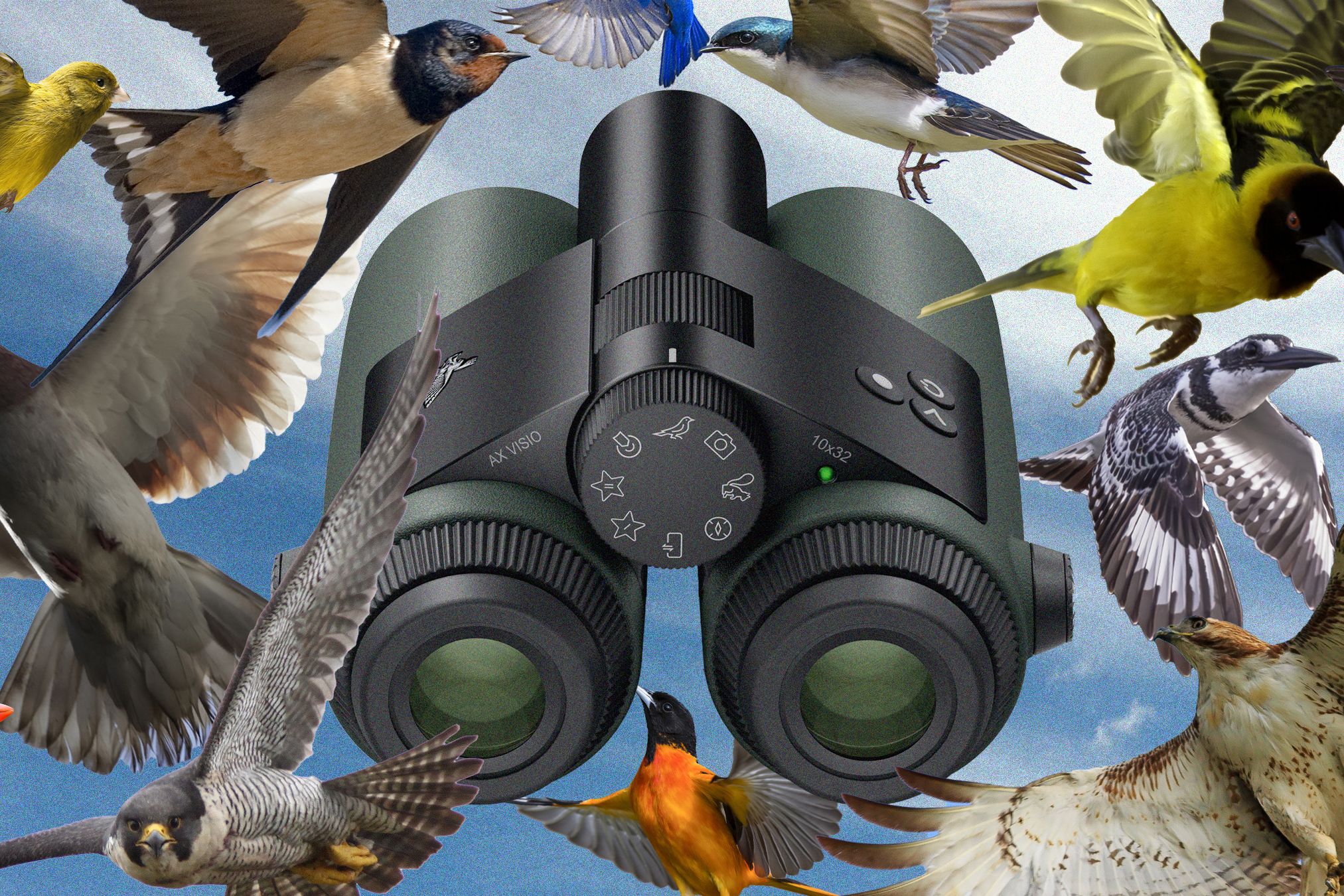

How we picked the best binoculars
We didn't just look at spec sheets. We took these binoculars into the field to see how they handled the real demands of birding. While magnification numbers are easy to read, they don't tell the whole story. A pair of 12x50s might gather more light in dim conditions, but they can be heavy and shaky for all-day use. We focused on what actually matters when you're standing in a blind or hiking a trail: optical clarity, weight, and eye relief.
Optical clarity is the baseline. We looked for sharp edges across the entire field of view, not just in the center. Brightness matters too, especially for early morning or late evening birding. We checked the exit pupil size and field of view to ensure you can spot birds quickly without straining your eyes. A wide field of view helps you track moving targets, which is essential when birds are active.
Weight and balance were critical factors. Birding often involves long hours of holding binoculars up to your eyes. Heavy models cause neck strain and fatigue, making you miss the very birds you're trying to see. We prioritized compact, lightweight designs that still deliver HD performance. Eye relief is another key consideration, especially for those who wear glasses. Longer eye relief ensures a full, comfortable view without pressing your eye sockets against the eyecups.
Our picks are based on this practical approach. We selected models that balance these factors effectively, ensuring you get clear images without the physical toll. This isn't about having the highest magnification; it's about having the best experience in the field.
Best overall binoculars for birding
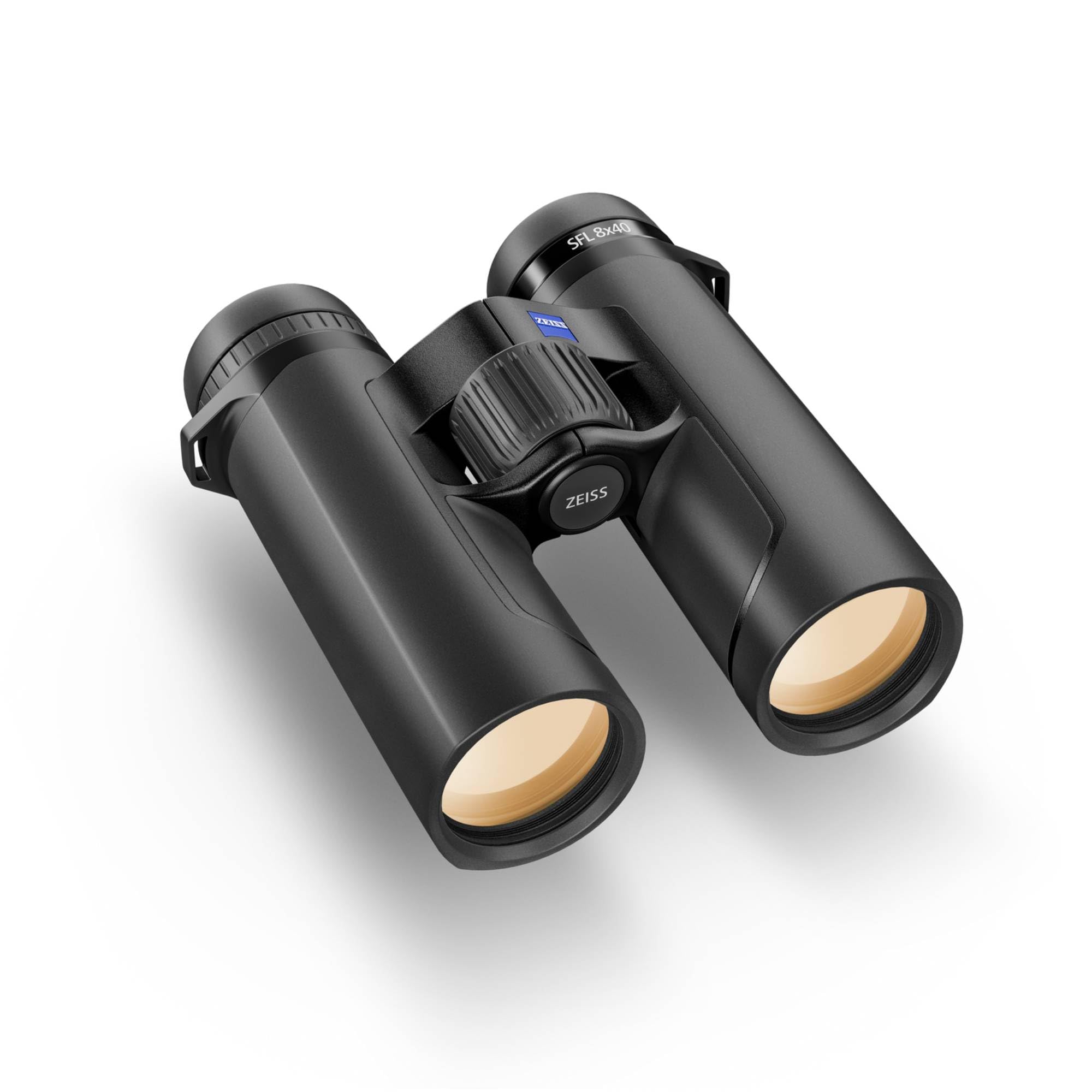
For most birders, the Zeiss SFL 10×40 strikes the ideal balance between optical clarity, durability, and portability. It serves as a reliable workhorse that handles everything from dense woodland trails to open wetlands without weighing you down. The 10× magnification offers enough reach to spot distant warblers while maintaining a wide enough field of view to track fast-moving birds in flight. This setup avoids the fatigue associated with heavier 12x50 models, making it easier to carry during long hikes.
Optical performance is where these binoculars truly shine. The fully multi-coated lenses deliver bright, high-contrast images with accurate color rendition, which is essential for identifying subtle plumage details. The focus mechanism is smooth and precise, allowing you to quickly lock onto a subject even in changing light conditions. Whether you are scanning a forest canopy or watching waterfowl at dawn, the image remains sharp and stable.
The build quality matches the optical standards. The SFL series features a rugged, waterproof construction that withstands rain, humidity, and accidental drops. The ergonomic design fits comfortably in most hands, reducing strain during extended observation sessions. For birders who want a single pair that performs consistently across various environments, this model remains the top recommendation.


As an Amazon Associate, we may earn from qualifying purchases.
Best compact binoculars for hiking
When you are covering miles of trail, every ounce matters. Standard 10x42 binoculars are workhorses, but they can feel like dead weight in a backpack after a few hours. For birders who prioritize distance over bulk, 8x32 or 10x25 models offer a smarter balance. They fit easily in a jacket pocket, reduce neck strain, and still deliver enough magnification to spot warblers in high canopy.
The Nikon Prostaff P7 8x32 is a favorite among hikers for good reason. It keeps the optical clarity of its larger sibling but sheds significant weight, making it easier to swing up quickly when a bird flushes. Users often pair this with the 10x42 version for base camp use, but the 8x32 is the one that actually gets carried on the trail. It strikes a practical middle ground between portability and performance.
For those willing to go even smaller, 10x25 models are ultra-lightweight options. They are ideal for day hikes where you want your hands free and your pack light. While they gather less light than 8x32s, they are perfectly capable in bright daylight conditions typical of most birding outings. The trade-off is a narrower field of view, so you need to be more precise when tracking moving targets.
Best Value Binoculars Under $200
You don't need to spend a fortune to get sharp optics for birding. The Nikon Monarch M7 10x42 stands out as the best value in the sub-$200 category. It offers optical performance that rivals much more expensive models, making it a top pick for beginners and budget-conscious birders alike.
The 10x magnification paired with 42mm objective lenses strikes a practical balance. It provides enough light gathering power for early morning or late afternoon viewing without becoming too heavy to hold steady for long periods. The field of view is wide enough to track moving birds, which is essential when you're scanning tree lines or open fields.
Nikon uses phase-correction coatings on the prisms to deliver bright, high-contrast images with true-to-life colors. This means you can clearly distinguish subtle plumage details without straining your eyes. The build is waterproof and fog-proof, ensuring reliability in damp forests or humid wetlands.
For those who prioritize portability, the 8x42 version is lighter and often feels more natural in the hand. However, the extra reach of the 10x42 is generally preferred for birding, where identifying distant species matters most. If you are looking for a reliable entry point into the hobby, the Monarch M7 is hard to beat.
Birding Binoculars Comparison Table
Choosing the right pair often comes down to balancing magnification, weight, and brightness. The table below breaks down the specs for our top picks, focusing on the metrics that matter most in the field: how light they are to carry all day and how well they perform in low-light conditions.
| Model | Specs | Weight | Best For |
|---|---|---|---|
| Zeiss SFL 10x40 | 10x40 | 22.3 oz | All-around clarity |
| Nikon Monarch M7 10x42 | 10x42 | 23.2 oz | Best value |
| Vortex Viper HD 10x42 | 10x42 | 24.5 oz | HD optics |
| Swarovski EL 10x42 | 10x42 | 25.4 oz | Premium brightness |
Notice how the weights cluster around the 23–25 oz range. This is the sweet spot for birding: heavy enough to hold steady for spotting distant warblers, but light enough that your neck won’t ache after hours in the tree stand. The 10x magnification is standard because it offers a wider field of view than 12x models, making it easier to track moving birds without losing them in the frame.
Binocular specs explained for birders
Those two numbers on the barrel—like 8x42 or 10x50—aren’t just marketing jargon. They are the blueprint for how the binoculars will behave in your hands and eyes. Understanding them helps you choose a pair that matches your specific birding style, whether you’re hiking steep trails or sitting still in a marsh.
The first number is the magnification. It tells you how much closer an object appears. A 10x model brings a distant bird to ten times its normal size, while 8x brings it to eight times. Higher magnification reveals more feather detail, but it also amplifies hand shake. If you have unsteady hands or plan to track fast-moving birds in trees, 8x is often the more stable choice.
The second number is the objective lens diameter in millimeters. This determines how much light enters the optics. Larger lenses, like the 50mm in a 10x50, gather more light, making images brighter in dawn or dusk conditions. However, they also make the binoculars heavier and bulkier. For all-day hiking, a 42mm lens offers a good balance of brightness and portability.
Exit pupil size is the diameter of the light beam that exits the eyepiece and enters your eye. You calculate it by dividing the objective lens number by the magnification (e.g., 42 ÷ 6 = 7mm). A larger exit pupil means a brighter image, which is crucial when your pupils are dilated in low light. If the exit pupil is larger than your own eye’s pupil, you won’t see the extra brightness, so matching this to your age and typical viewing conditions matters.
Field of view (FOV) is how wide an area you can see at a given distance, usually measured in feet at 1,000 yards. A wider FOV makes it easier to locate and track birds, especially small, fast-moving ones in dense foliage. Lower magnification generally provides a wider FOV, so if you prioritize spotting birds over examining fine plumage details, a wider FOV is a significant advantage.
Frequently asked questions about birding binoculars
Choosing the right optics often comes down to a few specific technical trade-offs. Here are the most common questions we get from birders, answered with concrete details.
No comments yet. Be the first to share your thoughts!