
Why compact binoculars work for birding
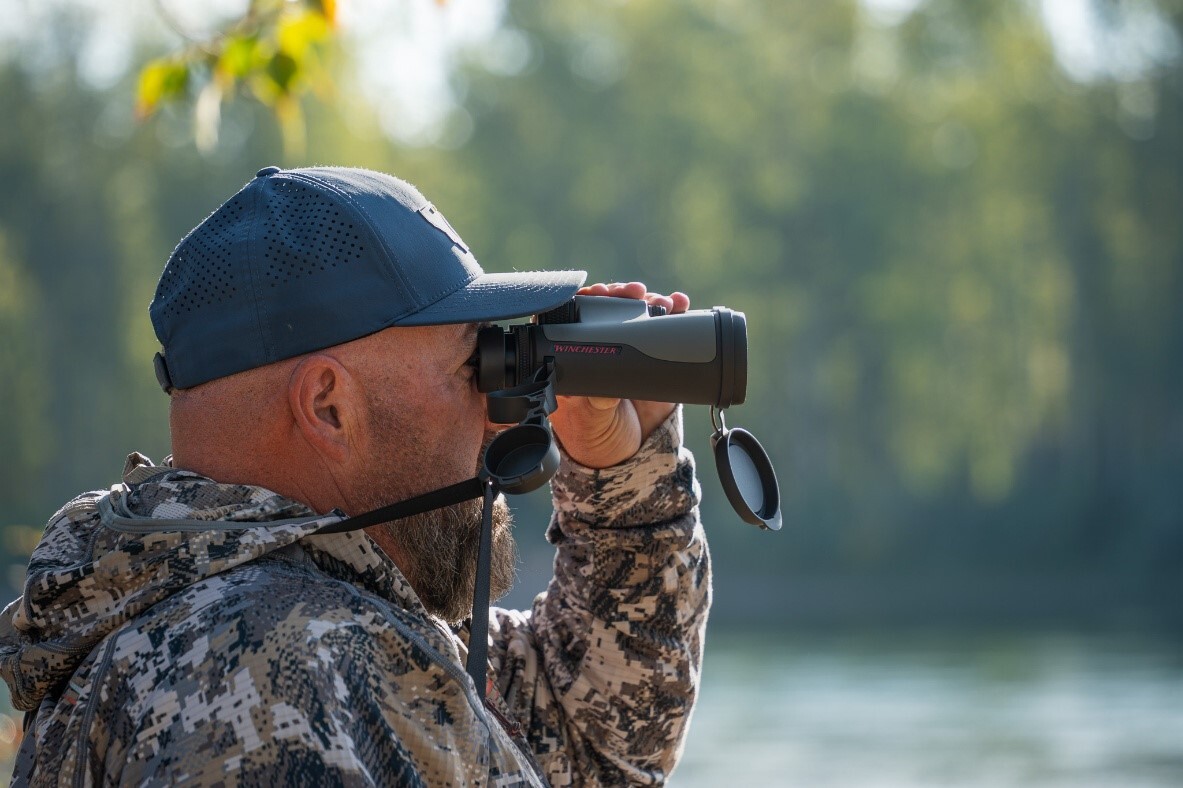
Birding is a sport of patience, but it is also a sport of movement. You are often walking through dense brush, climbing ridges, or standing for hours in a blind. In these scenarios, weight matters. A pair of heavy 10x42 binoculars can become a burden after a few miles, leading to fatigue and less time actually looking for birds. Compact binoculars, typically defined by 25mm or 32mm objective lenses, solve this problem by keeping the gear light enough to carry all day without complaint.
The old argument that small binoculars mean poor image quality is largely outdated. Modern optical coatings and high-quality glass allow compact models to deliver crisp, colorful images that rival their larger counterparts in good daylight conditions. As the Audubon Society notes in their gear guide, the top picks in any category deliver clear imagery, and for many common birds, the difference in resolution between a compact and a full-size pair is negligible.
Portability also encourages you to bring your binoculars everywhere. When your gear fits easily into a jacket pocket or a small side pouch, you are more likely to have them ready when a rare warbler flashes through the canopy. This readiness often leads to better sightings than carrying a heavy, cumbersome pair that you leave behind because it is too much effort to retrieve.
Top compact binoculars for birding
Picking the right pair of compact binoculars for birding comes down to balancing weight with optical performance. You want something light enough to carry all day, but powerful enough to spot details in the canopy. We’ve rounded up models that consistently deliver sharp images and comfortable handling for birders on the move.
Carson ScoutPlus 8x25
The Carson ScoutPlus 8x25 is a budget-friendly option that punches above its weight. With an 8x magnification and 25mm objective lenses, it offers a wide field of view, making it easier to track fast-moving birds. The compact form factor fits easily in a jacket pocket, which is ideal for spontaneous birding trips.
Olympus 10x25 Bushnell H2O
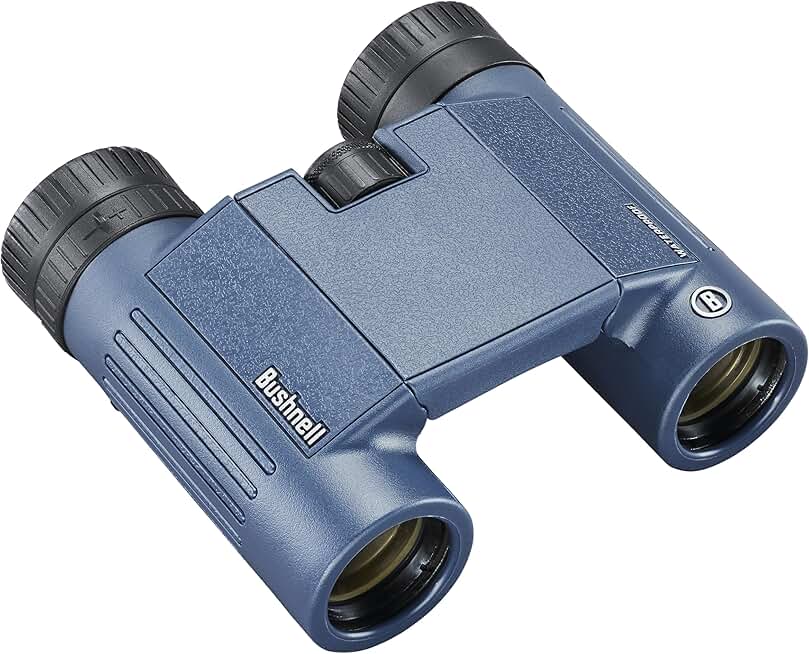
For those who bird near water or in humid environments, the Olympus 10x25 Bushnell H2O is a solid choice. It is waterproof and fog-proof, ensuring clear views even in challenging weather conditions. The 10x magnification provides a good balance between stability and detail, allowing you to see feather patterns without excessive hand shake.
Nikon Monarch 5 8x25
The Nikon Monarch 5 8x25 is known for its bright and sharp optics. Nikon’s phase-coated prisms deliver high contrast images, which is helpful when looking at birds in shadowed areas. The ergonomic design feels comfortable in hand, and the quick-focus eyecups make it easy to adjust for different eyesight needs.
Vortex Viper HD 8x25
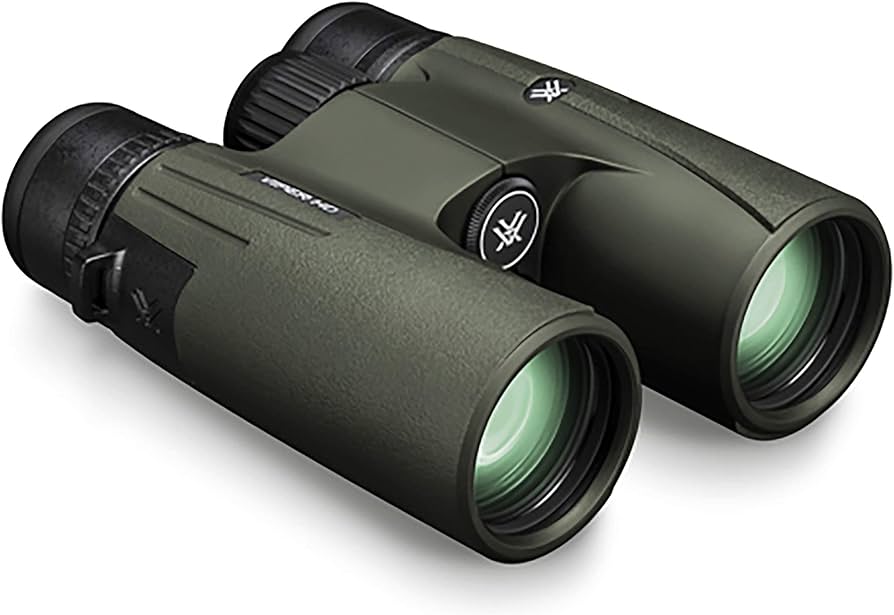
If you want premium optics in a compact package, the Vortex Viper HD 8x25 is worth considering. The HD glass provides exceptional color fidelity and resolution, making it easier to identify subtle field marks. It’s slightly more expensive than other options, but the optical quality justifies the cost for serious birders.


As an Amazon Associate, we may earn from qualifying purchases.
8x vs 10x magnification: finding your stability sweet spot
The first number in binocular specs (the 8 in 8x32 or the 10 in 10x25) tells you how much closer the bird looks. For compact birding binoculars, this choice dictates how steady your hands need to be. Think of magnification like a zoom lens on a camera: more zoom means a tighter frame, but also a shakier image if your hands aren't perfectly still.
Why 8x is the compact standard
Eight times magnification is the most popular choice for compact birding optics. It offers a wider field of view, making it easier to spot and track fast-moving birds in dense foliage. Because the magnification is lower, the image appears brighter and more stable, even when you are holding the binoculars up for long periods. This makes 8x32 models ideal for forest birding, warbler hunting, or any situation where you need to keep your eyes on a moving target without fatigue.
When 10x makes sense
Ten times magnification pulls distant birds closer, which is helpful if you often scan open water, fields, or distant tree lines. However, the trade-off is stability. At 10x, every tiny hand tremor is amplified, making the image bounce around more than at 8x. You will find yourself needing a steadier grip or a tripod for extended viewing. If you primarily bird in open spaces where birds stay far away, 10x25 compact models can be a good compromise between size and reach.
Choosing between 8x and 10x for your birding style
If you value a bright, steady image and a wide view for spotting active birds in trees, stick with 8x. If you spend more time scanning distant horizons and don't mind holding the binoculars more steadily, consider 10x. As the Audubon Society notes, the best choice ultimately comes down to your personal preference and where you spend most of your time birding. Try holding both styles if possible; the one that feels natural in your hands is usually the right one for you.
| Spec | 8x32 Compact | 10x25 Compact |
|---|---|---|
| Magnification | 8x | 10x |
| Field of View | Wider (easier tracking) | Narrower |
| Image Stability | Higher (less shake) | Lower (more shake) |
| Low Light | Brighter | Slightly dimmer |
| Best For | Forest & active birds | Open fields & distant targets |
What to look for in compact optics
Buying binoculars is about balancing three competing needs: weight, brightness, and comfort. You want something light enough to carry all day, bright enough to spot birds in the trees, and comfortable enough that you don’t abandon them after an hour. Here is how to read the specs without getting lost in the weeds.
Eye relief matters for comfort
Eye relief is the distance you can hold the binoculars from your eyes and still see the full circle of vision. If you wear glasses, you need at least 15mm of eye relief. Anything less means you’ll have to squint or take your glasses off, which is a hassle when you’re trying to spot a warbler in the canopy. Look for "long eye relief" in the product description if you wear glasses regularly.
Waterproofing and nitrogen purging
Birding often means walking through damp grass, misty mornings, or sudden rain showers. You need binoculars that are waterproof and fog-proof. This is achieved by sealing the tubes and filling them with nitrogen or argon gas. This prevents internal fogging when the temperature changes rapidly. Without this feature, moisture can get inside the lenses, ruining the image and potentially causing mold. Brands like Vortex and Steiner typically offer robust waterproofing on their compact lines.
Lens coatings for brightness
Not all glass is created equal. Look for "fully multi-coated" lenses. This means every air-to-glass surface has been treated with an anti-reflective coating to maximize light transmission. More light means a brighter, higher-contrast image, which is critical when scanning dark woods or early morning skies. Avoid uncoated or single-coated optics; they will look dim and washed out, making it harder to identify distant birds.
Magnification: 8x vs. 10x
The two most common magnifications for compact birding binoculars are 8x and 10x.
- 8x25/8x32: These are the most versatile. The wider field of view makes it easier to track moving birds, and the lower magnification reduces hand shake, giving a steadier image. They are generally the best choice for general birding in varied terrain.
- 10x25/10x32: These offer more zoom, which is great for distant waterfowl or raptors. However, the narrower field of view makes it harder to find birds, and hand shake is more noticeable. You’ll need a steady hand or a tripod for extended use.
For most birders, an 8x configuration offers the best balance of portability and performance. If you primarily scan open areas or water, 10x might be worth the extra weight and shake.
Frequently asked questions about compact binoculars
What is better, 8x25 or 10x25 for birding?
For most birders, the 8x25 offers a wider field of view and a brighter, more stable image, which is crucial for tracking fast-moving birds in trees. The 10x25 provides more magnification for distant subjects but suffers from a narrower field of view and increased hand shake, making it harder to locate birds quickly. If you prioritize ease of use and stability, choose 8x; if you need extra reach for open landscapes, choose 10x.
Can you use compact binoculars with astigmatism?
If you have astigmatism, you will likely need to wear your prescription glasses while using binoculars. Unlike nearsightedness or farsightedness, which can often be corrected by adjusting the binoculars' diopter, astigmatism requires the correction to be present before the light enters the eyepiece. Choosing a pair with long eye relief—typically 15mm or more—will make wearing glasses more comfortable and help you see the full field of view.
Why are compact binoculars often 8x25 or 8x32 instead of 10x42?
The 8x25 and 8x32 configurations are standard for compact birding because they provide a wide field of view and a bright image in low light while remaining lightweight. The 10x42 size, while offering more zoom, is significantly heavier and bulkier, contradicting the "compact" category's primary benefit of portability. Additionally, 10x magnification amplifies hand shake, making handheld viewing difficult without a tripod, whereas 8x is much more forgiving for handheld use.
No comments yet. Be the first to share your thoughts!