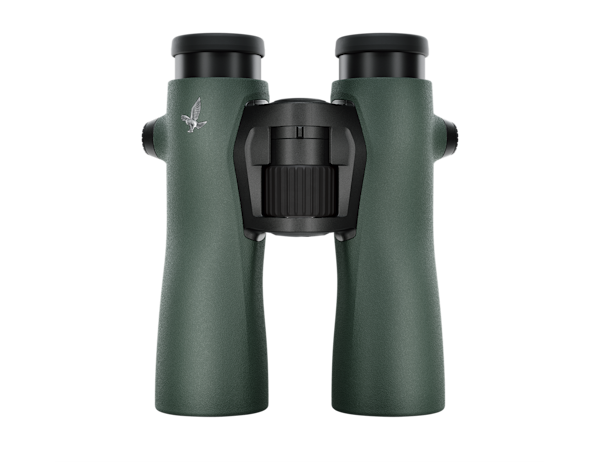

How we picked the best binoculars
Finding the best binoculars requires looking past the loudest marketing claims. We tested 16 of the best-selling models from top brands like Vortex, Nikon, Leica, and Swarovski to determine which pairs actually deliver on their promises. Our goal was to identify tools that perform reliably in the field, not just on a spec sheet.
Our evaluation process focused on three core pillars. First, optical clarity determines how sharp and color-accurate the view is across the entire lens. Second, we assessed durability and weather resistance, ensuring the binoculars can withstand rain, dust, and accidental drops. Finally, we measured weight and balance, because a pair of binoculars that feels like a burden will eventually stay in your bag.
We used these binoculars for birding, hunting, and astronomy to see how they handled different lighting conditions and distances. The recommendations below reflect real-world performance, helping you choose a pair that matches your specific needs without unnecessary bulk or cost.
Best overall binoculars for most users
When you need a single pair of optics that handles everything from early morning birding to evening astronomy, the Zeiss SFL 10×40 stands out as the best binoculars for general use. It strikes a rare balance between optical excellence and manageable weight, making it the go-to choice for hikers and casual observers who refuse to compromise on clarity.
The SFL series utilizes Schott FPL-53 extra-low dispersion glass to eliminate chromatic aberration, meaning you see sharp, true-color images even at high magnification. The 10x power offers enough reach to identify distant game or stars, while the 40mm objective lens gathers sufficient light for twilight conditions without the bulk of larger 50mm models. For most users, this configuration provides the sweet spot between detail and portability.
While premium brands like Swarovski offer comparable glass, the Zeiss SFL often delivers similar performance at a more accessible price point, especially when considering long-term durability and warranty support. It is a tool built for daily carry rather than occasional display. If you are looking for a reliable all-rounder that performs well across different environments, this model remains a top contender in the current market.


As an Amazon Associate, we may earn from qualifying purchases.
Best binoculars for birding and wildlife
Birding demands a specific set of optical traits that differ from hunting or astronomy. You need a balance of lightweight portability for long hikes, bright low-light performance for dawn and dusk activity, and comfortable eyecups for extended observation sessions. The best binoculars for this purpose typically fall into the compact or mid-size categories, offering magnifications between 8x and 10x with objective lenses of 32mm to 42mm.
Weight is often the deciding factor. A pair that feels heavy after an hour in the field will discourage use. Look for models with rubber-armored bodies that provide grip and shock resistance without adding unnecessary bulk. Eye relief is equally important; if you wear glasses, you need at least 15mm of eye relief to see the full field of view without straining your neck.
Optical quality should prioritize color fidelity and edge-to-edge sharpness. Birds are often identified by subtle plumage details, so lenses with high-transmission coatings and low-dispersion glass make a significant difference. While premium options exist, many mid-range models now deliver apochromatic performance that rivals older flagship designs.
| Model | Weight (oz) | Magnification | Eye Relief (mm) |
|---|---|---|---|
| Vortex Razor HD 8x42 | 20.1 | 8x | 20 |
| Swarovski EL 10x42 | 22.0 | 10x | 18 |
| Nikon Monarch M5 8x42 | 21.6 | 8x | 19 |
For those prioritizing value and versatility, the Vortex Razor HD series offers exceptional optical clarity at a competitive price point. It is significantly smaller and lighter than previous generations, making it a favorite among serious birders who hike frequently. The Nikon Monarch M5 provides a robust alternative with excellent durability and a wide field of view, ideal for tracking fast-moving species.


As an Amazon Associate, we may earn from qualifying purchases.
Best hunting binoculars for low light
Hunting often happens in the thin blue light of dawn or the fading gray of dusk. In these conditions, standard optics can struggle, turning game into silhouettes. The best binoculars for hunting in low light prioritize large objective lenses and high-quality coatings to gather every available photon.
Look for models with 42mm or 50mm objective lenses. A 10x42 configuration is the industry standard for a reason: it balances magnification with light intake. The larger front lenses allow more light to reach your eyes, making it easier to spot movement in dense timber or shadowed valleys. While heavier, the trade-off is worth it for those early morning stalks.
Durability is equally critical. You need gear that survives rain, mud, and accidental drops. Waterproof and fog-proof construction ensures internal lenses stay clear regardless of temperature swings. Nitrogen purging prevents internal fogging, which can be disastrous when you finally spot your target.
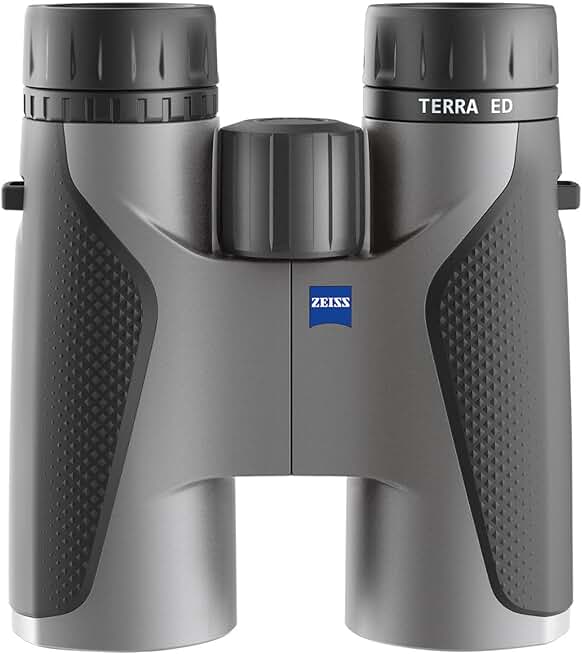
The Nikon Monarch M7 10×42 stands out for its exceptional value and brightness. It offers sharp, high-contrast images that perform well in dim light without breaking the bank. For those willing to invest more, the Zeiss SFL 10×40 provides premium glass clarity that helps distinguish details at longer distances.

As an Amazon Associate, we may earn from qualifying purchases.
Best compact and budget binoculars
For travelers and budget-conscious buyers, the best binoculars often sacrifice some flagship performance for portability or value. You don't need the heaviest optics to see clearly; you just need the right balance of magnification and lens size for your specific activity.
Compact 10x25 models are ideal for backpacking or casual birding where weight matters. They fold into a pocket but still deliver sharp images in good light. If you prefer a larger field of view for scanning skies or forests, budget 10x42 options offer better light gathering without the bulk of premium hunting optics.
The ScoopX UHD 10x42 is frequently cited in birding communities for offering performance that rivals more expensive brands like Nikon or Athlon at a fraction of the cost. It's a strong choice if you want full-size optics without the full-size price tag.


As an Amazon Associate, we may earn from qualifying purchases.
Understanding binocular specs
Choosing the best binoculars starts with decoding the numbers stamped on the barrels. Those digits—like 8x42 or 10x50—are not just marketing fluff; they dictate how the optics perform in real-world conditions. Understanding these four core specifications helps you match the tool to your specific activity, whether you are tracking fast-moving birds or scanning distant horizons.
Magnification and Objective Lens The first pair of numbers tells you the power and light-gathering ability. The first number is magnification (e.g., 8x), meaning objects appear eight times closer. The second is the objective lens diameter in millimeters (e.g., 42mm), which determines how much light enters the scope. Higher magnification brings subjects closer but narrows the field of view and amplifies hand shake. Lower magnification offers a steadier image and wider perspective, which is generally preferred for birding.
Field of View and Eye Relief Field of view (FOV) measures the width of the scene you can see at a distance, usually expressed in feet at 1,000 yards. A wider FOV makes it easier to locate and track moving wildlife. Eye relief is the distance from the eyepiece to your eye where the full image remains visible. This is critical for glasses wearers; look for at least 15mm of eye relief to see the entire circle of view without straining your neck or losing the edges of the image.
Common questions about binoculars
Choosing the right optics often comes down to matching magnification to your activity. For birding, 8x42 binoculars are the standard sweet spot, offering a steady view without the shake of higher power. Hunters who need to track moving game in low light often prefer 10x42 models, while astronomy enthusiasts may opt for 10x50s to gather more light.
Waterproofing is a practical necessity rather than a luxury. Nitrogen-purged, fog-proof models prevent internal condensation when moving between temperature extremes, ensuring clear optics during rain or sudden weather shifts. This durability is essential for the best binoculars used in field conditions.
Maintenance is straightforward but critical. Always use a microfiber cloth and specialized lens cleaner; never use shirt tails or paper towels, which can scratch coatings. Store them in a dry case with silica gel packets to prevent fungal growth inside the lenses, preserving clarity for years.
No comments yet. Be the first to share your thoughts!