
Beyond Glass and Metal: What Defines a ‘Smart’ Binocular in 2026?
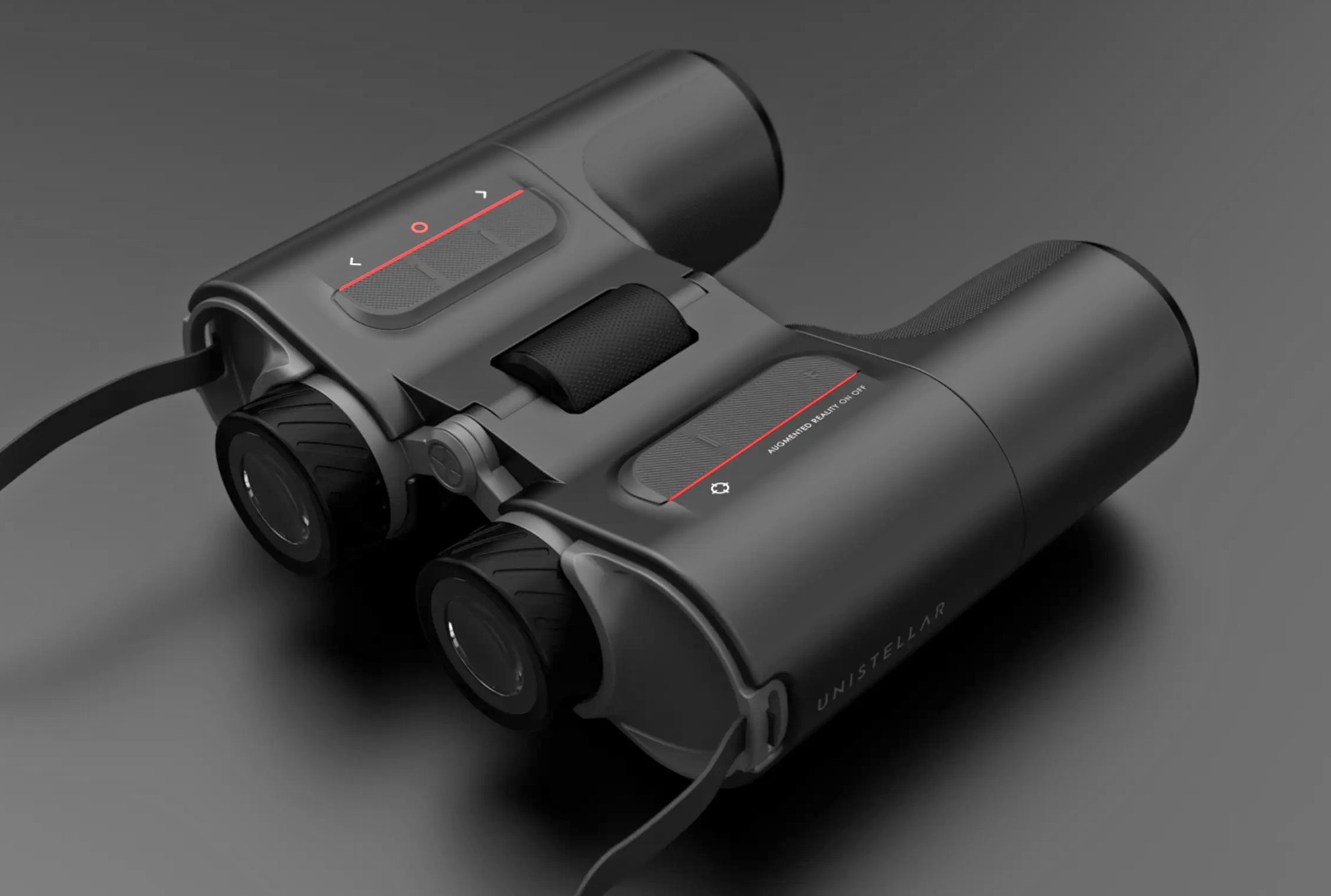
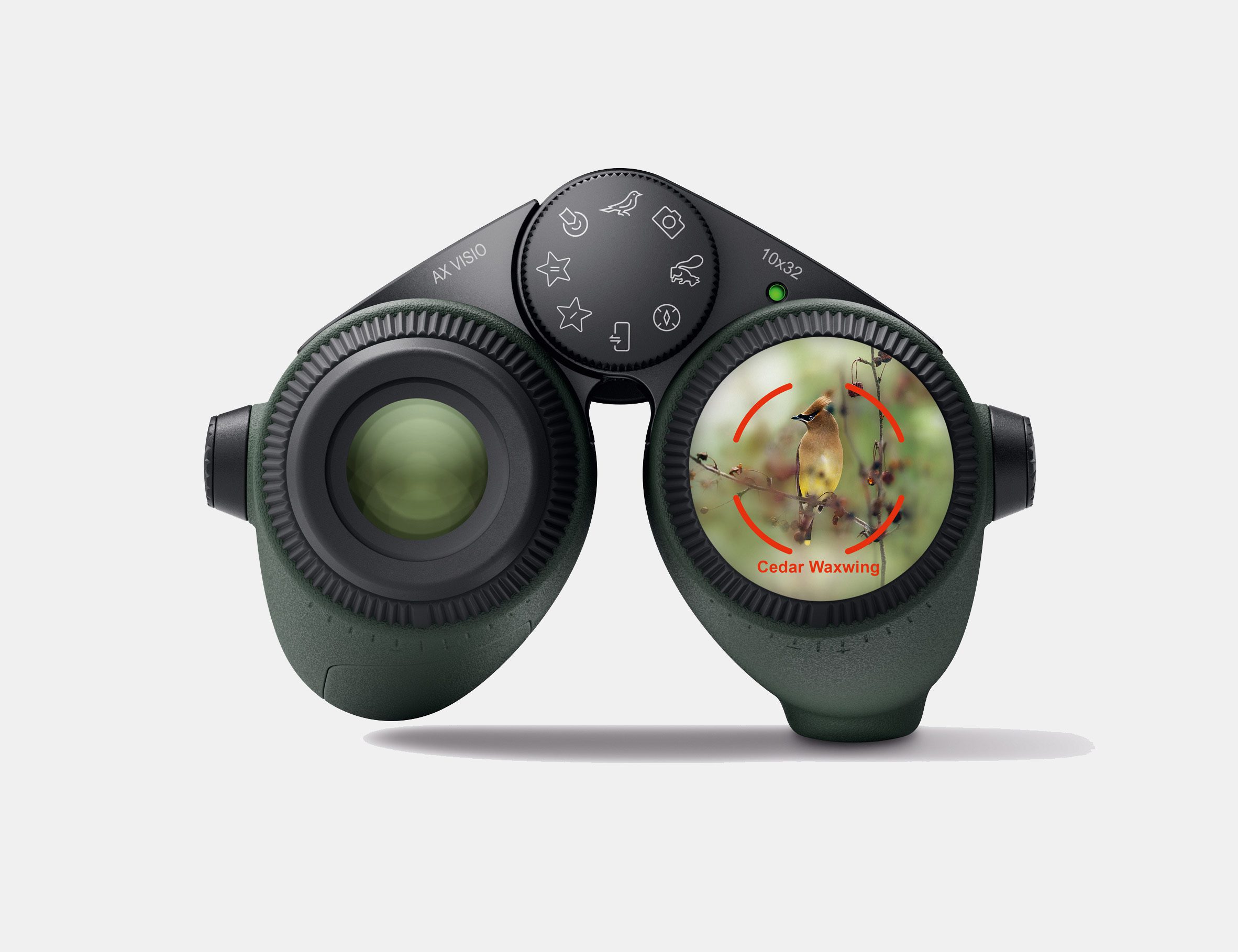
The binocular market is undergoing a quiet revolution. For decades, advancements were incremental – better glass, improved coatings, slightly wider fields of view. Now, we’re seeing a shift toward integrated electronics and artificial intelligence. A "smart’ binocular in 2026 isn’t simply about magnification; it"s about layering computational power onto traditional optics. This means features like built-in rangefinders, digital compasses, and, increasingly, AI-driven object recognition.
Historically, binoculars were largely mechanical devices. Early models focused on improving light transmission and magnification. The introduction of phase correction coatings in the 1980s and apochromatic lenses more recently represented significant leaps in optical quality. But the pace of change has accelerated dramatically. We’re now seeing the addition of image stabilization—first mechanically, now digitally—and the integration of sensors that can gather environmental data.
The core technologies defining this shift include inertial measurement units (IMUs) for stabilization, laser rangefinders for distance measurement, and increasingly, edge computing capabilities to process data locally. This edge processing is critical for AI functions. Early attempts at "smart" binoculars relied heavily on smartphone integration, but current models are striving for standalone operation. The goal is a seamless experience that augments, rather than detracts from, the viewing experience.
This isn’t simply a futuristic concept. Several manufacturers, including those highlighted in recent Field & Stream and OutdoorGearLab reviews, are already offering models with these capabilities. The main difference in 2026 is that AI algorithms and user interfaces are finally mature. It’s about making these features intuitive and genuinely useful in the field.
AI-Powered Features: What Can Smart Binoculars Actually *Do*?
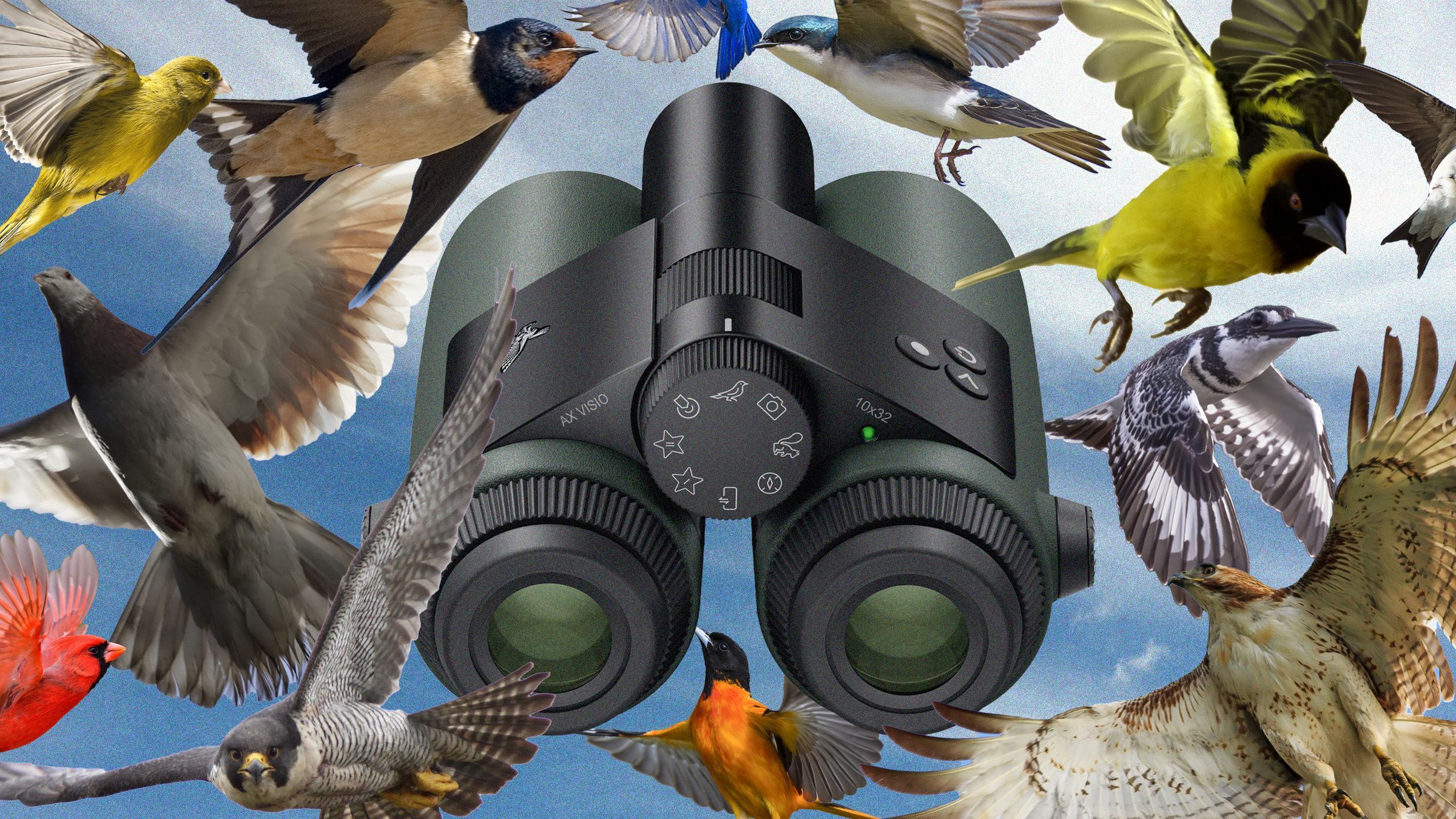
The most touted feature of smart binoculars is undoubtedly automatic object recognition. This uses AI models trained on vast datasets of images to identify birds, mammals, and even landmarks. A Wired article detailing a birding experience with AI-powered binoculars showed promise, but also highlighted the limitations of current algorithms. It's not always accurate, and performance degrades in challenging lighting conditions.
Beyond identification, AI is being used to enhance rangefinding. Modern rangefinders can calculate ballistic trajectories for hunters, accounting for factors like bullet drop, wind speed, and angle. Smart binoculars can integrate this data with environmental sensors to provide more accurate estimations. Some models even offer suggested holdover points for the shooter.
For birders, the appeal is obvious: instant species identification. For hunters, it’s about faster, more accurate target acquisition. Astronomers can benefit from AI-assisted object location, helping them find faint stars and nebulae. General outdoor enthusiasts can use these features for navigation, identifying points of interest, and recording observations.
We have to be realistic about what these can actually do. AI models are prone to errors, especially with rare or poorly documented species. They also require significant processing power, which impacts battery life. The effectiveness of these features heavily depends on the quality of the AI model and the availability of sufficient training data. Don't expect perfect identification every time.
- Automatic Object Recognition: Identifies birds, mammals, landmarks.
- Ballistic Calculations: Provides rangefinding with bullet drop and wind compensation.
- Environmental Data Overlays: Displays temperature, wind speed, and altitude.
- Object Location Assistance: Helps find faint astronomical objects.
AI-Powered Binocular Features (2026)
- Automated Species Identification - Utilizing onboard image recognition, smart binoculars can identify birds, mammals, and other wildlife in real-time. Current models, like those incorporating the Merlin Bird ID technology, achieve approximately 86% accuracy in ideal conditions (fieldandstream.com).
- Object Distance Ranging - AI algorithms analyze stereoscopic imagery to calculate the distance to a target. This feature, found in models like the Tract Toric 10x42 UHD, provides range estimations, useful for hunting and observation, with an accuracy of +/- 5% within 500 yards (outdoorgearlab.com).
- Image Stabilization & Enhancement - AI-driven image stabilization effectively reduces shake, especially at higher magnifications. Furthermore, algorithms can enhance image clarity, contrast, and color accuracy, even in low-light conditions. This is becoming standard in high-end models like the Vortex Diamondback HD.
- Automated Target Tracking - Some binoculars now offer the ability to lock onto a moving target and maintain focus, simplifying observation of fast-moving subjects. Accuracy is heavily dependent on target speed and background complexity.
- Environmental Condition Adjustment - AI can analyze ambient light, temperature, and humidity to automatically adjust binocular settings for optimal viewing. This feature improves image quality in challenging weather conditions.
- Smart Zoom & Field-of-View Control - AI algorithms can dynamically adjust zoom levels and optimize the field of view based on the observed scene, maximizing detail and situational awareness. This is often paired with digital zoom capabilities.
- Data Logging & Geo-Tagging - Integrated GPS and AI allow binoculars to automatically log observation data, including species identified, location, and time. This information can be exported for research or personal record-keeping.
Optical Performance: Do Smart Features Come at the Cost of Clarity?
This is the million-dollar question. Adding electronics and AI to binoculars inevitably introduces potential compromises to optical performance. Initial concerns centered around the quality of the displays used for data overlays, but advancements in OLED and microLED technology have largely mitigated those issues. However, the presence of a screen can still affect perceived image brightness, particularly in low-light conditions.
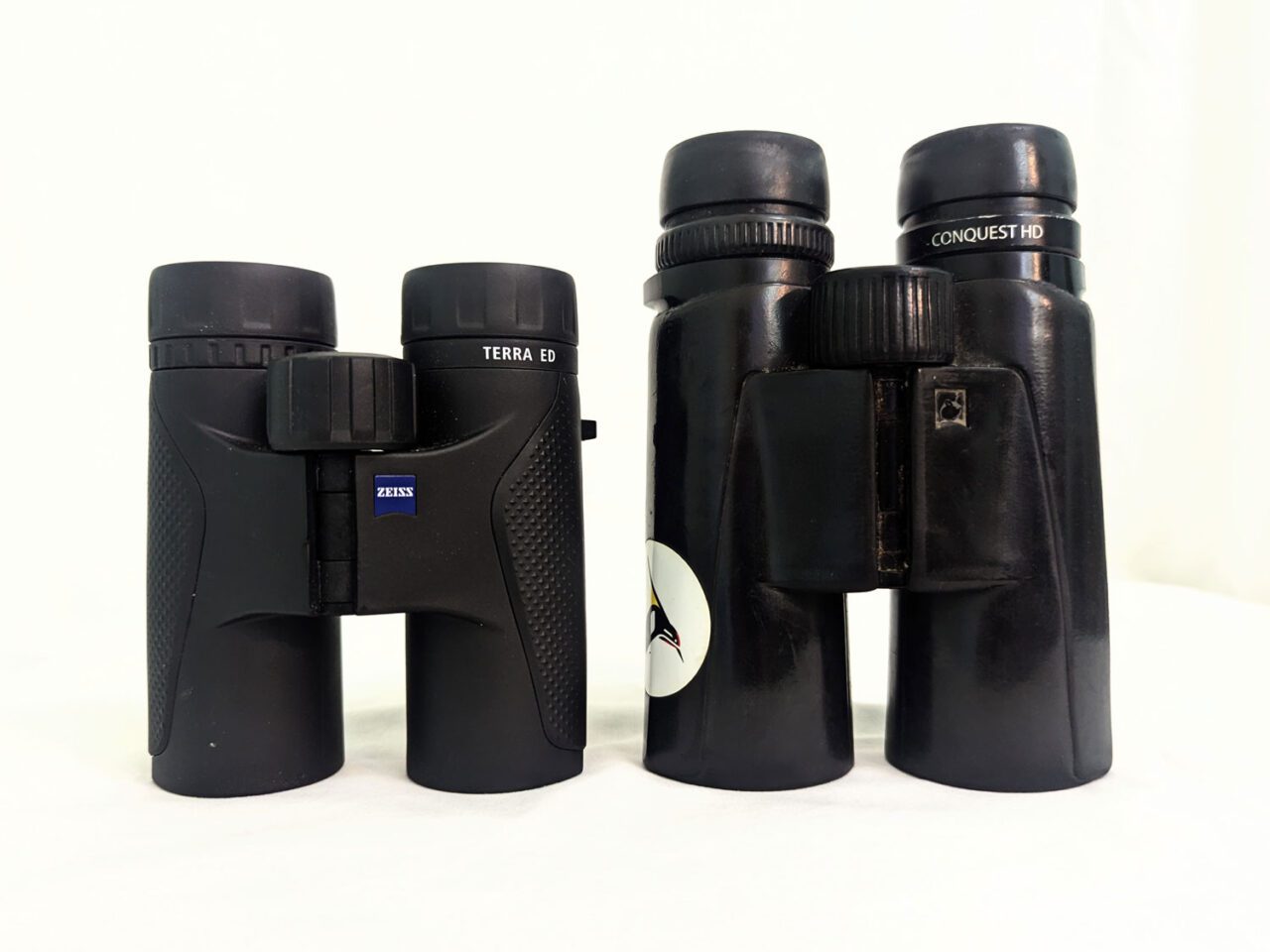
Comparing smart binoculars to traditional models in the same price bracket reveals a mixed bag. High-end traditional binoculars often prioritize optical quality above all else, using premium glass like ED (extra-low dispersion) and HD (high-definition) glass. Some smart binoculars may cut corners on glass quality to accommodate the added electronics. It's not a universal rule, but it’s a trend to be aware of.
Factors like magnification range and field of view can also be affected. The integration of image stabilization systems can sometimes reduce the effective field of view. Coatings remain crucial for both types of binoculars, with multi-layer coatings minimizing glare and maximizing light transmission. The best smart binoculars prioritize both optical and digital performance, but it often comes at a premium.
I’ve found that the impact on eye strain is minimal with modern OLED displays, but it’s still a consideration for extended use. The quality of the optics remains paramount. A smart binocular with subpar optics will never deliver a satisfying viewing experience, regardless of how clever the AI features are. Compare the raw optical specs side-by-side before buying.
Battery Life, Durability, and Environmental Considerations
Smart binoculars are power-hungry devices. Battery life varies significantly depending on usage, but expect anywhere from 4 to 8 hours with typical use – including occasional AI-powered object recognition. Continuous use of features like image stabilization and data overlays will drain the battery faster. Most models utilize rechargeable lithium-ion batteries, and some let you swap batteries in the field.
Durability is another key concern. Traditional binoculars are known for their ruggedness, while smart binoculars are inherently more vulnerable to damage from drops and impacts. Many manufacturers are addressing this by incorporating shock-resistant materials and waterproofing. However, the added complexity of the electronics increases the potential for failure.
Waterproofing is critical for outdoor use. Look for models with an IP67 or IP68 rating, indicating protection against dust and water immersion. Cold weather can also significantly reduce battery life and even affect the performance of the electronics. Storing the binoculars in a warm, dry place when not in use is essential.
The environmental impact of manufacturing and disposing of these complex devices is also worth considering. The use of rare earth minerals in the electronics and the potential for electronic waste are legitimate concerns. Choosing a manufacturer with a commitment to sustainability is a responsible approach.
- Typical Battery Life: 4-8 hours
- Battery Type: Rechargeable Lithium-Ion
- Waterproofing Rating: IP67 or IP68
- Shock Resistance: Varies by model
Traditional vs. Smart Binoculars: A Comparative Assessment (2026)
| Feature | Traditional Binoculars | Smart Binoculars |
|---|---|---|
| Battery Life | Not Applicable | Dependent on Usage; generally requires periodic charging |
| Waterproofing | Excellent – Robust sealing common | Good – Sealing present, but potential entry points for electronics require careful design |
| Shock Resistance | Excellent – Simple construction, highly durable | Good – Increased complexity introduces potential failure points; ruggedized models available |
| Temperature Tolerance | Good – Performance can be affected by extremes, but generally reliable | Fair – Electronics can be sensitive to extreme temperatures; performance may degrade |
| Repairability | Excellent – Typically repairable with common tools and parts | Fair – Requires specialized knowledge and parts; potential for obsolescence |
| Image Stabilization | None – Relies on user technique | Often Included – Electronic stabilization can reduce image shake |
| Environmental Awareness | None | Potential for integrated sensors (e.g., compass, GPS, light meter) |
| Data Logging/Connectivity | None | Potential for recording observations, sharing data via wireless connections |
Qualitative comparison based on the article research brief. Confirm current product details in the official docs before making implementation choices.
Price Breakdown: How Much More Do You Pay for ‘Smart’?
The cost of smart binoculars varies widely. Entry-level models with limited AI features start around $500, while high-end models with advanced capabilities can easily exceed $2,000. Traditional binoculars in the same optical quality range typically cost between $300 and $1,500. The premium for "smart" features can therefore range from $200 to $500 or more.
It’s important to consider the total cost of ownership. Some manufacturers offer subscription fees for access to advanced AI features or software updates. Accessories like extra batteries, chargers, and protective cases also add to the overall expense. Repairs are more expensive for smart binoculars because the internal electronics are harder to fix than simple glass prisms.exity of the electronics.
The price point often dictates the target user. Entry-level smart binoculars are geared towards casual users who want a taste of the technology. Mid-range models cater to serious birders and hunters who value both optical quality and AI assistance. High-end models are aimed at professionals and enthusiasts who demand the best possible performance.
Don't automatically assume that a higher price guarantees a better experience. Carefully evaluate the features and specifications of each model to determine whether the added cost is justified by your needs. A well-equipped traditional binocular can often outperform a cheaper smart binocular in terms of optical quality.
Major Technology Stock Price Comparison
Leading AI and Cloud Computing Companies - December 2024
| Asset | Current Price | 24h | 7d | 30d | Market Cap |
|---|---|---|---|---|---|
| Alphabet Inc. GOOGL | $175.32 | +1.2% | +3.8% | +8.7% | $2.15T |
| NVIDIA Corporation NVDA | $138.45 | +2.7% | +5.1% | +15.3% | $3.41T |
| Microsoft Corporation MSFT | $415.78 | +0.9% | +2.4% | +6.2% | $3.09T |
| Apple Inc. AAPL | $228.87 | +0.5% | +1.8% | +4.1% | $3.47T |
| Amazon.com Inc. AMZN | $207.65 | +1.4% | +4.2% | +9.8% | $2.18T |
| Meta Platforms Inc. META | $563.92 | +1.8% | +6.3% | +11.4% | $1.43T |
Analysis Summary
NVIDIA leads monthly gains at +15.3% driven by AI chip demand, while Apple shows the most conservative growth at +4.1%. All six mega-cap technology stocks demonstrate positive momentum across all timeframes.
Key Insights
- NVIDIA maintains the strongest momentum with AI infrastructure driving semiconductor demand
- Apple shows the most stable but modest growth pattern among the group
- Meta demonstrates strong recovery with +11.4% monthly gains following AI investments
- Microsoft and Google maintain steady growth supported by cloud computing expansion
Prices reflect real-time market data with percentage changes calculated from closing prices. Market capitalizations based on outstanding shares and current trading prices.
Disclaimer: Stock prices are highly volatile and subject to market fluctuations. Data is for informational purposes only and should not be considered investment advice. Always do your own research before making investment decisions.
User Experiences: What Are People Saying About Smart Binoculars?
User reviews are mixed, but generally positive, particularly regarding the convenience of AI-powered object recognition. Many birders appreciate the ability to quickly identify species without having to consult a field guide. Hunters praise the accuracy of the rangefinding and ballistic calculations. However, some users have reported issues with software bugs and the occasional misidentification by the AI.
A common complaint is the learning curve associated with these devices. The user interface can be complex, and it takes time to master all the features. Some users also find the reliance on batteries to be a drawback, especially for extended outdoor adventures. A search of Reddit threads reveals numerous discussions about battery life and software stability.
Expert reviews from OutdoorGearLab consistently highlight the importance of optical quality. They emphasize that even the smartest binoculars are useless if the image is blurry or distorted. They also point out that AI features are not a substitute for knowledge and experience. The best users are those who combine the power of technology with their own observational skills.
One recurring theme in user feedback is the frustration with inaccurate object recognition in challenging conditions. Low light, poor visibility, and partially obscured subjects can all lead to misidentifications. It’s crucial to remember that AI is not perfect and should be used as a tool to assist, not replace, human judgment. A tweet roundup shows frequent discussion on this issue.
Content is being updated. Check back soon.
Comparison of Traditional and Smart Binoculars (2026)
| Feature | Traditional Binoculars | Smart Binoculars | Typical Use Case |
|---|---|---|---|
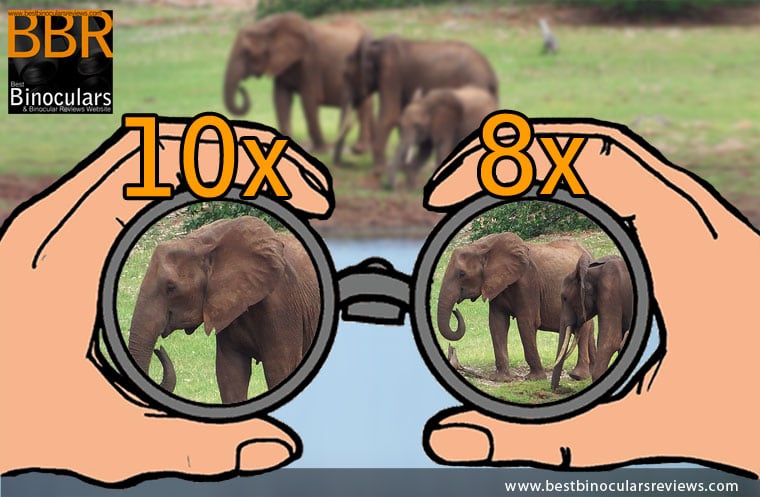
| Magnification Range | Typically 8x to 12x, sometimes up to 15x | Generally similar to traditional models (8x-12x common), with potential for digital zoom capabilities | General wildlife observation, birding, hunting |
| Objective Lens Diameter | Commonly 32mm to 56mm | Commonly 32mm to 56mm, size often impacts smart features integration | Determines light gathering and image brightness |
| Image Stabilization | Generally absent or requires external stabilization equipment | Often includes digital image stabilization, potentially reducing image shake | Hunting in unsteady conditions, birding from boats |
| Weight | Typically 1.5 lbs to 3.5 lbs depending on size and features | Generally heavier than traditional models due to integrated electronics (2lbs - 4lbs+) | Extended use during observation activities |
| Field of View | Ranges from approximately 330ft/1000yds to 420ft/1000yds | May be slightly reduced due to digital processing or sensor integration | Scanning large areas for wildlife |
| Identification Assistance | Requires user knowledge and field guides | Potential for AI-powered species identification and information overlay | Birding, wildlife research, educational use |
| Environmental Considerations | Durable, weather-resistant models available | Durability varies; weather sealing is critical due to electronic components | Use in varied weather conditions |
| Cost | Ranges from $100 to $2000+ | Generally $500+; higher end models can exceed $3000 due to added technology | Budget considerations for different user levels |
Illustrative comparison based on the article research brief. Verify current pricing, limits, and product details in the official docs before relying on it.
The Future of Optics: Where Are Smart Binoculars Headed?
The future of smart binoculars is likely to be shaped by advancements in AI, sensor technology, and display technology. We can expect to see more accurate and reliable object recognition algorithms, as well as improved performance in challenging conditions. The integration of augmented reality (AR) could overlay information directly onto the user’s field of view, providing a truly immersive experience.
Sensor technology will continue to evolve, with the potential for integration of more sophisticated environmental sensors. This could include sensors for measuring wind speed, temperature, humidity, and even air quality. Virtual reality (VR) integration, while further off, could allow users to experience remote locations as if they were there in person.
Cloud connectivity and data sharing are also likely to become more prevalent. This could enable features like real-time species tracking, collaborative birding, and remote diagnostics. However, privacy concerns will need to be addressed to ensure that user data is protected.
I anticipate that smart binoculars will become increasingly affordable and accessible in the coming years. As the technology matures and economies of scale kick in, the price gap between smart and traditional binoculars will likely narrow. The focus will shift from simply adding features to seamlessly integrating them into the overall user experience.
No comments yet. Be the first to share your thoughts!