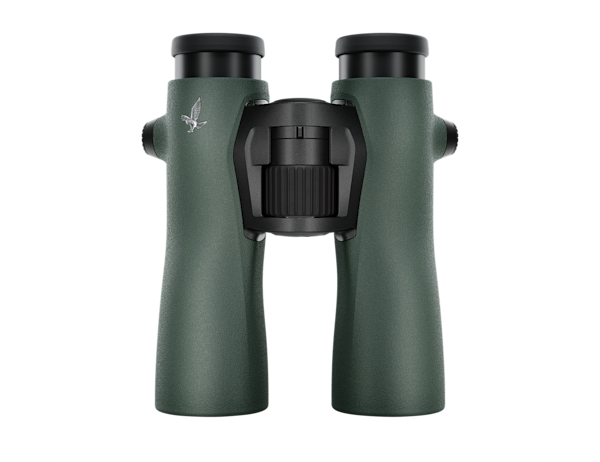

How we picked the best binoculars
We tested optics for clarity, brightness, and build quality. Our picks balance performance with value for birders, hunters, and stargazers.
To find the best binoculars for 2026, we moved beyond manufacturer specifications. Official specs often miss the real-world experience, so we bought and tested 16 of the best-selling models from brands like Vortex, Nikon, Leica, and Swarovski. This hands-on approach allowed us to evaluate how these optics perform in actual field conditions rather than just on a lab chart.
Our testing focused on three core areas: optical clarity, ergonomics, and durability. We looked at how well each pair resolved fine details, such as the texture of bird feathers or the contours of distant terrain. We also assessed how comfortable the binoculars felt during extended use, checking weight distribution and grip texture. Finally, we examined build quality, ensuring the units could withstand the elements and rough handling typical of hunting and outdoor adventures.
This rigorous selection process ensures that every recommendation we make is backed by concrete performance data. Whether you need lightweight optics for birding or rugged glass for hunting, our picks are chosen to deliver reliable performance across a variety of use cases.
Best all-around binoculars
Finding the right pair of binoculars often comes down to balancing three competing forces: optical clarity, physical weight, and your budget. For most users, the ideal tool sits in the middle ground—light enough to carry all day on a trail, but powerful enough to spot details across a field or through a tree line. While specialized optics exist for extreme low light or high-magnification astronomy, the 10x42 configuration has emerged as the industry standard for general outdoor use.
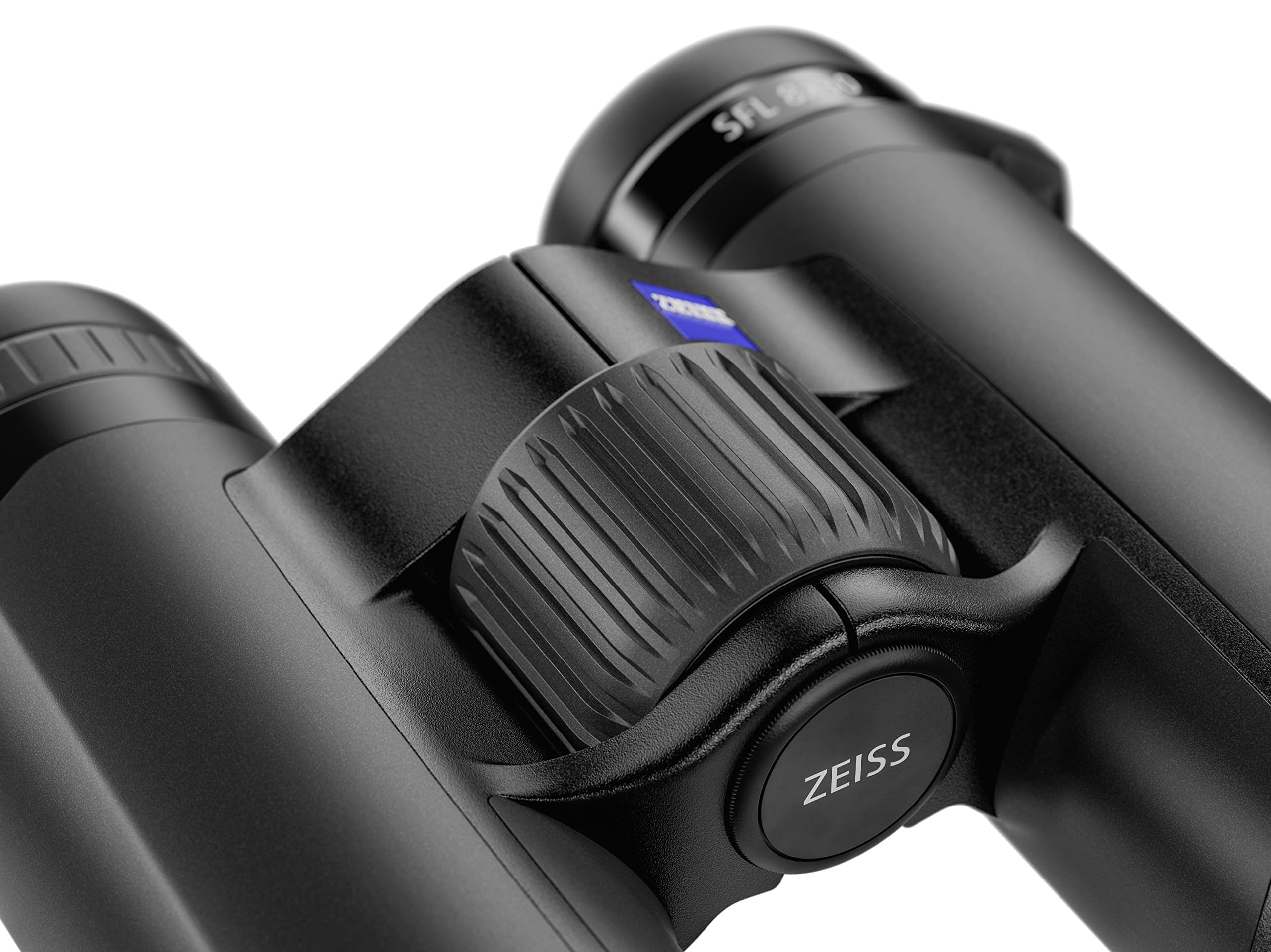
The Zeiss SFL 10×40 is currently our top pick for this category. It offers a refined balance of sharpness and comfort that appeals to both novice birders and experienced hunters. The 10x magnification provides a stable, wide field of view, which helps in tracking moving subjects like birds in flight or deer moving through dense brush. The 40mm objective lenses gather enough light to keep images bright during the golden hours of dawn and dusk, without adding the bulk of larger 50mm models. This makes it a versatile companion for everything from backyard birdwatching to extended hunting trips.
If you prefer a slightly wider lens for brighter images in dimmer conditions, the Nikon Monarch M7 10×42 is a strong alternative. It delivers exceptional value with high-quality glass that rivals more expensive brands. For those looking for premium apochromatic optics without the premium price tag of top-tier luxury brands, the Vortex Razor HD stands out. It is significantly lighter than its competitors while maintaining outstanding color fidelity and contrast.


As an Amazon Associate, we may earn from qualifying purchases.
Best binoculars for birding and hiking
When you are on the trail, weight matters just as much as clarity. The best binoculars for birding and hiking strike a balance between optical quality and portability. You want something that stays comfortable in your hands for hours but packs easily into a jacket pocket or vest when the birds move on.
For most active birders, an 8x32 configuration is the sweet spot. The 8x magnification provides a wider field of view, which helps in tracking fast-moving songbirds in dense foliage. The 32mm objective lenses are small enough to keep the binoculars light, yet large enough to gather sufficient light for early morning or overcast hikes. While 10x42 models offer more reach, they can feel heavy and shaky during long treks, making steady observation difficult without a tripod.
Nikon’s Prostaff P7 series is a favorite among enthusiasts for this exact reason. The 8x32 version is notably lighter than its 10x42 sibling, offering a comfortable grip and sharp optics that perform well in variable light. It is a reliable workhorse that handles rain and rough terrain without adding bulk to your pack. For those prioritizing minimal weight, stepping down to a 7x50 or a compact 8x25 can further reduce load, though you may sacrifice some low-light performance.
When comparing options, look at the weight per lens diameter. A lighter body with high-quality glass will always outperform a heavier, bulkier model with similar specs. Here is how some popular birding-friendly models stack up against each other.
| Model | Mag | Obj (mm) | Weight (g) | Field of View (ft/1000yd) |
|---|---|---|---|---|
| Nikon Prostaff P7 8x32 | 8x | 32 | 265 | 425 |
| Vortex Viper HD 8x42 | 8x | 42 | 365 | 405 |
| Swarovski EL 10x42 | 10x | 42 | 490 | 360 |
| Celestron Outland 8x32 | 8x | 32 | 320 | 415 |
Best binoculars for hunting and low light
Hunting often happens during the "blue hour"—those quiet moments just before sunrise or after sunset. In these low-light scenarios, the size of the objective lens (the front glass) becomes your most important spec. We recommend models with 50mm lenses or larger, such as the Nikon Monarch 5 10x50 or the Vortex Viper HD 10x50. These larger lenses gather significantly more light than standard 42mm models, giving you a brighter, clearer view of game in the shadows.
There is a trade-off to consider. Larger objective lenses add weight and bulk to the package. While a 10x50 pair might feel heavy during a long stalk, the payoff in visibility during dawn and dusk is usually worth the extra ounces in your pack. Look for rugged, rubber-armored builds that can handle brush and accidental drops in the field.
If you prefer a lighter setup but still need decent low-light performance, a 10x42 model with high-quality multi-coated lenses is a solid compromise. The Nikon Monarch M7 10x42, for example, offers excellent brightness for its size and is lighter on the neck. However, for true low-light dominance, stick to the 50mm class.


As an Amazon Associate, we may earn from qualifying purchases.
Best compact and travel binoculars
For travelers and casual users, portability is often the deciding factor. Compact and foldable binoculars slip easily into a backpack or jacket pocket, removing the excuse to leave your optics at home. While they sacrifice some light-gathering power compared to full-sized 10x42 models, modern designs deliver surprisingly sharp images for birding, hiking, and casual wildlife observation.
The trade-off is clear: smaller objective lenses mean a narrower field of view and dimmer images in low light. However, for daytime birding or quick glances at distant landscapes, the convenience outweighs the minor optical compromises. Look for models with rubber-armored bodies for grip and durability, and ensure the focus mechanism is smooth enough for tracking moving birds.
When choosing a compact pair, prioritize weight and packed size. A 12x25 or 8x25 configuration offers a good balance of magnification and portability. These models are ideal for backpackers who need to minimize pack weight without completely sacrificing visual clarity.


As an Amazon Associate, we may earn from qualifying purchases.
10x42 vs. 12x50 binoculars
Choosing between 10x42 and 12x50 binoculars comes down to how you plan to use them. The first number is magnification, and the second is the objective lens diameter in millimeters. This simple math changes everything from weight to light gathering.
The 10x42 All-Rounder
The 10x42 format is the sweet spot for most birders and hunters. The 42mm lenses gather enough light for clear views at dawn and dusk, while the 10x magnification keeps the image steady in your hands. You get a wider field of view, which helps in tracking fast-moving birds or scanning a treeline.
Models like the Nikon Monarch M7 10x42 are popular because they balance brightness with portability. You can hold them for hours without arm fatigue, making them ideal for long days in the field.
The 12x50 Light Gatherer
The 12x50 binoculars trade some stability for power. The larger 50mm lenses collect significantly more light, which is helpful in very dim conditions like deep twilight or stargazing. However, the 12x magnification amplifies hand shake.
Without a tripod, the image from 12x50s may jitter too much for detailed observation. These are better for stationary use, like watching a waterfowl spread or scanning a distant ridge where you can rest your elbows.
Frequently asked questions about binoculars
What is better, 12x50 or 10x42 binoculars?
The choice comes down to how you plan to use them. The 10x42 configuration, like the Nikon Monarch M7, is the versatile standard for birding and hunting. It offers a good balance of magnification and field of view in daylight and moderate low-light conditions. However, if you need to see clearly in very dim environments, the 12x50’s larger objective lenses will gather more light, potentially giving you a brighter image at the cost of weight and steadiness.
Can you use binoculars with astigmatism?
Binoculars can compensate for simple near or far vision differences through their diopter adjustments, but they typically can't fully correct astigmatism. If you wear glasses, look for models with long eye relief, such as the Zeiss SFL 10×40, which allows you to keep your glasses on and still see the full field of view without vignetting (black circles around the edges).
What magnification is best for birding?
For most birding scenarios, 8x42 or 10x42 binoculars are the sweet spot. Higher magnifications like 12x or 15x make it difficult to track moving birds and often require a tripod to stabilize the image. The 8x42 offers a wider field of view for scanning, while the 10x42 provides a bit more reach for distant subjects without sacrificing too much handholding stability.
No comments yet. Be the first to share your thoughts!