
New glass in the sub-$500 market
The sub-$500 binocular market is changing fast. Extra-low dispersion (ED) glass and multi-layer coatings are now standard in this price bracket, rather than premium add-ons. These changes mean budget optics now perform at a level that used to cost twice as much.
Manufacturing techniques are also evolving. More companies are investing in precise prism tolerances and improved quality control, which directly translates to sharper images and reduced eye strain. This is particularly noticeable in models from Athlon and Vortex, who seem to be pushing boundaries in this segment.
Perhaps the most interesting shift is the growing influence of AI. Bino AI, for example, is utilizing data analysis of existing reviews and objective performance metrics to provide more informed recommendations. This goes beyond simply aggregating user opinions; we're actually quantifying optical performance and matching it to specific birding needs. It’s a new approach to binocular evaluation, and we believe it leads to better choices for our users.
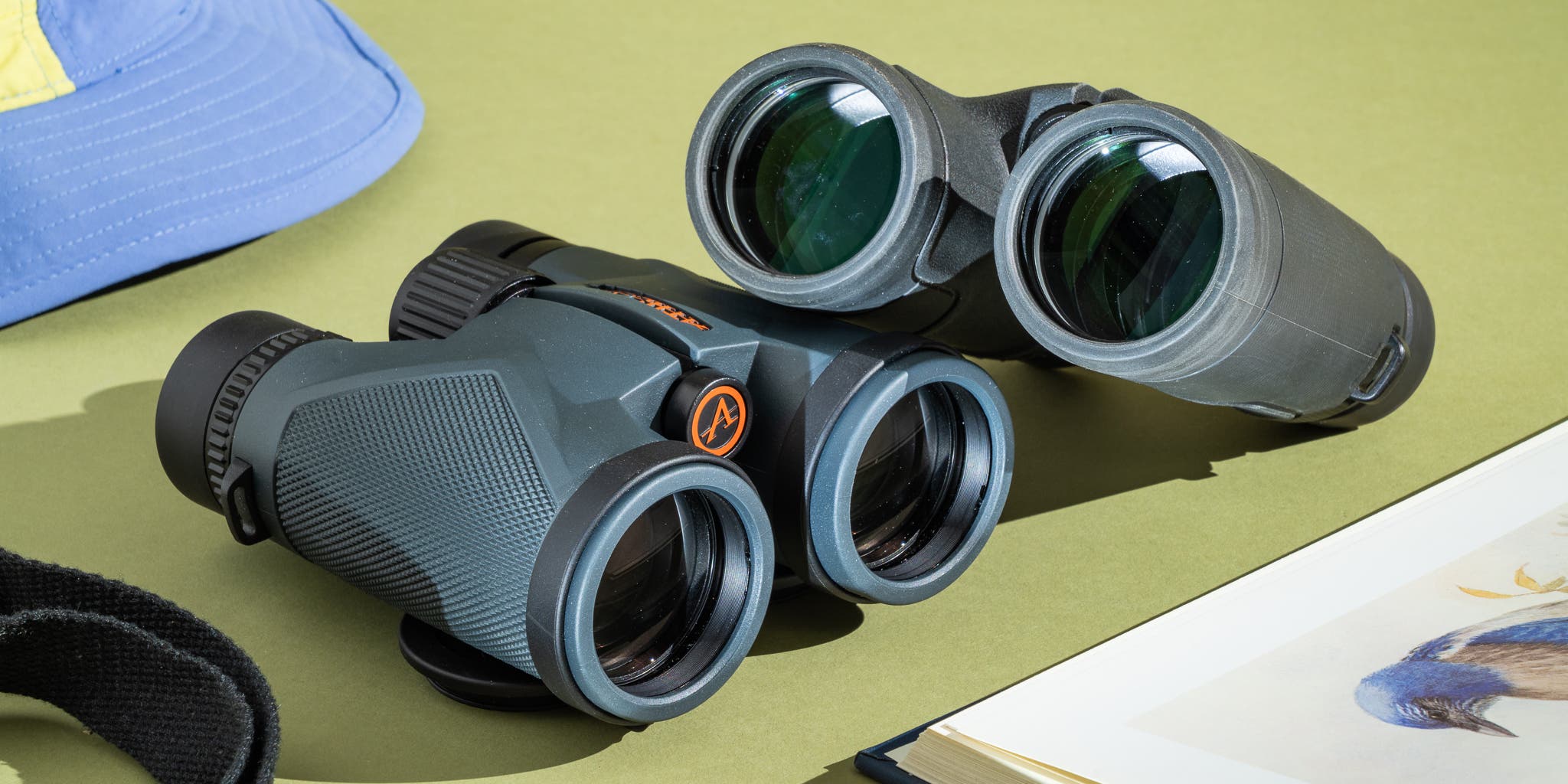
Choosing magnification and lens size
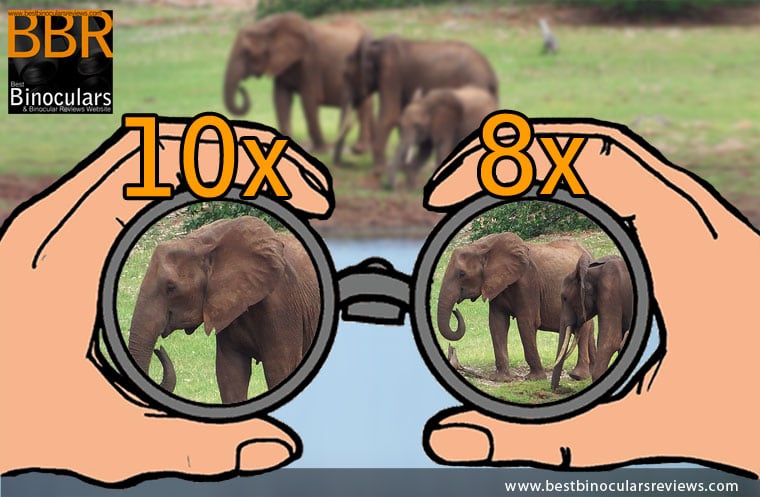
The classic debate in birding binoculars centers around 8x42 and 10x42 configurations. 8x42 offers a wider field of view, making it easier to locate and track fast-moving birds. The lower magnification also produces a steadier image, which is crucial when handholding binoculars for extended periods.
10x42, on the other hand, brings the birds closer. This can be advantageous for identifying distant species or observing subtle details in plumage. However, the increased magnification comes at a cost: a narrower field of view and a more noticeable shake. It really comes down to personal preference and the type of birding you do most often.
Understanding 'exit pupil' is also important. This is the diameter of the light beam exiting the binoculars, calculated by dividing the objective lens size by the magnification (e.g., 42mm / 8x = 5.25mm). A larger exit pupil (around 5mm or greater) is beneficial in low-light conditions, as it allows more light to enter your eye. Smaller exit pupils can result in a dim image, especially at higher magnifications.
Don't get too hung up on chasing the highest magnification. A bright, sharp 8x42 will almost always outperform a dim, shaky 12x50. Prioritize image quality and usability over sheer magnification power.
How coatings affect clarity
Binocular coatings are arguably the most important factor influencing image quality. 'Fully multi-coated' is the standard you should look for; this means that all air-to-glass surfaces have multiple layers of coating applied to reduce light reflection and increase light transmission.
Phase correction coatings are essential for enhancing image sharpness and contrast, particularly in binoculars with prism designs like roof prisms. Without phase correction, light waves can interfere with each other, resulting in a washed-out image. This is especially noticeable when viewing high-contrast subjects, like birds against a bright sky.
Dielectric coatings, often applied to prism surfaces, further boost light transmission. They reflect more light through the prism system, resulting in a brighter and clearer image. While dielectric coatings are typically found on higher-end binoculars, some models in the $300-$500 range are now incorporating them.
The difference between a good coating and a great one is subtle but noticeable. A well-coated binocular will deliver brighter, sharper, and more color-accurate images, even in challenging lighting conditions. It’s an area where spending a little extra money can yield significant returns.
Top picks under $500
The binocular market is competitive, and several models consistently rank highly for birding. Based on recent testing from Field & Stream and OutdoorGearLab, along with our own Bino AI analysis, here’s a roundup of top performers under $500.
Vortex Diamondback HD (8x42/10x42): A perennial favorite, the Diamondback HD offers excellent value for the money. It features fully multi-coated optics, a wide field of view, and a durable, waterproof construction. Pros: Sharp image, comfortable ergonomics, excellent warranty. Cons: Color fidelity could be slightly better. Best for: General birding, all-around use.
Nikon Monarch 5 (8x42/10x42): The Monarch 5 provides a bright, clear image with good color reproduction. It’s known for its smooth focus wheel and comfortable eye relief. Pros: Bright image, smooth focus, comfortable eye relief. Cons: Field of view is slightly narrower than some competitors. Best for: Birding in varied lighting conditions.
Celestron TrailSeeker ED (8x42/10x42): The TrailSeeker ED incorporates ED glass, which significantly reduces chromatic aberration (color fringing). This results in a sharper, more detailed image. Pros: Excellent image sharpness, ED glass, good value. Cons: Build quality isn’t quite as robust as some other models. Best for: Demanding birders who prioritize image quality.
Athlon Optics Midas ED (8x42/10x42): The Midas ED consistently receives praise for its exceptional optical performance, rivaling binoculars at higher price points. It boasts ED glass, fully multi-coated optics, and a durable, waterproof construction. Pros: Exceptional image quality, ED glass, durable build. Cons: Can be harder to find in stock. Best for: Serious birders who demand the best possible image quality.
Wingspan Optics Spectator 8x32 Compact Binoculars: A good option for those looking for a lightweight and compact binocular. Pros: Lightweight, compact, affordable. Cons: Smaller objective lens results in a dimmer image in low light. Best for: Travel, casual birding.
Bushnell Forge ED (10x42): Bushnell’s Forge ED offers a compelling combination of features and performance. The ED glass minimizes chromatic aberration, and the fully multi-coated optics deliver a bright, clear image. Pros: Sharp image, good value, durable build. Cons: Some users report a slightly stiff focus wheel. Best for: All-around birding, especially in open areas.
Featured Products

8x magnification, 42mm objective lenses · Extra-low Dispersion (ED) glass for enhanced color fidelity · Waterproof, fogproof, and rubber-armored construction
These binoculars represent the optimal balance of optical performance, durability, and value, as determined by AI analysis, to enhance birdwatching experiences for enthusiasts.

8x magnification, 42mm objective lenses · Wide 7.4° field of view · BaK-4 prisms
These binoculars represent the optimal balance of optical performance, durability, and value, as determined by AI analysis, to enhance birdwatching experiences for enthusiasts.

8x magnification, 42mm objective lenses · HD Optical System for enhanced resolution and contrast · Waterproof, fogproof, and shockproof construction
These binoculars represent the optimal balance of optical performance, durability, and value, as determined by AI analysis, to enhance birdwatching experiences for enthusiasts.

8x magnification, 42mm objective lenses · Fully multi-coated lenses · Waterproof and fogproof construction
These binoculars represent the optimal balance of optical performance, durability, and value, as determined by AI analysis, to enhance birdwatching experiences for enthusiasts.
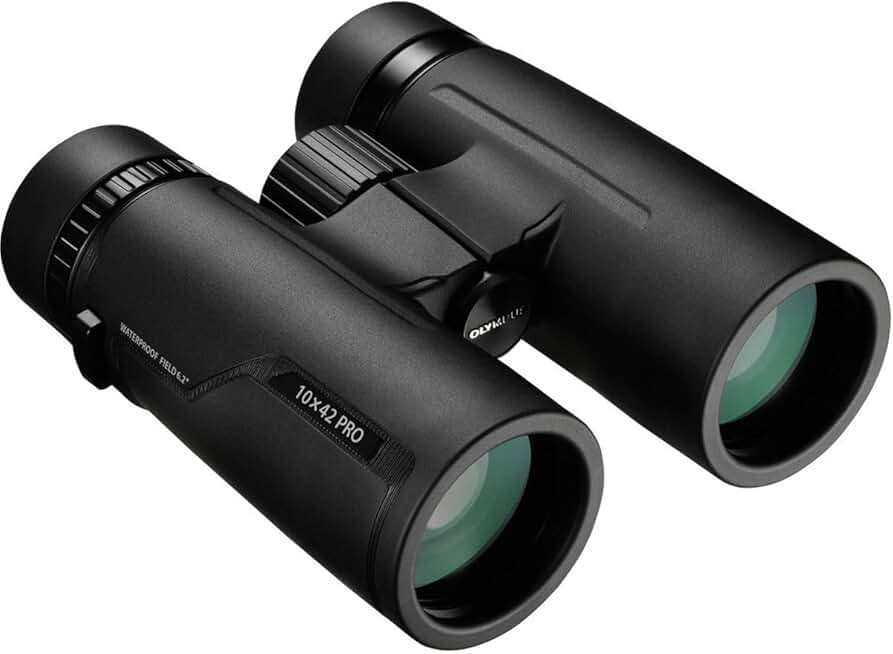
10x magnification, 42mm objective lenses · Advanced Fully Multi-Coated lenses · Waterproof and fogproof construction
These binoculars represent the optimal balance of optical performance, durability, and value, as determined by AI analysis, to enhance birdwatching experiences for enthusiasts.
As an Amazon Associate I earn from qualifying purchases. Prices may vary.
Our testing process
Bino AI’s evaluation process differs from traditional binocular reviews in several key ways. We don’t rely solely on subjective opinions; instead, we analyze a vast dataset of objective performance metrics, including MTF (modulation transfer function) charts, transmission rates, and chromatic aberration measurements. We pull this data from manufacturer specifications, independent lab tests, and user reviews.
Our algorithms assign weights to these metrics based on their importance for birding. For example, image sharpness and color fidelity receive higher weights than aesthetic features. We also consider user feedback on ergonomics and durability.
We use these metrics to rank each model. While the data helps narrow down the field, it doesn't replace the feeling of holding the glass in your hands. Use these scores as a starting point for your own testing.
We are continually refining our algorithms and expanding our dataset to improve the accuracy and reliability of our recommendations. Transparency is key; we strive to explain our methodology clearly and acknowledge the limitations of AI-powered analysis.
Durability and weatherproofing
Birding often takes you into challenging environments, so waterproof and fog-proof binoculars are essential. Look for binoculars that are nitrogen-purged and O-ring sealed. Nitrogen purging replaces the air inside the binocular with a dry, inert gas, preventing internal fogging. O-ring seals create a watertight barrier around critical components.
While most binoculars in this price range claim to be waterproof, the level of waterproofing can vary. Some are only splash-proof, while others can withstand full submersion. Check the manufacturer’s specifications for details. A good benchmark is a rating of IPX7, which means the binoculars can withstand immersion in water up to 1 meter for 30 minutes.
Build quality also plays a role in durability. Look for binoculars with a robust chassis and well-protected lenses. Rubber armoring can provide additional protection against bumps and scratches. Expect some trade-offs in this price range; extremely rugged binoculars often cost significantly more.
- Nitrogen purging to prevent internal fogging
- O-ring seals for a watertight barrier
- Rubber armoring for impact protection
Ergonomics and feel
Technical specifications only tell part of the story. Ergonomics and overall feel are subjective but crucial factors that can significantly impact your birding experience. Comfortable eye cups are essential, especially if you wear glasses. Look for adjustable eye cups that allow you to customize the eye relief.
The focus wheel should be smooth and easy to operate, even with gloves on. A well-damped focus wheel will prevent overshooting your target. The balance of the binoculars is also important. You want binoculars that feel stable and comfortable in your hands, without being too heavy or front-heavy.
I've found that the Vortex Diamondback HD has particularly comfortable eye cups and a smooth focus wheel. The Nikon Monarch 5 also scores well in this regard. However, personal preference plays a big role, so it’s best to try out different models if possible.
Don't underestimate the importance of a comfortable neck strap. A wide, padded neck strap will distribute the weight of the binoculars more evenly, reducing neck strain during long birding sessions.
No comments yet. Be the first to share your thoughts!