
Binoculars budget
Compact binoculars for birding span a wide price range, from affordable entry-level models to premium optics that rival full-size pairs. Understanding these tiers helps you balance portability, optical quality, and durability without overspending.
Entry-level ($50–$100) These binoculars offer basic performance suitable for casual birding. They are lightweight and easy to carry but may lack the brightness and sharpness needed for early morning or dense forest viewing. Look for models with fully multi-coated lenses and waterproofing to ensure longevity.
Mid-range ($100–$200) This sweet spot provides the best balance of quality and cost. You’ll find improved glass, better coatings, and more durable construction. Brands like Nikon, Vortex, and Celestron dominate this segment with reliable options that handle everyday use well.
Premium ($200+) High-end compact binoculars use premium glass and advanced coatings to deliver exceptional clarity and brightness. They are often lighter and more compact than their mid-range counterparts, making them ideal for serious birders who prioritize optical performance over price.
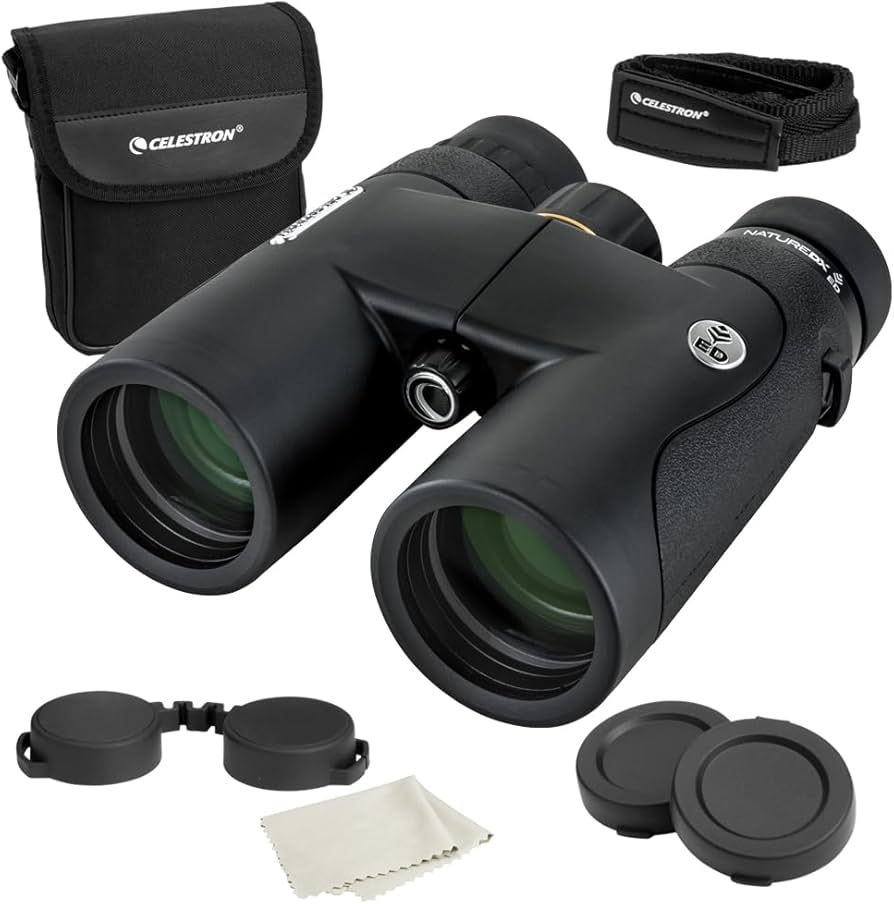
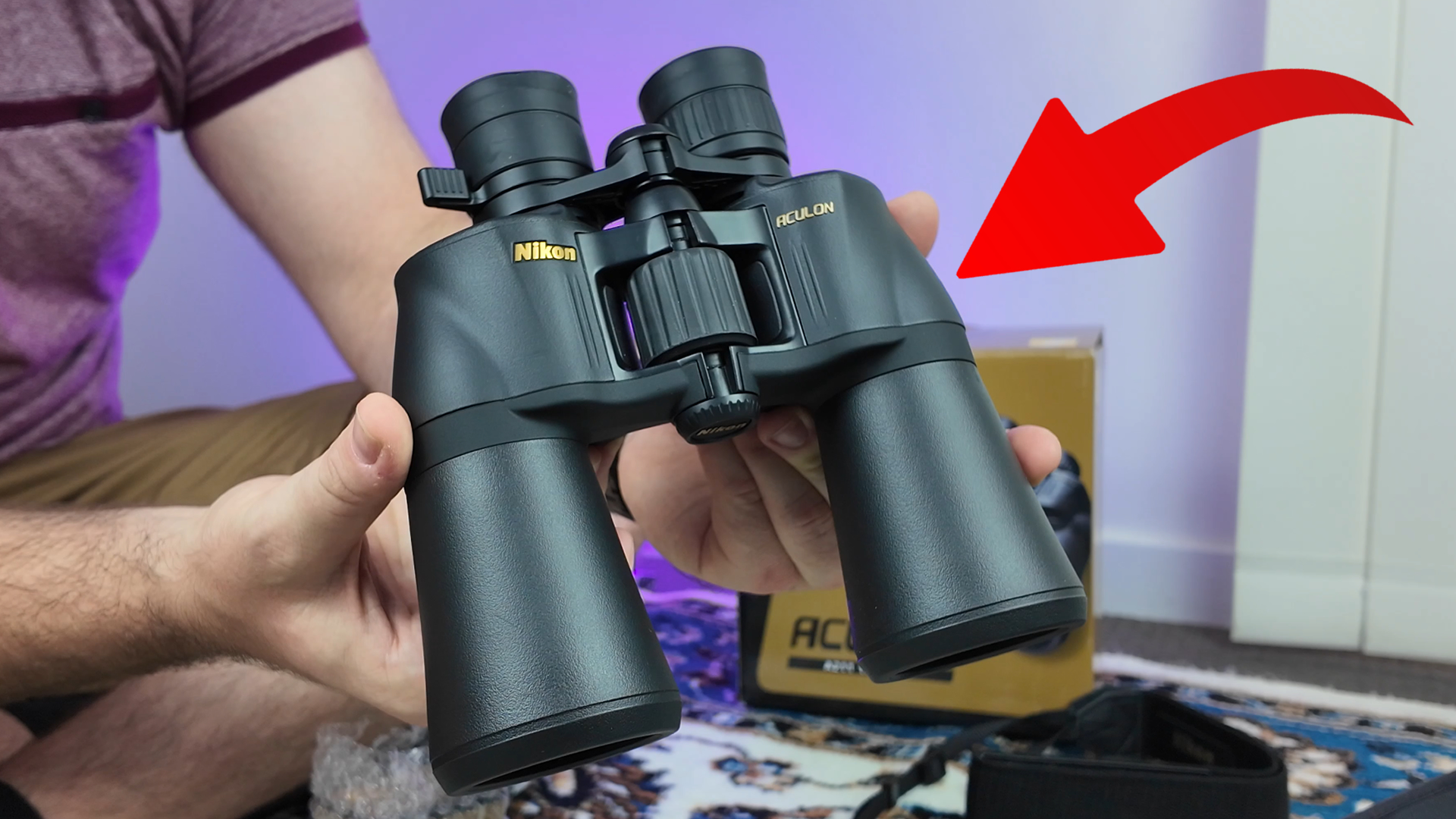
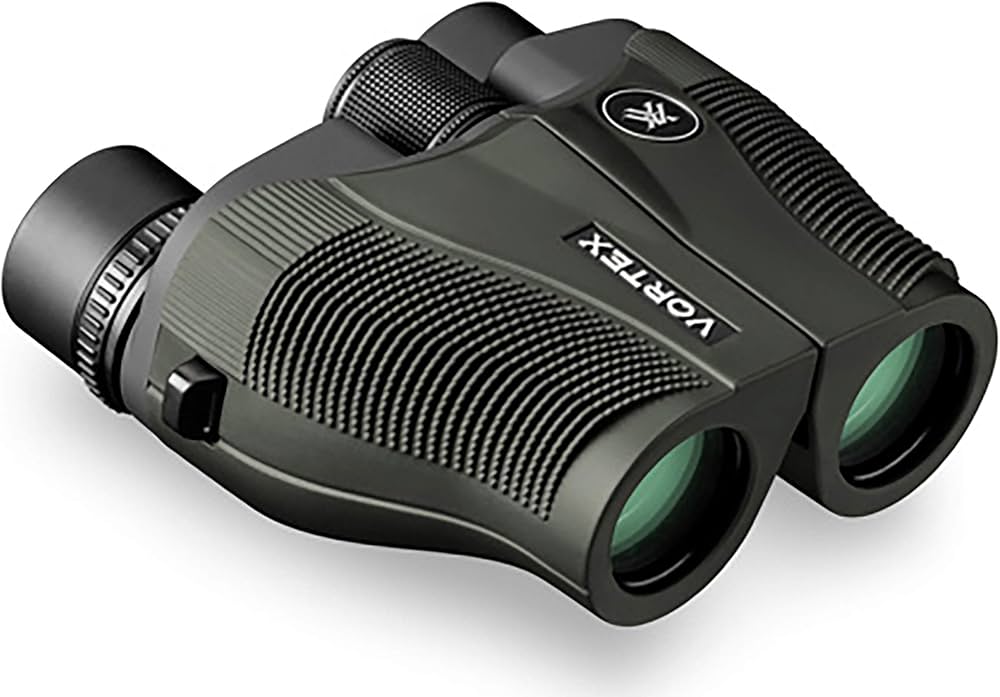
As an Amazon Associate, we may earn from qualifying purchases.
Shortlist real options
Finding the right compact binoculars means balancing optical clarity with the weight you’ll carry all day. We compared top contenders from Vortex, Nikon, and Swarovski to identify pairs that deliver sharp images without the bulk of full-size optics. The goal is to keep the focus on the birds, not the gear.
Below is a direct comparison of the strongest options for 2026. Each model offers distinct trade-offs in magnification, field of view, and build quality. Use this table to narrow your search before looking at specific features.
For those prioritizing weight above all else, the Vortex Vanquish stands out with its magnesium chassis. It sheds ounces compared to traditional polycarbonate models while maintaining a rugged feel. The 10x26 configuration offers a good middle ground between magnification power and hand-hold stability.
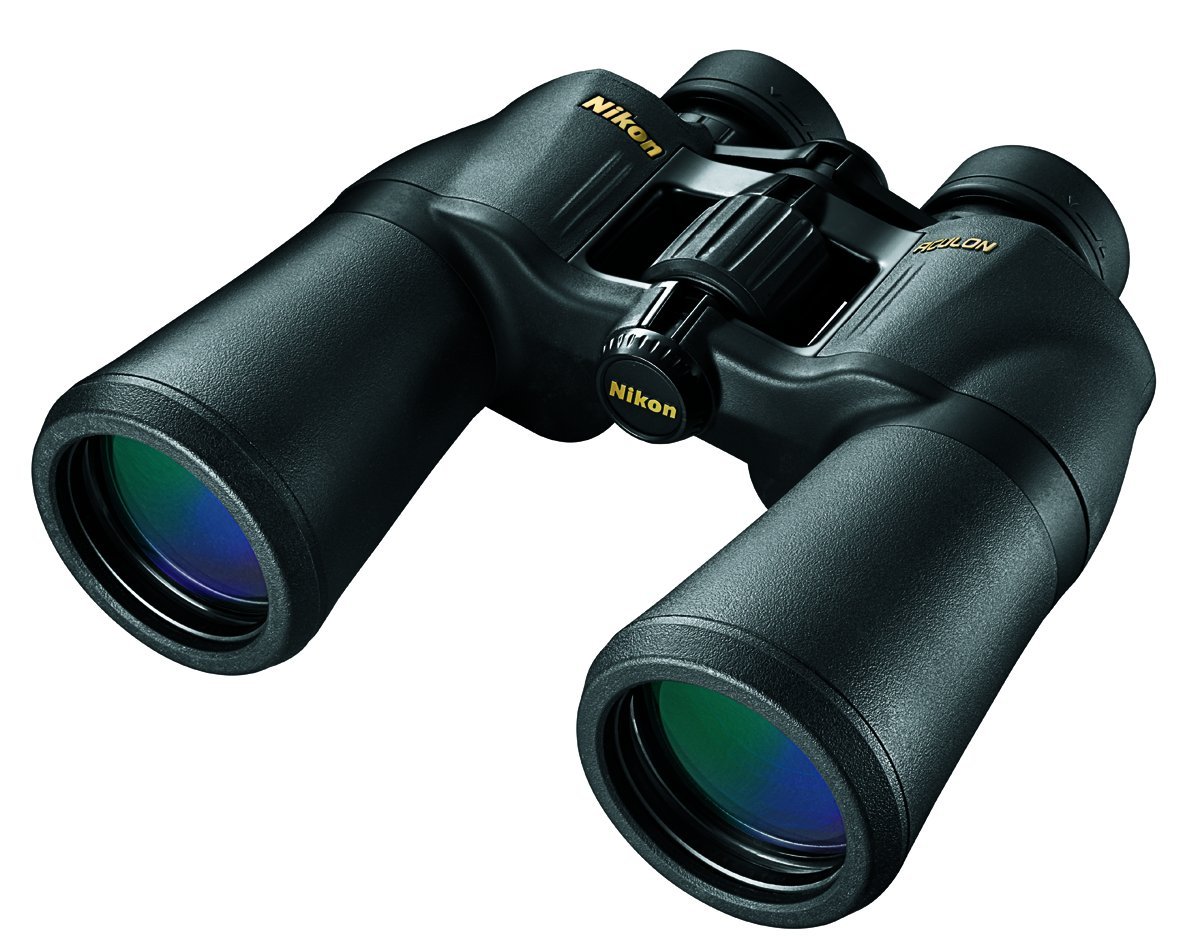
If you are on a tighter budget, the Nikon Aculon T09 8x21 remains a reliable workhorse. While the 8x magnification limits long-distance detail, the smaller 21mm lenses keep the unit incredibly light. It is an excellent choice for casual birders who need something that disappears in a pocket.
For premium seekers, the Swarovski NL Pure 10x32 delivers optical performance that rivals much larger instruments. The nitrogen purging ensures fog-free viewing in humid conditions, and the ergonomic design reduces eye strain during long sessions. The weight is higher, but the clarity justifies the trade-off for serious observers.


As an Amazon Associate, we may earn from qualifying purchases.
When making your final choice, consider where you will spend most of your time. Trail hiking favors the lighter Vortex or Leica options, while stationary observation from a blind or deck might benefit from the stability and brightness of the Swarovski. Check the current availability on Amazon to find the best pricing for your preferred model.
Inspect the expensive parts
Compact binoculars offer portability at the cost of durability. The smaller chassis means fewer materials to absorb shock, making them more sensitive to impact. Before you commit to a pair for your birding trips, check these specific failure points. A cracked lens or misaligned prism can ruin the viewing experience instantly and cost more to replace than the binoculars themselves.
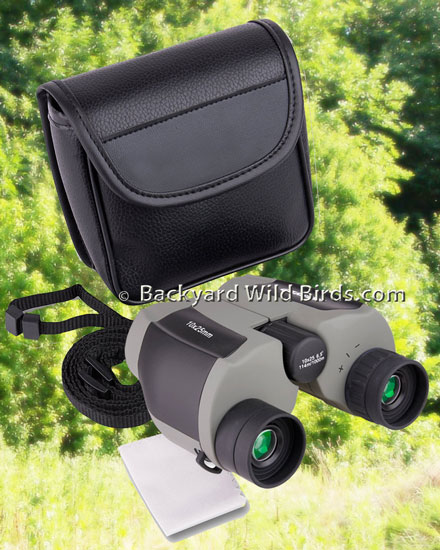
Open and close the binoculars. The hinge should move smoothly without any grinding, popping, or loose play. On compact models, the hinge is a primary stress point. If it feels weak or wobbly, the internal prism alignment will shift over time, causing double vision.
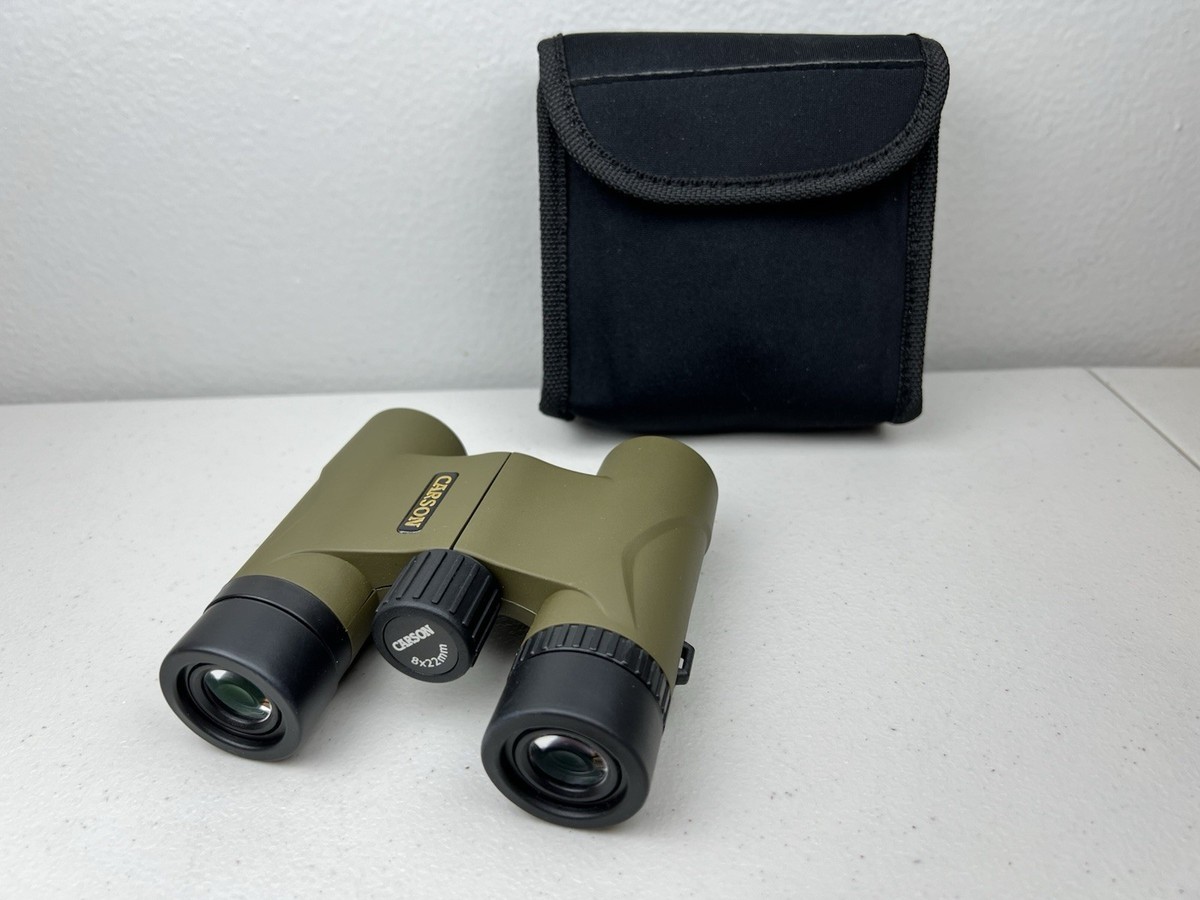
Hold the binoculars up to a light source. Look for any fogging, spots, or streaks trapped between the glass elements. This indicates a failed seal. Once moisture gets in, mold grows rapidly, obscuring the view permanently. Always choose a model explicitly labeled as waterproof and nitrogen-purged.
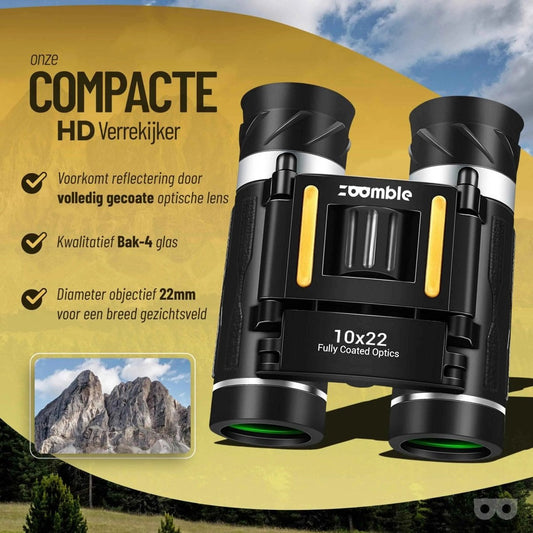
Turn the central focus wheel through its full range. It should feel firm but not stiff. A loose focus ring is a common defect in cheaper compact models that leads to blurry images. If the focus drifts when you tilt the binoculars, the internal gears are likely worn or poorly manufactured.
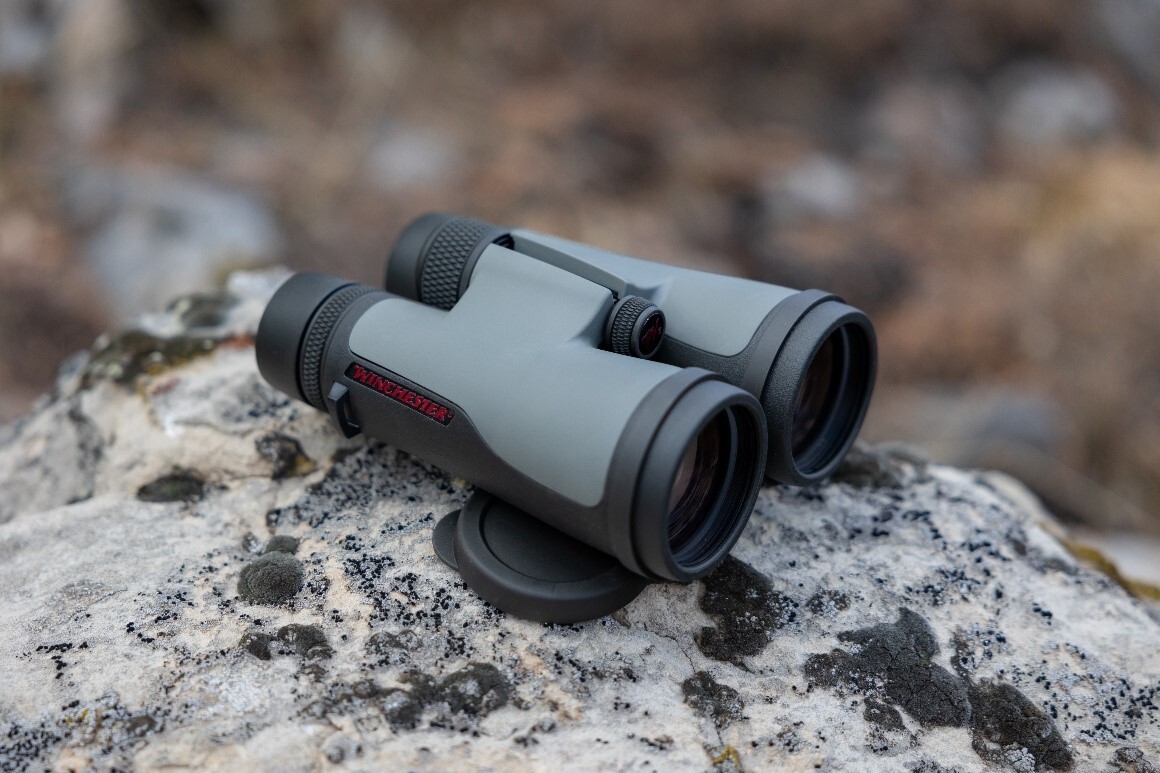
Check the rubber coating for deep cracks or peeling, especially around the eyecups and objective lenses. While the rubber protects the body, it also seals out dust. Significant wear exposes the metal or plastic chassis to humidity and debris, accelerating corrosion and optical degradation.
Plan for ownership costs
A cheap pair of compact binoculars often looks like a bargain until you factor in the hidden costs of ownership. The initial purchase price is just the entry fee; the real expense comes from maintenance, repairs, and the inevitable replacement of a pair that fails after a season of use. When you buy the cheapest option, you are often betting against the longevity of the internal coatings and seals.
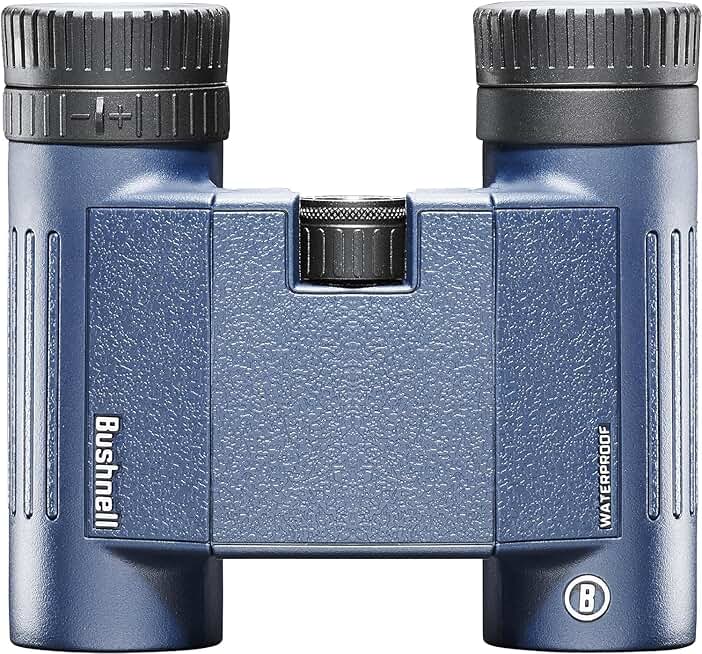
Waterproofing and nitrogen purging are the two biggest factors in long-term value. Cheaper models frequently lack full nitrogen purging, leading to internal fogging that degrades image quality over time. Once internal fogging sets in, the binoculars are usually not repairable, turning a $50 investment into waste. In contrast, mid-range compact binoculars often feature O-ring sealed bodies that withstand rain and humidity without compromising optical clarity.
Consider the cost of accessories and potential repairs. A sturdy case, lens cleaning kit, and a neck strap add $20–$40 to your total spend. More importantly, if a focus mechanism breaks on a budget pair, the repair cost often exceeds the price of a new, more durable model. Investing in a reputable brand with a warranty and service network protects your initial spend.

As an Amazon Associate, we may earn from qualifying purchases.
When evaluating compact binoculars, look beyond the sticker price. Check for warranty terms, availability of replacement parts, and user reports on long-term durability. A slightly higher upfront cost for a pair with a lifetime warranty and proven water resistance often saves money in the long run by eliminating the need for frequent replacements.
Binoculars: what to check next
Choosing compact binoculars for birding often comes down to balancing size with optical clarity. Below are answers to the most common practical questions readers have before making a purchase decision.
No comments yet. Be the first to share your thoughts!