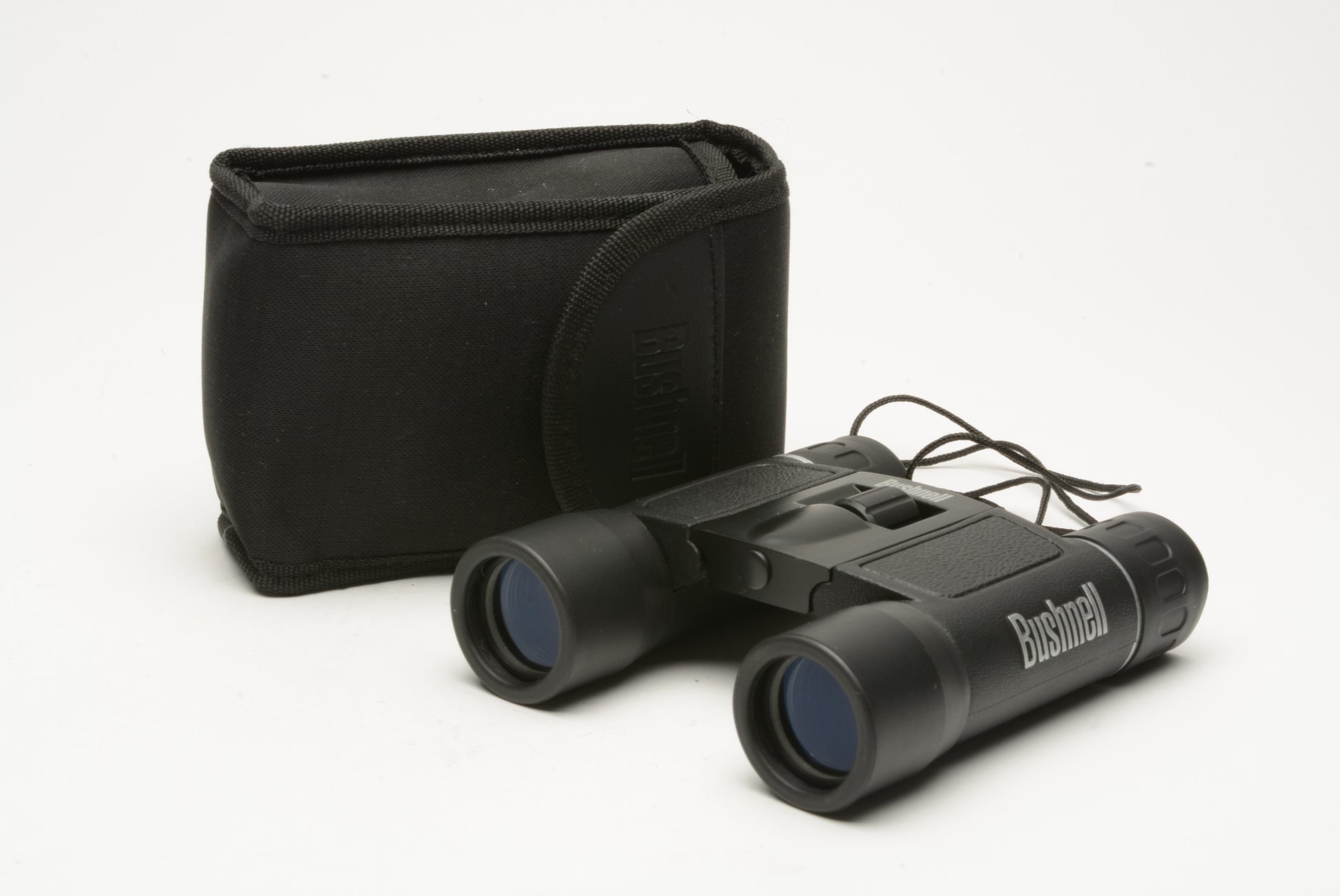

Why compact binoculars matter
Choosing compact binoculars is about balancing two competing forces: how much gear you can comfortably carry versus how clearly you want to see distant objects. For travelers and birders, every ounce counts. A heavy pair of 10x50 binoculars might offer superior light gathering, but they are likely to stay in the hotel room or car. Compact models, typically featuring 8x or 10x magnification with 25mm to 32mm objective lenses, fit into a jacket pocket or small daypack, ensuring they are always within reach when a rare bird appears or a landmark comes into view.
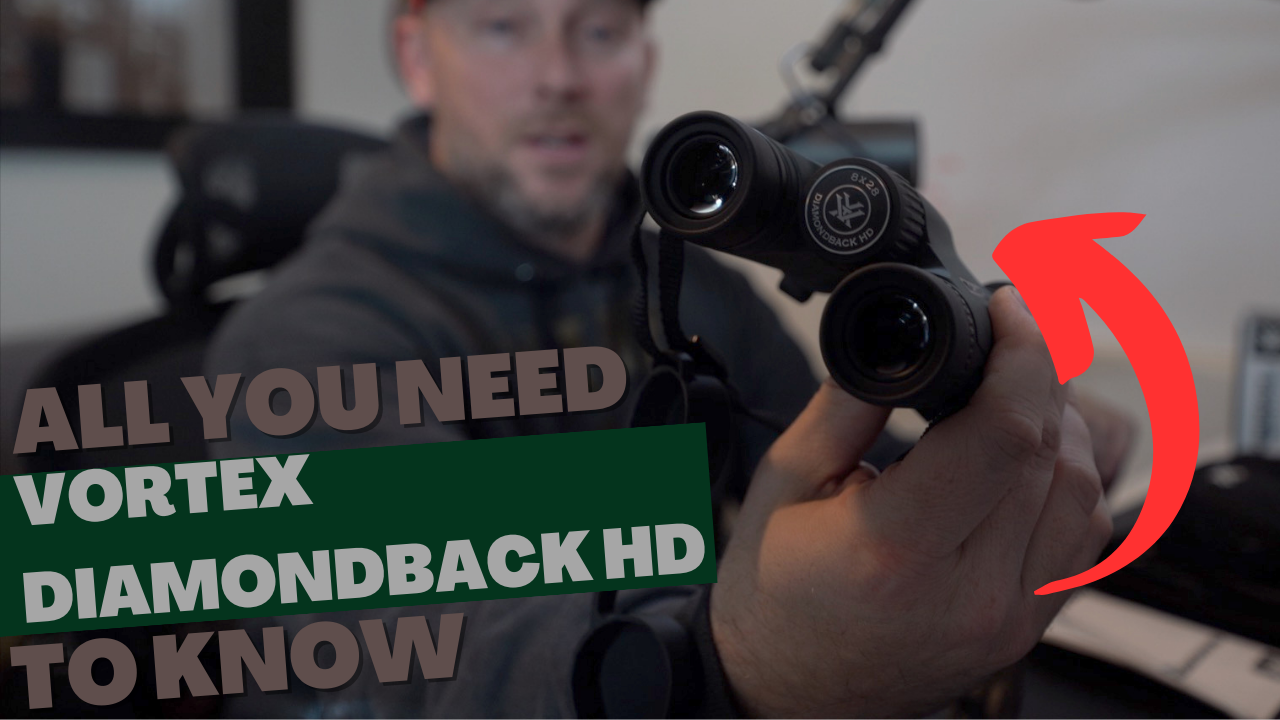
The trade-off is primarily in brightness and stability. Smaller objective lenses gather less light, which can make images look dimmer in low-light conditions like dawn or dusk. However, modern coatings and high-quality glass have narrowed this gap significantly. For example, the Vortex Diamondback HD 8x28 offers excellent clarity for its size and price, while the Maven B.7 8x25 provides premium optics for those willing to invest more. The Vortex Crossfire 10x32 is another strong contender, available for around $100, offering a slightly larger lens for better light performance without adding excessive bulk.
Ultimately, the "best" size depends on your activity. If you are hiking long distances or traveling light, the convenience of a pocket-sized pair often outweighs the marginal gain in image quality from a larger model. Prioritize models that feel balanced in your hands, as hand shake is more pronounced with higher magnifications in smaller bodies. The goal is to find a pair that is small enough to use consistently, because the best binoculars are the ones you actually bring with you.
Best Overall Compact Binoculars
When you need one pair to handle everything from birding to city sightseeing, the Vortex Diamondback HD 8×28 is the reliable workhorse. It strikes the best balance between optical clarity and everyday durability. The 8× magnification keeps the image steady in your hands, while the 28mm objective lenses gather enough light to make early morning or late afternoon viewing clear and bright.
The build quality is where this model shines. It features fully multi-coated optics that reduce glare and boost contrast, giving you a sharper view of distant subjects. The rubber-armored body is both waterproof and fog-proof, so you don't have to worry about sudden rain showers or temperature changes ruining your session. It feels solid and secure in your grip, which is essential when you are tracking moving targets like birds.
At around $200, it sits in a sweet spot for budget-conscious buyers who refuse to compromise on performance. It is not the absolute smallest binocular on the market, but it offers a much more comfortable viewing experience than tiny 8×21 models. If portability is your main constraint, you might look at smaller options, but for general use, this pair delivers the best all-around value.


As an Amazon Associate, we may earn from qualifying purchases.
Best budget compact binoculars
You don't need to spend a fortune to get clear views in the field. These affordable compact binoculars prove that a lower price tag doesn't mean compromising on portability or basic optical clarity. They are perfect for travelers who need something light in their pocket or casual birders who want a reliable pair without breaking the bank.
Vanguard Orros
The Vanguard Orros stands out as a top contender in the low-priced category. Priced around $80, it offers a surprisingly capable viewing experience for casual use. It is particularly noted for being comfortable for users who do not wear glasses, making it a practical choice for many beginners. Its compact size fits easily into a daypack, ensuring it is always ready for a spontaneous wildlife sighting.
Celestron UpClose G2 16x32
Celestron’s UpClose G2 16x32 model is another excellent entry-level option. It combines an incredibly affordable price with rugged build quality, making it durable enough for outdoor adventures. The 16x magnification provides a closer look at distant subjects, which is great for birding, while the 32mm objective lenses gather enough light to keep the image bright. It serves as a sturdy foundation for anyone new to optics.
Best compact binoculars for birding
Birding is often a walk, not a drive. When you are moving through woods or standing on a trail for hours, every ounce matters. The best compact binoculars for birding balance three things: color fidelity to spot camouflaged birds, a close focus distance for details, and a light frame that doesn't pull on your neck.
Optical clarity is the non-negotiable starting point. You need to see the subtle streaks on a sparrow's breast or the ring on a warbler's eye. High-quality glass, like ED (Extra-low Dispersion) lenses, reduces color fringing and keeps images sharp even at the edges of your view. This matters more than magnification; a crisp 8x view is always better than a blurry 10x view when identifying distant birds.
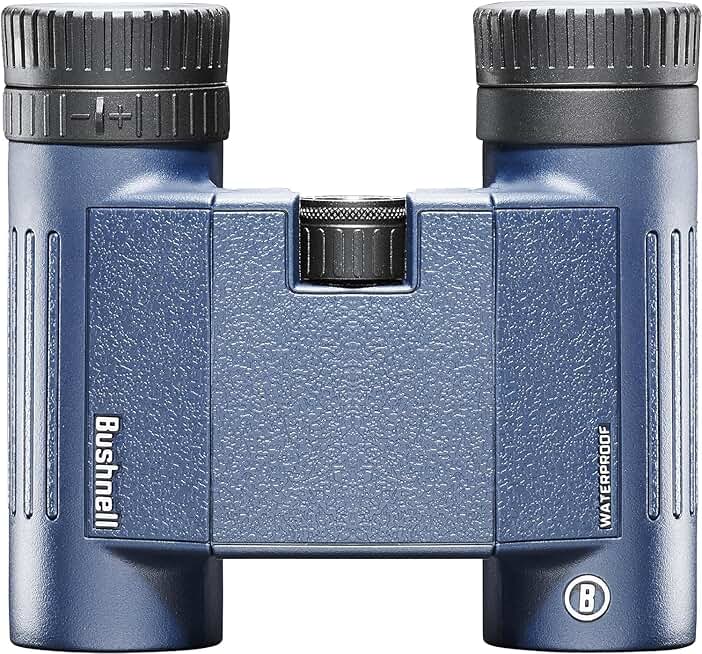
Portability dictates the rest of your choice. An 8x25 or 8x28 model fits in a jacket pocket or a small side pouch, leaving your hands free for a field guide or camera. While larger 10x25 or 10x32 models offer more reach, they are heavier and have a narrower field of view, making it harder to track quick-flying birds. For most birders, the 8x magnification provides the perfect sweet spot between reach and stability.

As an Amazon Associate, we may earn from qualifying purchases.
Best compact binoculars for travel and hiking
When you’re moving fast on a trail or navigating a new city, heavy gear feels like a penalty. The best compact binoculars for travel solve this by fitting in a jacket pocket or small daypack while still delivering a clear view. You don’t need to sacrifice optical quality for portability if you pick models designed for active use.
Look for waterproof and fog-proof construction. Rain or humidity shouldn’t ruin your view, and nitrogen purging keeps the lenses clear. Rubber armor adds grip and protects the binoculars from bumps against rocks or pack frames. These features matter as much as the magnification when you’re hiking.
The Nikon TraveLite series is a strong choice for this category. Users often recommend it for its balance of weight and clarity, typically priced around $100. It’s a reliable workhorse that shrinks down small enough to disappear in your pocket when you aren’t using it. Similarly, the Pentax Papilio series offers compact options that are easy to carry on long walks.
Optical clarity is the other half of the equation. Smaller lenses gather less light, so choosing high-quality glass helps maintain brightness even in the shade of a forest. 8x25 or 10x25 magnifications are ideal because they keep the image steady without requiring a tripod. Steiner and Vortex also make compact models like the Vanquish 10x26 that prioritize edge-to-edge sharpness for birding on the move.
How to choose the right size
Best Compact Binoculars for works best as a clear sequence: define the constraint, compare the realistic options, test the tradeoff, and choose the path with the fewest hidden costs. That order keeps the advice usable instead of decorative. After each step, pause long enough to check whether the recommendation still fits the reader's actual situation. If it depends on perfect timing, unusual access, or a best-case budget, include a simpler fallback.
The simplest way to use this section is to write down the real constraint first, compare each option against it, and choose the path that still works outside ideal conditions.
No comments yet. Be the first to share your thoughts!