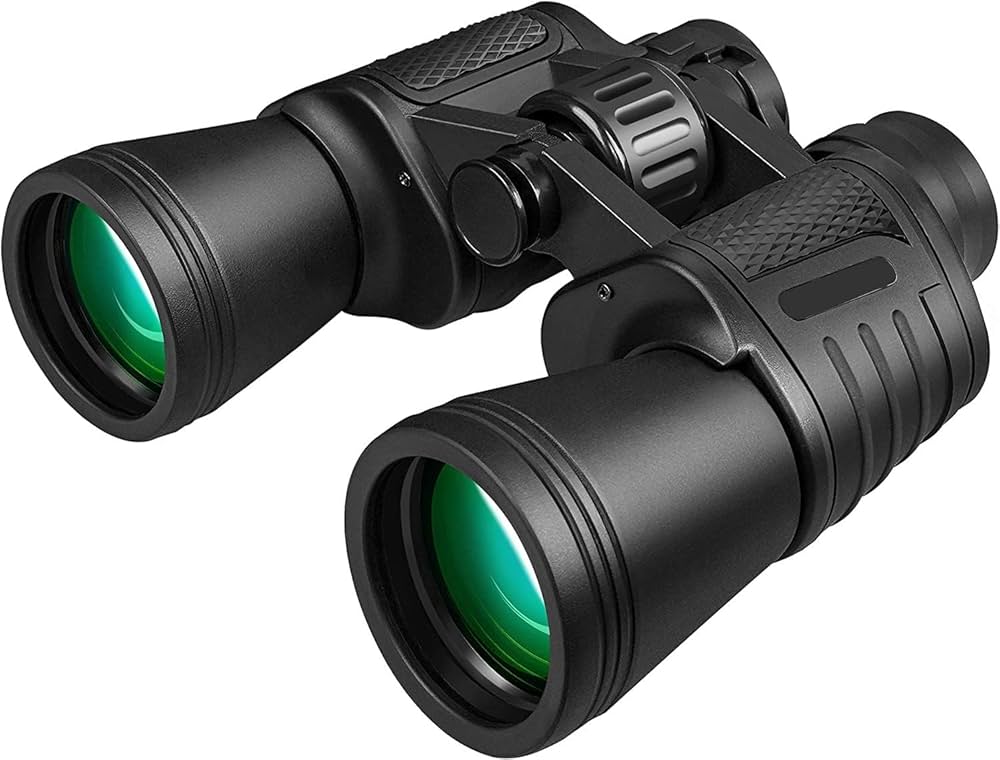

How we picked the best binoculars
Finding the right pair of binoculars means looking beyond the spec sheet. We bought and tested 16 of the best-selling models from major brands like Vortex, Nikon, Leica, and Swarovski to see how they perform in real-world conditions. Our goal was to find the best pair for your specific viewing pleasure, whether that means spotting a distant bird, scanning a hunting ground, or viewing deep-sky objects.
Our evaluation process focused on concrete usability factors that matter in the field. We looked at eye relief to ensure comfort for glasses wearers, weight distribution for long hikes, and the durability of the build against the elements. Brightness and color fidelity were assessed under various lighting conditions, from the low light of dawn birding to the harsh sun of open water.
We also considered the specific needs of different activities. For birding, we prioritized fast focus and a broad viewing area. For hunting, we tested for ruggedness and compactness. For astronomy, we looked for light-gathering ability and minimal chromatic aberration. By balancing these practical field usability factors with optical performance, we narrowed down the list to the most reliable tools for every enthusiast.
Best overall binoculars for most users
Finding a single pair that handles birding, hunting, and astronomy without breaking the bank is a balancing act. You want optical clarity that makes distant details pop, but you also need something comfortable enough to hold steady during long observation sessions. For the average buyer, the best overall binoculars strike this balance by prioritizing a versatile 10x magnification with a wide 42mm objective lens.
This 10x42 configuration is the industry standard for a reason. The 10x magnification provides enough power to spot fine feather details or track game movement, while the 42mm lenses gather ample light for clear views at dawn and dusk. It is heavy enough to feel solid in your hands but light enough to carry for hours without fatigue. This makes it the most practical choice for general outdoor use.
The Nikon Monarch M7 stands out as the top recommendation for this category. It delivers exceptional brightness and sharpness across the entire viewing area, making it easy to find targets in dense forests or dark skies. The ergonomic design ensures a comfortable fit for most face shapes, and the waterproof, fog-proof construction means you can rely on it in rain or humidity.
While premium brands like Swarovski offer slightly better edge-to-edge clarity, the Monarch M7 provides 90% of that performance at a significantly lower price point. For most people, this is the sweet spot where quality meets value. If you only buy one pair of binoculars, this is the one that will serve you well in every scenario.


As an Amazon Associate, we may earn from qualifying purchases.
Best binoculars for birding
Birding demands a specific set of optical traits that differ from general outdoor use. You need instruments that are light enough to hold steady for long periods, bright enough to spot details in deep shade, and fast enough to lock onto a moving target before it vanishes. The best birding binoculars balance weight with optical clarity, ensuring that fatigue doesn't distract you from the field marks.
Portability is the first hurdle. A pair that feels like a heavy anchor around your neck will discourage you from taking them on early morning hikes. Look for compact roof-prism designs that fit comfortably in a jacket pocket or a dedicated sling bag. The goal is to have them ready to raise to your eyes in under two seconds, whether you are scanning a treeline or waiting by a feeder.
Optical performance centers on brightness and focus speed. Large objective lenses, typically 42mm, gather more light, which is essential for viewing birds in dense forests or during dawn and dusk. However, if you prefer ultralight gear, 32mm or 36mm models offer a significant weight savings with only a minor compromise in low-light performance. Crucially, the focus mechanism must be smooth and quick. A sluggish central focus wheel can mean the difference between a clear view of a warbler and a blurry streak.


As an Amazon Associate, we may earn from qualifying purchases.
Best hunting binoculars for the field
Hunting demands gear that can survive a drop in the mud, fog up in freezing rain, and stay light enough to carry all day. Unlike birding or astronomy, where you might stand still for hours, hunting is a game of movement and patience. You need binoculars that feel like an extension of your hands, not a burden in your pack.
When shopping for hunting optics, prioritize weather sealing and grip. Rubber armor protects the glass and provides traction in wet conditions, while nitrogen purging prevents internal fogging. Weight is also critical; every ounce adds up over a ten-mile hike. Look for models that balance optical clarity with a compact form factor.
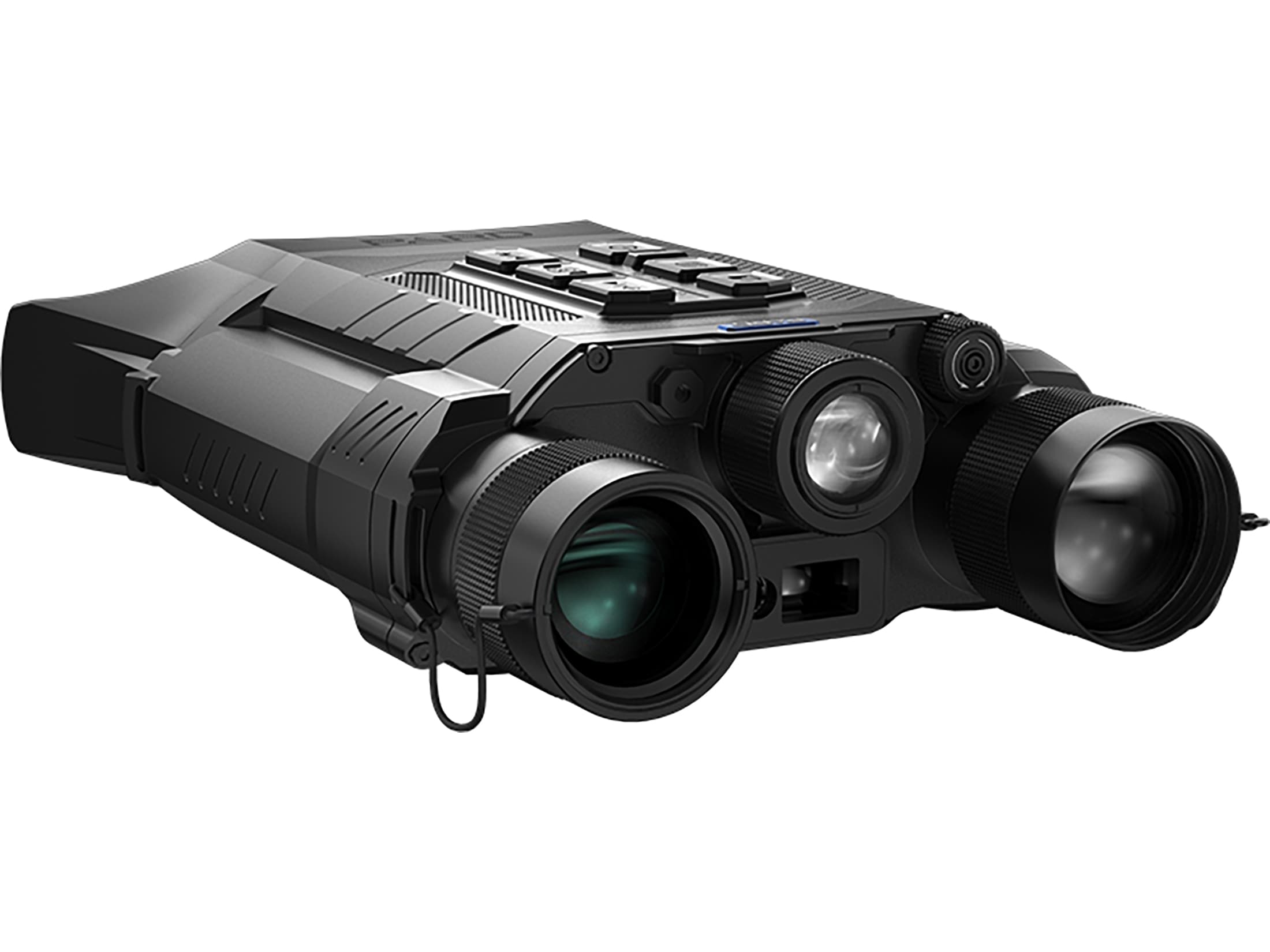
For those who hunt in low-light conditions, such as dawn or dusk, digital options are gaining traction. The PARD Osprey 4K, for example, combines traditional optics with digital night vision capabilities, allowing you to spot game in near-total darkness. This hybrid approach is becoming a favorite among bowhunters who need to make quick, ethical shots in dim light.
For traditional optical hunters, brands like Vortex and Nikon offer rugged, reliable options. These models often feature BaK-4 prisms and fully multi-coated lenses to maximize light transmission, ensuring you see clearly even when the sun is low on the horizon. The key is finding a pair that fits your specific hunting style, whether you are glassing from a tree stand or stalking through dense timber.


As an Amazon Associate, we may earn from qualifying purchases.
Best compact and budget binoculars
You don’t need to spend hundreds to get a clear view of the sky or the woods. Compact and budget-friendly binoculars have improved significantly, offering sharp optics in small, lightweight packages. These are ideal for travelers who want to pack light, kids starting their hobby, or anyone who needs a reliable backup pair.
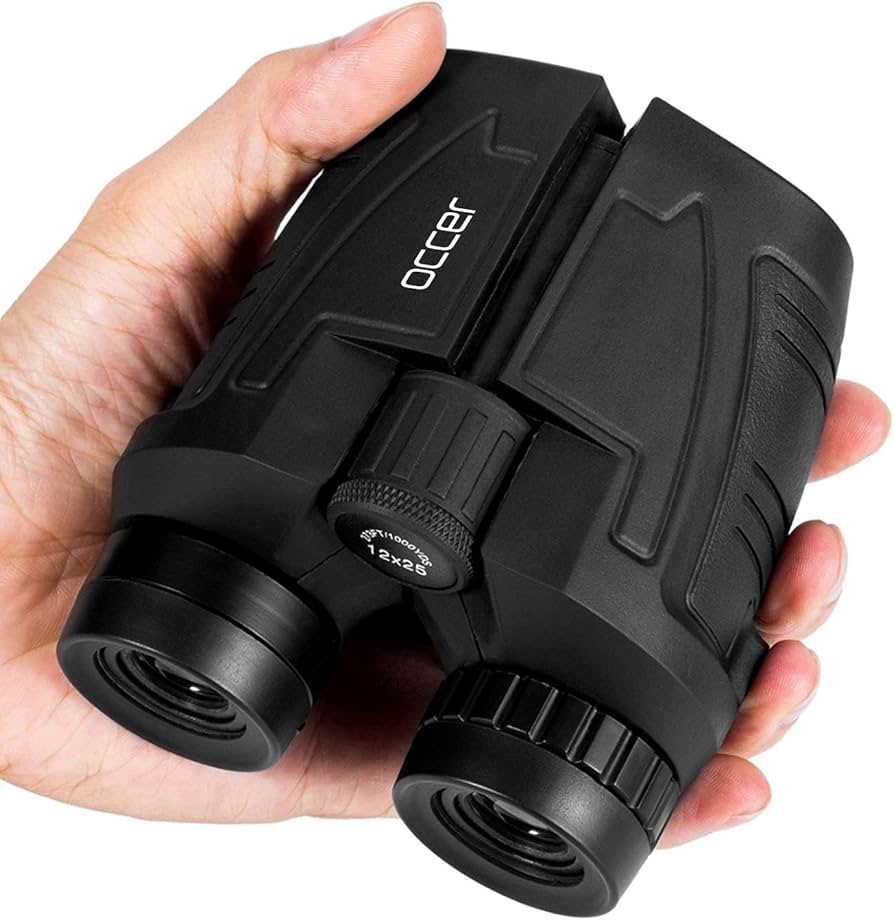
The goal here is to balance size and clarity. While larger binoculars gather more light, smaller models (often 10x25 or 12x25) are easier to hold steady and fit in a jacket pocket. They are perfect for quick birding stops, casual stargazing, or sporting events where you want to grab and go without the bulk.
Below are some of the most accessible options that deliver real-world performance without breaking the bank. These picks prioritize portability and ease of use, making them great entry points into the hobby.


As an Amazon Associate, we may earn from qualifying purchases.
Best binoculars for astronomy and stargazing
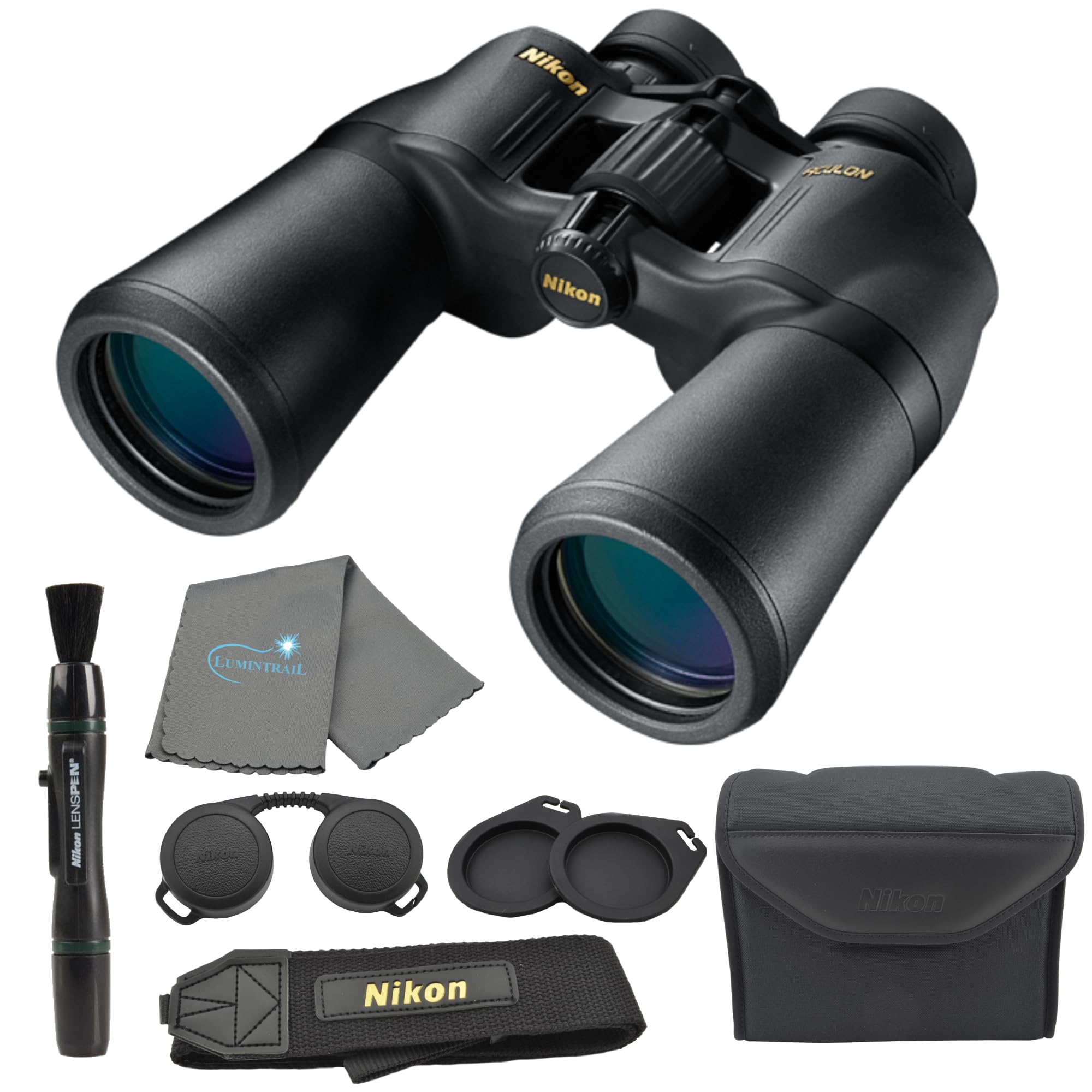
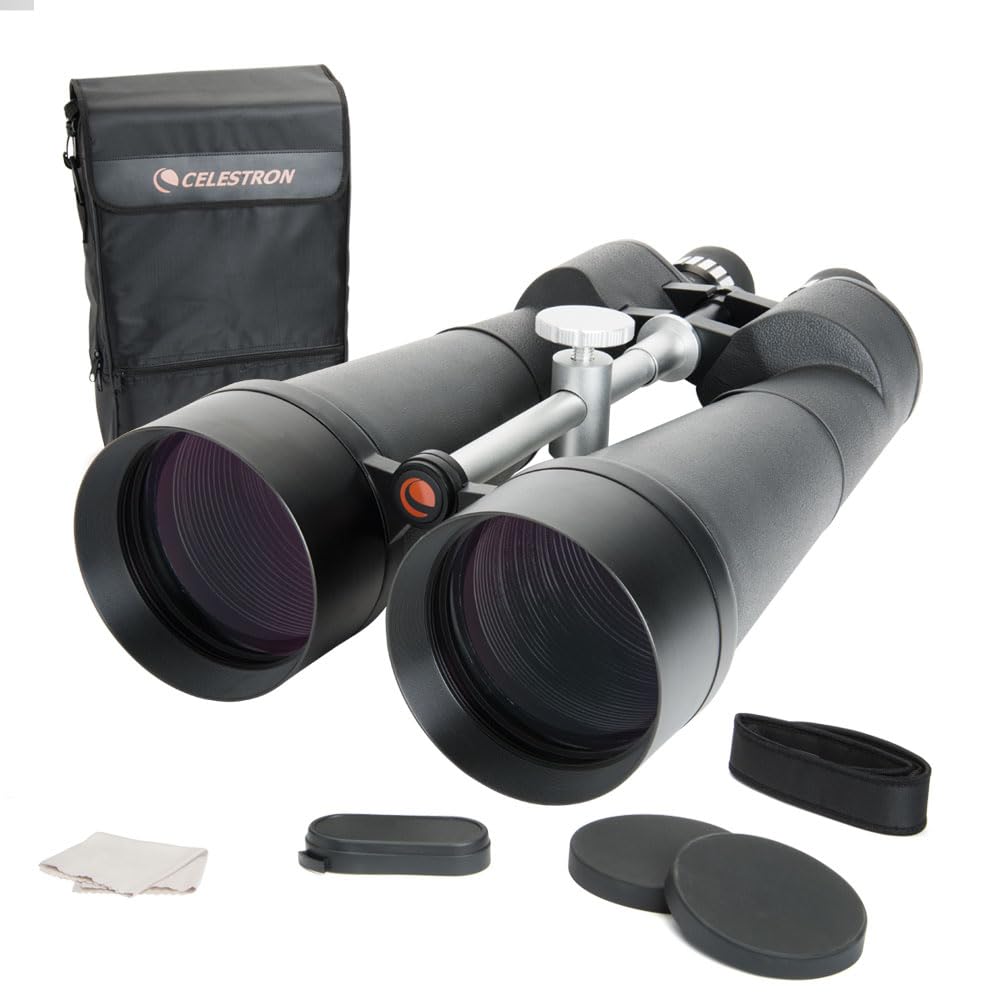
Stargazing demands different optics than birding or hunting. You need high light-gathering power to see faint nebulae and a broad viewing area to track star clusters. While high magnification sounds appealing, it darkens the image and narrows your view. For most night sky observers, 7x50 or 10x50 binoculars offer the best balance of brightness and stability.
Look for models with fully multi-coated lenses and large objective lenses (50mm or more). These features maximize the amount of starlight reaching your eyes. Apochromatic optics, like those found in the Vortex Razor HD, reduce color fringing around bright stars, delivering sharper views of celestial objects. This clarity makes a noticeable difference when scanning the Milky Way.
The following selections are optimized for low-light performance and expansive viewing areas, making them ideal for night sky observation.

As an Amazon Associate, we may earn from qualifying purchases.
Binoculars buying guide and FAQ
Choosing the right pair of binoculars comes down to balancing magnification, objective lens size, and how you plan to use them. A quick look at the specs can be confusing, but understanding these two numbers—like 10x42 or 8x32—helps narrow your search. The first number is magnification, and the second is the diameter of the front lens in millimeters.
Higher magnification brings distant subjects closer but makes the image shakier and the viewing area narrower. For birding and general observation, 8x or 10x are the standard sweet spots. If you are hunting in dense woods, 8x is often preferred for its wider view and steadier image. For astronomy, 10x50 or 10x42 models gather enough light to reveal more detail in the night sky.
No comments yet. Be the first to share your thoughts!