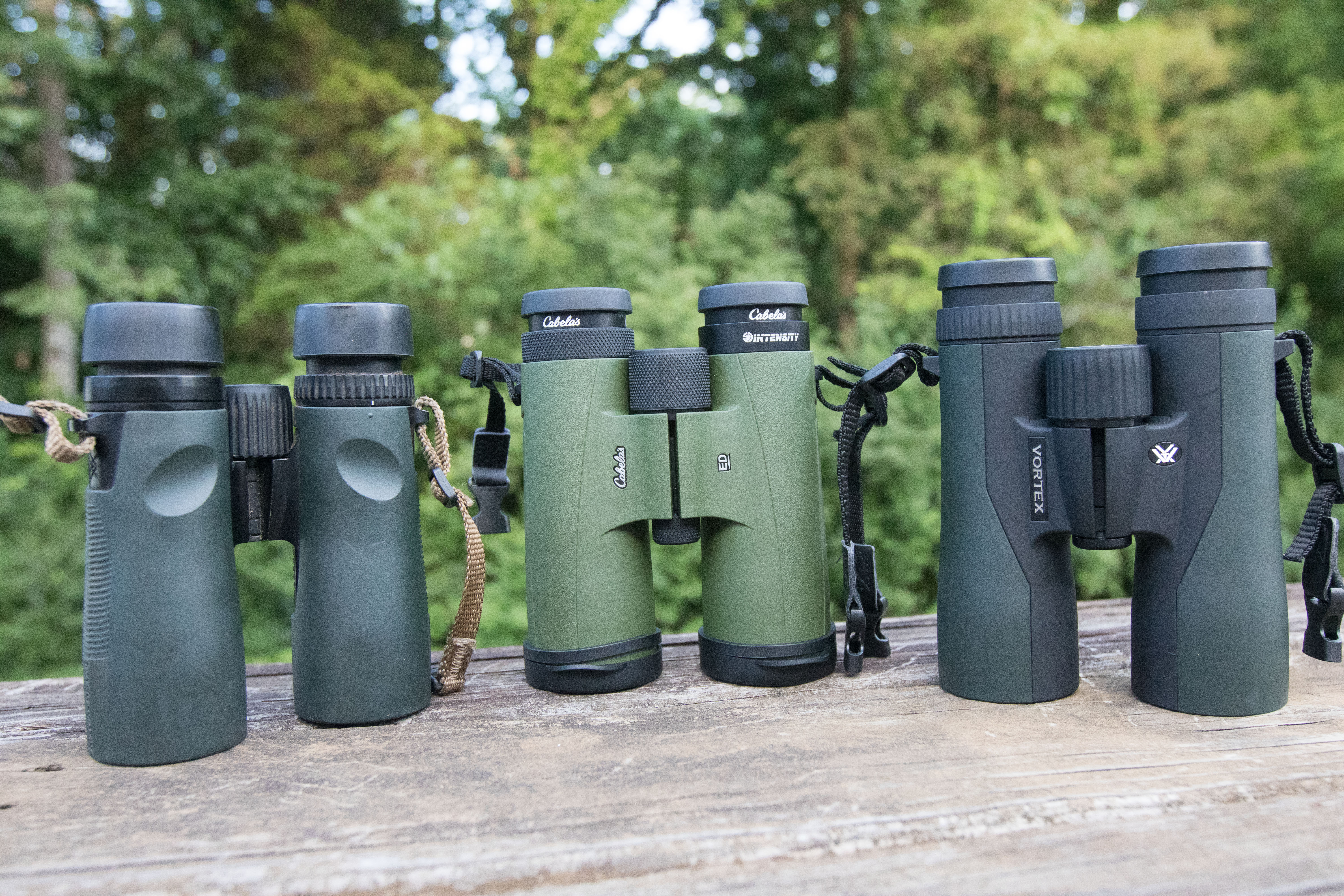

How compact binoculars balance size and clarity
Choosing the right compact binoculars means deciding how much weight you are willing to carry versus how much detail you need to see. The sweet spot for most travelers and birders is an 8x32 configuration. The 8x magnification provides a steady, wide field of view that makes tracking birds in trees much easier, while the 32mm objective lens lets in enough light to keep images bright even in the shade.
If your priority is strictly minimizing pack space, you can step down to 8x25 or 10x25 models. These are lighter and fit into smaller side pockets, but the smaller lenses gather less light. This means the view may feel dimmer in early morning or dense forest conditions. Additionally, higher magnification like 10x makes handheld viewing shakier unless you have very steady hands or a tripod.
Roof prism designs are the standard for compact travel optics because they keep the body slim and straight. Look for models that offer waterproofing and fog-proofing, as these features protect the internal optics from humidity and rain during sudden weather changes. Prioritize glass quality over extra features; good optics matter more than built-in rangefinders or complex adjustment mechanisms when you are on the move.
Best overall compact binoculars for travel
Finding a pair that balances portability with serious optical performance is ideal for most travelers. You want something small enough to slip into a jacket pocket or small daypack, but powerful enough to spot a warbler in the canopy or read a trail marker from a distance. The best compact binoculars for birding and travel achieve this balance without forcing you to compromise on brightness or sharpness.
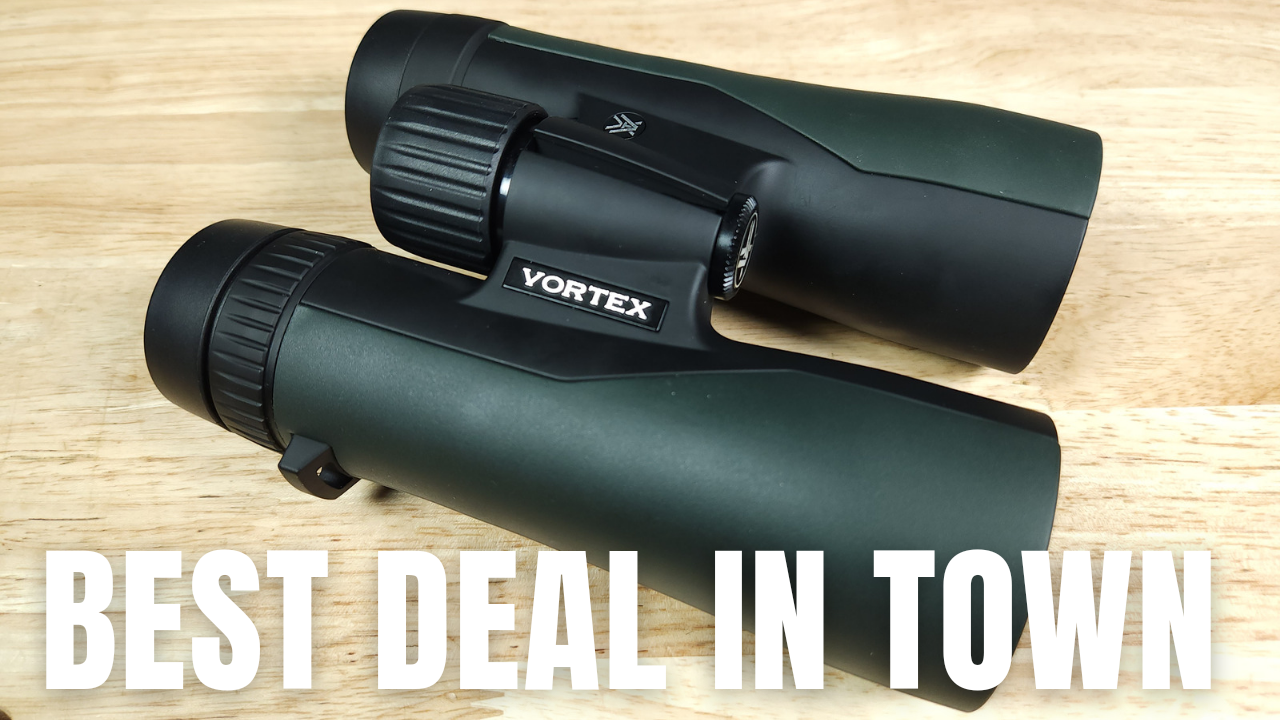
The Vortex Crossfire 8x32 or 10x32 models are widely considered the gold standard in this category. They offer a comfortable eye relief and high-quality lenses that perform well in various lighting conditions, all for a price point that usually sits around $100. This makes them an accessible entry point for hobbyists who don't want to invest in premium glass immediately but still demand reliability in the field.
For those prioritizing extreme portability, the Occer 12x25 is a frequent contender. Its 12x magnification provides a tighter zoom than standard 8x or 10x models, which is excellent for distant wildlife spotting. However, higher magnification in a small package can make the image shakier in your hands, so it works best when you have a stable rest or steady hands. The 25mm objective lens keeps the weight down significantly, making it a favorite for backpackers who count every ounce.
Nikon’s Aculon T01 or T02 series offers another solid alternative. These binoculars are known for their compact form factor and decent optical clarity, often available for under $100. While they may not have the premium coatings of higher-end models, they provide a sharp, clear view that is more than sufficient for casual birding and sightseeing. They are lightweight and durable, serving as a reliable addition to your travel kit that won't break the bank.


As an Amazon Associate, we may earn from qualifying purchases.
Premium options for serious birders
If you are willing to spend more, you get binoculars that feel like an extension of your eyes rather than a piece of luggage. The jump from budget to premium compact models isn’t just about brand prestige; it’s about glass quality, weight distribution, and durability that holds up to years of trail abuse. For serious birders, the difference is in the clarity of distant plumage and the comfort during long observation sessions.
Vixen’s Vixner series is a staple in the premium compact market. These binoculars use ED (extra-low dispersion) glass to eliminate chromatic aberration, meaning you see sharp images even in low light or high-contrast situations like spotting a bird against a bright sky. They are famously lightweight and durable, often favored by ornithologists who need to carry optics for hours without fatigue. The compact form factor doesn’t compromise the field of view, making it easier to track moving targets.
Nikon’s Monarch line offers a compelling alternative, particularly for those who prioritize brightness and ease of use. While not always the smallest on the market, their compact models feature high-quality coatings that maximize light transmission. This results in brighter images in dawn or dusk conditions when many birds are most active. The ergonomic design ensures a secure grip, even in wet conditions, which is crucial when navigating slippery trails or dense brush.
Swarovski Optik’s EL Range binoculars represent the pinnacle of compact engineering. They are exceptionally light and feature premium glass that delivers stunning color fidelity and contrast. While they come with a higher price tag, the build quality is unmatched, with waterproof and fog-proof construction that guarantees longevity. For the birder who views their optics as a long-term investment, these models provide the clarity and reliability needed for serious field work.
Affordable compact binoculars for casual use
You don't need to spend hundreds to get a decent view of the sky or your neighbors' bird feeder. For casual birding, travel, or simply introducing a child to the outdoors, budget-friendly compact binoculars offer a practical entry point. These models prioritize portability and ease of use over high-end optical perfection, making them ideal for quick glances rather than detailed scientific observation.
The Vortex Crossfire 8x32 or 10x32 are frequently cited as reliable workhorses in this price bracket. At around $100, they strike a balance between durability and clarity that is hard to beat for the money. They are robust enough for travel and clear enough to spot common backyard birds, serving as a solid baseline for anyone who wants better optics than phone zoom but doesn't want to carry heavy gear.
For those on an even tighter budget, or for younger users, ultra-compact 7x18mm models provide a lightweight alternative. These smaller binoculars are easy to slip into a pocket or bag and are durable enough to withstand the occasional drop by a curious kid. While the field of view is narrower and low-light performance is limited, they are perfect for bright daylight use where simplicity matters most.


As an Amazon Associate, we may earn from qualifying purchases.
How to compare compact binocular specs
When you are looking at compact binoculars, the numbers on the tube tell the whole story. The first number is magnification, and the second is the objective lens diameter in millimeters. A pair labeled 8x25 means you get eight times closer, with a 25mm front lens. This ratio is the most important starting point for balancing power with portability.
Magnification is a double-edged sword. Higher numbers like 10x or 12x bring distant birds closer, but they also amplify hand shake. For travel and general birding, 8x is often the best choice because it offers a wider field of view and easier handling. The Occer 12x25 model mentioned in some reviews can work, but you will need steady hands to keep the image sharp.
The objective lens size affects brightness and weight. Smaller lenses (21mm to 25mm) keep the binoculars pocket-sized but may struggle in low light. Larger lenses (32mm) gather more light, making them better for dawn or dusk birding, but they add bulk. The Vortex Crossfire 10x32 is a popular choice here, offering a good middle ground for those who prioritize clarity over extreme compactness.
| Model Type | Magnification | Objective Lens | Best For |
|---|---|---|---|
| Ultra-Compact | 7x - 10x | 18mm - 21mm | Pocket carry, kids |
| Standard Compact | 8x - 10x | 25mm | Travel, general birding |
| Light-Field Compact | 8x - 10x | 32mm | Low light, detailed viewing |
Field of view matters just as much. This is how wide an area you can see through the lenses. A wider field of view makes it easier to track moving birds. If you are buying for travel, aim for a model that offers at least 300 feet of view at 1,000 yards. This ensures you are not constantly adjusting your aim to find the subject.
What is the best size for compact binoculars?
The sweet spot for most travelers and birders is an 8×32 configuration. This size offers a wide field of view and enough light gathering to keep images bright, even in the early morning or dense woods. If you are strictly focused on ultralight carry, an 8×25 model is the next logical step, though you will notice a drop in low-light performance.
The trade-off is simple: smaller objective lenses (25mm vs. 32mm) mean lighter weight but dimmer images. High-quality optics or ED (Extra-low Dispersion) glass can help mitigate this brightness loss, but they rarely match the clarity of a 32mm lens. Choose the size that matches your willingness to carry a bit more weight for a clearer picture.
No comments yet. Be the first to share your thoughts!