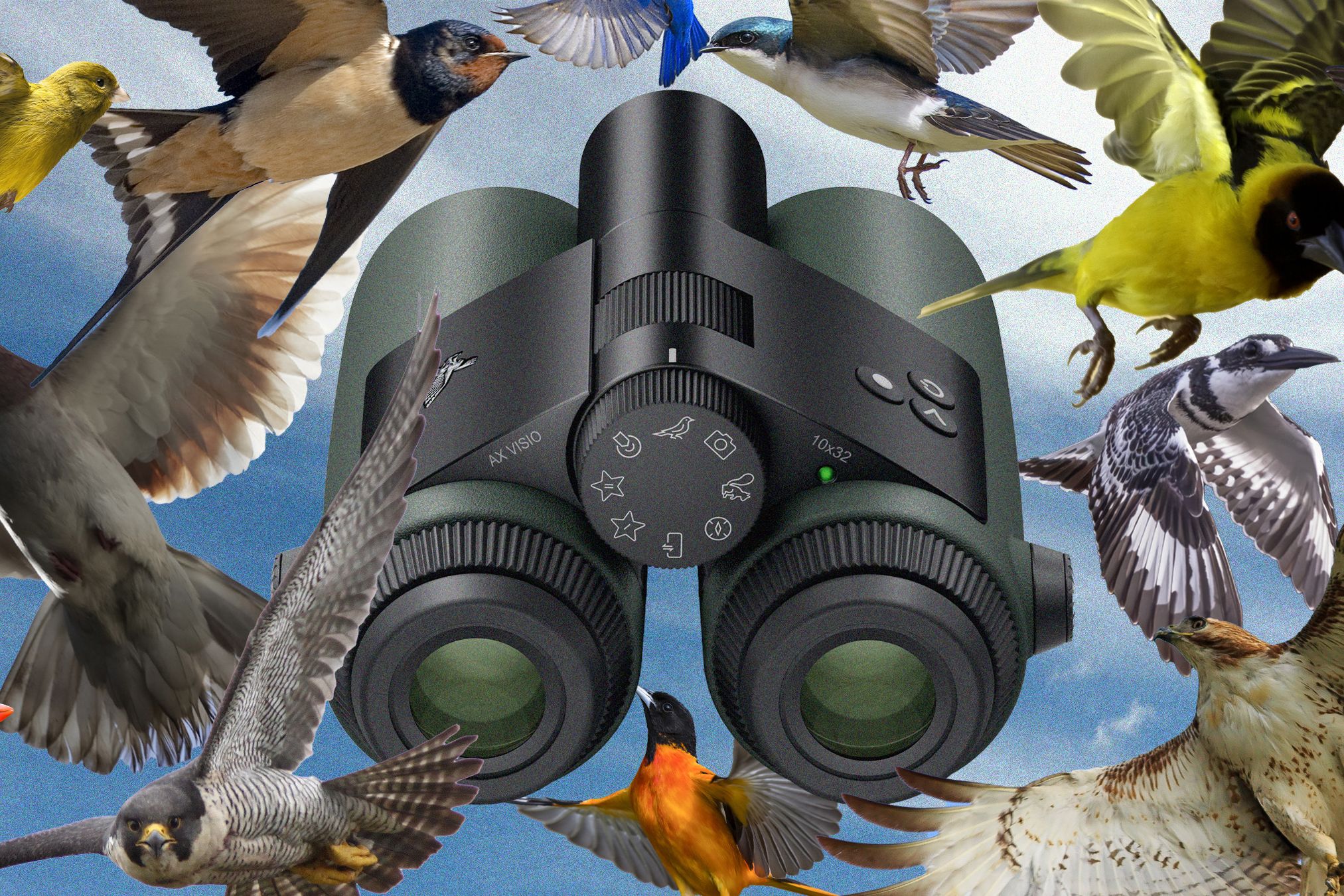

How we picked the best binoculars
We tested 16 of the best-selling binoculars from brands like Vortex, Nikon, and Leica to help you find the best pair for active birding. Our evaluation focused on three core areas: compactness, optical clarity, and durability.
Compactness is non-negotiable. Birding often involves long hikes with minimal gear. We favored models that fit comfortably in a pack without adding unnecessary weight, ensuring you can carry them for hours without fatigue.
Optical clarity determines how well you see details in low-light conditions, such as dawn or dusk. We evaluated lens coatings and prism quality to ensure bright, sharp images even in challenging lighting.
Durability ensures your binoculars survive the elements. We looked for waterproof and fog-proof construction, as well as rubber armor that provides grip and protection against drops. These criteria help us narrow down the best binoculars for birding to those that perform reliably in the field.
Best overall binoculars for birding
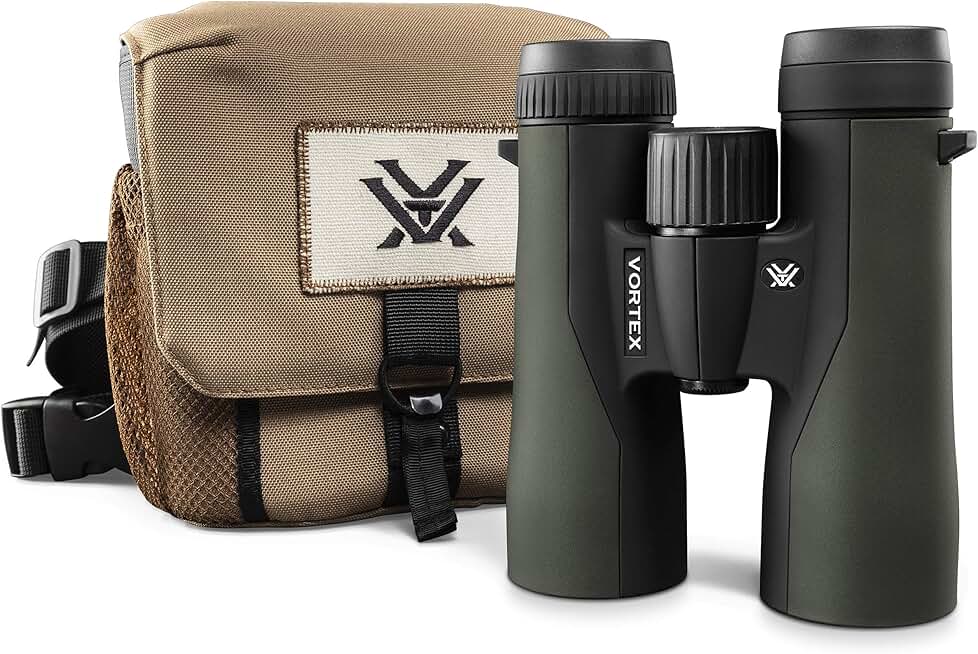
The Vortex Viper HD 10x42 stands out as the best all-around binocular for birding, offering a balance of optical clarity, durability, and value that suits most field conditions. Its HD glass delivers sharp, color-accurate images, making it easier to identify subtle plumage details on distant birds. The 10x magnification provides enough reach for most backyard and park birding scenarios without the shakiness often associated with higher powers.
Built for the field, this pair features waterproof and fog-proof construction, ensuring reliable performance in rain, humidity, or temperature swings. The rubber armor provides a secure grip even in wet conditions, while the ergonomic design reduces hand fatigue during long observation sessions. For the average birder, these features mean you can focus on the birds, not your gear.
While premium options from Swarovski or Zeiss exist, the Vortex Viper HD offers comparable optical performance at a significantly lower price point. This makes it an ideal entry point for new birders and a solid upgrade for those outgrowing cheaper models. Its versatility ensures it will serve well whether you are scanning tree canopies or watching shorebirds from a distance.


As an Amazon Associate, we may earn from qualifying purchases.
Best compact binoculars for travel
Lightweight optics are essential for birders who want to stay mobile without carrying heavy gear. Compact binoculars offer a balance of portability and optical quality, making them ideal for travel, hiking, or extended field sessions where every ounce counts. These models are designed to fit easily into a backpack or vest pocket while still delivering clear, bright images of distant birds.
When choosing compact binoculars, prioritize weight and size alongside magnification and lens diameter. A pair that weighs under 15 ounces can significantly reduce fatigue during long days in the field. Look for models with rubber-armored bodies for durability and waterproofing to protect against rain and humidity. While compact binoculars may have slightly smaller objective lenses than full-size models, modern coatings ensure good light transmission even in low-light conditions.
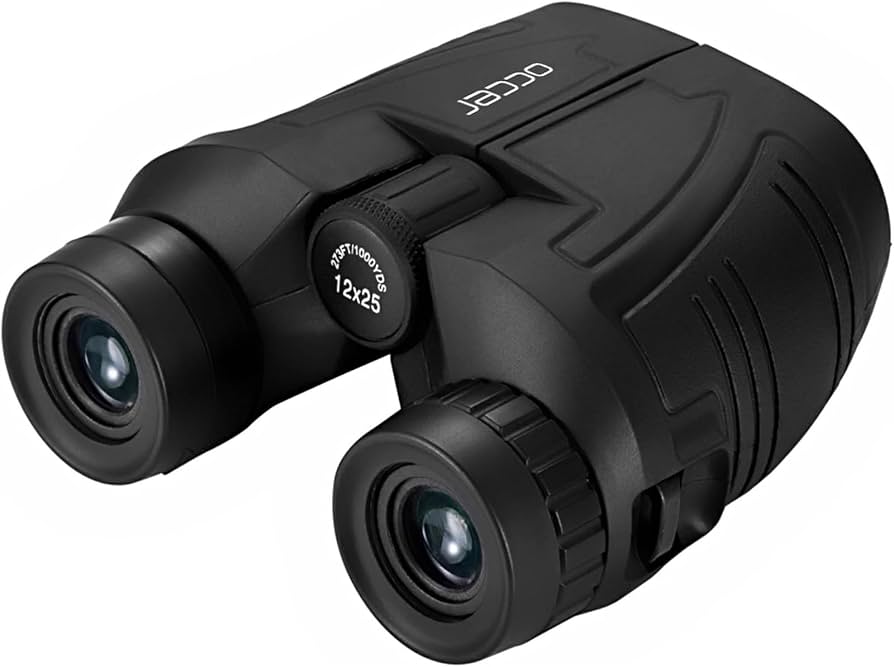
The Occer 12x25 Compact Binoculars are a popular choice for budget-conscious birders who need a lightweight, high-magnification option. These binoculars are waterproof, fogproof, and shockproof, making them durable for outdoor use. They are particularly suitable for adults and kids who want a portable option for casual birding or nature watching.
Another strong contender is the Vortex Triumph HD 12x50 Binoculars, which offer high-definition optics in a compact form factor. These binoculars are waterproof and fogproof, with a shockproof design that withstands rough handling. They are ideal for birders who need high magnification and clear images in various lighting conditions.

As an Amazon Associate, we may earn from qualifying purchases.
Best budget binoculars under $100
You do not need to spend a fortune to see birds clearly. Several manufacturers produce capable optics that keep you under the $100 mark while delivering sharp images and comfortable handling for casual birding trips.
The Nikon Aculon A211 8x42 stands out as a reliable entry point. Its 8x42 configuration offers a wide field of view, making it easier to track moving birds in dense foliage. The 42mm objective lenses gather enough light to keep images bright even in shaded forest environments, which is essential for early morning or late afternoon birding sessions.
For those who prefer a more compact design, the Celestron Outland X 10x42 provides higher magnification without the bulk of premium models. This pair is ideal for open areas where you might spot birds at a greater distance. The rubber-armored body adds durability, protecting the optics from the occasional bump against tree branches or rocks.
Another strong contender is the Nocs Provisions Standard Issue 8x25. These binoculars are significantly lighter and easier to carry for long hikes. While the smaller 25mm lenses mean slightly less light transmission, they are perfectly adequate for daytime birding in well-lit conditions. Their compact size makes them easy to slip into a jacket pocket or small backpack.
Comparison of budget models
The table below outlines the key specifications for these three recommended budget binoculars, helping you choose the right balance of magnification, lens size, and portability for your birding needs.
| Model | Magnification | Objective Lens | Weight |
|---|---|---|---|
| Nikon Aculon A211 | 8x | 42mm | 28 oz |
| Celestron Outland X | 10x | 42mm | 30 oz |
| Nocs Standard Issue | 8x | 25mm | 10 oz |
What to look for in birding binoculars
Choosing the right pair of birding binoculars comes down to balancing magnification, lens size, and field of view. These three specs dictate how much detail you see, how bright the image is, and how easily you can track moving birds in dense foliage.
Magnification and Objective Lens
Most birders stick with 8x42 or 10x42 models. The first number is magnification; the second is the diameter of the objective lens in millimeters. An 8x42 setup offers a wider field of view and a steadier image, making it easier to spot birds in trees. A 10x42 provides more reach for distant waterfowl or raptors but requires a steadier hand or a tripod for long periods.
Field of View
Field of view (FOV) measures the width of the scene visible at 1,000 yards. A wider FOV is critical for scanning active habitats like forests or shorelines. High-magnification binoculars often sacrifice width, so check the feet-per-1,000-yards rating. For example, an 8x42 might offer 400+ feet of view, while a 10x42 might drop to 350 feet. This difference matters when tracking fast-moving songbirds.
Exit Pupil and Eye Relief
The exit pupil is the size of the light beam exiting the eyepiece, calculated by dividing the objective lens diameter by the magnification. A larger exit pupil (5mm or more) creates a brighter image in low light, such as dawn or dusk. Eye relief, the distance your eyes must be from the eyepiece, should be at least 15mm for comfortable viewing, especially if you wear glasses.
"Whether you're a novice looking for your first set of bins or an experienced birder looking to upgrade, we cover options for every budget." — Audubon Guide to Binoculars
Prioritize these specs based on your primary birding environment. Forest birders often prefer 8x42 for their wider view, while lake or mountain birders may lean toward 10x42 for distance. Always test the balance and weight in hand before buying.
Frequently asked questions about binoculars
Choosing the right optics for birding involves balancing magnification, weight, and field of view. These common questions address the trade-offs that matter most when you are out in the field.
What magnification is best for birding?
8x42 binoculars are the standard for most birders. The 8x magnification provides a stable image that is easy to hold steady, while the 42mm objective lens gathers enough light for early mornings or dense woods. Higher magnifications like 10x or 12x can shake too much for handheld use, making it harder to track fast-moving birds.
Are lightweight binoculars worth the trade-off?
Yes, especially for long hikes. Compact 8x25 or 8x32 models weigh significantly less than full-size pairs, reducing fatigue on the neck and shoulders. While they may have slightly smaller fields of view, the ability to carry them effortlessly often leads to more time spent observing rather than adjusting gear.
How do I choose between roof and prism binoculars?
Roof prism binoculars are generally preferred for birding because they are more compact and durable. They have a straight optical path, making them easier to pack and carry. Porro prism binoculars offer a wider field of view at a lower price but are bulkier and more prone to misalignment during transport.
No comments yet. Be the first to share your thoughts!