
Binoculars budget
Optics don’t scale linearly with price. A $100 pair of binoculars can outperform a $500 model if the coatings are clean and the glass is free of defects, but getting there requires knowing where manufacturers cut corners. The sweet spot for birding usually sits between $250 and $400, where you get reliable brightness without paying for premium brand premiums or excessive weight.
The cheapest binoculars often suffer from dim images in the early morning or late evening, which is when many birds are most active. This happens because low-cost glass lacks high-quality anti-reflective coatings. If you can’t see the bird clearly at dawn, the magnification doesn’t matter. Spending a bit more ensures the light path is clear, making identification faster and less straining on your eyes.
Age and condition matter more than you might think. Used binoculars from reputable brands like Nikon, Canon, or Kowa often offer better value than new entry-level models. Check for internal fogging or fungus, which indicates seal failure and ruined optics. A well-maintained older pair can still deliver sharp, bright images for half the cost of a new budget model.
Don’t assume higher magnification equals better value. For birding, 8x42 or 10x42 configurations are standard because they balance field of view with stability. Higher magnifications like 12x require a tripod to avoid shaky images, adding weight and cost. Stick to the proven formats unless you have a specific need for long-range scanning.
Shortlist real options
We compared the strongest best binoculars for birding across price tiers and use cases. The goal is to help you pick optics that match your field habits, not just your budget.
The Nikon Monarch M7 stands out as the best overall binocular for most birders. It delivers sharp optics, bright images, and a comfortable grip that holds up during long sessions. The Kowa Genesis serves as a strong runner-up, offering premium glass and weather sealing for those who need durability in harsh conditions. For birders on a budget, the Celestron Nature DX provides excellent value without sacrificing too much clarity.
| Model | Magnification | Objective Lens | Best For | Weight |
|---|---|---|---|---|
| Nikon Monarch M7 | 8x or 10x | 42mm | Best Overall | 20 oz |
| Kowa Genesis | 8x or 10x | 42mm | Premium Durability | 22 oz |
| Celestron Nature DX | 8x or 10x | 42mm | Budget Pick | 21 oz |
| Vortex Diamondback HD | 8x or 10x | 42mm | Value Glass | 19 oz |
Choosing between 8x42 and 10x42 binoculars often comes down to stability and field of view. The 8x42 offers a wider view and is easier to hold steady, making it ideal for tracking fast-moving birds. The 10x42 brings distant subjects closer but requires steadier hands or a tripod. If you prioritize portability, consider compact 10x25 or 8x25 models, though they sacrifice brightness in low light.
The best binocular brand depends on your specific needs. Nikon is known for bright, sharp optics, while Vortex offers excellent warranty service and value. Celestron remains a top choice for entry-level birders who want reliable performance without a high price tag. Ultimately, the best type of binocular for you is one that feels comfortable in your hands and provides clear images in your typical lighting conditions.


As an Amazon Associate, we may earn from qualifying purchases.
Inspect the expensive parts
Birding binoculars take a beating in humid woods and dusty trails. The most expensive failure points are usually the internal optics and the hinge mechanisms, not the plastic housing. A quick inspection of these areas tells you if a pair will last or if it’s just a pretty shell.
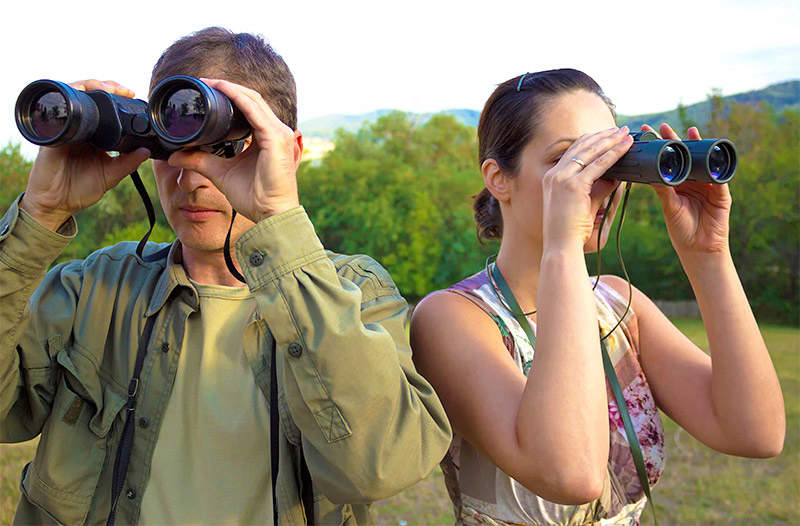
Look through the eyepieces at a plain white wall or sky. Any cloudiness, dust motes, or oil-like smudges inside the glass indicate a seal failure. Once nitrogen purging escapes, fungus grows in weeks. This is a total loss; you cannot fix it in the field.
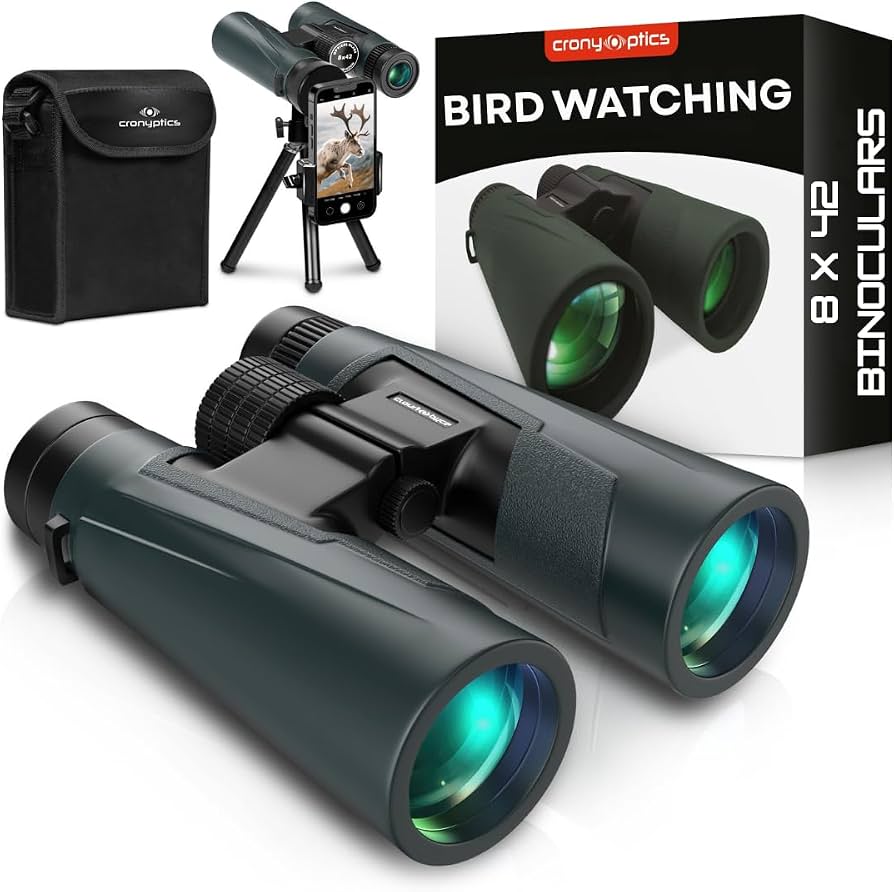
Open and close the binoculars fully. The movement should be smooth with consistent resistance. If the hinge feels gritty, loose, or develops a "dead spot" where focus drops, the internal gears are likely worn. A stiff focus wheel also drains your hands during long birding sessions.
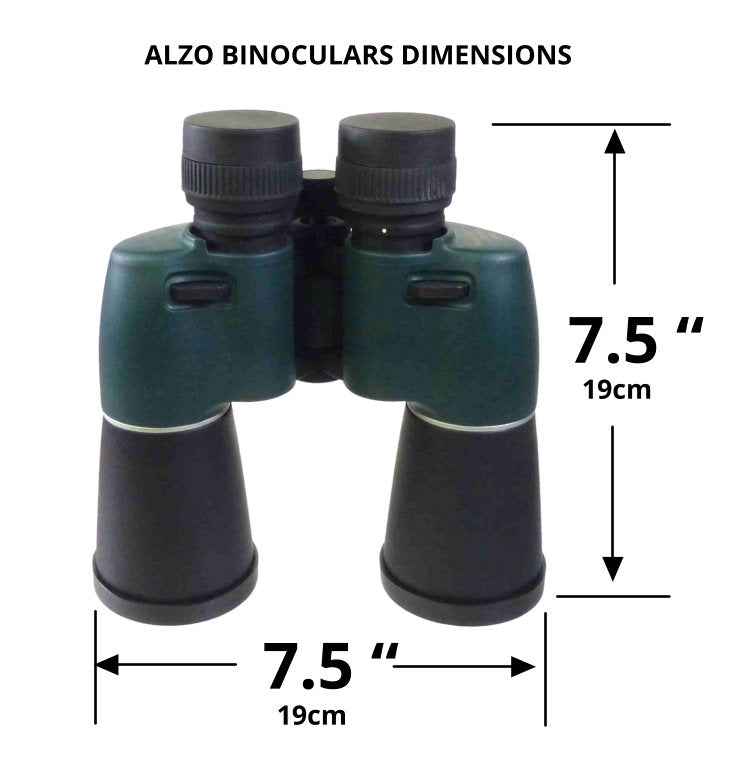
Peel back the rubber armor at the edges. It should be glued or molded tight, not peeling away to expose hard plastic. Check the eyecups for cracks; broken rubber here lets moisture into the hinge area. Cracked eyecups also make it hard to maintain a consistent eye relief position.
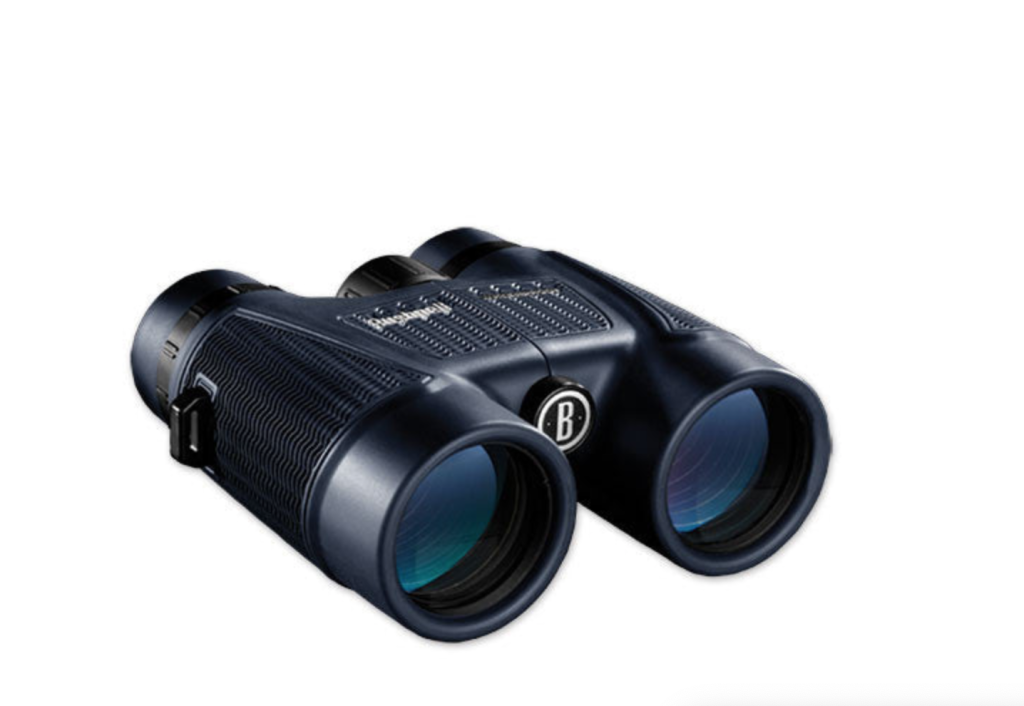
Put the binoculars to your eyes. You should see a full, circular field of view without any black shadows (vignetting) at the edges. If you wear glasses, twist the eyecups down to check if the image stays sharp. A broken diopter ring will prevent you from correcting for vision differences between eyes.
These checks take less than a minute but save you from buying a pair that will fail before the season ends. Focus on the seals and hinges first; they are the heart of the instrument.
Plan for ownership costs
The sticker price is only the first expense. Birding binoculars are precision optical instruments that require specific care to last. A $200 pair that breaks after one season costs more than a $400 pair that lasts a decade. Understanding the total cost of ownership helps you avoid "cheap" buys that fail under field conditions.
Maintenance and Repair Costs
Binoculars need protection. A hard case costs $20-$40 and prevents lens scratches and body damage. Lens cleaning kits are inexpensive, but using the wrong cloth or chemicals can ruin coatings.
If you drop your binoculars, they often go out of alignment. Collimation requires professional service, which can cost $50-$100. Some brands offer lifetime warranties that cover this, while others do not. Check the warranty terms before buying.
When Cheap Stops Being Cheap
Budget binoculars often use cheaper glass and weaker internal structures. They may fog up in humidity or have loose focus wheels. Over time, these issues become expensive to fix or replace.
Invest in a mid-range pair if you bird frequently. The durability and optical quality justify the higher initial cost. For occasional use, a budget pair may suffice, but expect to replace it sooner.


As an Amazon Associate, we may earn from qualifying purchases.
Common binoculars: what to check next
Choosing the right optics for birding often comes down to balancing weight, magnification, and brand reputation. Before you buy, it helps to understand how these factors affect your actual time in the field.
No comments yet. Be the first to share your thoughts!