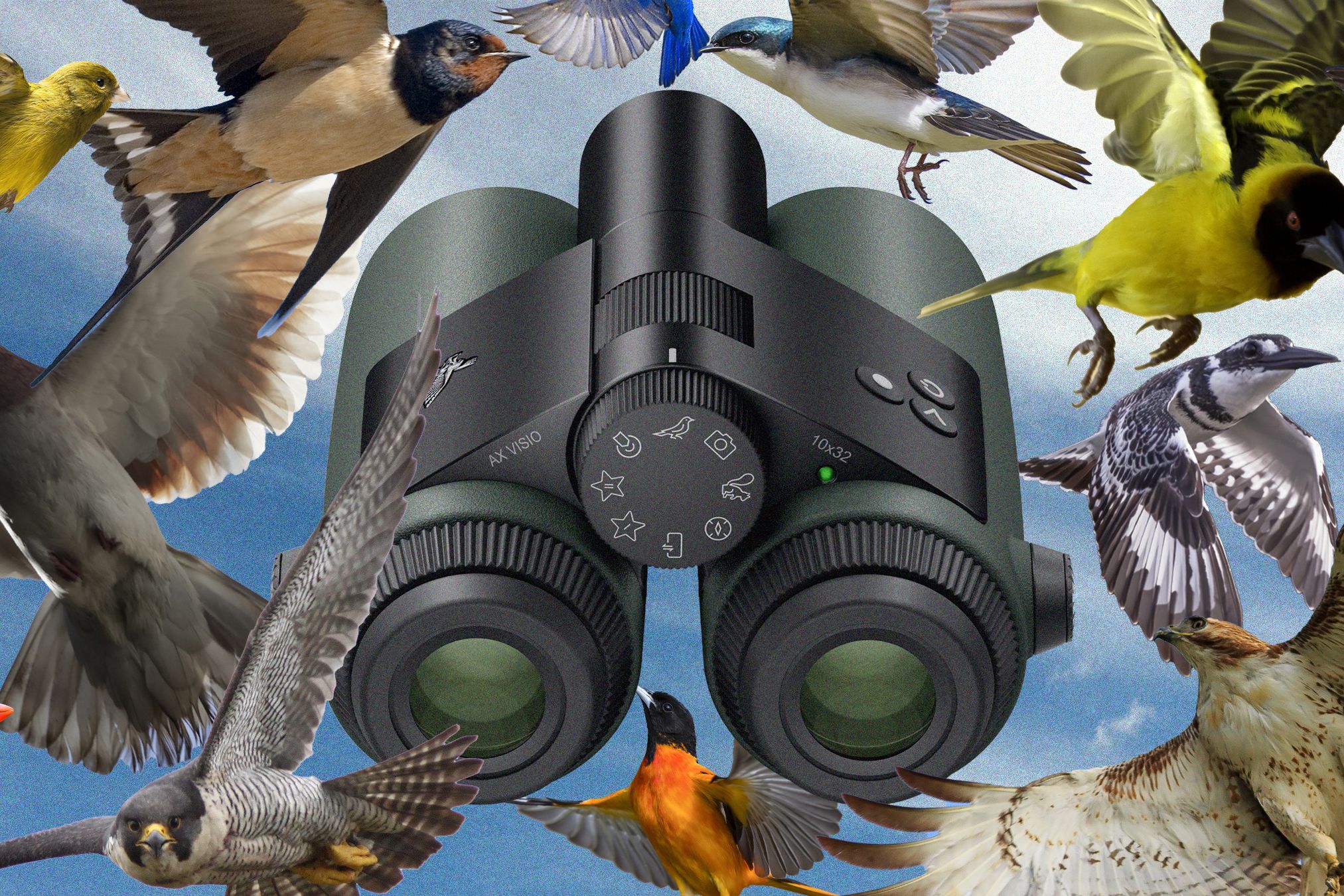

Why compact binoculars matter for birding
Use this section to make the Best Binoculars for Birding decision easier to compare in real life, not just on paper. Start with the reader's actual constraint, then separate must-have requirements from details that are merely nice to have. A practical choice should survive normal use, maintenance, timing, and budget. If a recommendation only works in an ideal situation, call that out plainly and give the reader a fallback path.
The simplest way to use this section is to write down the must-have criteria first, then compare each option against those criteria before weighing nice-to-have features.
5 Compact Picks for 2026
Finding binoculars that are light enough for the trail but sharp enough for the treetops is the ultimate birding trade-off. We’ve narrowed the field to five specific compact models that excel in real-world scenarios, from early morning hikes to budget-conscious setups.
1. Best overall compact binoculars
The RSPB Avocet 8x25 strikes a rare balance between optical clarity and pocketability. Its multi-coated lenses deliver bright, high-contrast images ideal for identifying distant warblers or raptors. The ergonomic grip ensures steady viewing even during long observation sessions, making it a versatile choice for casual birders who refuse to compromise on image quality.

2. Best lightweight option for hikers
Hikers need gear that disappears into a pack. These ultralight binoculars weigh almost nothing, allowing you to focus on the trail rather than neck strain. The streamlined body fits easily into jacket pockets, ensuring you can quickly scan tree lines for movement without digging through bulky equipment during a strenuous ascent.

3. Best low-light performance for dawn
Dawn birding requires optics that gather maximum light. This model features large exit pupils and advanced coatings to brighten dim forest edges and misty mornings. You will spot shy species moving in low visibility without struggling to focus, ensuring you catch the most active hours of the day with clear, detailed views.

4. Best budget-friendly compact choice
You do not need to spend a fortune to enjoy birding. This affordable option delivers surprisingly sharp images and reliable focus mechanisms at a fraction of the cost of premium brands. It is perfect for beginners or parents introducing children to nature, proving that quality optics can fit comfortably within a tight budget.

5. Best waterproof compact binoculars
Rain or humidity should never stop your birdwatching. These binoculars are fully waterproof and fog-proof, sealed with nitrogen to prevent internal condensation. Whether you are caught in a sudden shower or watching from a damp marsh, the optics remain clear and functional, offering durability and peace of mind in wet conditions.

How to choose the right magnification
Magnification is the first fork in the road when picking compact binoculars. The numbers on the front (8x, 10x, or 12x) tell you how much closer an object appears, but higher isn't always better. For birding, especially in the field, you need to balance that zoom with stability and light.
8x: The Steady Choice Eight times magnification is the sweet spot for most hikers and dawn patrols. Because the image is steadier, you can hold the binoculars longer without getting shaky. This makes 8x compact models easier to use while walking or scanning tree lines where birds might move quickly. If you value a wider field of view and comfort over extreme reach, this is your baseline.
10x: The Balanced Zoom Ten times magnification offers a noticeable jump in detail, helping you spot smaller birds or see more plumage texture. However, the trade-off is a narrower field of view and more hand shake. You will likely need to brace yourself against a tree or use a tripod for long sessions. Many birders choose 10x compact models for stationary spotting scopes or when they are willing to trade some comfort for that extra clarity.
12x: High Power, High Shake Twelve times magnification is for specialized use cases. It reveals incredible detail but requires a very steady hand or a mount. In compact binoculars, 12x models are rare because the optics are small, making the image dimmer in low light. Unless you are mostly observing from a fixed position in bright daylight, 12x can be frustrating for general birding.
Comparison Table
| Magnification | Handheld Stability | Field of View | Best Use Case |
|---|---|---|---|
| 8x | High | Wide | Hiking, dawn watching |
| 10x | Medium | Medium | Stationary spotting |
| 12x | Low | Narrow | Tripod use, bright daylight |
Quick Picking Checklist
-
Do you plan to hike or walk? Lean toward 8x for steadiness.
-
Is low-light performance important? Avoid 12x; 8x or 10x is better.
-
Do you need to find birds quickly? A wider field of view (8x) helps.
-
Are you using a tripod? You can safely step up to 10x or 12x.
Top Compact Picks


As an Amazon Associate, we may earn from qualifying purchases.
Frequently asked questions about birding binoculars
Choosing the right pair of compact binoculars can feel like decoding a secret language. The numbers stamped on the barrels—like 8x42 or 10x32—tell you exactly how much closer things will appear and how wide your view will be. Here are the most common questions we get from birders trying to find their perfect match.
Which brand of binoculars is the best?
There is no single "best" brand, but a few names consistently top the list for reliability and optical clarity. Vortex is often praised for its lifetime warranty and sharp optics at a mid-range price. Swarovski and Zeiss are the gold standard for premium glass, offering incredible brightness and color fidelity, though they come with a premium price tag. For budget-conscious birders, Celestron and Bushnell offer surprising performance for the cost. The "best" brand is the one that fits your budget and feels comfortable in your hands.
What is better, 12x50 or 10x42 binoculars?
For most birders, 10x42 binoculars are the sweet spot. The "10" means objects appear ten times closer, while "42" refers to the diameter of the front lens in millimeters. This combination offers a good balance of magnification and light gathering without being too heavy.
12x50 binoculars magnify more, which sounds better, but they are significantly heavier and require a steady hand to avoid image shake. They are better suited for stationary use, like watching birds from a car or a fixed blind, rather than hiking through woods. If you value portability and ease of use, stick with 10x42 or even 8x42.
What binoculars do the Navy SEALs use?
While military units may use specialized optics for specific missions, there is no single "Navy SEAL binocular" sold to the public. However, many professionals and enthusiasts gravitate toward Swarovski or Zeiss for their durability and optical precision. These brands are known for withstanding harsh environments, which aligns with military standards. For birding, you don't need military-grade toughness, but you do want something durable. A rugged, waterproof pair from a reputable brand will serve you well in the field.
Can people with astigmatism use binoculars?
Yes, but you need to choose the right model. If you wear glasses, look for binoculars with high eyepoint eyecups (typically 16mm or more). These allow you to see the full field of view even when wearing prescription glasses. Many compact binoculars have twist-up eyecups that can be adjusted to suit your needs. If you don't wear glasses, most binoculars will work fine, but ensure the focus mechanism is smooth and easy to adjust for sharp images.
No comments yet. Be the first to share your thoughts!