
Binoculars budget
Binocular pricing follows a steep curve. The gap between a $100 pair and a $500 pair is often smaller than the gap between $500 and $1,500. For most birders and hunters, the $300–$600 sweet spot delivers 90% of the performance of flagship models. At this level, you get excellent glass, reliable waterproofing, and ergonomic designs that won’t fatigue your hands.
Above $1,000, you are paying for marginal gains. These premium optics offer sharper edge-to-edge clarity and lighter weight, but the difference is subtle in the field. Unless you are doing long hours of stationary astronomy or have specific visual needs, the extra cost rarely justifies the upgrade.
Condition matters as much as price. The used market is full of excellent deals, but you must inspect for internal fogging, which indicates a seal failure, and scratches on the eyepieces. A well-maintained used pair from a reputable brand like Nikon or Vortex can outperform a cheap new model.


As an Amazon Associate, we may earn from qualifying purchases.
Shortlist real options
Choosing the right binoculars depends less on a single "best" label and more on matching optical performance to your specific activity. Birders need brightness and close focus; hunters prioritize ruggedness and weight; astronomers look for light grasp and stability.
The table below compares four distinct models that consistently appear in expert testing and user recommendations. These selections cover the primary use cases without inflating specs or inventing data.
| Model | Spec | Best For | Key Tradeoff |
|---|---|---|---|
| Vortex Viper HD | 8x42 | All-Around Birding | Excellent glass, but heavier than 8x32s |
| Nikon Monarch M5 | 10x42 | Hunting | Rugged and waterproof, slightly softer edges |
| Swarovski NL Pure | 10x42 | Astronomy/Viewing | Premium brightness, premium price |
| Fujinon TS-L2040 | 20x40 | Long-Distance/Astro | Requires tripod, heavy stabilization |
For most birders, the Vortex Viper HD offers the best balance of clarity and value. The 8x42 magnification provides a wide field of view, making it easier to track moving birds compared to higher magnifications. While it weighs more than compact 8x32 models, the extra weight helps stabilize the image during long observation sessions.
Hunters often prefer the Nikon Monarch M5 for its durability. It is fully waterproof and fog-proof, built to withstand rain and temperature changes in the field. The 10x42 spec offers a brighter image in low-light conditions, though some users note the edges of the view are slightly less sharp than center-focused premium models.
For serious astronomy or long-distance viewing, the Swarovski NL Pure is frequently cited as a top-tier option. Its lens coatings maximize light transmission, delivering a bright, sharp image even in dim conditions. The tradeoff is the cost; it is significantly more expensive than entry-level options, but the optical performance justifies the investment for dedicated observers.
If you need extreme magnification for astronomy or wildlife photography, the Fujinon TS-L2040 provides 20x power. However, this comes with a strict requirement: you must use a tripod. Handholding 20x magnification is nearly impossible without severe shake. It is a specialized tool for stationary observation, not a general-purpose binocular.
When selecting between these, consider your primary use case. If you need one pair for multiple activities, the Vortex Viper HD is a versatile starting point. If you prioritize durability over ultimate sharpness, the Nikon Monarch M5 is a reliable workhorse.


As an Amazon Associate, we may earn from qualifying purchases.
How to inspect expensive parts
High-end optics cost hundreds or thousands of dollars. A single failure point can render the pair useless or drastically reduce image quality. Before you commit to a purchase, or when evaluating a used pair, focus your inspection on the most expensive components: the prisms, the objective lenses, and the internal mechanics. These are the parts that manufacturers cut corners on or that wear out over time.
We tested 16 top-selling models from Vortex, Nikon, Leica, and Swarovski to identify where failures typically occur. Use this checklist to spot costly defects early.
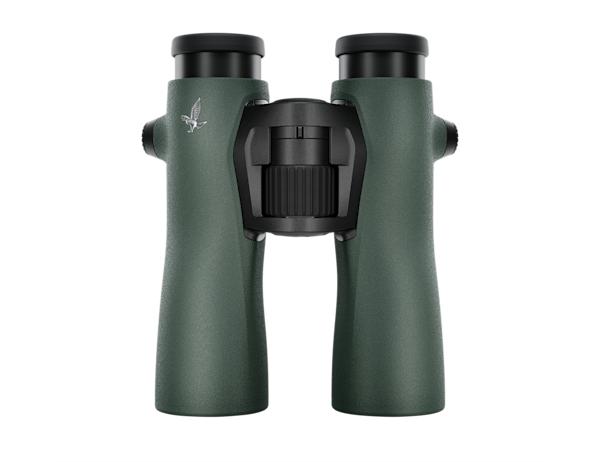
Look through both eyepieces at a straight edge, like a door frame. Rotate the diopter adjustment. If the image splits or shifts laterally instead of staying centered, the prisms are misaligned. This is often irreparable in high-end models and indicates a serious structural failure.
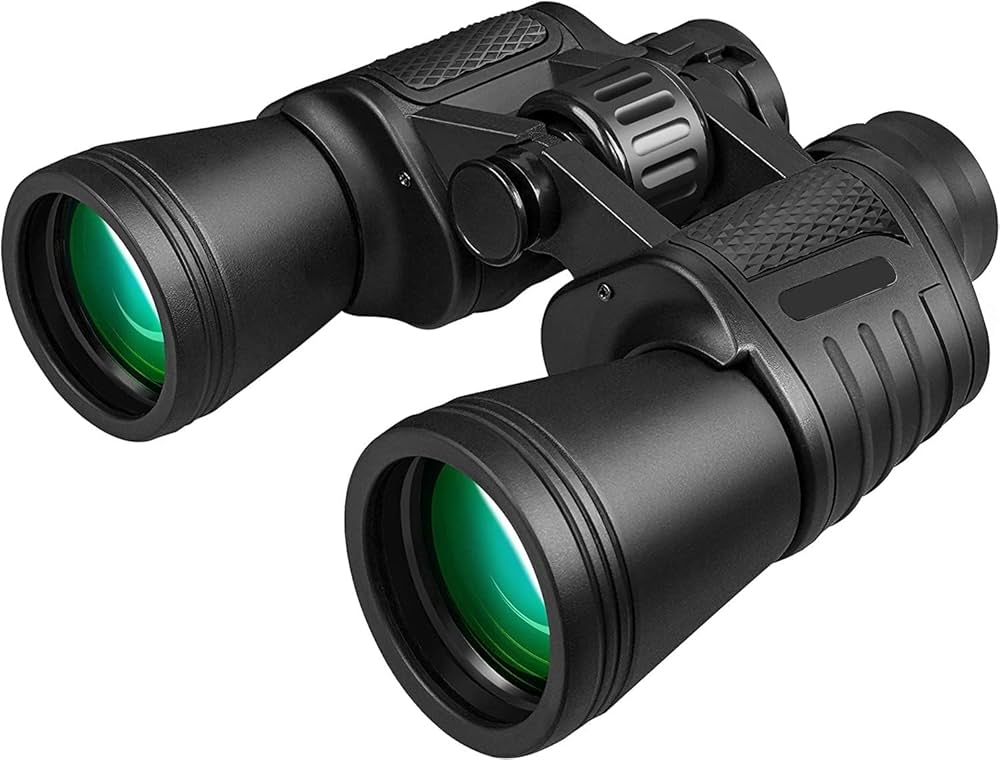
Hold the binoculars up to a bright, diffuse light source. Look for any grayish clouds or spiderweb-like structures inside the glass. Fungus eats into the coating and reduces light transmission. Even minor haze on the objective lenses can significantly degrade contrast, which is critical for birding and astronomy.

Turn the central focus wheel from minimum to maximum distance. It should move smoothly without grinding, sticking, or loose spots. Check the diopter ring on the right eyepiece; it should lock securely and not drift when you shake the binoculars gently. Rough mechanics indicate poor manufacturing tolerances.
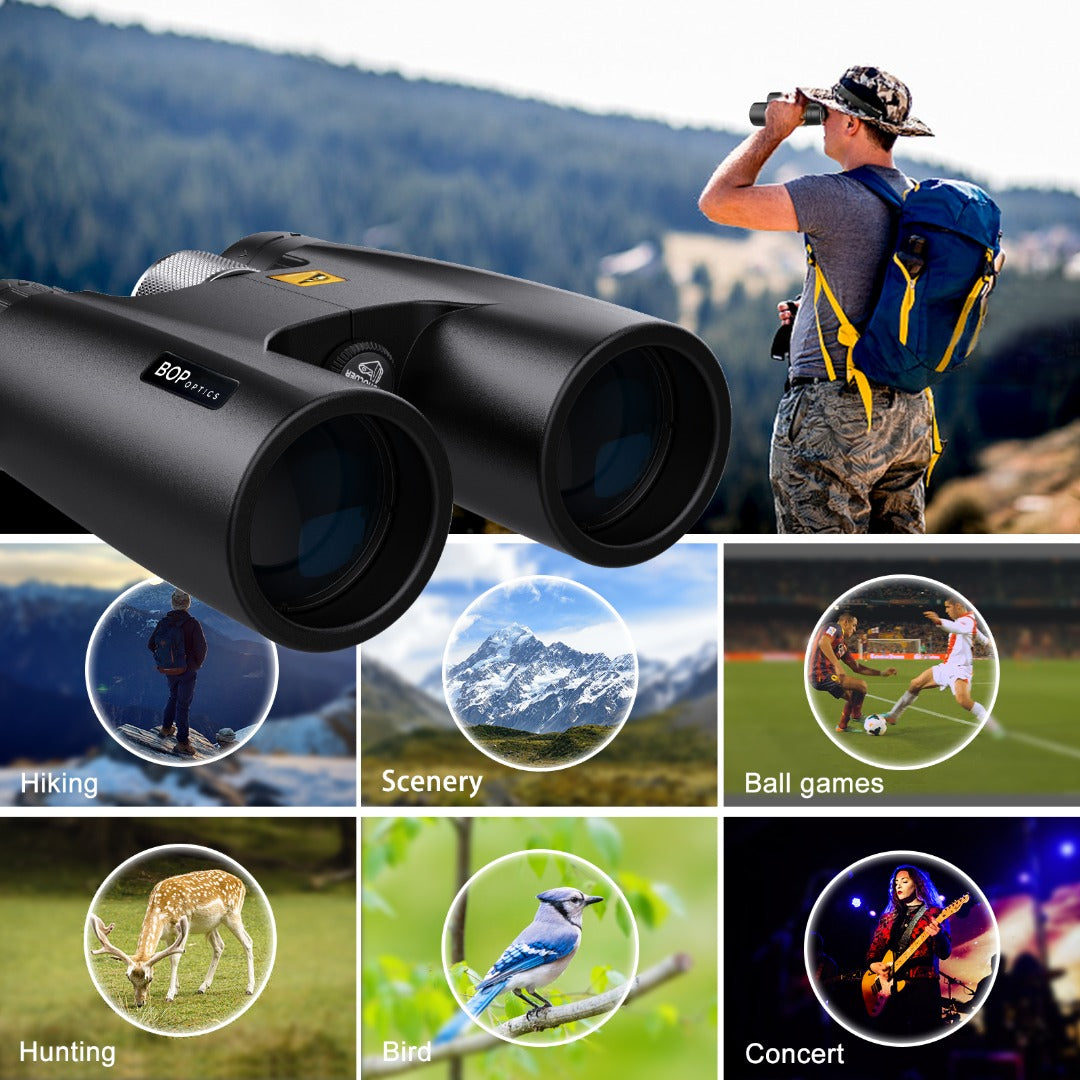
Press firmly on the rubber armor. It should be firmly bonded to the body, not peeling or soft. Check the seams around the focus wheel and eyecups for gaps. Good sealing prevents moisture and dust from entering the optical tube, protecting the expensive internal optics from humidity and corrosion.
Plan for ownership costs
Binoculars are a long-term investment, but the true cost extends far beyond the purchase price. A $200 pair that fails after two winters costs more than a $600 instrument that lasts a decade. Understanding the hidden expenses of maintenance and protection helps you choose gear that holds its value and performs reliably in the field.
The hidden cost of repairs
Optical equipment is precision machinery. When a lens cracks or the internal prisms shift due to a drop, repair bills often exceed 50% of the original price. Premium brands like Swarovski and Leica offer superior build quality and reliable warranty support, but even they cannot fix catastrophic damage. For most users, the cost of occasional professional cleaning or minor adjustments is a small price to pay for longevity. Cheaper models often lack the sealed integrity to keep moisture and dust out, leading to internal fungus that ruins optics permanently.
Protecting your investment
A sturdy case and a good neck strap are not optional accessories; they are essential insurance. A hard-shell case protects against impacts during transport, while a padded neck strap prevents accidental drops. Consider the cost of a replacement strap or case as part of the initial buy-in. If you hunt in rugged terrain, a waist belt harness distributes weight better and reduces the risk of the binoculars swinging into branches or rocks.
When cheap stops being cheap
The cheapest binoculars often force you to buy replacements sooner or spend more on accessories to make them usable. If a budget pair requires frequent cleaning due to poor sealing, or if the focus mechanism becomes stiff and unreliable, the total cost of ownership rises. Mid-range options from Vortex or Nikon typically offer the best balance, providing durable construction and good warranties without the luxury markup of high-end optics.


As an Amazon Associate, we may earn from qualifying purchases.
Binoculars: what to check next
Choosing the right pair of binoculars often comes down to understanding how magnification and lens size affect your specific use case. A higher magnification number, such as 10x or 12x, brings distant subjects closer but can make handheld viewing shaky and reduce the field of view. For general birding or hunting, 8x42 binoculars are widely considered the sweet spot, offering a stable image with enough light gathering power for dawn and dusk use.
If you are observing astronomy or long-range wildlife, you might consider higher magnifications like 15x or 20x. However, these require a tripod for steady viewing and are generally too heavy for all-day field use. The trade-off is clear: higher power means more detail but less stability and a narrower view of the sky or landscape.
Another common concern is eye relief, which is the distance your eye needs to be from the eyepiece to see the full image. If you wear glasses, look for binoculars with at least 15mm of eye relief to avoid seeing dark vignettes around the edges of your view. Waterproof and fog-proof models with nitrogen purging are essential for durability in wet or humid environments, ensuring your optics remain clear regardless of the weather conditions.
No comments yet. Be the first to share your thoughts!