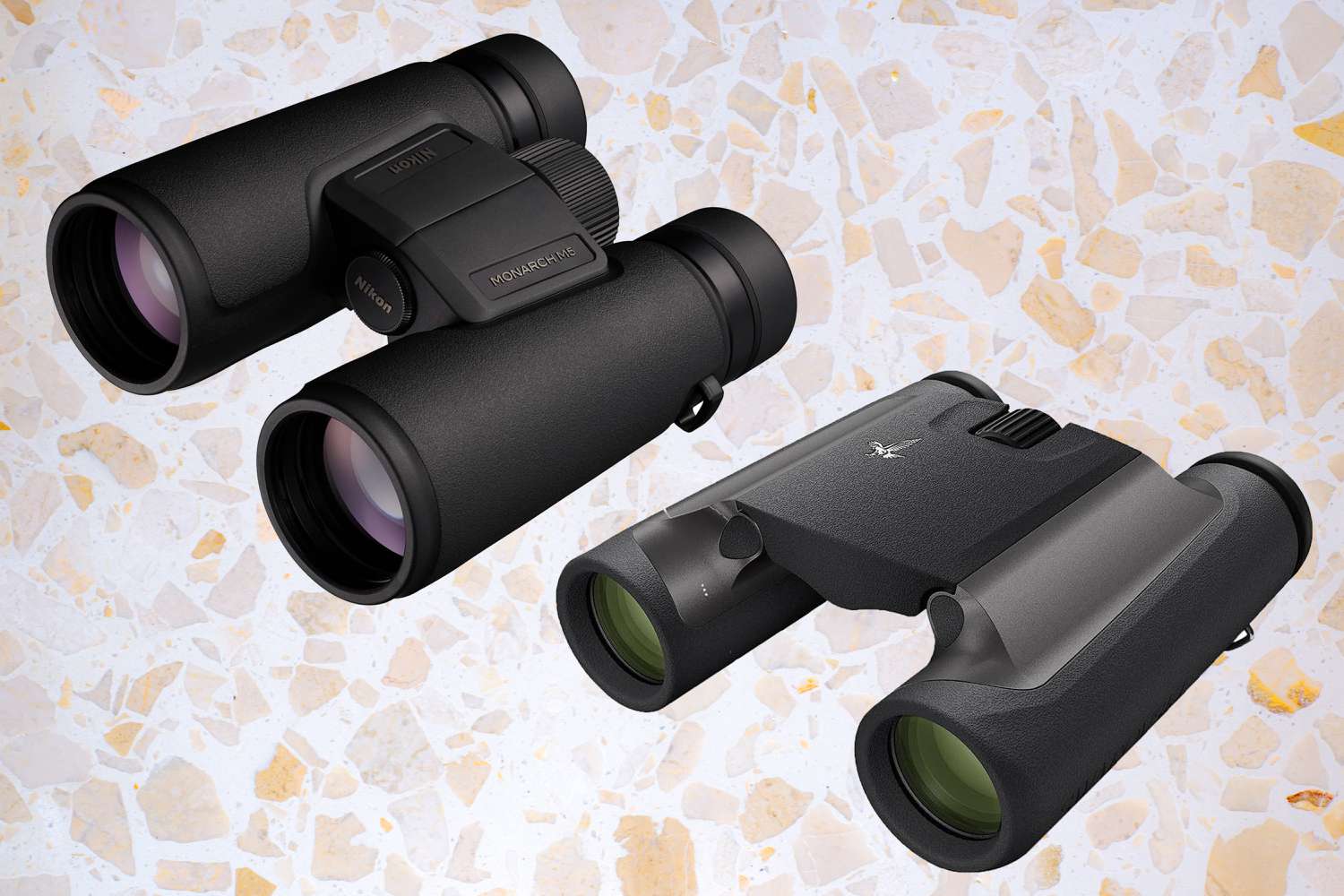

Binoculars budget
Price is the first filter. You can find decent compact birding binoculars for under $100, but that range usually means compromises in glass clarity and build quality. The sweet spot for most travelers sits between $200 and $400. In this bracket, you get reliable waterproofing, decent field of view, and glass that performs well in low light without breaking the bank. Brands like Vortex and Nikon dominate this space with models like the Vortex Viper HD and Nikon Monarch series.
Spending more than $500 is rarely necessary for compact birding. Premium brands like Zeiss or Swarovski offer superior edge-to-edge sharpness and ergonomic refinements, but the difference is subtle for casual birders. The law of diminishing returns kicks in hard here. You are paying for brand prestige and marginal optical gains that most travelers will never notice in the field. Save your money for a better camera lens or travel gear.
Condition matters as much as price. When buying used, check for internal fogging and fungus. These defects ruin the viewing experience and cannot be fixed. A slightly older model with pristine optics is a better buy than a new pair with compromised glass. Always inspect the prisms before purchasing from secondary markets.
Shortlist real options
Use this section to make the Best Compact Binoculars for Birding decision easier to compare in real life, not just on paper. Start with the reader's actual constraint, then separate must-have requirements from details that are merely nice to have. A practical choice should survive normal use, maintenance, timing, and budget. If a recommendation only works in an ideal situation, call that out plainly and give the reader a fallback path.
| Factor | What to check | Why it matters |
|---|---|---|
| Fit | Match the option to the primary use case. | A good deal still fails if it does not fit the job. |
| Condition | Verify age, wear, and service history. | Hidden condition issues erase upfront savings. |
| Cost | Compare purchase price with likely upkeep. | The cheapest option is not always the lowest-cost option. |
Inspect the expensive parts
Use this section to make the Best Compact Binoculars for Birding decision easier to compare in real life, not just on paper. Start with the reader's actual constraint, then separate must-have requirements from details that are merely nice to have. A practical choice should survive normal use, maintenance, timing, and budget. If a recommendation only works in an ideal situation, call that out plainly and give the reader a fallback path.
-
Verify the basicsConfirm the core specs, condition, and fit before comparing extras.
-
Price the downsideLook for the repair, maintenance, or replacement cost that would change the decision.
-
Compare alternativesCheck at least two comparable options before treating one listing as the benchmark.
Ownership costs and hidden fees
Buying a pair of compact binoculars is the first expense; keeping them functional is the second. A cheap pair that breaks after one season costs more than a mid-tier model that lasts five. The real value lies in understanding what you’re paying for when the warranty expires.
Most mid-range brands like Vortex and Nikon offer lifetime warranties on their optics. This covers defects and accidental damage, turning a $200 investment into a permanent tool. Premium brands like Leica or Swarovski include similar coverage but often charge more upfront for better glass and coatings. Always check the specific terms. Some warranties cover loss or theft; others only cover manufacturer defects.
Maintenance is where costs sneak in. Cleaning lenses requires proper cloths and solution. Using a t-shirt or saliva can scratch coatings, ruining the image and voiding the warranty. A basic cleaning kit costs $15–$20 and prevents costly repairs. If you bird in wet environments, consider a waterproof model. Fogging inside the lenses is a sign of seal failure, which is rarely repairable and usually means replacement.
When a cheap buy stops being cheap is often when the rubber armoring cracks or the focus wheel slips. These aren’t just annoyances; they make the binoculars unusable for serious birding. Investing in a pair with a solid build quality from the start saves money on replacements and keeps your birding experience frustration-free.
Binoculars: what to check next
Choosing compact binoculars often raises practical concerns about weight, clarity, and specific use cases. Below are answers to common questions to help you narrow down the right pair for your travels.
Helpful gear
Use these product recommendations as a starting point, then choose the size, material, and price point that fit how you actually use the gear.

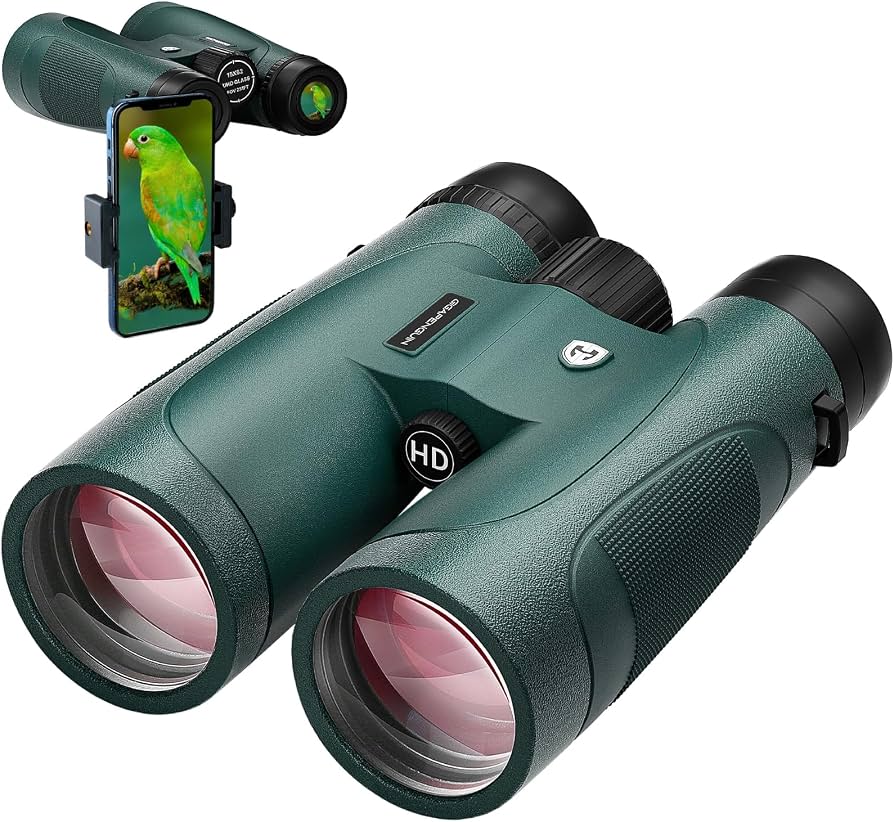
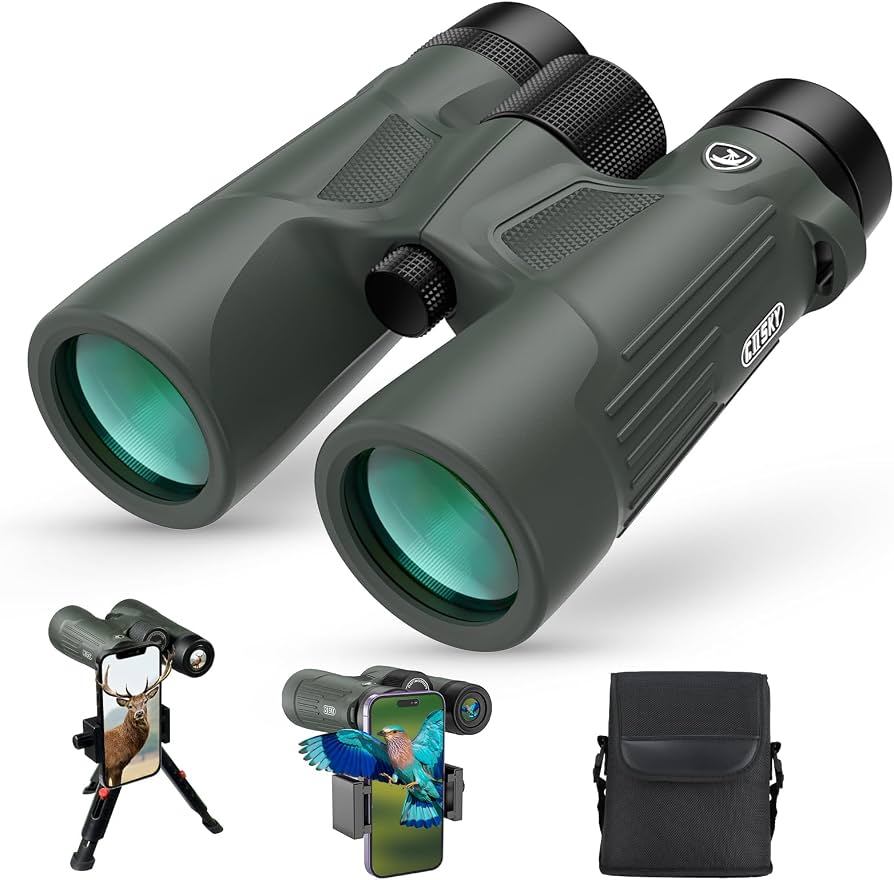
As an Amazon Associate, we may earn from qualifying purchases.
No comments yet. Be the first to share your thoughts!