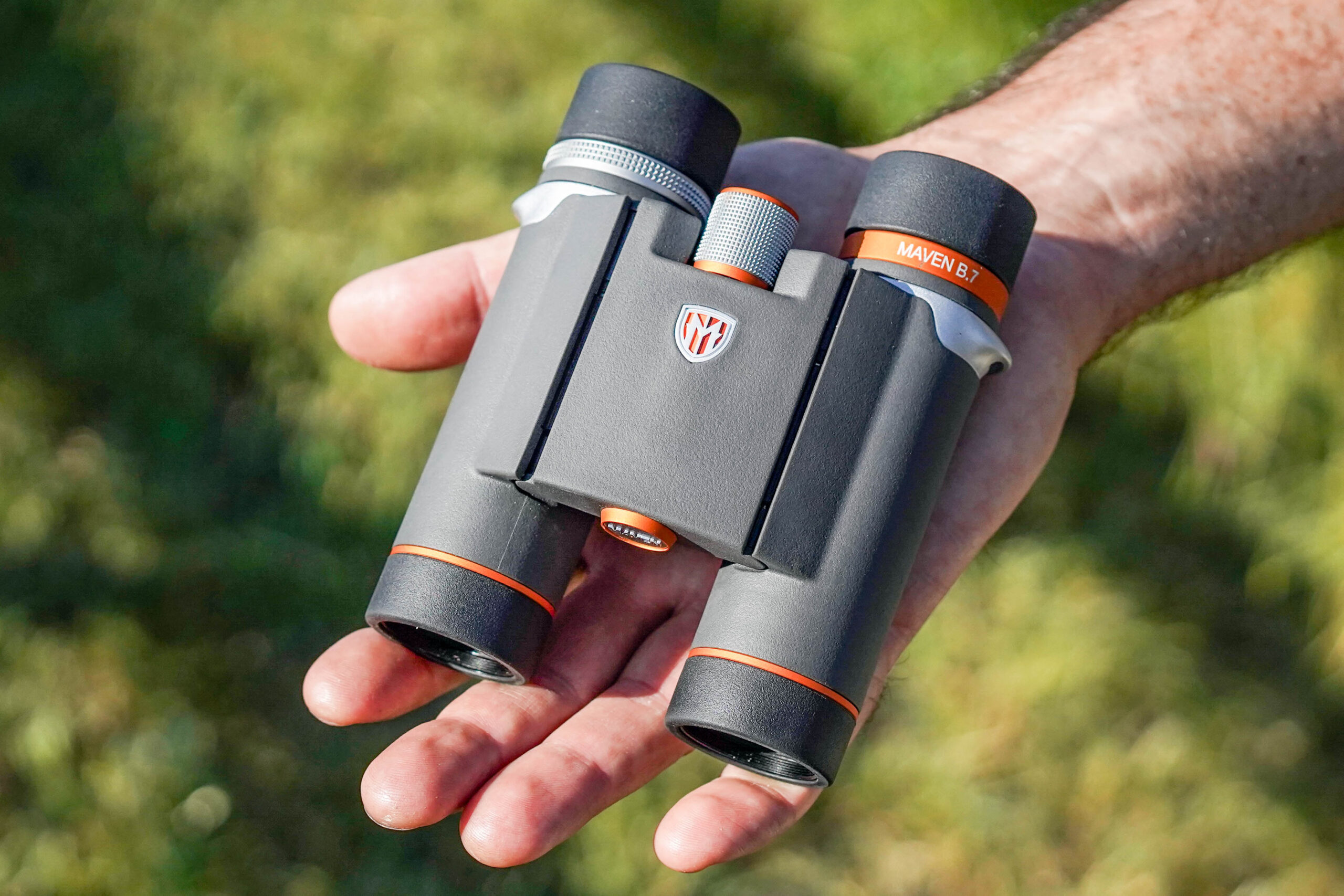

Finding compact binoculars on a budget
Picking affordable compact binoculars means accepting that you are trading physical size for optical performance. When you buy binoculars under $100, you are generally looking at 8x25 or 10x25 configurations. These models use smaller objective lenses—often between 21mm and 25mm—which lets them fit in a pocket but significantly reduces the amount of light reaching your eyes. This tradeoff is most noticeable at dawn, dusk, or in dense forest canopies where the image will appear darker and less detailed than in full-size optics.
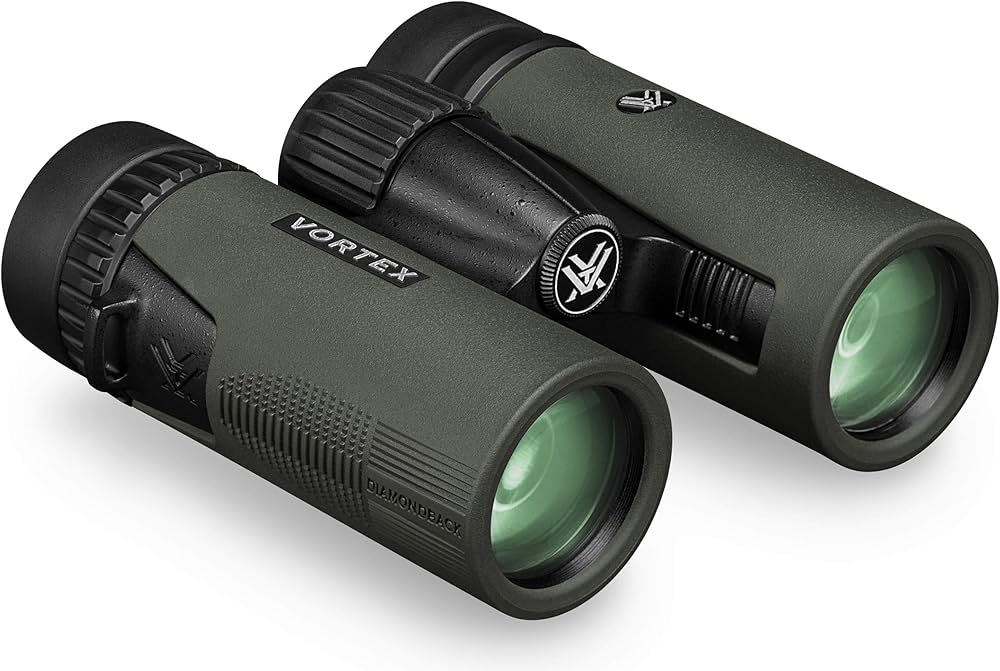
Despite the lower price tag, modern budget binoculars are capable of handling most travel and casual birding scenarios. Brands like Vortex offer entry-level lines, such as the Crossfire series, which provide reliable waterproofing and decent clarity for the price point. For example, the Vortex 10x32 is often cited as a sweet spot for travelers who can spare a little more weight for a brighter image, but even the smaller 8x25 versions hold their own for daytime sightseeing.
To get the best value, focus on build quality rather than magnification power. A sturdy 7x25 model with good eye relief and a wide field of view will serve you better than a cheap 10x25 that shakes too much to hold steady. Check for rubber armor to protect the lenses during travel, and ensure the focus wheel turns smoothly without grinding. Avoid models that promise extreme magnification in a tiny body; the optical compromise will likely make them unusable for serious observation.
As an Amazon Associate, we may earn from qualifying purchases.
Shortlist real options
Finding the right compact binoculars means balancing pocketability with optical performance. The best options for 2026 generally fall into two categories: true pocket binoculars (under 30mm objective lenses) and midsize travel models (30mm-40mm). While pocket models win on size, midsize models often provide a brighter image and wider field of view, making them better for sustained birding or travel use.
The following table compares four strong contenders across key metrics. These selections prioritize build quality, optical clarity, and real-world usability rather than just lowest price.
| Model | Magnification | Objective Lens | Best For |
|---|---|---|---|
| Nikon Monarch M5 | 8x | 42mm | General birding |
| Vortex Crossfire HD | 10x | 32mm | Travel balance |
| Celestron Nature DX | 8x | 32mm | Budget value |
| Pentax PCF WP | 8x | 25mm | Pocket carry |
Nikon Monarch M5 (8x42)
The Nikon Monarch M5 is widely considered the best all-around compact binocular for birders who can carry a slightly heavier load. Its 8x magnification provides a stable, bright image with a wide field of view, essential for tracking moving birds. The roof prisms and fully multi-coated lenses deliver sharp contrast even in low-light forest conditions. While not "pocket" size, it folds down and fits in most travel bags.
Vortex Crossfire HD (10x32)
For travelers who need a middle ground between size and power, the Vortex Crossfire HD 10x32 is a top choice. The 10x magnification allows you to spot distant birds or details in landscapes, while the 32mm objective lenses keep the weight manageable. Vortex’s lifetime warranty adds significant value, and the rubber-armored body provides good grip in wet conditions. It is slightly less bright than the 8x42 options but offers more reach.
Celestron Nature DX (8x32)
The Celestron Nature DX series offers premium optical performance at a mid-range price point. It features BaK-4 prisms and fully multi-coated optics, delivering clear, colorful images that rival more expensive brands. The 8x32 configuration is a sweet spot for many users: light enough for all-day hiking but powerful enough for detailed birding. It is an excellent choice for budget-conscious buyers who do not want to compromise on image quality.
Pentax PCF WP II (8x25)
If your primary constraint is carrying weight, the Pentax PCF WP II is one of the best true pocket binoculars available. At just 8x25, it slips into a jacket pocket or small daypack. Despite its small size, it uses high-quality phase-correction coatings to maintain sharpness and contrast. The waterproof and fog-proof construction makes it durable for outdoor travel. It is ideal for casual observation or backup use, though less suitable for serious low-light birding.



As an Amazon Associate, we may earn from qualifying purchases.
Inspect the expensive parts
Use this section to make the Best Compact Binoculars of decision easier to compare in real life, not just on paper. Start with the reader's actual constraint, then separate must-have requirements from details that are merely nice to have. A practical choice should survive normal use, maintenance, timing, and budget. If a recommendation only works in an ideal situation, call that out plainly and give the reader a fallback path.
-
Verify the basicsConfirm the core specs, condition, and fit before comparing extras.
-
Price the downsideLook for the repair, maintenance, or replacement cost that would change the decision.
-
Compare alternativesCheck at least two comparable options before treating one listing as the benchmark.
Plan for ownership costs
A cheap pair of binoculars can quickly become expensive if you factor in maintenance and replacement. While the initial purchase price is the most obvious cost, long-term ownership involves more than just the sticker price. Understanding these hidden expenses helps you choose a pair that won't disappoint when you hit the trail or the birding blind.
Maintenance and protection
Binoculars are precision optical instruments that require care to maintain their performance. Moisture, dust, and physical shock are the biggest enemies of longevity. A protective case is not just an accessory; it's a necessity. Without one, even a minor drop can misalign the prisms, ruining the image permanently.
Cleaning the lenses also requires attention. Using the wrong cloth or solution can damage the multi-coatings that make compact binoculars bright and clear. Microfiber cloths and specialized lens cleaning fluid are inexpensive but essential for keeping your optics in top condition. Neglecting this simple upkeep can lead to cloudy vision and reduced contrast over time.
When cheap stops being cheap
The most significant ownership cost comes from buying low-quality optics that fail to deliver. Cheap binoculars often suffer from poor brightness, narrow fields of view, and uncomfortable eyecups. If you find yourself frustrated by the image quality, you're likely to replace them sooner than expected. This "buy once, cry once" principle applies strongly to optics.
Consider the Vortex Crossfire 8x32 or 10x32 as a benchmark. Priced around $100, these models offer features and durability that far exceed budget alternatives. They come with a lifetime warranty, meaning you won't need to worry about repair costs or replacements due to accidental damage. This peace of mind is part of the value proposition.
The true value of compact optics
When evaluating ownership costs, look beyond the initial price tag. A slightly higher upfront investment in a reputable brand like Vortex or Nikon often pays off in durability and image quality. These brands use better materials and construction techniques, ensuring your binoculars last for years.
For birding and travel, reliability is key. You want optics that work every time you pick them up, without the need for frequent adjustments or repairs. By choosing a pair with a solid warranty and good build quality, you avoid the hidden costs of frustration and premature replacement.


As an Amazon Associate, we may earn from qualifying purchases.
Compact binoculars: what to check next
We know buying optics can feel like navigating a maze of specs. To help you decide, here are the answers to the most common questions we get about compact binoculars for birding and travel.
No comments yet. Be the first to share your thoughts!