
Binoculars budget
The price of compact binoculars for birding usually tracks with optical glass quality and durability. You can find functional pairs under $100, but the sweet spot for clarity and weather resistance sits between $150 and $300. Spending more than $400 often buys brand prestige or specialized coatings that offer diminishing returns for casual birders.
When setting a budget, prioritize the objective lens diameter (the second number, like 32 or 42) over magnification. A 10x42 offers a brighter image than a 10x25, but it is also heavier. For portable birding, an 8x32 or 8x42 is often the best balance of weight and light gathering. Check if the binoculars are waterproof and fog-proof; this is a standard feature in the $150+ range and essential for longevity.
Consider the total cost of ownership. Cheaper models may require frequent cleaning or have coatings that degrade faster. A mid-range pair from a reputable brand like Nikon or Vortex will hold its value better and withstand daily field use. Avoid ultra-cheap options that promise high magnification with small lenses, as they often produce shaky, dim images that make bird identification difficult.


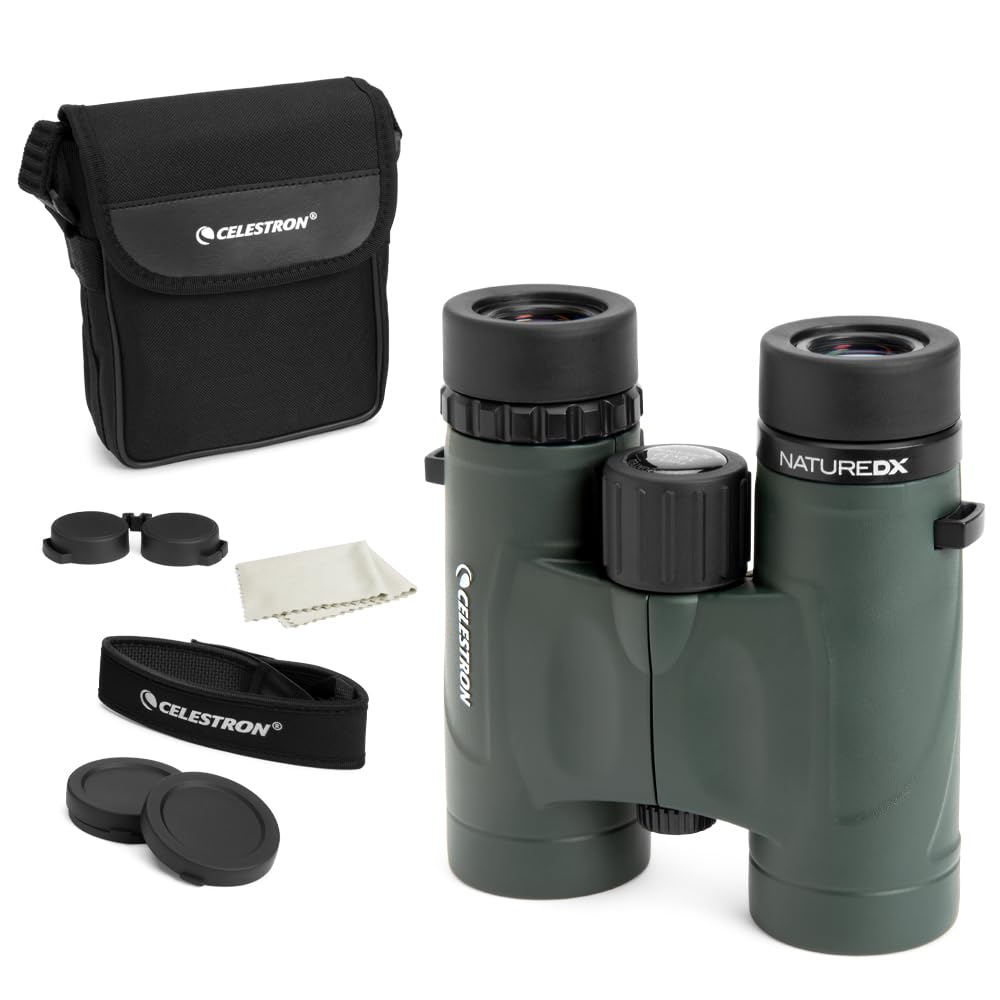
As an Amazon Associate, we may earn from qualifying purchases.
Shortlist real options
Choosing a compact binocular for birding requires balancing portability with optical performance. A smaller body means less weight, but it also limits lens size, which can impact brightness and field of view. The following models represent the strongest contenders in the compact category, selected based on rigorous lab testing and user feedback from sources like Outdoor Gear Lab and REI.
Nikon Prostaff P7 8x32
The Nikon Prostaff P7 is a frequent recommendation for hikers who need a reliable everyday binocular. As noted in community discussions, the 8x32 configuration offers a lighter, more compact form factor than 10x42 models while maintaining excellent clarity. The P7 line is known for its durable construction and good eye relief, making it a solid choice for extended observation sessions in the field.
Vortex Viper HD 8x32
For those prioritizing image quality, the Vortex Viper HD series stands out. It features fully multi-coated lenses and HD (High Density) glass, which provides higher resolution and better color fidelity than standard models. The 8x magnification keeps the image steady enough for handheld viewing, a common challenge with 10x optics in smaller bodies. Vortex’s lifetime warranty also adds significant value for long-term use.
Leica Ultravid 8x32
Leica sets the benchmark for premium compact binoculars. The Ultravid 8x32 delivers exceptional sharpness and contrast, often cited in flagship showdowns as a top-tier performer. While it comes at a higher price point, the optical engineering ensures a bright, comfortable view even in lower light conditions. It is ideal for birders who demand the best possible image quality without carrying heavy equipment.
Swarovski EL 8x32
Swarovski’s EL (Erfassungslinse) series is renowned for its ergonomic design and outstanding light transmission. The 8x32 model offers a wide field of view, making it easier to track moving birds. The binoculars are known for their smooth focus mechanism and comfortable grip, which reduces hand fatigue during long birding trips. It remains a favorite among serious enthusiasts despite its premium cost.
Comparison Table
The table below summarizes the key attributes of these top compact binoculars to help you compare them side-by-side.
| Model | Magnification | Lens Diameter | Key Feature |
|---|---|---|---|
| Nikon Prostaff P7 | 8x | 32mm | Balanced weight and durability |
| Vortex Viper HD | 8x | 32mm | HD glass and warranty |
| Leica Ultravid | 8x | 32mm | Premium optical clarity |
| Swarovski EL | 8x | 32mm | Wide field of view |
Inspect the expensive parts
Compact binoculars pack precision optics into small bodies, which means a few components carry disproportionate weight in both cost and longevity. When you’re buying or evaluating a pair for birding, focus your inspection on the parts most likely to fail or degrade over time. Skipping these checks often leads to costly repairs or disappointing performance in the field.
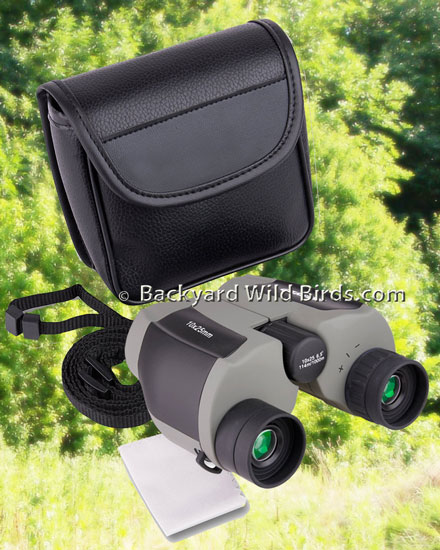
The hinge is the single most critical mechanical point. Open and close the binoculars slowly; the action should be smooth with consistent resistance, not gritty or loose. A wobbly hinge ruins alignment (collimation) and can lead to eye strain or double vision. If the folding arms feel loose or play excessively, the internal springs may be worn, a repair that often costs more than the binoculars themselves.
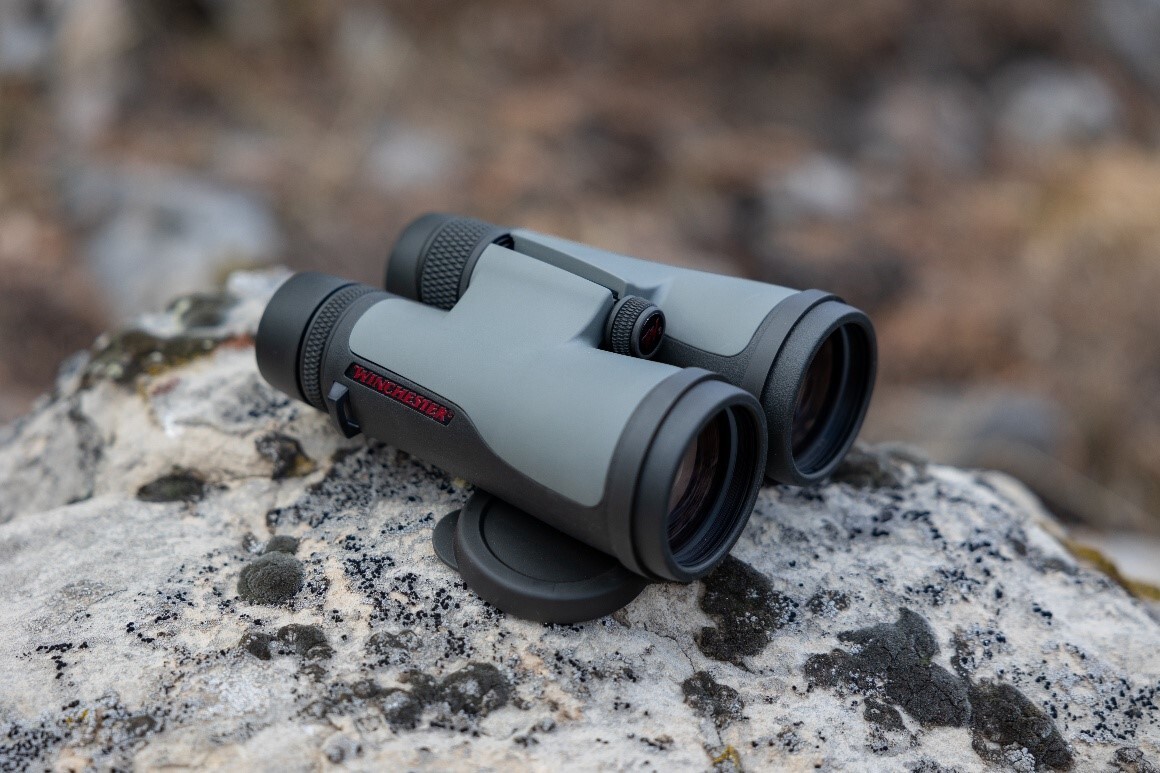
Look through the front lenses at a bright, plain background. Fungus appears as faint spiderweb patterns or spots that don’t wipe away. Haze or yellowing indicates seal failure, which lets moisture in. Even light fungal growth scatters light, reducing contrast and making distant birds harder to spot. If you see internal debris or moisture droplets, walk away; these are signs of compromised internal seals.
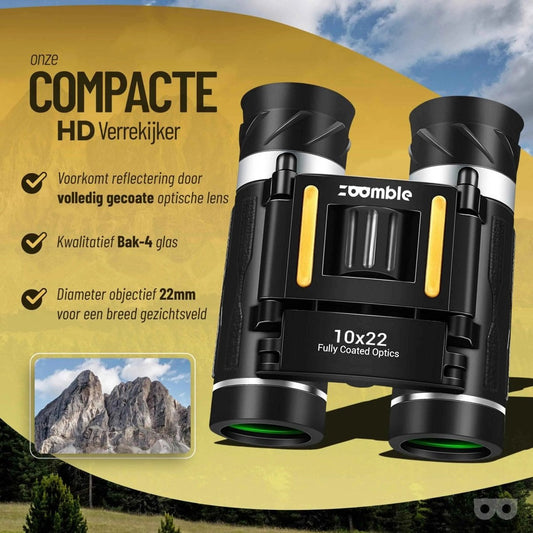
Spin the center focus wheel through its entire range. It should move freely without dead zones or grinding noises. If your model has a diopter ring, set it to zero, focus on a distant object, then switch the ring and refocus. The transition should be smooth and precise. Stiff or sticky focus mechanisms are common failure points in compact models due to smaller gears and tighter tolerances.
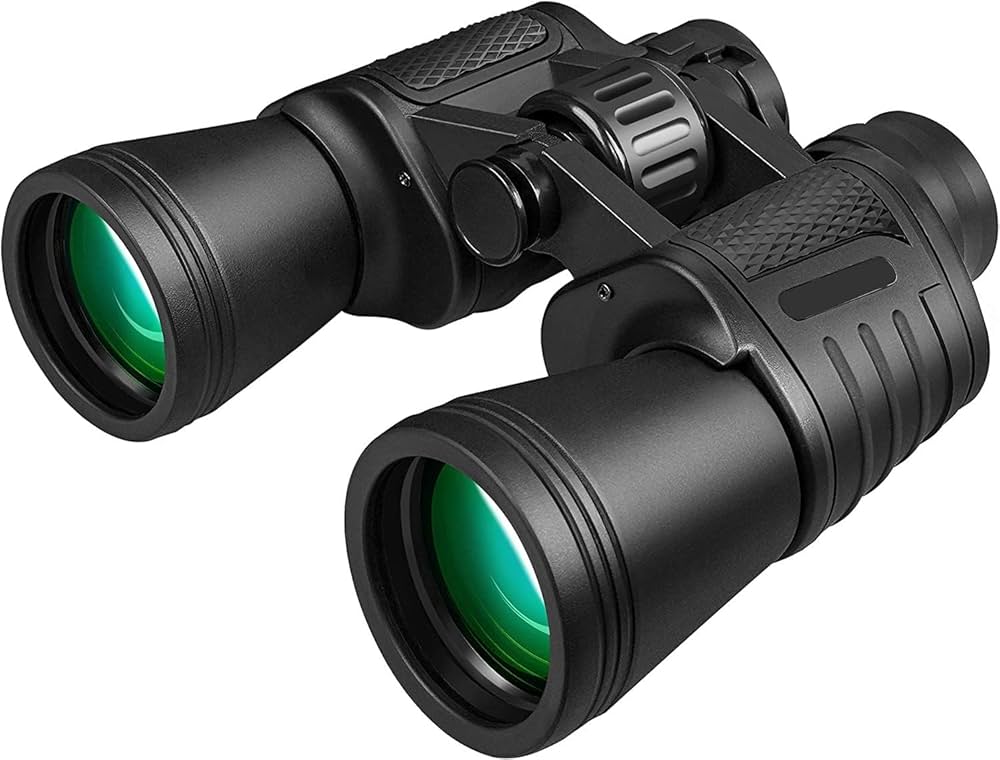
Twist the eyecups through all positions. They should lock firmly into place without slipping, especially when you’re wearing glasses. Check the eye relief (distance from the eyepiece to your eye) by holding the binoculars at arm’s length. If you can’t see the full field of view without straining or losing edges, the eye relief is too short for comfortable birding, particularly for spectacle wearers.

Run your finger along the rubber armor seams. Gaps or peeling rubber can let in dust and moisture. Check for scratches on the eyepieces that might indicate poor handling or cheap coatings. While cosmetic, deep scratches on internal prisms or mirrors can cause ghosting or reduced brightness. Look for a warranty that covers waterproofing and fogging; this signals the manufacturer stands behind the seal integrity.
Plan for Ownership Costs
A compact binocular is an upfront purchase, but the real cost comes from protection and maintenance. Cheap optics often lack durable coatings or robust sealing, meaning a single drop or a rainy hike can turn a $100 pair into a paperweight. When a buy stops being cheap is when the repair bill exceeds the replacement cost. Most manufacturers do not cover accidental damage, so insurance or a hard case becomes a mandatory line item in your budget.
Maintenance is the hidden expense that separates casual users from serious birders. Lens cleaning fluid, microfiber cloths, and silica gel packets to prevent internal fogging are small costs that prevent costly霉 (mold) damage. Without these supplies, moisture can ruin the internal prisms, which is rarely repairable. Think of these supplies as the oil change for your binoculars; skipping them leads to major engine trouble later.
Warranty terms also dictate long-term value. Some brands offer lifetime warranties that cover fogging and internal defects, while others limit coverage to one year or exclude human error. Reading the fine print matters. A slightly more expensive pair with a no-questions-asked warranty often saves money over five years compared to a budget pair with strict exclusions. Always check if the warranty requires proof of purchase or registration within a specific window.


![Dry & Dry 5 Gram [50 Packets] Silica Gel Packets Silica Gel Desiccants, Silica Gel Packs - Rechargeable Moisture Absorbers for Food Storage, Electronics, 3D Filament & Safes](https://m.media-amazon.com/images/I/71w89RwHDOL._AC_UY654_QL65_.jpg)
As an Amazon Associate, we may earn from qualifying purchases.
Investing in a quality case and cleaning kit is not optional; it is part of the purchase price. A hard shell case protects against drops, while a soft pouch offers minimal protection. Similarly, using the wrong cloth or household cleaner can scratch expensive coatings. Stick to optics-specific products to preserve clarity and extend the life of your gear.
Binoculars: what to check next
Choosing the right compact binoculars often comes down to balancing magnification with stability and weight. The specs on the box don't always tell the whole story about how they feel in your hands or how they perform in the field.
What magnification is best for birding?
For most birders, 8x magnification offers the best balance of image stability and field of view. Higher magnifications like 10x or 12x can make handheld viewing difficult due to shake, requiring a tripod for steady images. The 8x32 or 8x42 formats are popular because they provide enough reach for distant birds without becoming too heavy for long hikes.
Are waterproof binoculars necessary?
Yes, especially if you bird in variable weather. Waterproof and fogproof models are nitrogen or argon purged to prevent internal condensation when temperatures shift. This feature protects the internal optics from moisture damage and ensures clear vision during rain, snow, or high humidity, which is common in many birding habitats.
How important is eye relief for eyeglass wearers?
Eye relief is critical for comfortable viewing if you wear glasses. Look for at least 15mm of eye relief to see the full field of view without removing your spectacles. Shorter eye relief forces you to hold the binoculars very close to your eyes, which can cause eye strain and cut off the edges of the image, making it hard to track moving birds.
Should I buy cheap or expensive binoculars?
Price often reflects optical clarity, build quality, and warranty support. Entry-level models under $100 can work for casual use but may lack sharpness at the edges of the view. Mid-range options from brands like Nikon, Vortex, or Celestron typically offer better coatings and durability. For serious birders, investing in a reputable brand ensures better light transmission and a longer-lasting instrument.
No comments yet. Be the first to share your thoughts!