
How we picked the best binoculars
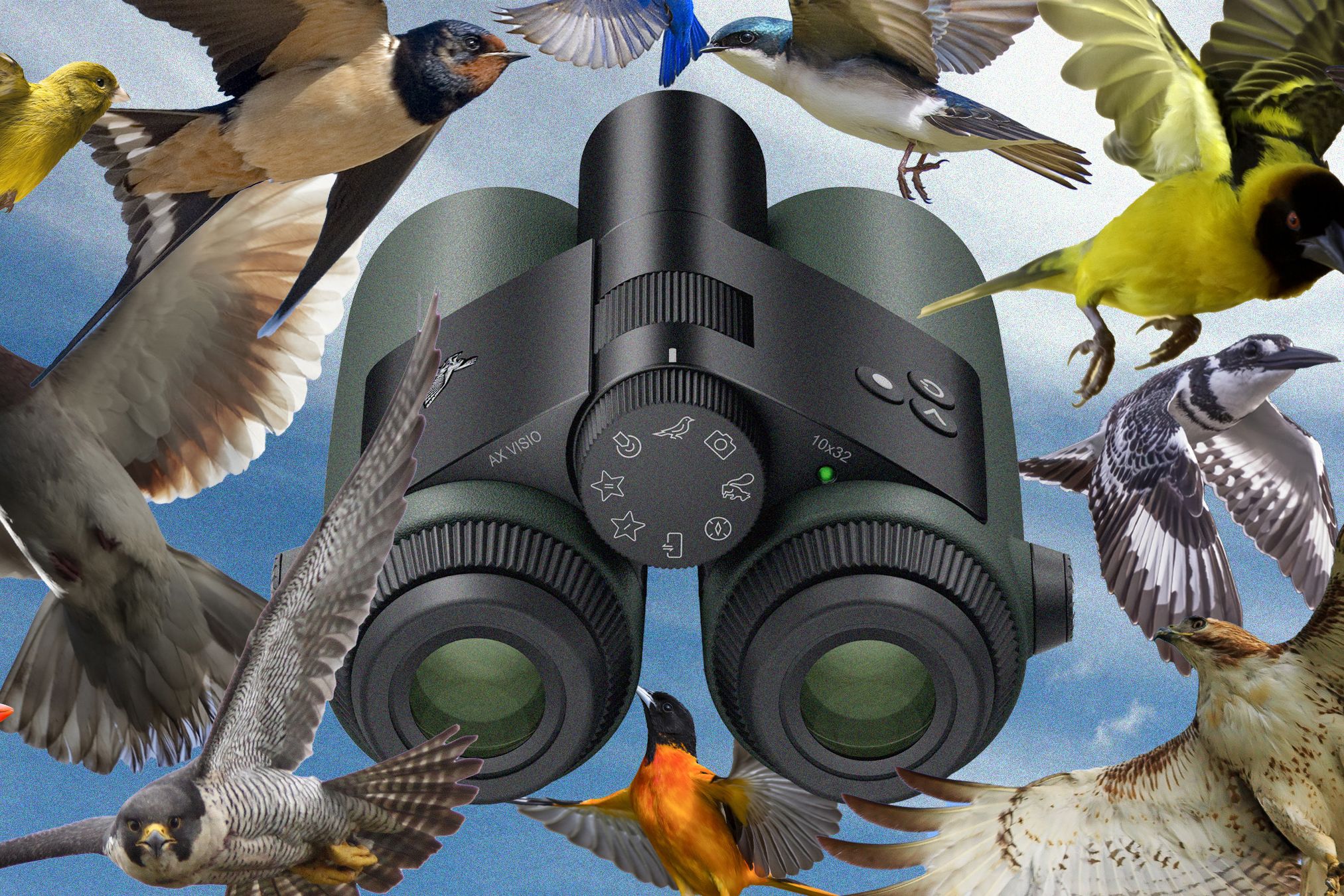
We bought and tested 16 of the best-selling binoculars from brands like Vortex, Nikon, and Zeiss to help you find the best pair for birding. Our testing focused on three things: optical clarity, weight, and ease of use.
Optical clarity is the most important factor. We looked for sharp images across the entire field of view, not just in the center. We tested these binoculars in different lighting conditions, from bright midday sun to cloudy afternoons and dusk. For birding, a 10x42 configuration often offers the best balance of light transmission and stability, while 12x50 models can provide a brighter image in very dim environments at the cost of weight.
Weight matters because you will be carrying these for hours. We weighed each pair and checked how they felt in the hand. A comfortable grip and balanced design make a big difference when you are tracking a bird through the woods. We also evaluated the ease of use, including the smoothness of the focus wheel and the responsiveness of the diopter adjustment.
By focusing on these practical aspects, we aimed to give you a clear picture of which binoculars will serve you best in the field.
Best Overall: Zeiss SFL 10×40
For most birders, the Zeiss SFL 10×40 is the sweet spot between optical clarity and handling comfort. It doesn't try to be a telescope; it tries to be an extension of your eyes. The optics are sharp across the entire field of view, which matters when you're tracking a warbler flitting through dense branches. Unlike heavier long-range scopes, these stay light enough to hold steady for hours without fatigue.
The 10× magnification paired with a 40mm objective lens strikes a practical balance. You get enough detail to identify plumage without the image shaking too much in your hands. The focus mechanism is smooth and precise, allowing you to shift attention from a distant hawk to a nearby finch in a split second. This responsiveness is what separates a good binocular from a great one in the field.
Ergonomics play a huge role in why this pair stands out. The grip is comfortable even with gloves in colder weather, and the hinge design feels solid without being bulky. It’s a tool built for movement, not just for standing still in a blind. If you only buy one pair of binoculars for general birding, this is the one that will do the job reliably.


As an Amazon Associate, we may earn from qualifying purchases.
Best compact binoculars for travel
When you are on the move, every ounce counts. Heavy optics become a burden after a few miles, turning a peaceful birding trip into a shoulder workout. Compact binoculars solve this by offering a lighter frame without sacrificing too much optical quality. They fit easily into a backpack side pocket or a jacket, making them ideal for hikers and travelers who need to keep their hands free.
Choosing the right size means balancing magnification with portability. The 10x25 and 10x32 configurations are the sweet spot for most birders. They provide enough reach to spot details in tree canopies while remaining small enough to hold steady. Larger 42mm objective lenses gather more light but add significant weight and bulk, which is why they are less favored for pure travel scenarios.
| Feature | 10x25 Compact | 10x32 Travel | 10x42 Standard |
|---|---|---|---|
| Weight | ~200g | ~300g | ~500g+ |
| Lens Diameter | 25mm | 32mm | 42mm |
| Best For | Daylight hiking | All-day travel | Low-light/static |
The Vortex Razor HD 10x32 is a standout in this category. It uses apochromatic lenses to deliver sharp, color-accurate images while remaining significantly smaller and lighter than traditional 42mm models. This makes it a top pick for optical value if you need a binocular that performs well in the field but doesn't weigh you down.
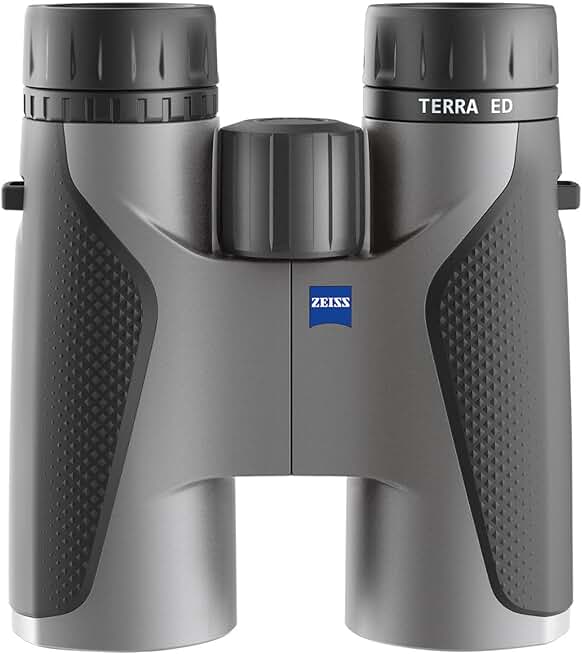
For those prioritizing minimal weight, the Zeiss Terra ED 10x25 is a favorite among serious birders. It offers excellent clarity and a wide field of view, proving that you do not need a large barrel to see clearly. These models are perfect for quick outings where you want to be ready to look without fumbling with a heavy case.


As an Amazon Associate, we may earn from qualifying purchases.
Best budget binoculars for beginners
You don’t need to spend a fortune to get clear views of the sky. For new birders, the goal is finding optics that are sharp enough to spot field marks without weighing down your neck during long hikes. Budget-friendly models have improved significantly, offering reliable performance for the casual observer.
When shopping, look for 10x42 or 8x42 specifications. These magnifications provide a good balance of detail and field of view, making it easier to track moving birds. Avoid higher magnifications like 12x or 15x on a budget; they often require a tripod and can make handheld viewing shaky and frustrating.
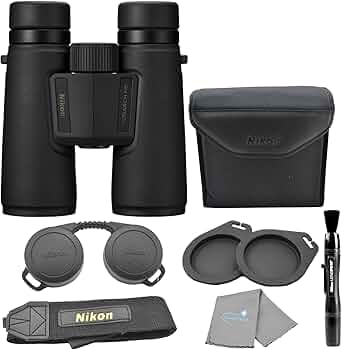
The following options deliver solid optical quality without the premium price tag. They are selected for their durability, clarity, and ease of use, making them perfect starting points for your birding journey.


As an Amazon Associate, we may earn from qualifying purchases.
Starting with a reliable, affordable pair allows you to develop your skills before investing in high-end gear. These binoculars will serve you well in most daylight conditions, from backyards to state parks.
10x42 vs 12x50 Binoculars for Birding
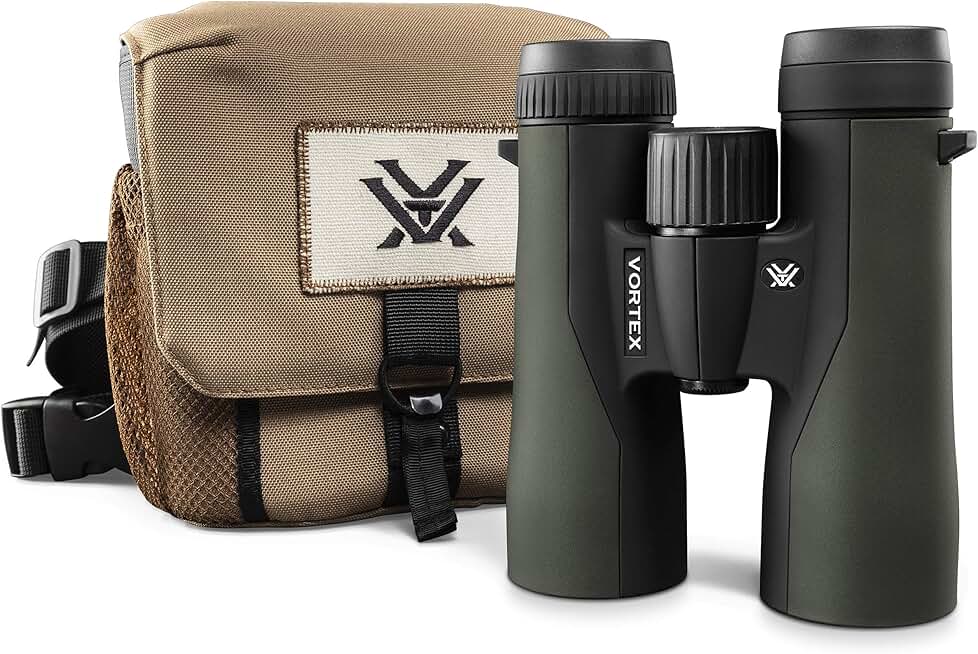
Choosing between 10x42 and 12x50 binoculars comes down to a simple trade-off: portability versus light gathering. The 10x42 configuration is the workhorse for most birders. The "42" refers to the diameter of the objective lenses in millimeters, which allows enough light in for clear views during dawn or dusk without making the pair too heavy to hold steady for hours. They are lighter, easier to carry on long hikes, and generally easier to focus quickly on moving targets.
The 12x50 option pushes magnification up and lens size wider. Those larger lenses gather significantly more light, which is a game-changer in deep shade or heavy forest canopies where visibility is poor. However, the higher magnification makes hand shake more noticeable, often requiring a tripod for comfortable viewing. They are also bulkier and heavier, which can become a burden during all-day birding trips.
If you bird in open fields or mixed woodlands and value ease of use, the 10x42 is usually the smarter buy. If you spend most of your time in dense forests or need maximum detail on distant waterfowl and can manage the extra weight, the 12x50 offers superior brightness and reach.


As an Amazon Associate, we may earn from qualifying purchases.
Frequently asked questions about binoculars
What is better, 12x50 or 10x42 binoculars?
The 10x42 is the standard for most birders because it balances magnification with a wide field of view and manageable weight. The 12x50 gathers more light, making it brighter in low-light conditions like dawn or dusk, but the higher magnification makes hand shake more noticeable, often requiring a tripod for steady viewing.
What is better, 10x50 or 20x50 binoculars?
Stick with 10x50 for birding. They offer a wider field of view, which helps you track moving birds in trees. The 20x50 provides extreme magnification ideal for stargazing or viewing distant stationary objects, but the narrow field of view and heavy weight make them impractical for spotting birds in natural habitats.
Do I need waterproof binoculars for birding?
Yes. Birding often takes place in rain, fog, or near water where humidity is high. Waterproof binoculars are nitrogen-purged to prevent internal fogging, ensuring you get a clear view regardless of sudden weather changes or temperature shifts while you are in the field.
What magnification is best for beginners?
Start with 8x42 or 10x42 binoculars. These magnifications provide enough detail to identify birds clearly without being so powerful that hand shake blurs the image. They are also lighter and easier to hold for extended periods, making them perfect for learning the sport.
No comments yet. Be the first to share your thoughts!