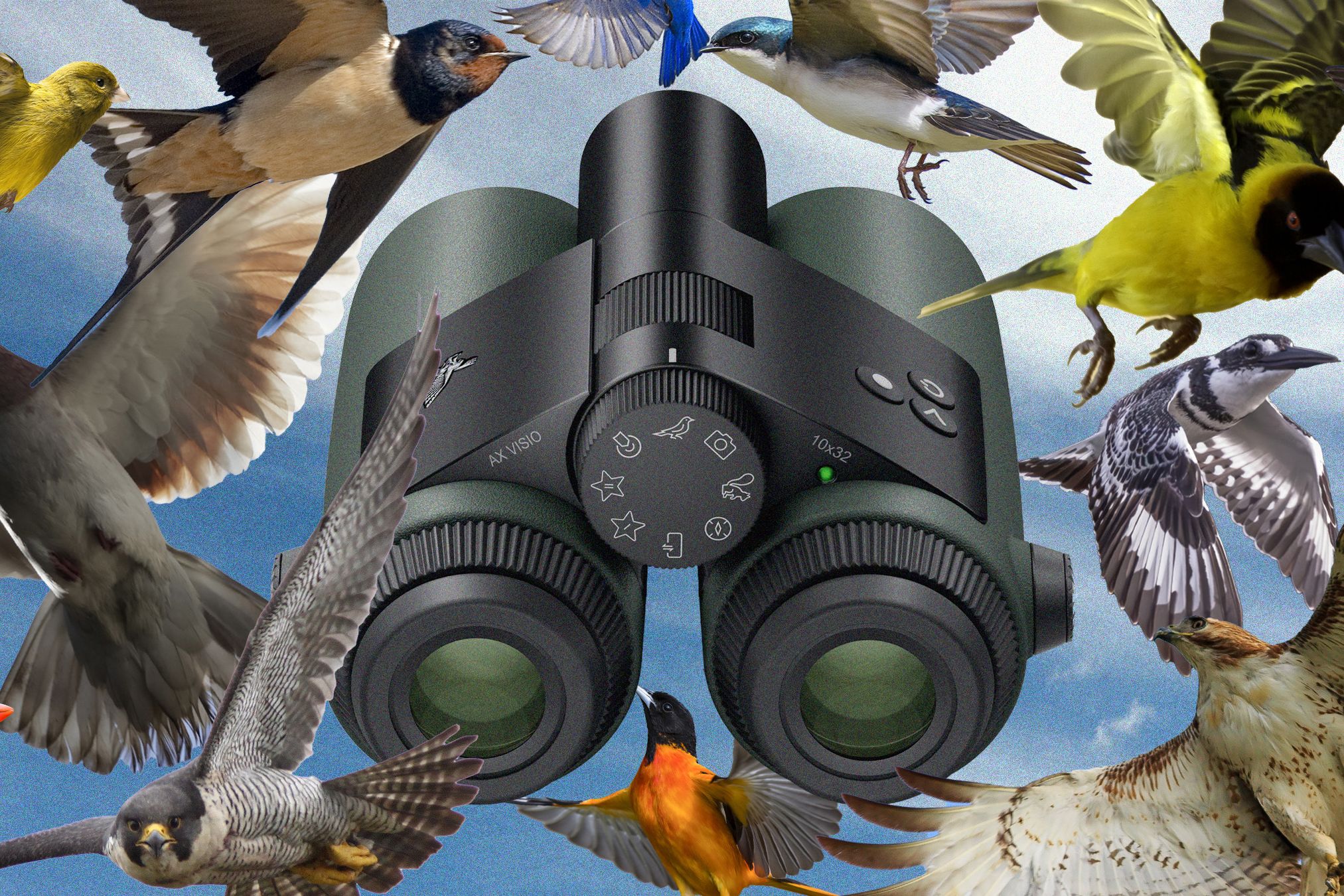

How we picked the best binoculars
We didn't just read specs; we took binoculars into the field. Our testing process focuses on what actually matters when you're standing in a marsh at dawn or scanning a tree line for a distant warbler. We evaluated optical clarity, weight, eye relief, and low-light performance to ensure our picks work in real-world birding scenarios, not just on a lab bench.
Optical clarity is the foundation. We looked for sharpness across the entire view, ensuring that edge-to-edge distortion doesn't make tracking a moving bird frustrating. Low-light performance was equally critical, as many of the best sightings happen in the dim light of early morning or late evening. We tested how well each pair gathered light, which directly impacts your ability to see details in shaded woods or overcast skies.
Weight and ergonomics determine whether you'll actually use them. A heavy pair of binoculars causes arm fatigue quickly, ruining the experience on a long hike. We prioritized pairs that felt balanced and comfortable for extended handheld use. Eye relief was also tested to ensure that eyeglass wearers can see the full image without straining.
We also considered durability and weather resistance, as birding often means dealing with rain, humidity, or accidental drops. Our final list includes models that balance these factors, offering reliable performance for both novice and experienced birders. We avoided overly technical jargon to keep this guide accessible, focusing instead on concrete benefits you'll notice in the field.
Best Overall Compact Binoculars
For most birders, the search for the perfect pair of binoculars ends with the Vortex Razor HD 8x42. This model strikes a rare balance between optical excellence and portability, making it the top pick for those who want premium performance without the premium weight penalty. While larger 10x models offer more reach, the 8x magnification provides a broader view and steadier image, which is often more useful when tracking fast-moving birds in the canopy.
The optical performance is where the Razor HD truly shines. It features fully multi-coated lenses and an apochromatic design that minimizes color fringing, ensuring that branches and leaves appear natural rather than haloed with purple or green edges. This clarity is particularly noticeable in low-light conditions, such as early morning or dense forest settings, where every bit of light gathering matters. The image remains sharp from the center to the very edge of the view, a trait usually reserved for much more expensive optics.
Build quality is equally impressive. The body is filled with nitrogen to prevent internal fogging and features a rugged, rubber-armored exterior that can withstand drops and rough handling in the field. The focus wheel is smooth and precise, allowing you to quickly adjust for distance changes as birds move between trees. For birders who prioritize a crisp, bright image and a comfortable, durable build, the Razor HD 8x42 is the benchmark.


As an Amazon Associate, we may earn from qualifying purchases.
Best budget-friendly birding binoculars
You don’t need to spend hundreds of dollars to see birds clearly. For casual birders or beginners, the goal is finding a pair that offers good optics without the premium price tag. The sweet spot for most people is an 8x32 model. The 8x magnification provides a broader view, making it easier to track moving birds, while the 32mm objective lenses keep the binoculars light enough to hold steady for long periods.
Lightweight designs matter more than high specs when you’re hiking. Heavy binoculars cause arm fatigue quickly, turning a peaceful morning into a workout. Smaller, lighter pairs fit easily in a jacket pocket or small backpack, encouraging you to take them with you on spontaneous trips. This portability often leads to more consistent birding practice, which improves your skills faster than owning heavy, cumbersome gear.
The Nikon Prostaff P7 8x32 is a standout value option. It delivers sharp images and reliable performance in low-light conditions, such as early mornings or dense forests, without the hefty cost of high-end brands. Many users find these binoculars comfortable for extended use, making them ideal for both casual observation and more serious hobbyists who want quality without breaking the bank.
| Model | Magnification/Objective | Weight (oz) | Price Tier |
|---|---|---|---|
| Nikon Prostaff P7 | 8x32 | 8.6 | Budget |
| Nikon Monarch M5 | 8x42 | 12.5 | Mid-Range |
| Swarovski NL Pure | 8.5x42 | 15.2 | Premium |
Best ultra-compact binoculars for travel
When you are hiking up a ridge or moving through dense brush, every ounce matters. Ultra-compact binoculars, typically in the 8x21 or 10x25 configuration, are designed to disappear into a jacket pocket. They prioritize portability over light-gathering power, making them ideal for day hikers who need to spot birds quickly without the bulk of full-size optics.
The trade-off is visibility in low light. Smaller objective lenses (the front glass) let in less light, which can make dawn or dusk birding challenging. However, for midday spotting in open fields or city parks, these models perform admirably. They are also perfect for travelers who want to keep their gear light during long flights or multi-day treks.
Look for models with a broad view to help track moving birds. While they may not replace your primary pair for serious observation sessions, a compact pair serves as an excellent backup or a dedicated travel companion. The Bushnell 12x25, for example, offers high magnification in a surprisingly small package, making it a popular choice for those who need power without the weight.
What magnification works best for birding
The debate between 8x and 10x binoculars is the most common question new birders ask, and the answer usually comes down to a trade-off between stability and reach. While higher magnification brings distant subjects closer, it also amplifies every tiny hand tremor, making it harder to keep your view steady. For most field situations, an 8x42 configuration offers the sweet spot: a broad view that makes tracking moving birds easier and a stable image that doesn't fatigue your arms.
However, 10x42 binoculars are not without merit, especially for specific scenarios. If you spend a lot of time scanning open landscapes, wetlands, or shorelines where birds are often 100 yards or more away, the extra power of a 10x model can be transformative. The trade-off is a narrower view, which can make it harder to relocate a bird once it moves, and a requirement for steadier hands or a tripod for extended viewing.
To put this in perspective, consider the user experience in the field. With 8x binoculars, you can often scan a canopy or a flock of finches quickly, keeping multiple birds in frame. With 10x, you are zooming in on a single branch or a distant raptor, which is excellent for detail but less forgiving of motion. Most serious birders find that 8x is their primary workhorse, while 10x serves as a specialized tool for long-distance observation.
Ultimately, your choice should reflect where you bird most often. If you are hiking through dense woods or watching backyard feeders, stick with 8x. If you are standing still at a marsh or a coastal bluff, consider the reach of 10x. Both are excellent tools; they just serve different purposes in the field.
Frequently asked questions about birding binoculars
Choosing the right optics can feel overwhelming, but focusing on a few practical factors simplifies the decision. Here are the most common questions birders ask before buying.
8x42 vs 10x42: Which magnification is better for birding?
For most birders, 8x42 binoculars offer the best balance of brightness and stability. The broader view makes it easier to track fast-moving birds in dense branches, while the lower magnification reduces hand shake, allowing you to hold them steady for longer periods without fatigue. 10x42 models provide more reach for distant shorebirds or waterfowl, but they require a steadier hand and often perform poorly in low light or thick canopy. Unless you primarily scan open landscapes, 8x is the safer, more versatile starting point.
Do I need waterproof binoculars?
Yes. Birding often takes you into dewy marshes, rain forests, or sudden downpours. Waterproof and fog-proof binoculars use nitrogen or argon gas to seal the interior, preventing internal fogging when temperatures shift rapidly. This durability ensures your optics remain clear and functional for years, regardless of the weather conditions you encounter in the field.
What is eye relief and why does it matter?
Eye relief is the distance your eye must sit from the eyepiece to see the full image. If you wear eyeglasses, you need at least 15mm of eye relief to see the entire view without vignetting (dark circles around the edges). Most modern birding binoculars offer generous eye relief, but it is a critical spec to check if you rely on prescription glasses while birding.
No comments yet. Be the first to share your thoughts!