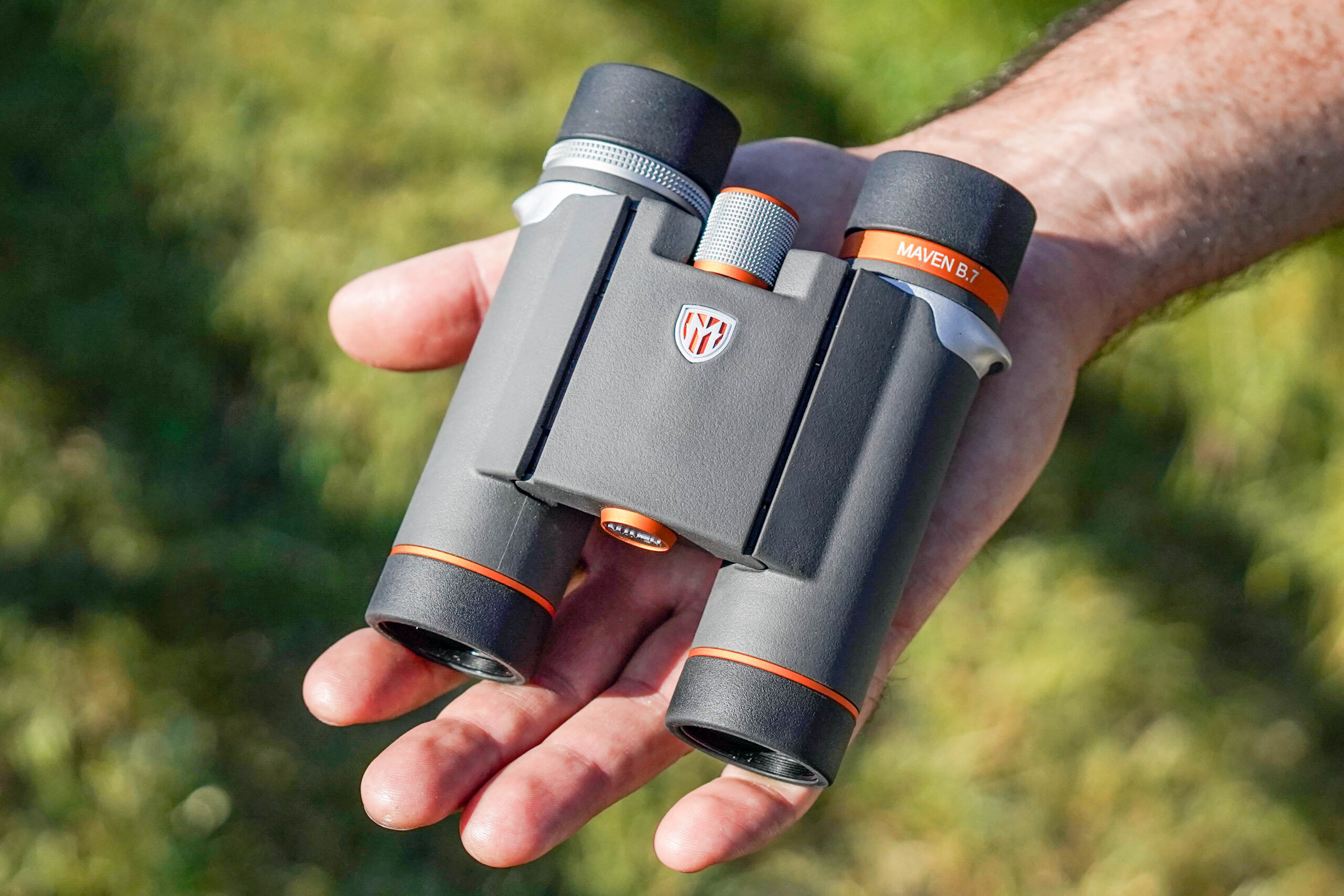

Binoculars budget
Binoculars span from $20 pocket lenses to $3,000+ optics that rival telescope clarity. The sweet spot for most birders and travelers sits between $100 and $300. At this price, you get reliable waterproofing, decent glass, and a brand that honors its warranty. Spending more yields diminishing returns unless you need extreme low-light performance or specialized coatings.
Under $100: Entry-level compact
These are your backup pair or travel light. Expect plastic housings and basic glass, but many still deliver sharp 10x25 views for casual birding. Look for brands like Celestron or Bushnell for reliability in this tier. They won’t resolve fine feather details at distance, but they fit in a jacket pocket and won’t break if dropped.
$100–$300: The value sweet spot
This range offers the best balance of optical quality and durability. You’ll find fully multi-coated lenses, rubber armor, and reliable focus mechanisms. Vortex and Nikon dominate here with models like the Vortex Diamondback HD 10x42 or Nikon Monarch M5. These binoculars handle rain, dust, and daily carry without compromising image clarity. For most users, this is where the smart money goes.
$300+: Premium optics
High-end binoculars from Zeiss, Swarovski, or Leica offer superior glass, wider fields of view, and exceptional low-light performance. They’re lighter, better balanced, and built to last decades. If you bird daily in variable light or want the sharpest possible image, these justify the cost. But for occasional hikers or casual observers, the upgrade rarely justifies the price jump.
How to choose wisely
Match your budget to your use case. Travelers should prioritize weight and size over maximum aperture. Birders need clarity at medium distances, not extreme magnification. Always test fit in-store if possible—eyelash spacing and interpupillary distance matter more than specs on paper. Avoid inflated "HD" labels from unknown brands; stick to established names with proven track records.
Shortlist real options
Finding the best compact binoculars means balancing optical clarity with weight. The following models represent the current market leaders for birding and travel, selected from rigorous lab testing and user feedback. We compare their core specifications to help you choose the right pair for your specific needs.
| Model | Spec | Best For | Editor’s Note |
|---|---|---|---|
| Vortex Viper HD | 10x42 | All-around performance | Excellent glass for the price |
| Nikon Monarch M5 | 8x42 | Low light & comfort | Bright, wide field of view |
| Swarovski EL Range | 10x42 | Serious birders | Premium optics, higher cost |
| Celestron Nature DX | 10x42 | Budget buyers | Solid entry-level performance |
| Bushnell Legend Ultra | 10x42 | Value seekers | Good coatings, durable build |
Vortex Viper HD
The Viper HD series is a favorite among reviewers for its balance of price and performance. It offers HD glass that delivers sharp images across the field of view, making it a versatile choice for both birding and general outdoor use. The rubber armor provides good grip and protection.
Nikon Monarch M5
Nikon’s Monarch M5 is known for its brightness and comfort. The 8x42 configuration provides a wider field of view than many 10x competitors, which helps in tracking moving birds. It is lightweight and ergonomic, reducing eye strain during long observation sessions.
Swarovski EL Range
For those willing to invest in premium optics, the Swarovski EL Range offers exceptional clarity and color fidelity. These binoculars are built for precision, with a focus on edge-to-edge sharpness. They are heavier and more expensive but represent the gold standard for serious enthusiasts.
Celestron Nature DX
The Nature DX series provides impressive value for budget-conscious buyers. While it may not match the premium glass of higher-end models, it offers decent optical performance and durability. It is a solid entry point for beginners or casual users.
Bushnell Legend Ultra
Bushnell’s Legend Ultra focuses on delivering good optical coatings at an accessible price point. It is durable and suitable for everyday use. While it may lack the niche features of more specialized models, it remains a reliable choice for general outdoor activities.
Inspect the expensive parts
Compact binoculars pack precision optics into small bodies, which means wear points are concentrated. A few dollars of maintenance can save hundreds in replacement costs. Run through this checklist before every trip to catch failures early.
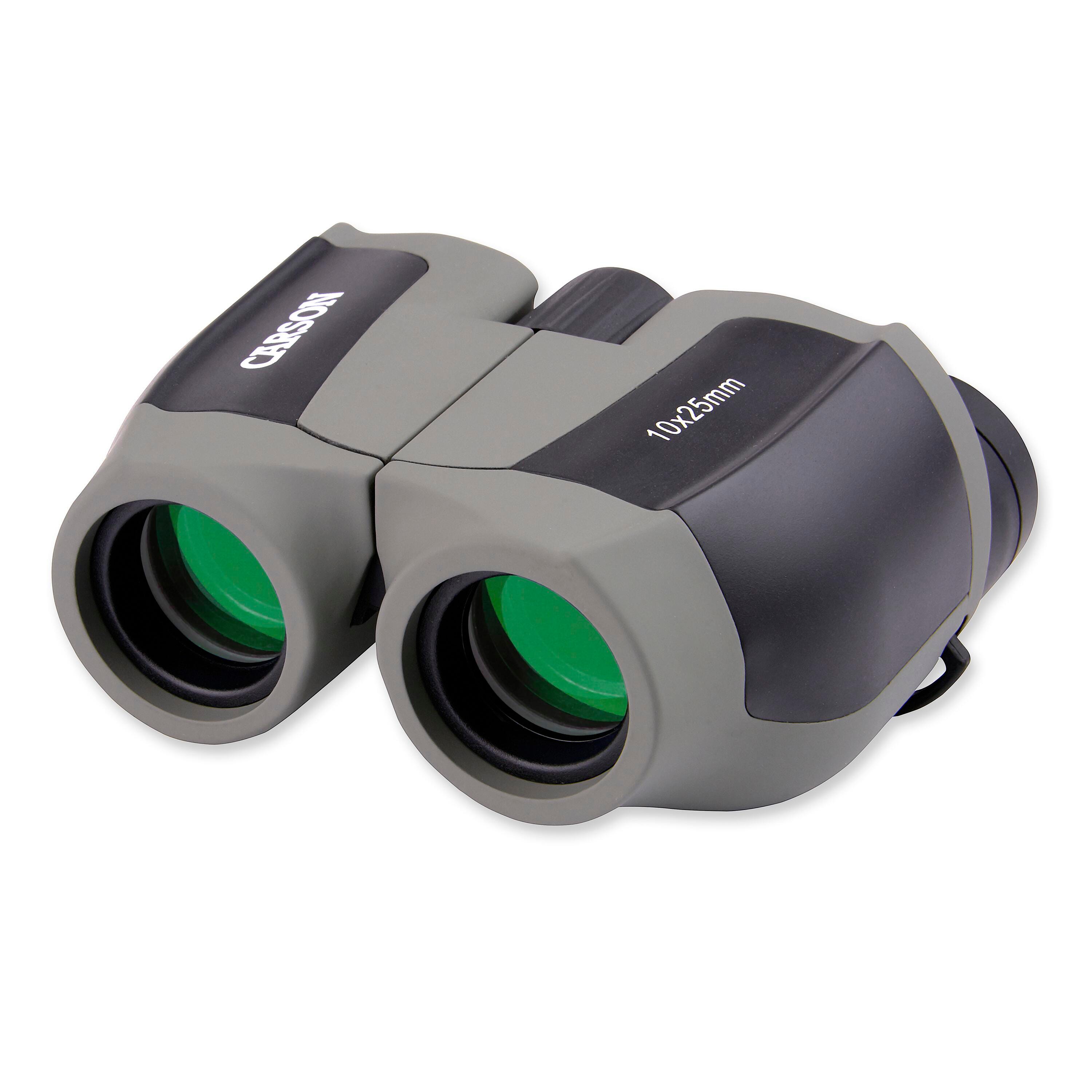
Gently open and close the barrels. They should move smoothly without grinding or feeling loose. If the hinge is too loose, the barrels will flop open, ruining your depth perception. If it’s too tight, you risk cracking the plastic housing. A slight resistance is ideal.
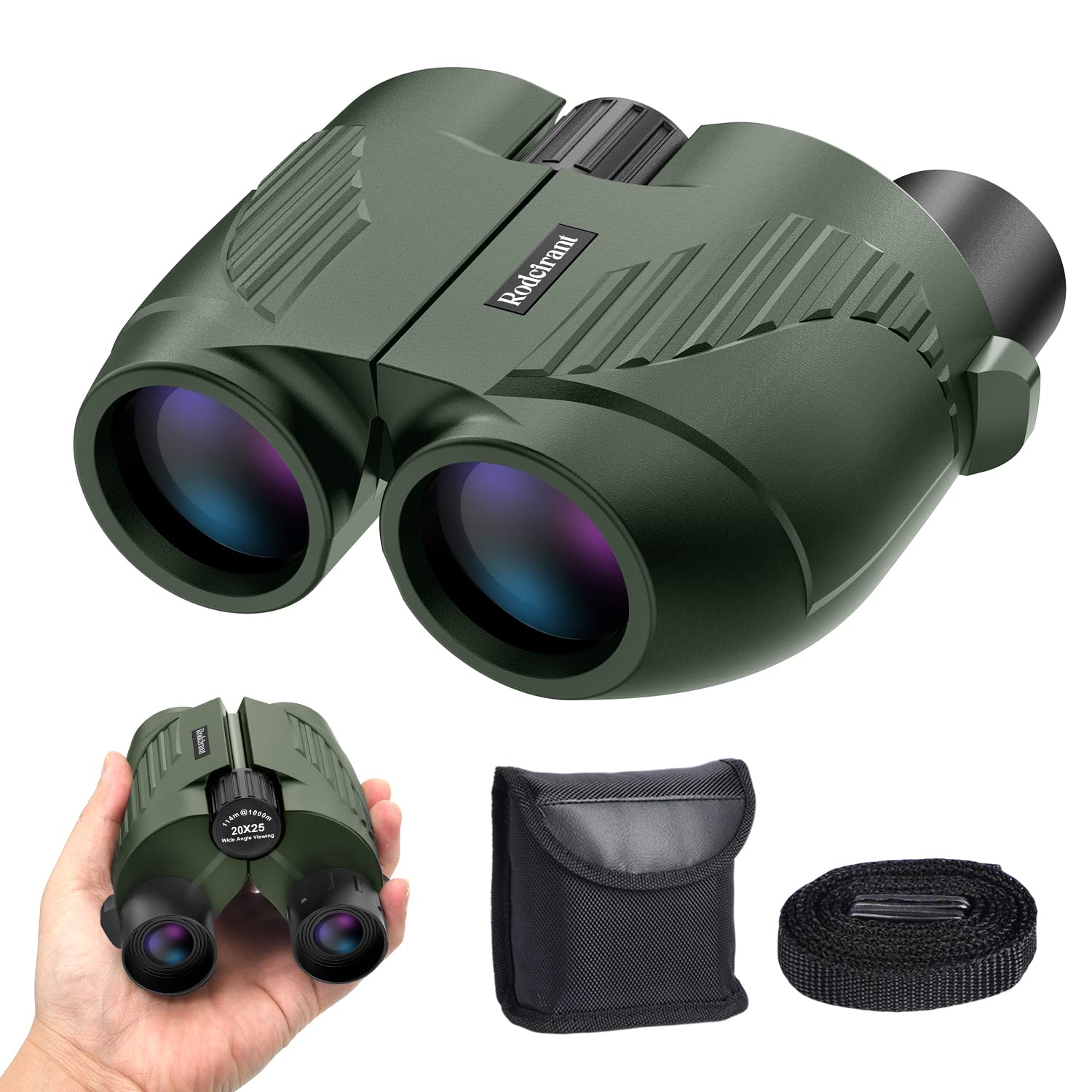
Look for tears or peeling on the rubber coating, especially around the hinge and focus wheel. Damaged armor exposes the metal or plastic body to moisture and impact. Small tears can be sealed with waterproof tape temporarily, but significant damage compromises durability.
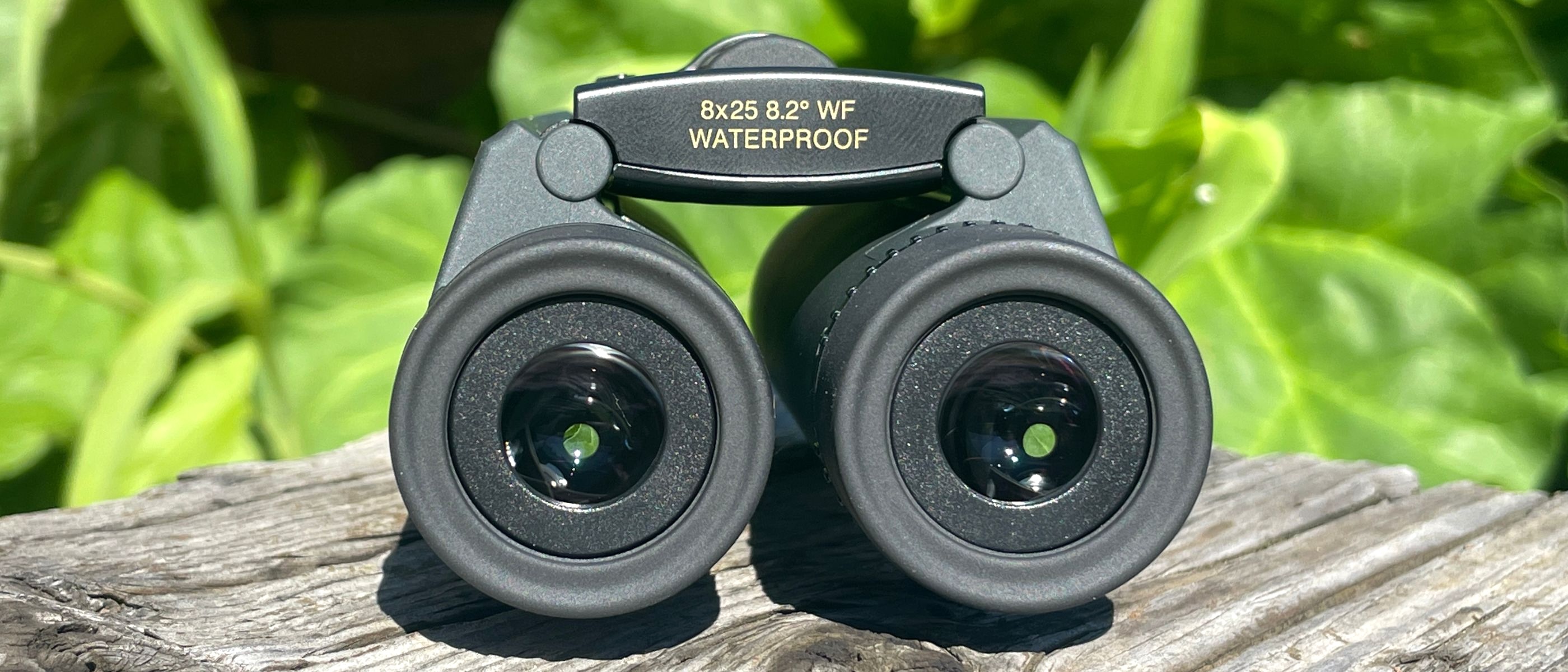
Twist or fold the eyecups up and down. They should lock securely in every position. Cracked or loose eyecups let stray light enter, reducing contrast. If the rubber is hard or crumbling, it’s time for a replacement eyecup kit, which is often cheaper than new binoculars.
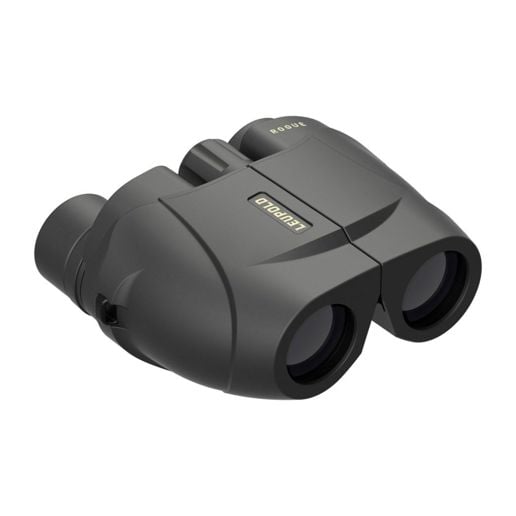
Hold the binoculars up to a bright light and look through the lenses. If you see clouds, streaks, or floating particles inside, the seals have failed. Internal fogging is permanent and ruins image quality. This usually happens after dropping the binoculars or exposing them to rapid temperature changes.
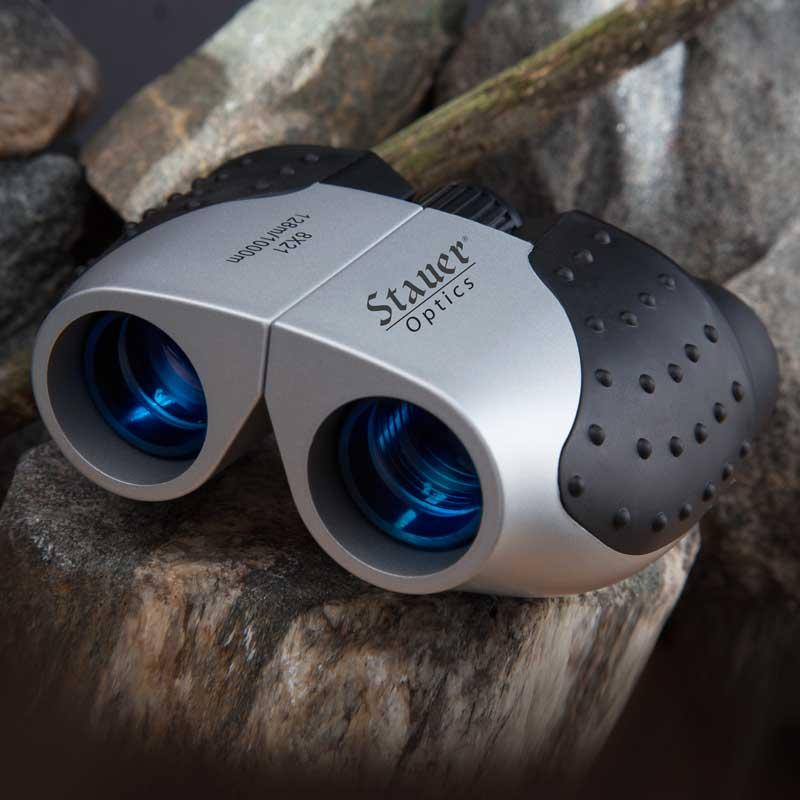
Rotate the central focus wheel. It should turn smoothly from close focus to infinity without sticking or making clicking noises. Gritty movement often means dirt or sand has entered the mechanism. Clean the exterior threads with a soft brush, but avoid forcing the knob if it feels blocked.
Plan for ownership costs
Use this section to make the Best Compact Binoculars decision easier to compare in real life, not just on paper. Start with the reader's actual constraint, then separate must-have requirements from details that are merely nice to have. A practical choice should survive normal use, maintenance, timing, and budget. If a recommendation only works in an ideal situation, call that out plainly and give the reader a fallback path.
The simplest way to use this section is to write down the must-have criteria first, then compare each option against those criteria before weighing nice-to-have features.
Binoculars: what to check next
Helpful gear
Use these product recommendations as a starting point, then choose the size, material, and price point that fit how you actually use the gear.
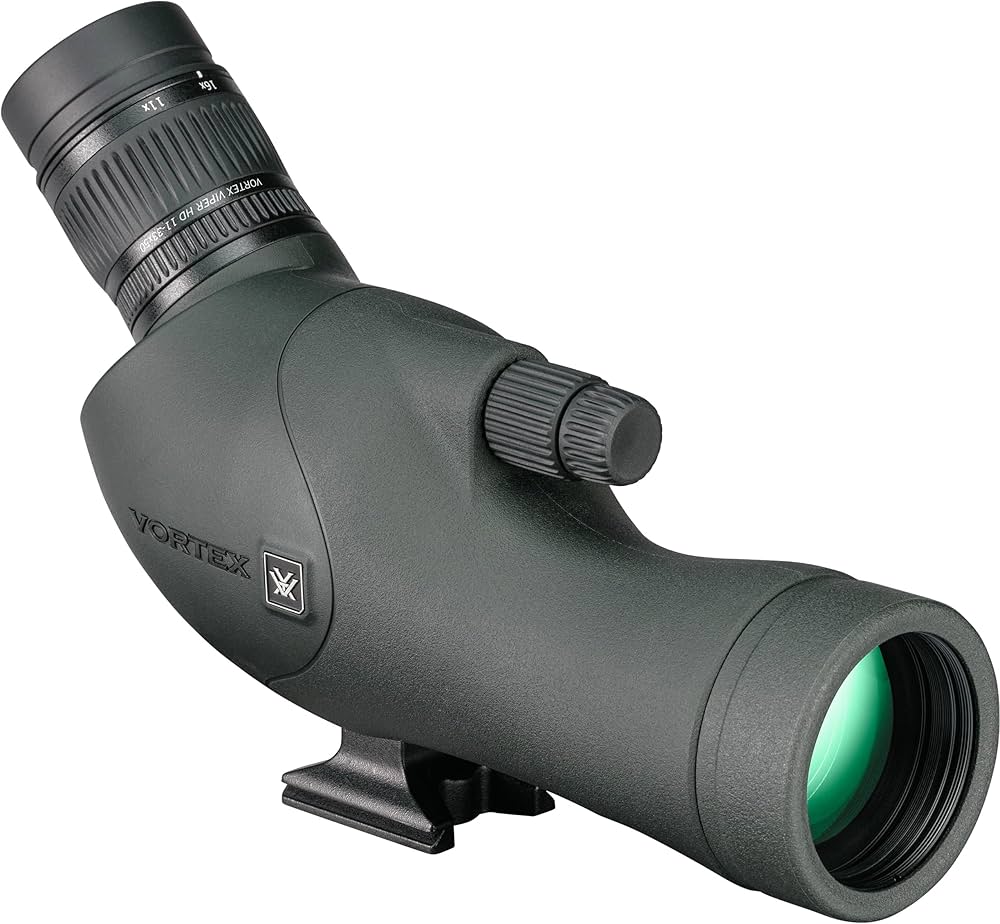


As an Amazon Associate, we may earn from qualifying purchases.
No comments yet. Be the first to share your thoughts!