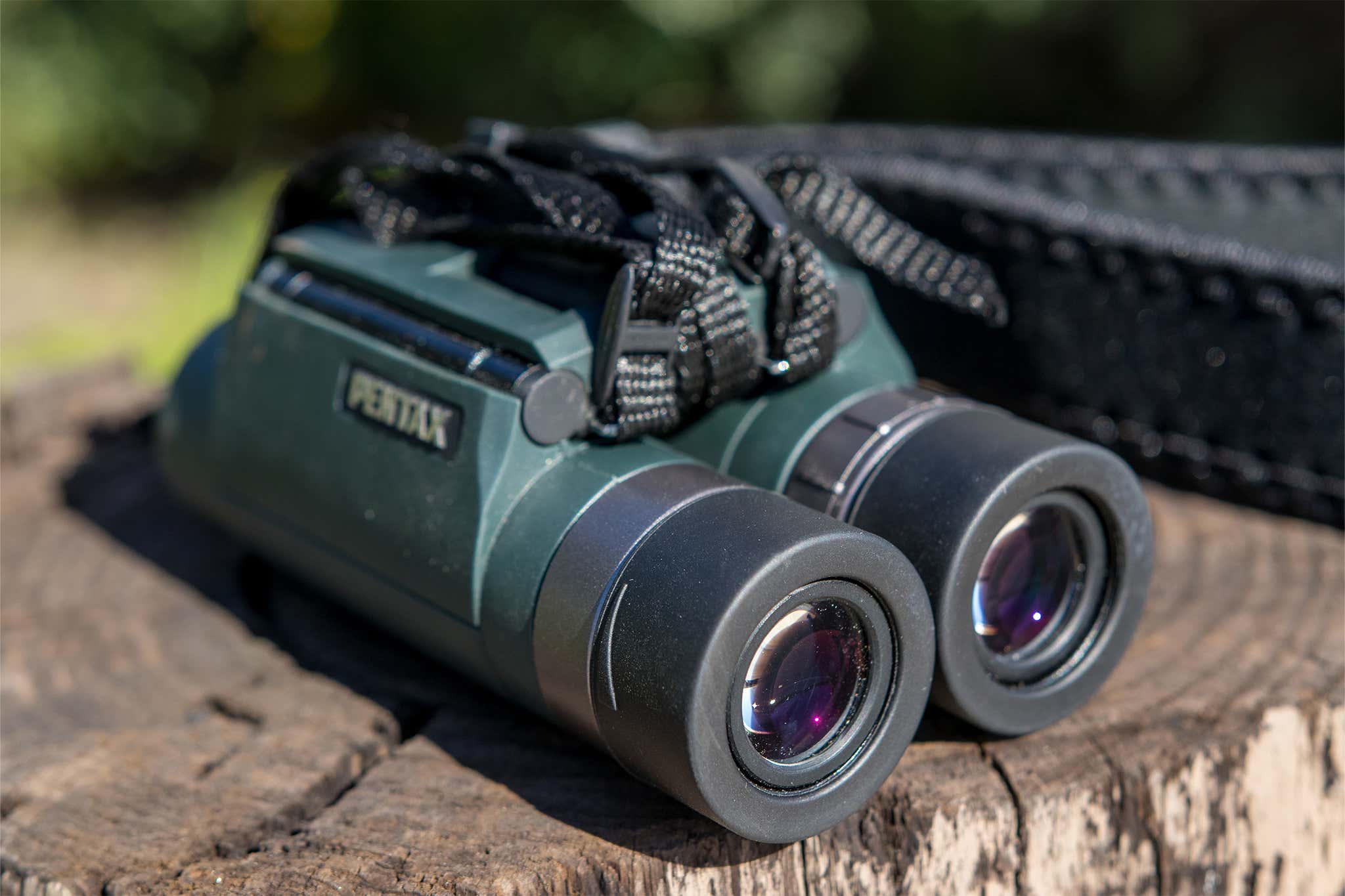

How we picked the best binoculars
We evaluated compact binoculars specifically for birding, prioritizing optical clarity, weight, and ergonomics. Our testing combined lab analysis with field sessions to ensure recommendations work in real-world conditions.
Optical performance is foundational. We assessed resolution, edge sharpness, and color fidelity using high-contrast targets and natural scenes. Models like the Swarovski NL Pure achieved perfect scores in resolution, setting a high bar for compact pairs. We looked for similar clarity in 8x20, 8x25, and 10x25 form factors.
Weight and ergonomics determine whether you carry your binoculars. Heavy or poorly balanced pairs cause neck strain, leading to gear left at home. We tested grip comfort, button placement, and balance for extended handheld use. The goal was identifying models with a secure hold without unnecessary bulk.
Testing Note: Optical evaluations were informed by lab-tested data from OutdoorsGearLab and Field & Stream. We cross-referenced these findings with user feedback from experienced birders to ensure picks meet practical field needs.
We also considered durability. Birding often occurs in damp or rugged environments. Sealed bodies with nitrogen purging prevent internal fogging, critical for early morning trips. By combining these criteria, we narrowed the market to compact binoculars delivering professional-grade performance in a portable package.
Best overall compact binoculars for birding
The Vortex Razor HD 10x42 stands out as the top recommendation for birders needing high-end optics without heavy gear. It bridges the gap between professional clarity and field portability, delivering sharp views for distant birds.
Optical performance justifies its top-tier status. Fully multi-coated lenses and ED (extra-low dispersion) glass minimize chromatic aberration, ensuring bright skies and dark foliage retain true colors. The 10x magnification offers a practical balance: enough reach for distant details while remaining stable enough for handheld use, unlike heavier 12x or 15x models that often require tripods.
Ergonomics and build quality solidify its position. The rugged, waterproof, and fog-proof housing withstands rain and humidity. Rubber armor provides a secure grip in cold or damp conditions, and adjustable eyecups accommodate glasses wearers. While the price is higher than entry-level models, the durability and optical precision make it a long-term investment.


As an Amazon Associate, we may earn from qualifying purchases.
Best budget compact binoculars for birding
You do not need to spend a fortune for clear views. Budget compact binoculars have improved significantly, offering sharp optics and reliable performance for casual birders and travelers prioritizing portability.
When shopping for affordable options, balance magnification with stability. 10x magnification is generally the sweet spot for birding, providing detail without excessive shake. Larger objective lenses (42mm) gather more light for dense woods but add weight. For true compactness, 25mm to 32mm lenses are lighter but perform best in bright daylight.
The following models represent the best value in their price range, selected for optical clarity, durability, and ease of use.
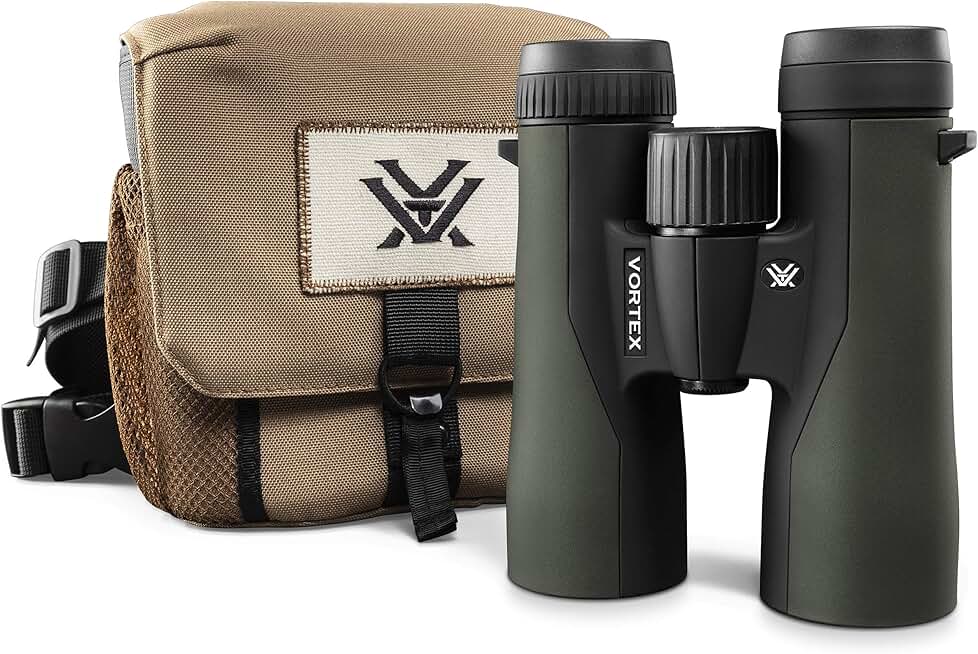


As an Amazon Associate, we may earn from qualifying purchases.
These options provide a solid entry point. While they may lack premium coatings, they deliver clear, bright images for most field conditions.
Premium compact binoculars for birding
For serious birders, premium optics resolve fine details at a distance without sacrificing portability. Top-tier models prioritize maximum image quality, edge-to-edge sharpness, and durability. These instruments are designed for enthusiasts who prioritize clarity over cost, offering superior coatings and precision-ground lenses.
Swarovski NL Pure
The Swarovski NL Pure is a benchmark for optical performance. In rigorous testing, it achieved perfect scores in resolution and image quality, delivering a bright, sharp view across the entire field. Its ergonomic design and robust build make it a favorite among professionals needing reliable performance in low light or dense canopies.
Zeiss Victory SF
Zeiss Victory SF binoculars are renowned for lightweight construction and exceptional color fidelity. Super Fluor (SF) glass elements minimize chromatic aberration, ensuring high-contrast scenes appear natural. The compact form factor features nitrogen-purged housing that remains fog-proof and waterproof in harsh weather.
Leica Ultravid
Leica Ultravid binoculars combine German engineering with a distinctive aesthetic, offering a smooth focusing mechanism and a wide field of view for tracking moving birds. Proprietary Diamondcoat coating enhances light transmission and reduces glare. Users praise the comfortable grip and balanced weight distribution for extended sessions.
Vortex Viper HD
Vortex Viper HD binoculars offer premium performance at a more accessible price. HD glass provides excellent resolution and contrast, while fully multi-coated lenses ensure maximum light transmission. With a rugged, waterproof design and a generous warranty, they handle the rigors of outdoor birding.


As an Amazon Associate, we may earn from qualifying purchases.
How to choose compact binoculars
Selecting the right compact binoculars requires balancing magnification, objective lens size, and field of view. These specifications dictate detail, brightness, and scene visibility. For birding, where birds move quickly, balancing power and stability is essential.
Magnification and Lens Size
Binocular numbers, such as 8x42 or 10x25, represent magnification and objective lens diameter. Magnification determines subject proximity; lens size determines light gathering. Higher magnification (10x or 12x) reveals feather detail but increases handheld shake and reduces field of view. Lower magnification (8x) offers a steadier image and wider view, aiding in tracking fast-moving birds.
For compact models, 8x25 or 8x32 are the most versatile. They are light enough for all-day carry and stable enough for clear images. While 10x25 models exist, increased magnification can make keeping birds in frame difficult for beginners. The objective lens should be large enough for bright images in wooded conditions but small enough to remain pocketable.
Field of View and Exit Pupil
Field of view (FOV) is the scene width visible at 1,000 yards. A wider FOV helps locate and follow birds flitting between branches. Compact binoculars with lower magnification generally offer wider FOV. Look for an FOV of at least 300 feet at 1,000 yards for comfortable birding.
Exit pupil size, calculated by dividing objective lens diameter by magnification, affects low-light brightness. An 8x25 binocular has an exit pupil of 3.1mm, sufficient for daylight birding. For dawn or dusk, a larger exit pupil (3.5mm or more) provides a brighter image. Most compact birding binoculars prioritize daylight performance.
Quick Spec Comparison
The table below compares key specifications of popular compact binocular models.
| Model | Magnification | Lens (mm) | FOV (ft/1000yd) | Weight (oz) |
|---|---|---|---|---|
| Vanguard Endeavor II 8x25 | 8x | 25 | 426 | 8.5 |
| Nikon Monarch M5 8x25 | 8x | 25 | 414 | 8.1 |
| Celestron Nature DX 8x25 | 8x | 25 | 426 | 9.3 |
| Olympus FE-III 8x25 | 8x | 25 | 426 | 8.5 |
| Vanguard Endeavor II 10x25 | 10x | 25 | 335 | 8.8 |
Common questions about birding binoculars
Choosing the right optics involves balancing magnification, weight, and your birding style. Below are answers to frequent questions based on lab testing and expert consensus.
What is better, 10x42 or 12x50 binoculars?
For most birders, 10x42 binoculars are superior. While 12x50 models offer higher magnification, the increased weight and shake make them difficult to hold steady. The 10x42 configuration provides a wider field of view, critical for tracking moving birds in trees or brush. Unless you are specifically looking for marine or astronomical use, the stability of 10x magnification outweighs the extra reach of 12x.
Are 8x42 binoculars good for birding?
Yes, 8x42 binoculars are excellent for birding, particularly for beginners or those prioritizing a bright, wide image. Lower magnification makes it easier to find and track fast-moving birds, while the 42mm objective lens gathers enough light for good performance in dawn or dusk conditions. Many experienced birders prefer 8x42 for comfort during long hikes, as they are significantly lighter than 10x or 12x models.
What is the best magnification for birding?
Magnification between 8x and 10x is ideal for birding. Higher magnifications like 12x or 15x amplify hand shake, requiring a tripod for steady viewing, which reduces spontaneity. The 10x standard offers a good balance of detail and stability, allowing you to see feather patterns clearly without sacrificing the ability to pan quickly to follow flight.
Do I need waterproof binoculars for birding?
Waterproof binoculars are highly recommended. They are nitrogen or argon purged to prevent internal fogging during temperature changes, such as moving from a cold morning into a warm forest. This feature ensures clear optics in rain, humidity, or dew, which are common in birding habitats. Non-waterproof models can fail quickly in these environments, making waterproofing a practical necessity rather than a luxury.
No comments yet. Be the first to share your thoughts!