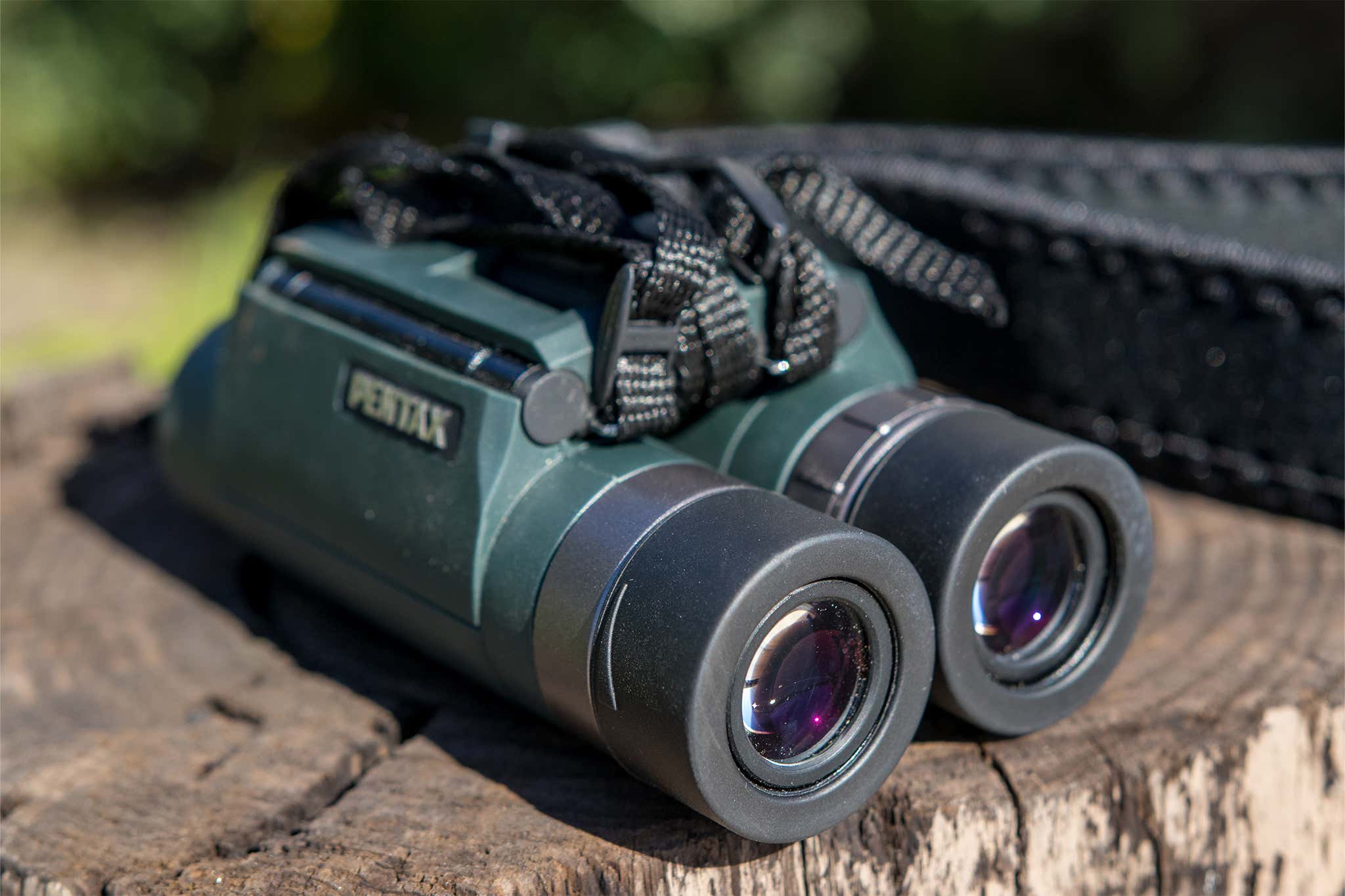

Best binoculars for birding
Finding the right pair of binoculars for birding means balancing optical clarity with portability. You need lenses that resolve fine details on distant plumage without adding weight that fatigues your shoulders during a long field season. The best models for this use case typically land in the 8x42 or 10x42 configuration, offering a broad viewing area to track moving targets while maintaining enough magnification to identify species at a distance.
We evaluated several leading options based on brightness, edge-to-edge sharpness, and ergonomic fit. The following recommendations represent the current top performers for birders who prioritize image quality and durability.


As an Amazon Associate, we may earn from qualifying purchases.
Compact binoculars for travel
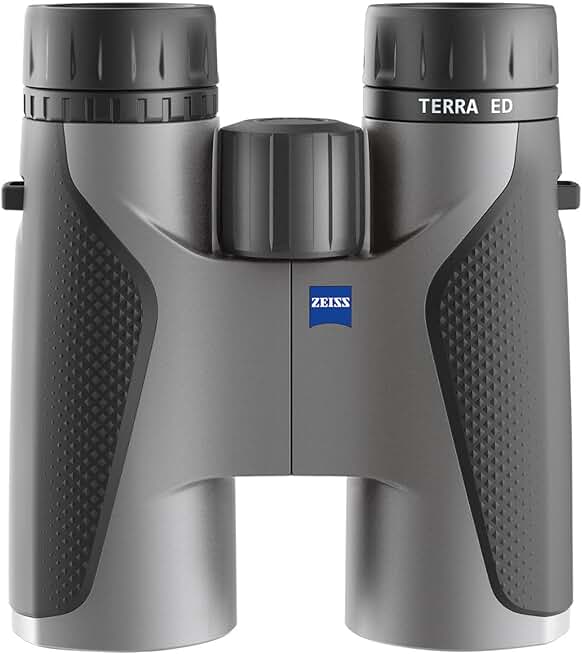
Compact binoculars are the go-to choice for travelers and hikers who prioritize weight over maximum aperture. These optics trade the large objective lenses of standard 8x42 models for 25mm or smaller lenses, resulting in a form factor that fits easily into a jacket pocket or small daypack. They are ideal for urban birding, city walks, or trail hiking where every ounce counts.
The trade-off is brightness in low light. Smaller lenses gather less light, so these binoculars perform best in bright daylight. However, for most birding scenarios—identifying species in trees, scanning fields, or spotting waterfowl—the image quality is more than sufficient. The reduced weight allows for longer viewing sessions without arm fatigue, which is critical when you are on the move.

As an Amazon Associate, we may earn from qualifying purchases.
Best value binoculars under $200
Finding sharp optics without breaking the bank is entirely possible. For beginners or budget-conscious birders, the sweet spot lies in models that prioritize reliable light transmission and comfortable handling over premium branding. These picks deliver the core performance needed for field identification without the luxury markup.
The Nikon Monarch M7 10x42 remains a benchmark for value, offering excellent clarity and a comfortable grip for extended viewing sessions. For those seeking an even tighter budget, the ScoopX UHD 10x42 has gained significant traction among enthusiasts for providing surprising optical quality at a fraction of the cost of major brands. Both options serve as solid entry points for understanding what matters in field optics.


As an Amazon Associate, we may earn from qualifying purchases.
| Model | Mag/Optics | Best For |
|---|---|---|
| Nikon Monarch M7 | 10x42 | All-around birding |
| ScoopX UHD | 10x42 | Tight budgets |
| Celestron Nature DX | 8x42 | Low light conditions |
When choosing under $200, prioritize 10x42 configurations for daylight clarity or 8x42 for steadier views in dimmer conditions. Avoid 12x50 models unless you specifically need maximum light gathering, as the higher magnification can make handheld viewing shaky without a tripod. These three models cover the primary use cases for most birders on a budget.
Premium binoculars for serious birders
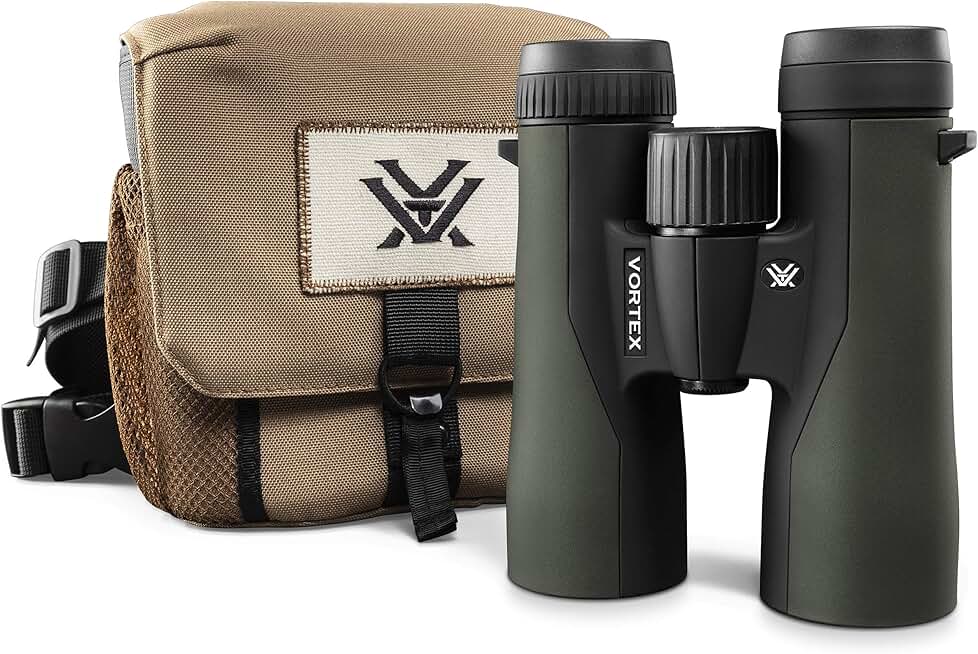
When you move into the premium tier, the trade-off is no longer about basic visibility but about optical perfection and build quality. Enthusiasts in this bracket prioritize color fidelity, edge-to-edge sharpness, and durability. These binoculars are built to withstand years of field use while delivering the clarity needed to identify subtle plumage details at a distance.
The Swarovski NL Pure series is often the benchmark for this category. Its Abbe-Koenn prism system and proprietary coatings deliver exceptional brightness and contrast, making it easier to spot birds in dense foliage or low-light conditions. Users frequently note the comfortable eye relief and intuitive focus wheel, which are critical when tracking fast-moving subjects.
Leica’s Trinovid and Noctivid lines offer a different approach, focusing on compactness without sacrificing optical performance. Their HD glass and multi-layer coatings provide neutral color rendition, which many birders prefer for accurate identification. These models are particularly favored by travelers who need a lightweight pair that doesn’t compromise on image quality.
For those who prioritize extreme sharpness across the entire viewing area, Zeiss Conquest HD stands out. Its T* coating minimizes internal reflections, resulting in high-contrast images with deep blacks. This is especially useful when scanning against bright skies or dark forest canopies.
Choosing a premium pair is an investment in long-term performance. These binoculars often feature waterproof and fog-proof construction, ensuring they remain functional in rain, humidity, or temperature swings. The build quality is typically robust, with rubber armor that provides grip and protection against drops.


As an Amazon Associate, we may earn from qualifying purchases.
How to choose binoculars
Binocular specifications can feel like a foreign language until you understand what the numbers actually mean for your birding sessions. The two sets of digits on the tube—such as 8x42 or 10x50—describe magnification and objective lens size. The first number is how much closer the bird appears; the second is the diameter of the front lens in millimeters, which determines how much light enters the scope.
For most birders, 8x42 or 10x42 is the sweet spot. The 8x model offers a wider field of view, making it easier to track moving birds in dense foliage, while the 10x model provides more reach for distant waterfowl or raptors. If you frequently bird at dawn or dusk, the larger 50mm objective lenses on 8x50 or 10x50 models gather more light, but they are heavier and bulkier to carry on long hikes.
Field of view measures the width of the scene you see at 1,000 yards. A broader viewing area helps you spot and track birds faster. Eye relief, the distance from the eyepiece lens to your eye, is critical for comfort. If you wear glasses, look for at least 15mm of eye relief to see the full image without removing your frames.
No comments yet. Be the first to share your thoughts!