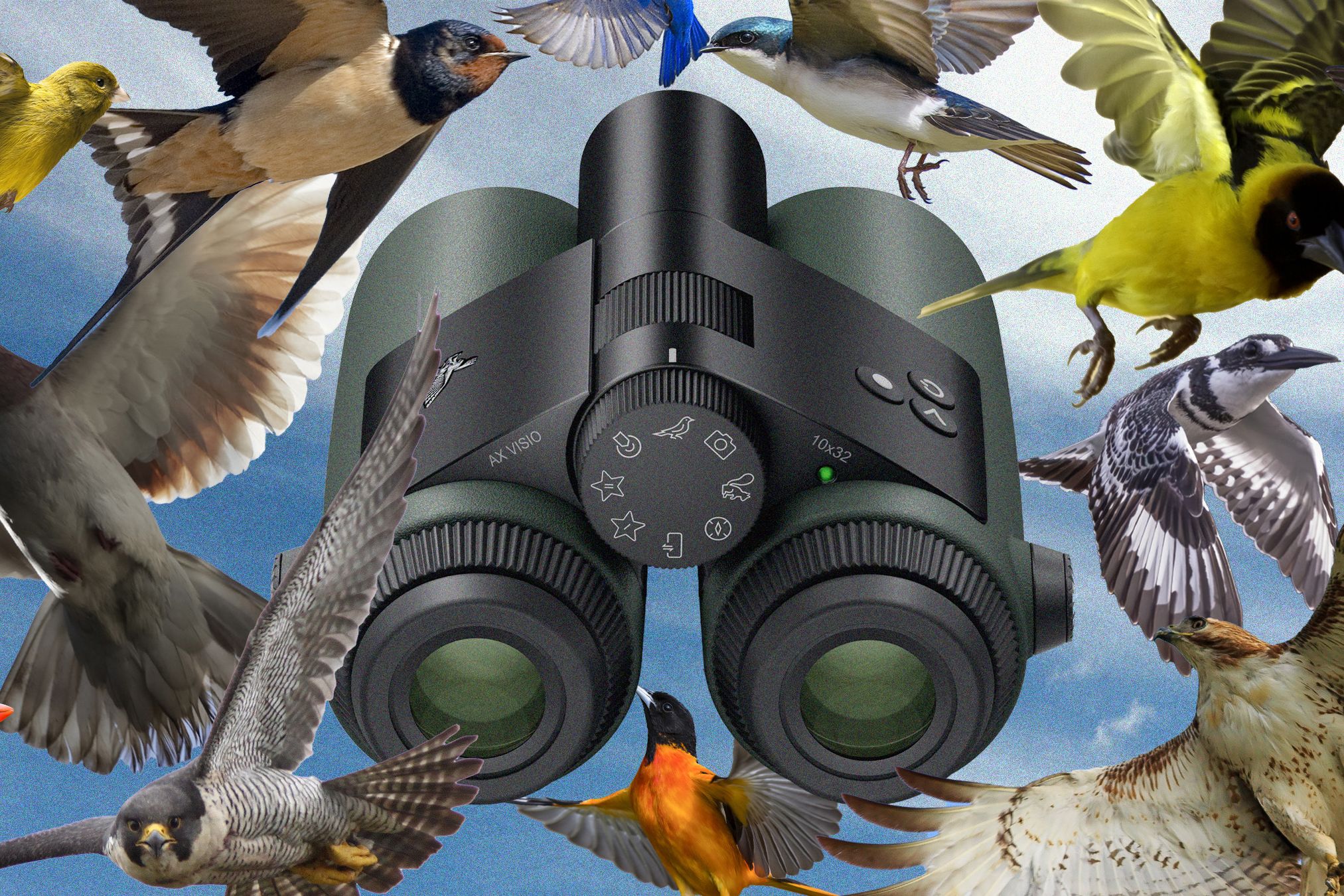

Best 2026 binoculars for birding
TLDR: We evaluated binoculars based on optical clarity, weight, and weather resistance.
To find the best 2026 binoculars birding enthusiasts should buy, we tested 16 top-selling models from brands like Vortex, Nikon, Leica, and Swarovski. Our evaluation focused on the specific demands of spring migration: spotting fast-moving birds at a distance while carrying the optics for hours.
We prioritized optical clarity and field of view, as these specs determine how easily you can track a bird in flight. A wide field of view is essential for keeping a moving target in sight, while high-resolution optics ensure you can identify species by plumage details rather than just shape. We also measured weight and balance, because a pair that feels heavy after 30 minutes will discourage you from using it during a long hike.
Durability was the final pillar. Birding often means exposure to rain, fog, and humidity. We verified that each model offered waterproof and fog-proof performance, ensuring the internal optics remain clear in damp conditions. This rigorous testing helps you choose a pair that performs reliably in the field, not just on a spec sheet.
Best overall binoculars for birding
The Zeiss SFL 10×40 is the best overall binoculars for birding because it balances optical performance with ergonomic usability. This model delivers the sharpness and contrast serious birders need to identify distant field marks, while remaining light enough to carry during long migrations. It serves as a reliable workhorse that handles both dawn surveys and high-contrast midday observations.
The 10×40 configuration provides a practical middle ground for most birding scenarios. The 10x magnification allows for detailed views of small songbirds without the excessive hand shake that often accompanies 12x or 15x optics. The 40mm objective lenses gather sufficient light for early morning or late evening sightings, maintaining a bright image even under canopy cover.
Optical clarity is paramount for distinguishing subtle plumage variations. The Zeiss SFL series utilizes high-quality glass and coatings to minimize chromatic aberration, ensuring that edges remain crisp. This precision helps birders quickly separate similar species, such as warblers or sparrows, where slight color differences matter.
The exit pupil and field of view are calibrated for scanning. A wider field of view helps track moving birds, while the ergonomic design reduces fatigue during extended use. For birders who prioritize a single pair of binoculars for all seasons, this model offers the most consistent performance.


As an Amazon Associate, we may earn from qualifying purchases.
Best value binoculars for birding
You do not need to spend a fortune to get sharp optics for spring migration. The Nikon Monarch M7 10x42 sets the standard for budget-friendly birding, offering excellent light transmission and a wide field of view without the premium price tag of high-end brands. This model is widely recognized as the best value option for observers who want clear, bright images of distant birds.
The Nikon Monarch M7 features multi-coated lenses that maximize light transmission, making it easier to spot birds in shaded woods or during early morning hours. Its 42mm objective lenses provide a comfortable exit pupil, while the 10x magnification strikes a balance between detail and stability. Unlike heavier 12x50 options, the 10x42 form factor is light enough to hold steady for extended periods, reducing eye strain during long observation sessions.
Other strong contenders in this price bracket include the Vortex Viper HD and the Celestron Nature DX. These models prioritize optical clarity and durability, ensuring that your investment lasts through multiple field seasons. When choosing a value binocular, focus on lens coating quality and ergonomic design rather than just magnification power.
| Model | Key Spec | Weight | Price Tier |
|---|---|---|---|
| Nikon Monarch M7 10x42 | Multi-coated lenses | 22.6 oz | $ |
| Vortex Viper HD 10x42 | HD glass | 23.2 oz | $ |
| Celestron Nature DX 10x42 | BaK-4 prisms | 22.0 oz | $ |
Best compact binoculars for travel
When hiking or traveling light, every ounce counts. Compact binoculars sacrifice some optical performance for portability, making them ideal for birders who prioritize ease of carry over maximum brightness. These models typically feature 10x25 or 12x25 configurations, offering a good balance between magnification and field of view.
The trade-off is clear: smaller objective lenses gather less light, which can dim images in low-light conditions like dawn or dusk. However, for bright spring migration days, these units provide sharp, clear views of distant birds without the bulk of full-size optics. Look for models with a wide field of view to help track moving birds in dense foliage.

As an Amazon Associate, we may earn from qualifying purchases.
Choosing the right magnification
Magnification determines how large a bird appears and how much of the surrounding habitat you see. The numbers on binoculars—such as 8x42, 10x42, or 12x50—represent two distinct optical properties. The first number is magnification power; the second is the diameter of the objective lens in millimeters. For birding, magnification is the primary driver of usability.
Higher magnification brings distant subjects closer but narrows the field of view and amplifies hand shake. This trade-off dictates which setup suits your specific birding style. A wider field of view helps track fast-moving birds in dense foliage, while higher power is better for scanning distant ridges or water.
8x Magnification: Stability and Field of View
8x magnification is the standard for general birding. It offers the widest field of view, making it easier to locate and track birds moving through trees. The lower power also makes the image steadier, reducing eye strain during long sessions. This setup is ideal for dense woodlands, coastal marshes, or birders who prefer a relaxed viewing experience.
Models like the Vortex Viper HD 8x42 excel in low-light conditions due to their larger exit pupil. The wider perspective helps when scanning for movement in thick brush, where a narrow field of view might cause you to miss a flitting bird.
10x Magnification: The Versatile Standard
10x magnification is the most popular choice for serious birders. It provides a significant jump in detail without the severe stability issues of higher powers. The field of view is narrower than 8x but still sufficient for most upland and waterfowl scenarios. This balance makes 10x42 binoculars the go-to recommendation for mixed habitats.
The Swarovski EL 10x42 is a premium example of this class, offering exceptional clarity and a bright image. It allows you to identify subtle field marks on distant birds while remaining handheld-friendly for most users.
12x Magnification: High Power for Tripods
12x magnification is reserved for specific scenarios: scanning distant mountains, open water, or using a tripod. The narrow field of view and high sensitivity to hand shake make handheld use difficult for most people. You will notice image jitter immediately, which can cause fatigue and make tracking moving birds nearly impossible.
If you choose 12x, such as the Nikon Monarch M5 12x50, plan to use a stabilizing mount. These are best for stationary observation points where you can scan vast distances for wildlife or waterfowl without needing to track erratic movement.
What do binocular specs actually mean?
Understanding magnification and lens diameter is the first step to choosing the right tool for spring migration. The numbers stamped on the barrel—such as 8x42 or 10x42—describe two distinct optical properties. The first number is magnification power, while the second is the diameter of the objective lens in millimeters.
Higher magnification brings distant birds closer, but it also amplifies hand shake. For most birding scenarios, 8x or 10x provides the best balance between detail and stability. The objective lens size determines how much light enters the optics. A larger lens, like the 42mm in a 10x42 model, produces a brighter image in low-light conditions compared to a 32mm lens.
Are 12x50 binoculars better for birding?
While 12x50 binoculars offer high magnification and excellent light gathering, they are generally too heavy and unstable for handheld birding. The increased magnification makes it difficult to keep a steady image on moving targets like birds in flight or perching on branches. Most birders find that the weight of 12x50 models causes fatigue during long observation sessions.
For general wildlife viewing or marine use, 12x50 can be effective. However, for birding, a 10x42 model is the preferred standard. It offers enough magnification to see field marks clearly while remaining light enough to hold steady for extended periods. If you need more power, consider a spotting scope rather than heavier binoculars.
No comments yet. Be the first to share your thoughts!