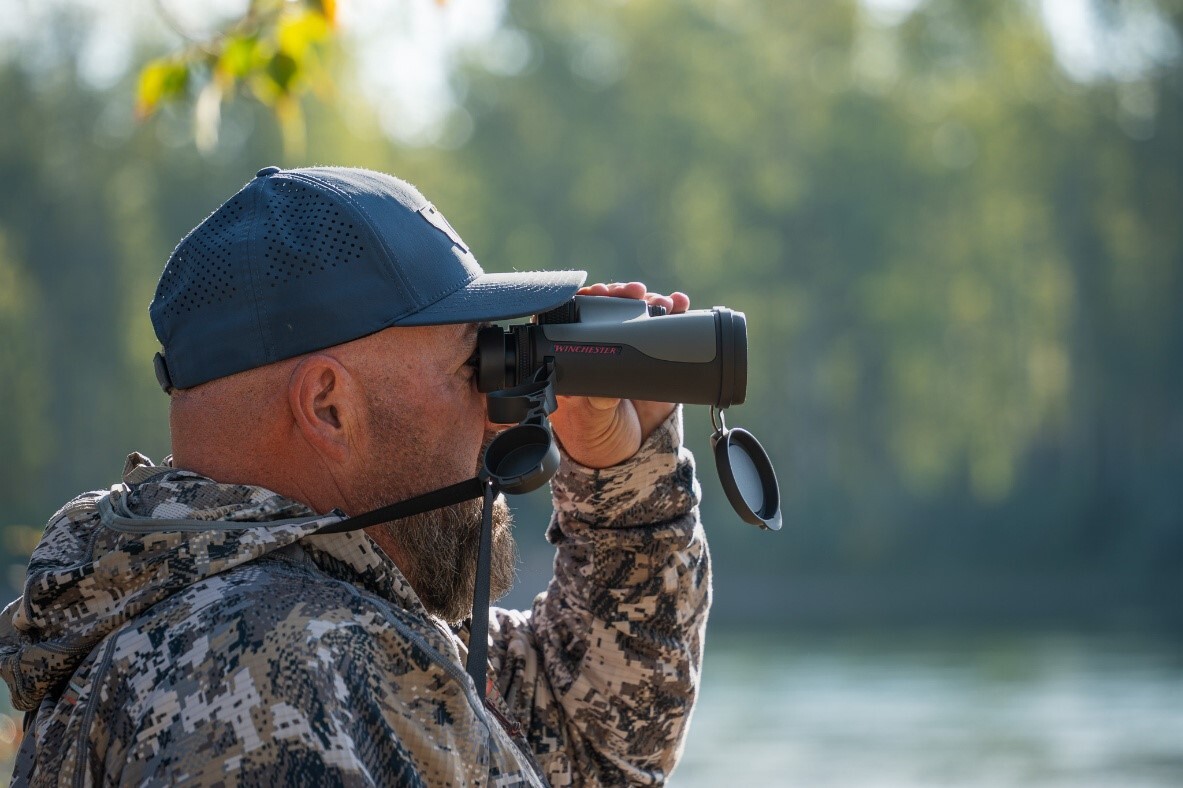

How we picked the best binoculars
Finding the right pair of binoculars for birding requires balancing optical clarity with portability. Heavy binoculars discourage use, while small lenses miss distant details. We focused our testing on these core factors to help you find a pair that stays in your hands and delivers a sharp image.
We tested 16 of the best-selling binoculars from major brands like Vortex, Nikon, and Leica. Our goal was to see which models performed best in real-world conditions. We looked at how well each pair handled low light, how wide the field of view was, and how comfortable they felt during long observation sessions.
The results showed a clear divide. While some expensive models like the Swarovski NL Pure achieved perfect scores in resolution, others offered better value for casual birders. We filtered our final list to include only those that excelled in both clarity and weight, ensuring you get a reliable tool for spotting birds in the wild.
Nikon 10x25 S Binoculars: Best Overall for Birding
For most birders, the Nikon 10x25 S is the sweet spot where optical performance meets everyday usability. It balances clarity and portability better than almost any other binocular in its class, making it the top choice for serious birders who need gear that doesn't weigh them down.
The 10x magnification provides a sharp, detailed view of distant birds without the shakiness that often comes with higher power. The 25mm objective lenses keep the body compact and lightweight, fitting easily into a jacket pocket or small bag. This makes them ideal for long hikes or quick trips where every ounce counts.
Nikon’s image stabilization technology is a standout feature, reducing hand shake for a steady view even in low light or when zooming in on small, moving subjects. The result is a clear, bright image that helps you identify species quickly and accurately.
While premium options like the Swarovski NL Pure offer flawless resolution, they come at a significantly higher price point. For the vast majority of birders, the Nikon 10x25 S delivers 90% of that performance at a fraction of the cost, making it the most practical and versatile choice.


As an Amazon Associate, we may earn from qualifying purchases.
Compact binoculars for travel
When every ounce counts, choosing the right compact binoculars means balancing weight with optical performance. For hikers and casual birders, the goal is finding a pair that fits easily in a pack without turning a birding trip into a workout. You want clarity that holds up in the field, not just on a shelf.
A 10x42 binocular like the Nikon Prostaff P7 offers excellent everyday use, but it can feel heavy during long hikes. Switching to an 8x32 model from the same line reduces the bulk significantly while maintaining that reliable Nikon clarity. This size shift makes a tangible difference when you are navigating trails or waiting quietly for a shy species to reveal itself.
Lighter optics also mean less eye strain during extended viewing sessions. If you are planning a day trip or a weekend getaway, prioritizing portability ensures you are more likely to bring your binoculars along rather than leaving them at home.


As an Amazon Associate, we may earn from qualifying purchases.
Budget binoculars under $200
You don’t need to spend a fortune to see the fine details of a distant bird. For beginners or anyone watching their wallet, the sub-$200 market is where you’ll find the best balance of optical clarity and build quality. These models strip away the premium materials but keep the essential features that make birding enjoyable: sharp focus, bright views, and a comfortable grip.
When shopping on a budget, prioritize weight and field of view. You’ll be holding these binoculars for hours, so lighter 8x32 or 10x42 models are often better than heavier, wider options. The goal is to keep your arms steady and your eyes happy without breaking the bank.
Top Value Picks
Here are reliable options that deliver clear images without the premium price tag.
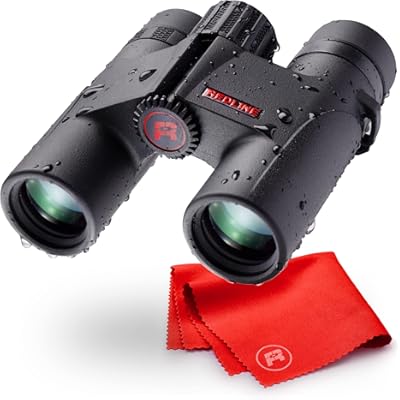
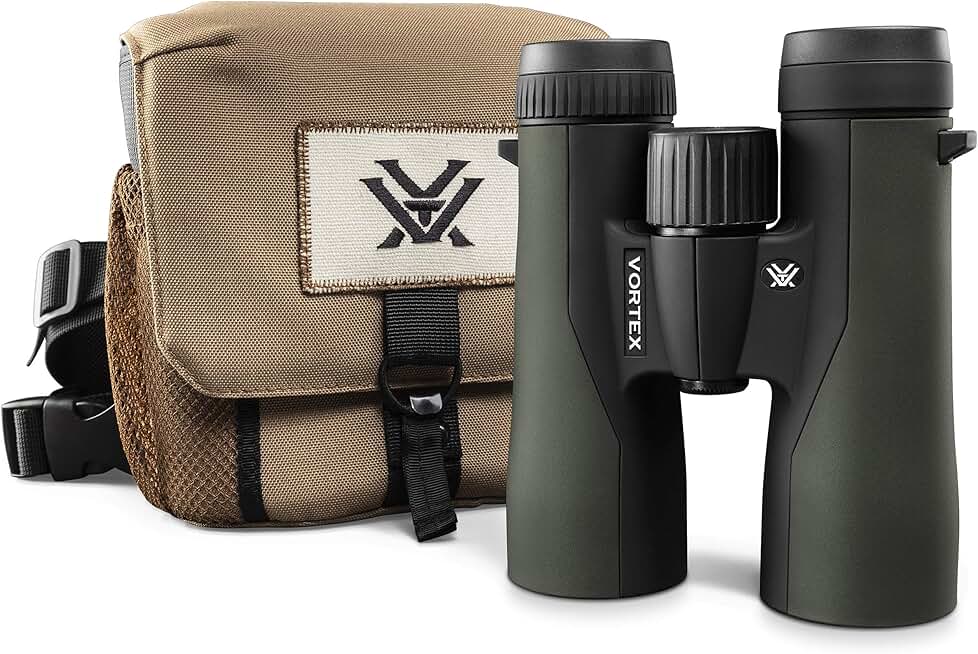

As an Amazon Associate, we may earn from qualifying purchases.
Birding binoculars side-by-side
Choosing the right pair often involves balancing weight against clarity. If you are hiking steep trails, every ounce counts. If you are scanning from a car or a stationary blind, you can prioritize larger objective lenses for brighter images. The table below compares the most popular models for birding, focusing on the specs that actually matter in the field.
| Model | Specs | Weight (oz) | Price Tier |
|---|---|---|---|
| Swarovski NL Pure | 8x42 | 20.6 | Premium |
| Vortex Viper HD | 8x42 | 21.0 | Mid-Range |
| Nikon Monarch M5 | 8x42 | 20.1 | Budget-Friendly |
| Leica Trinovid | 8x32 | 15.9 | Premium |
| Celestron Nature DX | 8x42 | 23.6 | Budget-Friendly |
The Swarovski NL Pure stands out for its exceptional resolution, often scoring highest in independent tests for image quality. However, it comes with a premium price tag. For most birders, the Vortex Viper HD offers a compelling balance of sharp optics and durability without breaking the bank. If portability is your main concern, the lighter 32mm Leica Trinovid is easier to carry for all-day hikes, though it gathers slightly less light than 42mm models.
Binoculars for birding FAQ
Choosing the right pair of binoculars often involves balancing clarity with how easy they are to carry. Here are answers to the most common questions birders ask before making a purchase.
No comments yet. Be the first to share your thoughts!