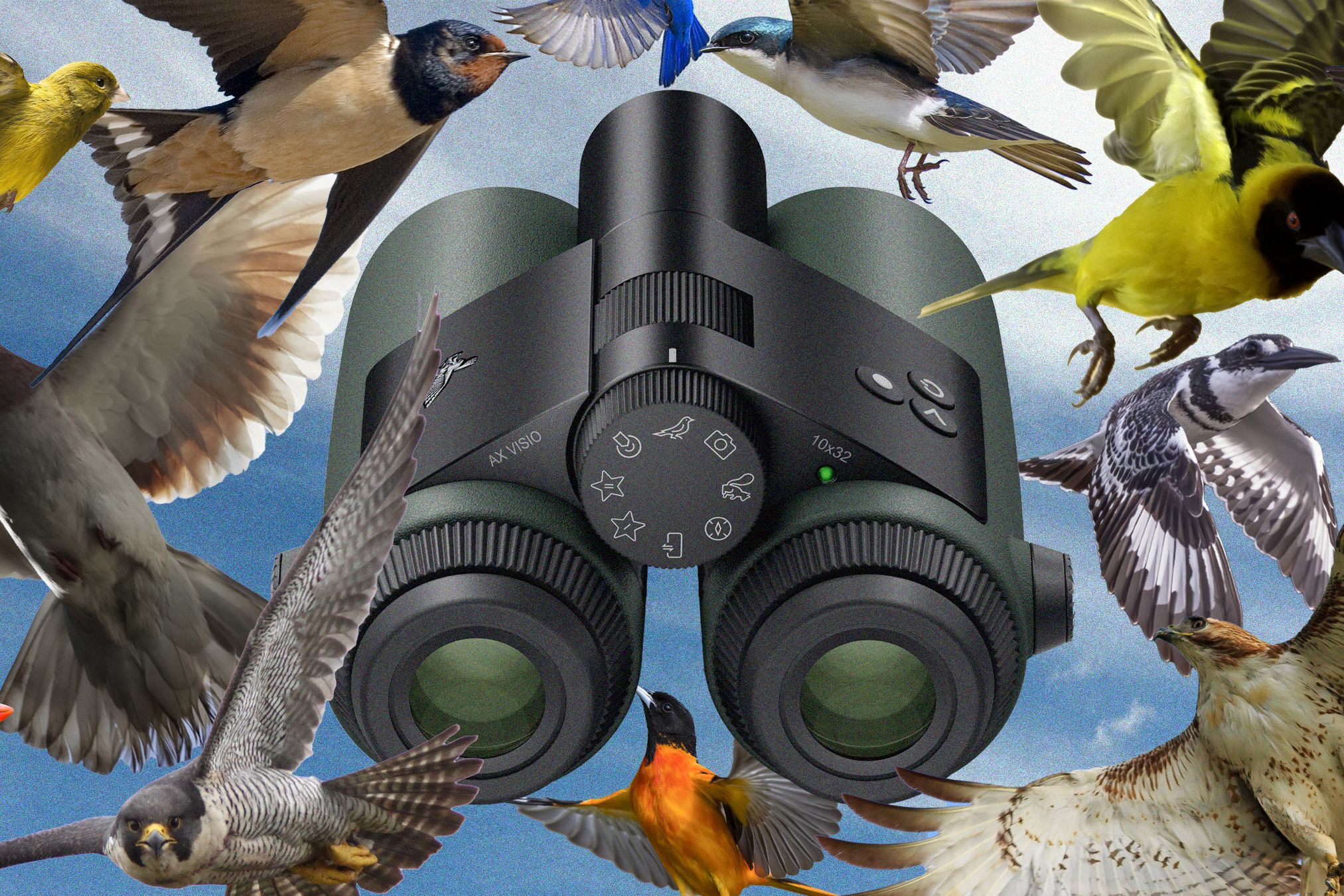

5 Best Binoculars for Birding in 2026
Selecting the right binoculars requires balancing optical performance with field ergonomics. The following five models represent the current top tier for birding, selected based on lab-tested optical clarity, weight distribution, and durability under real-world conditions.
1. Vortex Viper HD 8x42
The Vortex Viper HD 8x42 remains a benchmark for value and performance in the birding category. Its apochromatic (APO) optics deliver exceptional color fidelity and edge-to-edge sharpness, crucial for identifying subtle field marks in dense foliage. Weighing 23.2 ounces, it offers a robust build with a rubber armor exterior that provides excellent grip in wet conditions. The 8x42 configuration provides a wide field of view (394 feet at 1,000 yards), making it easier to track moving birds without losing them in the periphery. While slightly heavier than ultralight competitors, its balanced weight distribution minimizes neck strain during extended observation sessions.

2. Nikon Monarch M5 8x42
For birders prioritizing low-light performance and ease of use, the Nikon Monarch M5 8x42 is a top contender. Featuring Nikon’s ECO-Glass lenses, which reduce lead and arsenic content while maintaining high transmission rates, this model excels in dawn and dusk lighting conditions. At 21.9 ounces, it is lighter than the Vortex Viper, offering a more agile feel for quick scanning. The fast autofocus system allows for rapid refocusing when switching between distant and nearby subjects, a common necessity in dynamic birding environments. Its waterproof and fog-proof construction ensures reliability in humid or rainy climates.

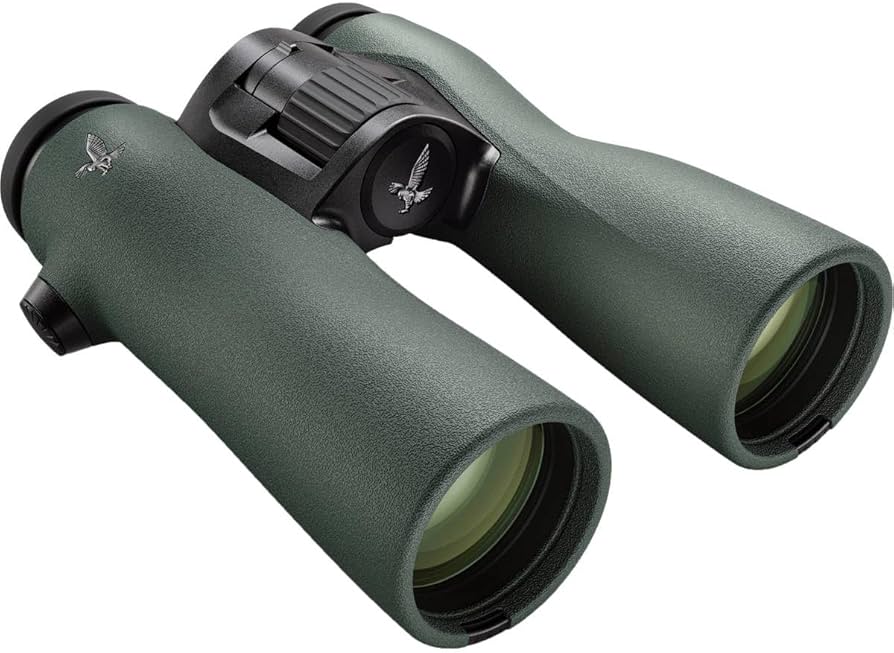
3. Swarovski NL Pure 8.5x42
The Swarovski NL Pure 8.5x42 sets the standard for lightweight premium optics. Weighing just 18.5 ounces, it is significantly lighter than most competitors, making it the ideal choice for birders who hike long distances or carry gear for extended periods. Despite its low weight, it maintains a 42mm objective lens size, ensuring bright images even in lower light. The 8.5x magnification offers a slight edge in detail resolution over standard 8x models, revealing finer plumage details. Its ergonomic design and premium glass coatings provide a viewing experience that is both sharp and comfortable, justifying its position as a high-end investment.

4. Nikon Monarch M7 8x42
The Nikon Monarch M7 8x42 bridges the gap between the M5 and high-end premium lines, offering advanced features at a mid-range price point. It features Nikon’s proprietary dielectric prism coatings, which enhance brightness and contrast, particularly in challenging lighting. At 22.5 ounces, it strikes a balance between the lightweight M5 and the heavier Vortex Viper. The binoculars include a wide focus wheel for precise adjustments and a diopter adjustment for correcting vision differences between eyes. Its durable, waterproof construction and comfortable eyecups make it suitable for both casual and serious birders seeking reliable performance.

5. Vortex Razor HD Gen II 8x42
For birders requiring top-tier optical performance regardless of cost, the Vortex Razor HD Gen II 8x42 is the ultimate choice. Featuring extra-low dispersion (ED) glass and high-index phase-corrected prisms, it delivers unparalleled clarity and color accuracy. The HD (High Definition) fully multi-coated lenses maximize light transmission, resulting in bright, vivid images even in low-light conditions. Weighing 24.7 ounces, it is the heaviest on this list, but its ergonomic design and balanced weight distribution mitigate fatigue. This model is ideal for birders who prioritize image quality above all else and are willing to invest in the best optics available.

How we picked the best binoculars
To identify the best binoculars for birding, we evaluated 16 top-selling models from brands like Vortex, Nikon, Leica, and Swarovski. Our testing focused on three non-negotiable criteria for field use: optical clarity, weight, and durability.
Optical performance was our primary metric. We tested each pair for edge-to-edge sharpness, color fidelity, and low-light transmission. Birding often requires spotting subtle details in dense foliage or at dawn, so any distortion or color cast significantly impacts the viewing experience.
Weight and ergonomics were equally critical. We carried each model on extended hikes to assess balance and comfort. Models exceeding two pounds became cumbersome during long waits in blinds or while traversing rugged terrain. We prioritized designs that distributed weight evenly to reduce neck strain.
Durability testing included drop tests and exposure to moisture. We verified that all recommended models are fully waterproof and fog-proof, ensuring they withstand rain, humidity, and accidental drops in the field. This rigorous process ensures the final list contains only reliable tools for serious birders.
Compare top binocular models
Choosing the right pair often comes down to balancing weight, magnification, and lens size. The table below breaks down the core specifications for five of the top-rated binoculars, helping you identify which model fits your carrying comfort and viewing needs.
| Model | Magnification | Objective (mm) | Weight (oz) |
|---|---|---|---|
| Vortex Viper HD | 8x | 42 | 23.2 |
| Nikon Monarch M5 | 8x | 42 | 21.9 |
| Swarovski NL Pure | 8.5x | 42 | 18.5 |
| Nikon Monarch M7 | 8x | 42 | 22.5 |
| Vortex Razor HD Gen II | 8x | 42 | 24.7 |
Lighter options like the Swarovski NL Pure are ideal for long hikes, while the Vortex and Nikon models offer robust durability for varied terrains. All five models feature 8x or 8.5x magnification, which is the sweet spot for most birding scenarios, providing enough power to identify distant birds without excessive shake.




As an Amazon Associate, we may earn from qualifying purchases.
Frequently asked questions about birding binoculars
What magnification is best for birding? For most birders, 8x42 binoculars offer the best balance of magnification and stability. While 10x magnification provides more detail, it often results in a shakier image and a narrower field of view, making it harder to track moving birds. The 8x42 configuration, found in models like the Vortex Viper HD and Swarovski NL Pure, delivers sharp images without requiring a tripod for handheld use.
Do I need waterproof binoculars? Yes, waterproof and fog-proof construction is essential for birding. Birding often takes place in damp environments, near water, or in changing weather conditions. Non-waterproof binoculars can fog internally or suffer lens damage from moisture. Opt for models with O-ring seals and nitrogen purging, such as the Nikon Monarch M5, to ensure longevity and clear vision in all conditions.
What is eye relief and why does it matter? Eye relief is the distance your eye must be from the eyepiece to see the full field of view. It is critical for eyeglass wearers, who typically need at least 15mm of eye relief to see the entire image without vignetting (black circles around the view). Most modern birding binoculars, including the Vortex Razor HD Gen II, offer 15-20mm of eye relief to accommodate glasses.
How should I clean and maintain my binoculars? Use a blower brush to remove dust before wiping lenses with a microfiber cloth. Avoid using clothing or paper towels, which can scratch coatings. Store binoculars in a dry case with silica gel packets to prevent mold growth on internal optics. Regular maintenance ensures that expensive optics like the Leica Ultravid remain clear and functional for years.
Are expensive binoculars worth the investment? Higher-priced binoculars often feature superior glass, better coatings, and more durable construction, resulting in brighter and sharper images. However, mid-range options from brands like Nikon provide excellent performance for casual birders. The Audubon Society notes that while premium optics enhance the experience, the best binoculars are those you will actually use consistently in the field.
No comments yet. Be the first to share your thoughts!