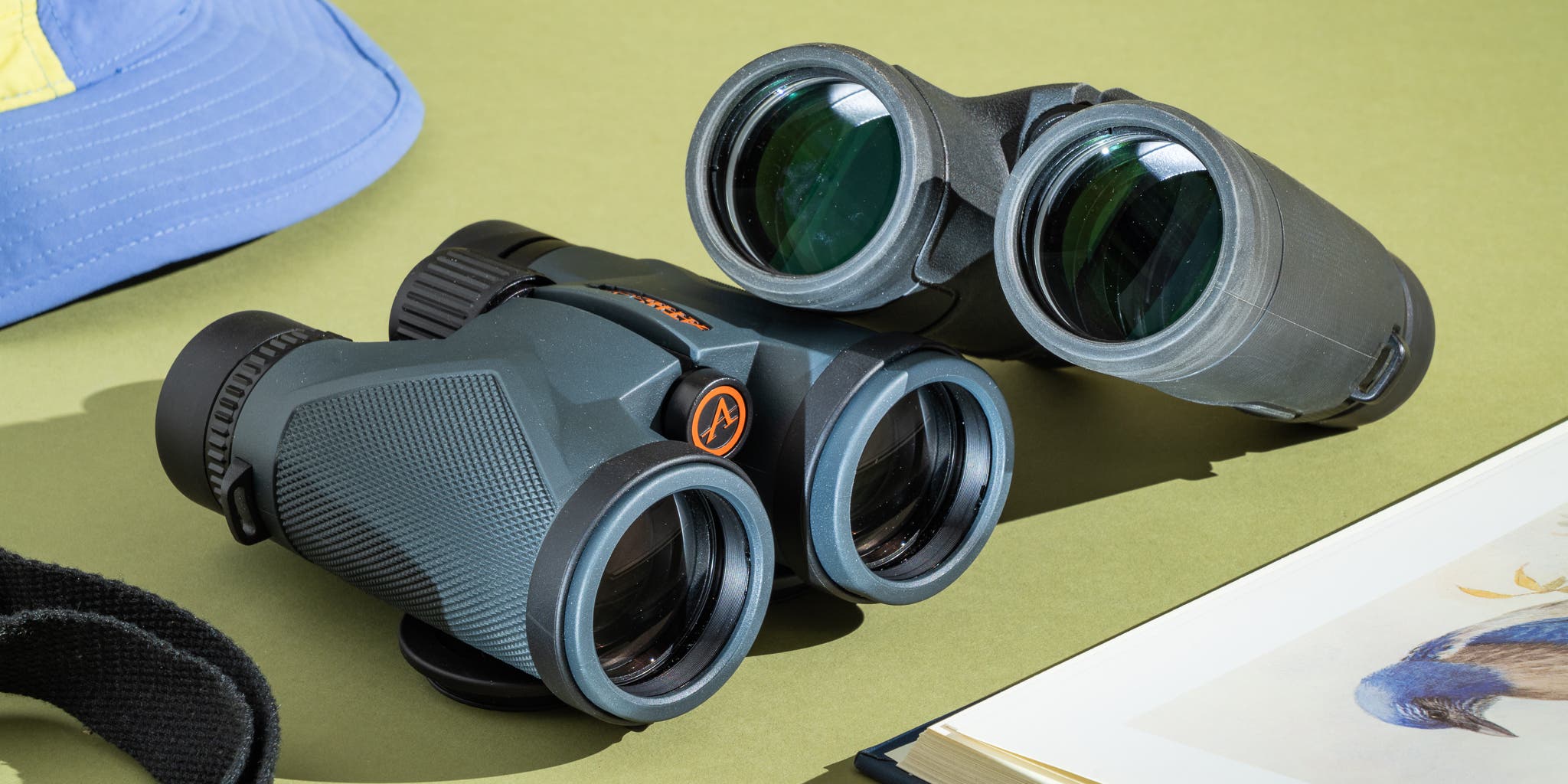

What makes a compact binocular good for birds
Size is the main draw for compact binoculars, but it shouldn't be the only metric. A pair of binoculars that fits easily in a jacket pocket is useless if you can't spot a warbler in the canopy or track a hawk across a wide sky. The best compact models balance portability with optical performance, ensuring that shrinking the chassis doesn't shrink your view.
Brightness and field of view are the two pillars of birding utility. According to the National Audubon Society, most birders prefer 7x or 8x magnification because these powers provide brighter images and wider fields of view. This makes it significantly easier to find birds initially and to follow them as they move through dense foliage or take flight. While 10x options exist, they narrow the field and require steadier hands, often making them less practical for active birding in a small package.
Stability matters just as much as optics. Compact binoculars often have shorter barrels, which can affect balance. However, modern designs use lightweight materials like magnesium alloy bodies and roof prisms to keep the weight down without sacrificing rigidity. When evaluating options, look for models that feel secure in your hands rather than just light on a scale.
Top compact binocular picks for 2026
Finding the right compact binoculars for birding means balancing optical quality with portability. The best models in 2026 prioritize lightweight designs without sacrificing the clarity needed to spot distant field marks. We have selected five options that cover different budgets and use cases, from casual backyard watching to serious field trips.
Best Overall: Vortex Diamondback HD 8x28
The Vortex Diamondback HD 8x28 remains a top contender for birders who want premium optics in a pocket-friendly package. Its fully multi-coated lenses and HD extra-low dispersion glass deliver sharp, high-contrast images even in lower light conditions. The 8x magnification provides a stable view, making it easier to track moving birds compared to higher-powered models. It includes a waterproof and fog-proof design, ensuring reliability in various weather conditions.
Best Budget: Vanguard Orros 8x25
For those on a tight budget, the Vanguard Orros 8x25 offers surprising performance for the price. It features BaK-4 prisms and fully multi-coated optics that provide clear views for casual birding. While it may lack the premium feel of higher-end models, it is lightweight and easy to carry for long periods. This binocular is an excellent entry point for beginners or as a backup pair for travel.
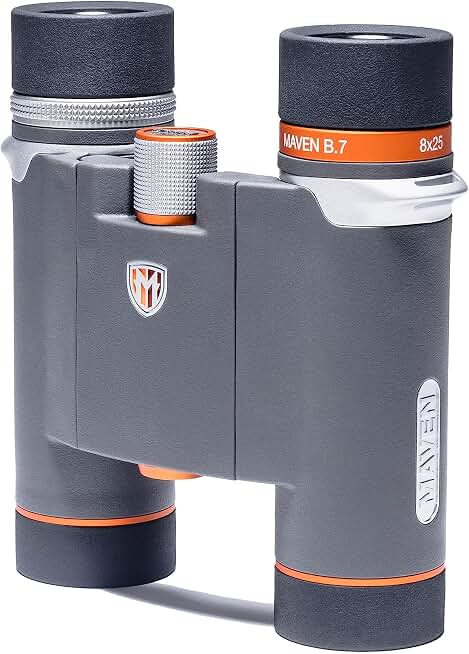
Best Premium: Maven B.7 8x25
The Maven B.7 8x25 represents the pinnacle of compact binocular technology. Its premium build quality and exceptional optical clarity make it ideal for serious birders who demand the best. The BAK-4 prisms and fully multi-coated lenses ensure bright, sharp images with minimal distortion. Although it comes at a higher price point, the investment is justified by its durability and superior visual performance.
Best for Travel: Nikon TraveLite 8x21
The Nikon TraveLite 8x21 is designed specifically for travelers who need a binocular that fits easily into a pocket or small bag. Its compact size and lightweight construction make it perfect for hiking or city walks where space is limited. Despite its small form factor, it delivers decent optical performance for its class. It is a great choice for those who prioritize portability over maximum magnification.
Best for Low Light: Celestron UpClose G2 16x32
The Celestron UpClose G2 16x32 is a strong option for birders who often encounter low-light conditions. Its larger 32mm objective lenses gather more light, providing brighter images in dawn or dusk settings. The 16x magnification allows for detailed views of distant subjects, though it may require a steady hand or tripod support. This model is best suited for stationary birding spots where stability is not an issue.




As an Amazon Associate, we may earn from qualifying purchases.
| Model | Magnification | Objective (mm) | Price Tier |
|---|---|---|---|
| Vortex Diamondback HD | 8x | 28 | Mid-range |
| Vanguard Orros | 8x | 25 | Budget |
| Maven B.7 | 8x | 25 | Premium |
| Nikon TraveLite | 8x | 21 | Budget |
| Celestron UpClose G2 | 16x | 32 | Mid-range |
How to choose the right size for your needs
Selecting the right compact binoculars depends on two practical factors: how you carry them and whether you wear glasses. The "compact" label can mean anything from pocket-sized 8x21s to backpack-friendly 8x42s, and each size class serves a different birding style.
Pocket vs. backpack comfort
If you prioritize weight and speed, pocket binoculars like the Nikon TraveLite series or the Pentax Papilio are ideal. They slip into a jacket pocket, allowing you to grab them instantly when a rare bird flashes through the canopy. The trade-off is a smaller objective lens, which reduces light gathering and makes low-light viewing in dense forests or dawn/dusk conditions more challenging.
For longer hikes or days spent scanning open fields, a slightly larger 8x42 or 10x42 model offers better optical performance. While not pocket-friendly, these fit easily in a backpack or a dedicated binocular harness. The larger lenses provide brighter images and a wider field of view, making it easier to track moving birds across open terrain. Most birders find this size offers the best balance of portability and performance.
Glasses wearers and eye relief
If you wear eyeglasses, eye relief is critical. Eye relief is the distance from the eyepiece lens to your eye where you can see the full field of view. Short eye relief (under 14mm) forces glasses wearers to press their frames against the eyecups, cutting off the edges of the image and causing eye strain.
Look for binoculars with at least 15mm of eye relief. Many compact models offer adjustable eyecups that twist up or down to accommodate glasses. If you prefer not to wear glasses while birding, you can remove them, but ensure the binoculars still offer sufficient eye relief for comfortable viewing. The Nikon Aculon A211 and Pentax Papilio II are known for generous eye relief, making them comfortable for extended use.
Magnification matters
For most birding scenarios, 8x magnification is the sweet spot. It provides enough zoom to identify field marks on distant birds while remaining stable in your hands. Higher magnifications like 10x or 12x amplify hand shake, making it harder to keep the image steady without a tripod. Unless you are primarily scanning open water or distant ridges, stick with 8x for a more forgiving and versatile experience.
Common questions about compact binoculars
Choosing the right compact binoculars often comes down to balancing magnification with portability. Birders frequently ask which power level offers the best view without shaking the image or weighing down your pack. The answers below clarify the most common technical trade-offs.
No comments yet. Be the first to share your thoughts!