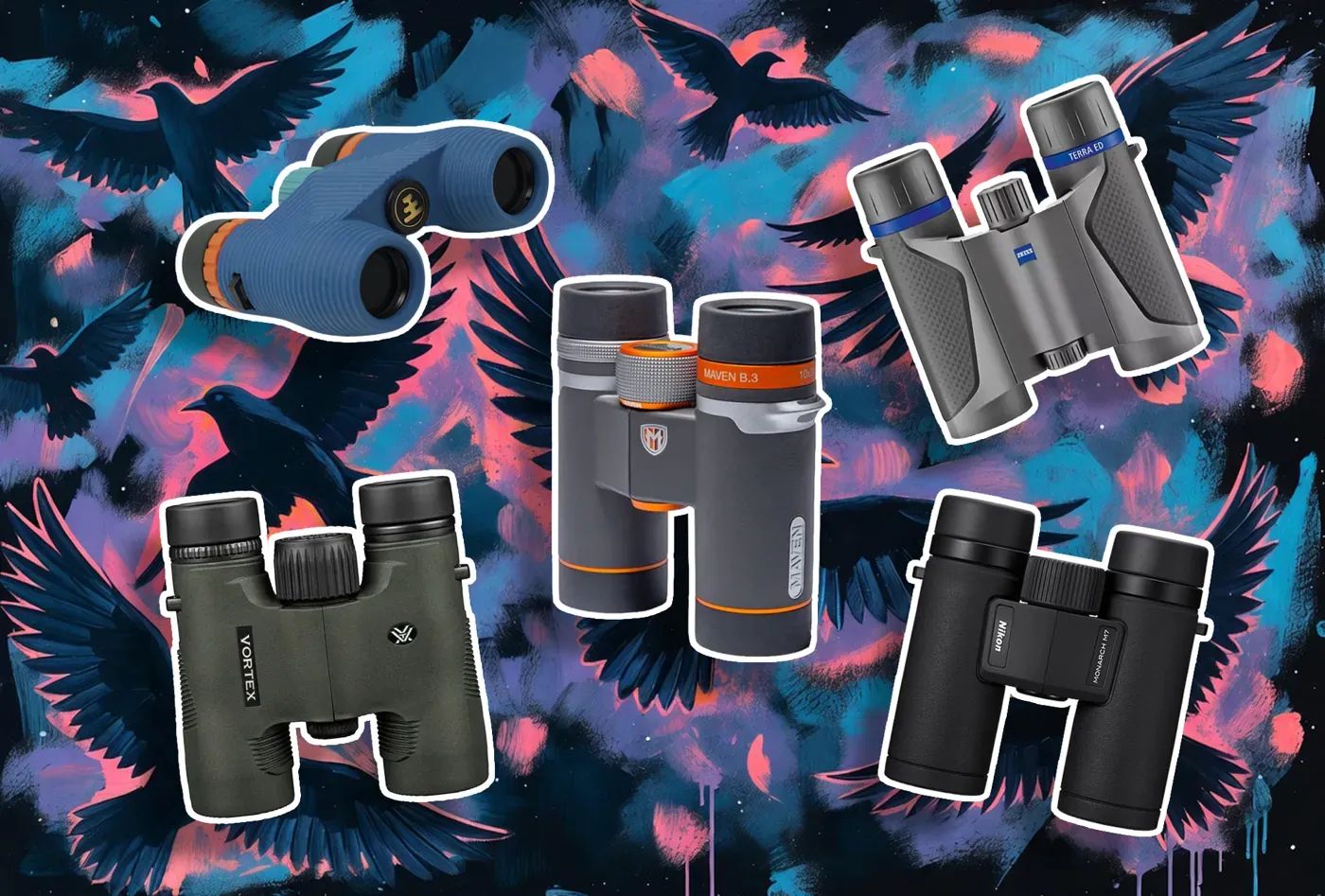

How we picked the best binoculars
We didn't just read specs; we took optics into the field. Our testing process focused on three practical criteria that matter most when you're tracking birds: optical clarity, weight, and ease of use. We bought and tested 16 of the best-selling binoculars from brands like Vortex, Nikon, Leica, and Swarovski to see which ones hold up during a long day on the trail.
Optical clarity is the non-negotiable starting point. We evaluated sharpness from the center to the edges, checking for color fidelity and distortion. A pair of binoculars might look great on paper, but if the edges blur when you spot a moving bird, they're useless in the field.
Weight and ergonomics determine whether you'll actually use them. We tested balance and grip comfort, knowing that birding often involves hours of holding optics up to your eyes. Compact and lightweight designs were prioritized, as carrying heavy gear can turn a peaceful morning walk into a shoulder workout. We also assessed focus speed and wheel smoothness, ensuring that quick adjustments are intuitive and precise.
By combining lab-style optical checks with real-world handling, we identified the models that offer the best balance of performance and portability for birders.
Best overall compact binoculars
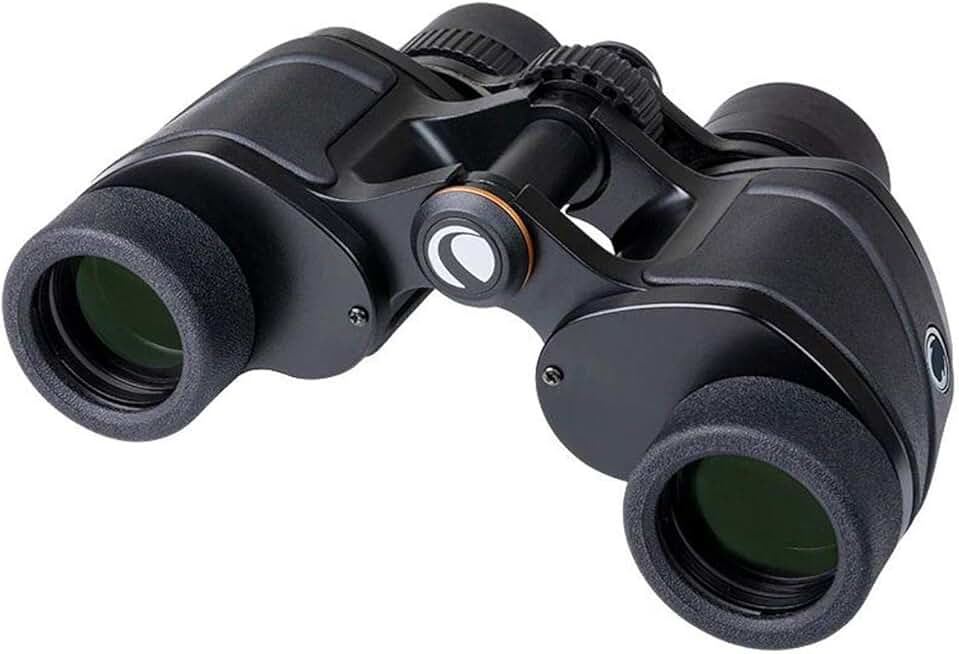
Finding a pair of binoculars that doesn't weigh you down is the hardest part of birding. You want enough magnification to spot a finch in the treetops, but you also need to carry them all day without straining your neck. The best compact binoculars strike that balance, offering sharp optics in a package small enough to slip into a jacket pocket.
For most birders, an 8x25 or 8x32 configuration is the sweet spot. The 8x magnification provides a wider field of view, making it easier to track fast-moving birds. The smaller objective lenses keep the weight down significantly compared to larger 10x42 models. This setup lets you scan the canopy quickly and keep your hands steady, even when you're hiking over uneven terrain.
We recommend looking for models with fully multi-coated optics and phase-corrected prisms. These features ensure that the image stays bright and clear, even in the dappled shade of a forest. Rubber armoring is also essential for a solid grip and protection against the occasional bump against a tree branch.


As an Amazon Associate, we may earn from qualifying purchases.
Best budget-friendly binoculars for birding
You don't need to spend a fortune to start spotting warblers or raptors. The best budget binoculars for birding strike a balance between optical clarity and portability, making them ideal for beginners or seasoned birders who want a lightweight backup pair. When money is tight, prioritize models that are compact and lightweight, as these features matter most when you are hiking trails or standing still for long periods.
The Spy Kids 12x25 Compact Binoculars are a standout choice in this category. Despite the playful name, they offer serious utility for birders on a budget. The 12x magnification provides enough zoom to identify distant birds, while the 25mm objective lenses keep the overall size small and easy to carry. They feature folding eyecups for comfortable viewing with or without glasses, and they are waterproof, so rain or humidity won't fog up your session.
These binoculars are designed for adults and kids alike, making them a versatile gift option. The low-light vision capabilities help when you are observing birds in shaded areas or during dawn and dusk. While they may not match the premium glass of high-end optics, they deliver clear images for the price, allowing you to focus on the birds rather than the gear.

As an Amazon Associate, we may earn from qualifying purchases.
If you prefer a slightly larger objective lens for better light gathering, consider the ScoopX UHD 10x42. Many users on birding forums praise this model for offering quality that rivals more expensive brands like Nikon or Athlon. The 10x42 configuration provides a wider field of view, which is helpful for tracking moving birds in dense foliage. It is a robust option for those who want to step up from ultra-compact models without breaking the bank.
Premium binoculars for serious birders
When you’ve outgrown entry-level optics, the jump to premium binoculars is about clarity and comfort. These tools cost more, but they pay for themselves in sharper detail and lighter weight during long field days. We’re looking at models that balance high-end glass with ergonomic designs built for hiking and spotting.
The Zeiss SFL 10×40 stands out for its field-flattened lenses, which keep edges sharp from center to rim. This matters when tracking fast-moving birds across wide skies. The build is rugged, yet it feels surprisingly balanced in hand, reducing fatigue during hours of scanning.
Nikon’s Monarch M7 10×42 offers a different kind of premium: exceptional brightness. Its multi-coated optics gather light efficiently, making dawn and dusk birding sessions much clearer. It’s a favorite among birders who need reliable performance in low-light forest canopies without the bulk of larger 12x50 models.
For those willing to invest in the absolute best, the Leica Ultravid 10x42 HD offers color fidelity that’s hard to beat. The HD glass renders natural hues, helping you identify subtle plumage details. It’s an investment, but for serious enthusiasts, the difference in image quality is immediately noticeable.


As an Amazon Associate, we may earn from qualifying purchases.
| Model | Mag | Weight | FOV |
|---|---|---|---|
| Zeiss SFL 10x40 | 10x | 28.9 oz | 362 ft |
| Nikon Monarch M7 10x42 | 10x | 27.3 oz | 426 ft |
| Leica Ultravid 10x42 HD | 10x | 29.9 oz | 395 ft |
Choosing the right magnification and size
Binoculars are labeled with two numbers, like 8x42 or 10x32. The first number is magnification, and the second is the objective lens diameter in millimeters. Think of these as your birding binoculars' muscle and eyesight. Higher magnification brings distant birds closer, but it also shakes the image more if your hands aren't steady. Larger lenses gather more light, making the view brighter in the early morning or deep woods, but they add weight to your neck.
For most birders, 8x magnification is the sweet spot. It provides a wide field of view, which is essential for tracking fast-moving birds like warblers or swallows. The image is also more stable, allowing you to hold the binoculars for long periods without fatigue. A 42mm objective lens, as seen in the classic 8x42 format, offers a good balance of light gathering and portability. This is why many experienced birders stick to 8x42s for general use, reserving higher magnifications for specific situations.
If you spend a lot of time scanning open fields or watching distant waterfowl, you might prefer 10x magnification. The 10x42 is a popular choice for this reason, offering more reach while still maintaining a manageable size. However, the narrower field of view can make it harder to find birds in dense foliage. For those who prioritize ultimate portability, compact 8x25 or 10x25 models are lighter but sacrifice brightness and eye relief, which can be uncomfortable for glasses wearers.
The 12x50 configuration is a niche choice. These binoculars are heavy and require a tripod for comfortable use, but they excel in low-light conditions. If you are an early riser or a night owl watching nocturnal species, the extra light gathering of a 50mm lens can be invaluable. However, for the average day birder, the weight and bulk of 12x50s often outweigh the benefits. Stick to 8x or 10x with 32mm or 42mm lenses for the best all-around birding experience.
Best compact binoculars for birding
Here are some of the top compact binoculars that balance performance with portability for birders on the move.
Common questions about birding binoculars
Choosing the right pair of birding binoculars often comes down to balancing magnification with stability and weight. Here are the most frequent questions we get from birders looking to upgrade their gear.
Are 10x42 or 12x50 binoculars better?
For most birding scenarios, 10x42 binoculars are the superior choice. The 10x magnification provides enough detail to identify plumage and field marks without making the image too shaky to hold steady by hand. While 12x50 binoculars offer brighter images in low light due to larger objective lenses, the higher magnification and heavier weight make them cumbersome for tracking fast-moving birds in the field. The 10x42 configuration strikes the ideal balance for daylight birding.
What is better, 10x50 or 20x50 binoculars?
A 10x50 setup is generally much better for birding than 20x50. The 10x magnification offers a wider field of view, which is critical for spotting and following birds in trees or shrubs. In contrast, 20x50 binoculars provide extreme magnification that is better suited for stargazing or viewing distant stationary objects. At 20x, even the slightest hand movement makes the image jump around, making it nearly impossible to track a bird in flight or perching.
Do I really need waterproof binoculars?
Yes, waterproofing is essential for birding gear. Birding often takes you into damp environments, near wetlands, or during unexpected rain showers. Waterproof binoculars are typically filled with nitrogen or argon gas to prevent internal fogging when temperature changes rapidly, such as when moving from a cold morning into warmer midday sun. This feature ensures your optics remain clear and functional in all weather conditions.
No comments yet. Be the first to share your thoughts!