
Compact binoculars work for birding because you actually carry them
Compact binoculars solve a specific problem. They give you usable optical performance in a body small enough to live on a pack strap, in a hip pouch, or in a daypack pocket. The good ones get carried, and used. The best ones genuinely deliver the kind of image quality that used to require a full-size optic.
Most birders own a pair of heavy 10x42s that gather dust because they are too cumbersome for a long hike. Compact models, typically found in 7x25, 8x25, or 10x25 configurations, remove that friction. You can pull them out instantly when a warbler flits into view without stopping to unpack your bag. Portability often beats raw aperture because seeing the bird is better than carrying perfect optics you never use.
These smaller lenses—usually between 21 and 25 millimeters—trade some light-gathering power for a weight that disappears on your person. For active birders, the difference between spotting a distant raptor and missing it entirely is often just the willingness to have your eyes ready.
Top compact binocular picks for 2026
Finding the right pair of compact binoculars for birding means balancing optical clarity with the weight you’ll carry all day. The best models solve the classic trade-off: they are small enough to live on a pack strap or in a daypack pocket, yet they deliver image quality that used to require a bulky, full-size optic.
We tested several models across different price points to find the ones that genuinely get used. Below are our top recommendations for premium performance, budget-friendly reliability, and ultra-compact portability.
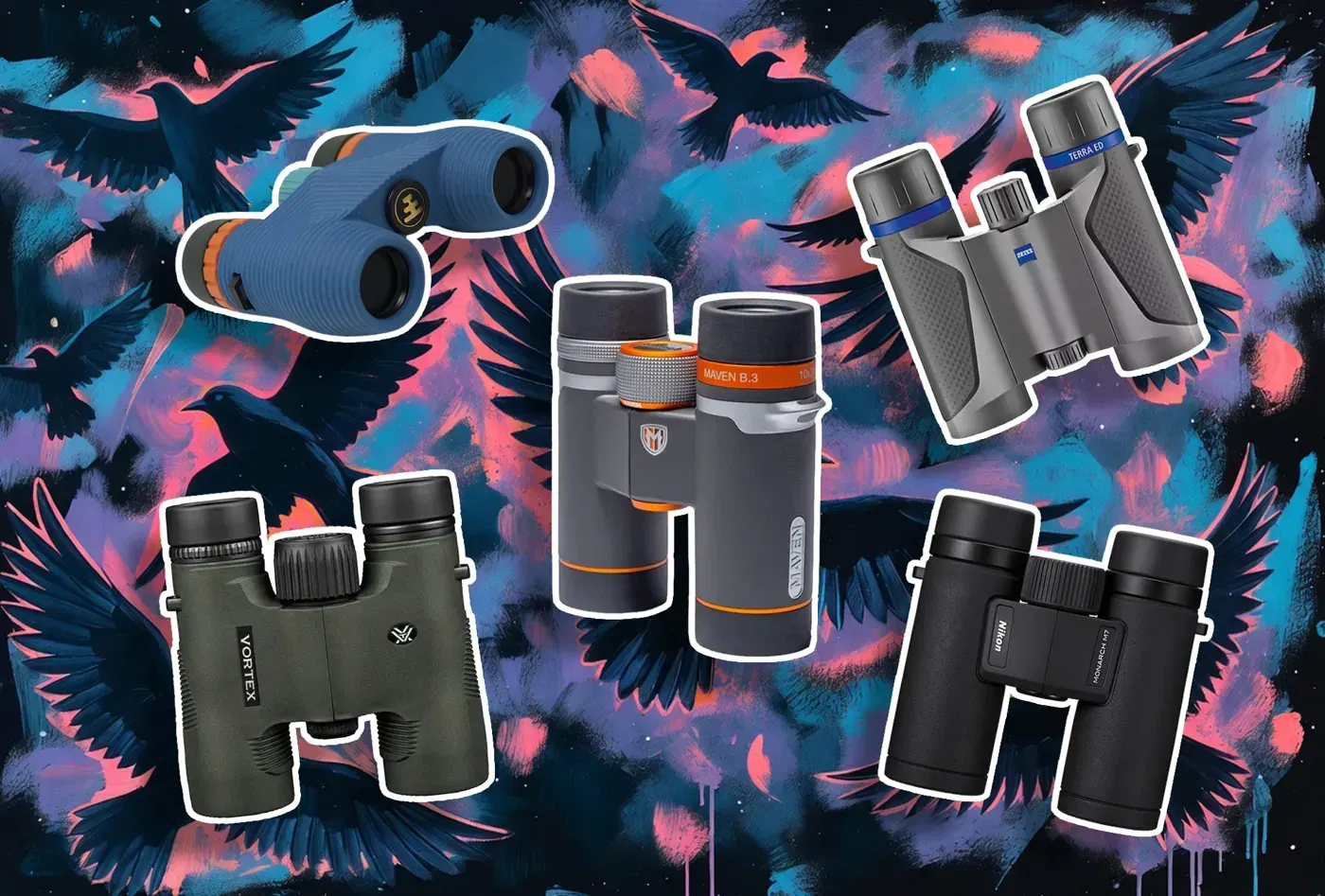
Premium pick: Maven B.3 6x30
The Maven B.3 6x30 stands out for birders who prioritize a wide field of view and exceptional color fidelity. The 6x magnification keeps the image steady even without a tripod, making it easier to track fast-moving birds through dense foliage. Its optical coatings are tuned for natural color reproduction, which helps in identifying subtle plumage details.
While the price point is higher than average, the build quality and optical consistency justify the cost for serious enthusiasts. It is not the smallest option on the market, but it strikes an excellent balance between portability and performance.
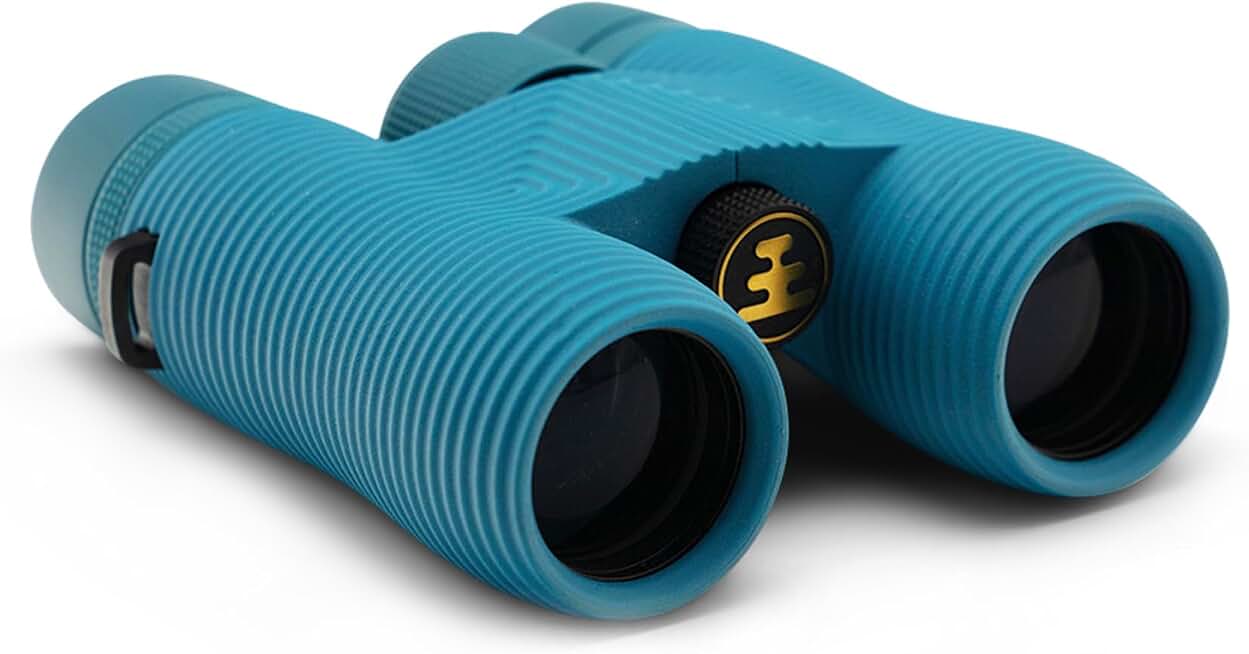
Best budget option: Nocs Compact Binoculars
For those watching their spending, Nocs offers a compelling entry-level option that doesn’t skimp on essential features. These binoculars provide sharp focus and decent low-light performance, making them suitable for casual birding trips or travel.
They are lightweight and easy to pack, ensuring that cost savings don’t come at the expense of usability. If you are new to birding or need a secondary pair for the car, these deliver reliable performance without breaking the bank.
Ultra-compact choice: Vortex Crossfire 8x32
The Vortex Crossfire 8x32 is a favorite for hikers who need durability and versatility. It offers a slightly higher magnification than the Maven, providing more reach for distant subjects while remaining compact for extended treks.
Rubber armor provides shock resistance and a secure grip, even in wet conditions. At around $100, it represents a sweet spot for value, offering features typically found in more expensive models. It is a workhorse that performs well in various lighting conditions.


As an Amazon Associate, we may earn from qualifying purchases.
How we tested these binoculars
We didn’t just look at the spec sheets. To find the best compact binoculars for birding, we put the top contenders through a series of field tests that mimic real-world birding conditions. Our goal was to see which models actually get used and which ones end up gathering dust in a drawer.
Optical clarity was our first priority. We tested each pair at dawn and dusk, looking for color fidelity and contrast in low-light conditions where birds are most active. We also evaluated the field of view by trying to track fast-moving songbirds through dense tree cover. A wide field of view isn't just a number on a box; it’s the difference between spotting a warbler and missing it entirely.
Ergonomics played a huge role in our final rankings. We carried the binoculars for hours on hikes, checking for balance, weight distribution, and ease of focus. If a pair is too heavy or awkward to hold steady, it doesn’t matter how good the lenses are. We focused on concrete products that balance performance with portability, ensuring you get a tool that’s as comfortable to carry as it is to look through.
Compact vs. full-size binoculars
Choosing between compact and full-size binoculars comes down to a simple trade-off: portability versus optical power. Standard 8x42 or 10x42 models offer larger objective lenses that gather more light, resulting in brighter images and better performance in low-light conditions like dawn or dense forest canopies. They are the workhorses for serious birders who prioritize image clarity over weight.
Compact binoculars, typically 8x20 or 8x25, sacrifice some light-gathering ability for a form factor that fits in a jacket pocket or hangs easily on a pack strap. As noted by outdoor gear experts, the best compacts are those you actually carry and use, not those that sit at home because they are too heavy or bulky. If your birding involves long hikes, travel, or quick stop-and-go observations, the convenience of a compact model often outweighs the slight drop in brightness.
To help you decide, here is a direct comparison of the key specifications that differentiate these two categories.
| Specification | Compact (8x20/8x25) | Standard (8x42/10x42) |
|---|---|---|
| Weight | 10–14 oz | 20–28 oz |
| Objective Lens | 20–25 mm | 42 mm |
| Low-Light Performance | Good for daylight | Excellent in dusk/dawn |
| Portability | Fits in pocket/jacket | Requires a backpack or belt holster |
| Best For | Travel, hiking, quick looks | Swamps, forests, stationary observation |
Frequently asked questions about compact binoculars
What makes compact binoculars worth carrying?
Compact binoculars solve a specific problem by fitting optical performance into a body small enough to live on a pack strap, in a hip pouch, or in a daypack pocket. The good ones get carried, and used. The best ones genuinely deliver the kind of image quality that used to require a full-size optic.
What magnification is best for birding?
For most birding scenarios, 8x magnification paired with a 25mm or 32mm objective lens offers the best balance. This setup provides a wide field of view to locate birds quickly while keeping the image steady in your hands. Higher magnifications like 10x can be useful for distant waterfowl but often require a tripod to avoid shaky images.
Can I use compact binoculars for stargazing?
While you can see the moon and bright planets, compact binoculars are generally too small for serious stargazing. The small objective lenses (usually 21mm to 25mm) gather less light, making faint stars and nebulae difficult to see. For night sky viewing, look for models with 50mm objectives and lower magnification, like 7x50.
Why are my binoculars blurry at the edges?
Blurry edges often indicate that the binoculars lack good edge-to-edge correction or are not properly focused. Ensure you are adjusting the interpupillary distance correctly to match your eye spacing. If the blur persists at the center, the optics may be of lower quality or damaged.
No comments yet. Be the first to share your thoughts!