
Beyond Magnification: What Hunters Really Need in Binoculars
Too many hunters fall into the trap of chasing magnification numbers. Bigger isn't always better, and often it’s a detriment. A 12x or 15x binocular sounds impressive, but if the image is dim, blurry, or has a narrow field of view, it's practically useless in a real-world hunting situation. I’ve been there, glassing a ridge for hours with high-powered binoculars only to miss a buck stepping into the opening because I couldn’t find it quickly enough.
I look for three things: brightness, resolution, and field of view. Brightness is what lets you see at dawn or in thick timber. Resolution is about detail—it's how you tell a branch from an antler. Field of view is simply how much ground you see at once. If it's too narrow, you'll spend all day hunting for the animal in your glass instead of watching it.
Historically, hunting optics were a compromise. You sacrificed brightness for magnification, or field of view for clarity. But advancements in glass quality, prism coatings, and manufacturing processes have drastically changed the game. Modern binoculars offer a far better balance of these essential qualities. We are seeing more consistent performance across the board, making even mid-range options surprisingly capable.
Don't be fooled by marketing hype. Focus on understanding these fundamentals and prioritize binoculars that excel in brightness, resolution, and field of view – not just magnification. Your hunts will be more successful, and you'll enjoy the experience far more.
Objective Lens Size and Low-Light Performance: Seeing What Others Miss
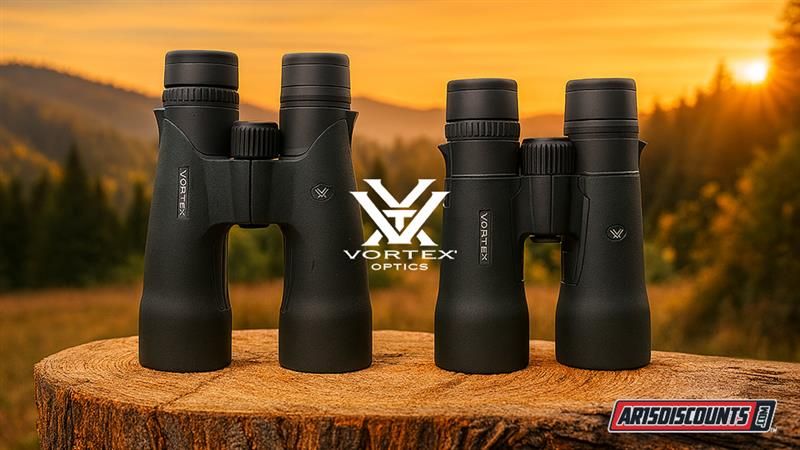
The objective lens is the larger lens at the front of your binoculars, and its size is directly related to light-gathering ability. A larger objective lens gathers more light, resulting in a brighter image, especially in low-light conditions. This matters most at dawn and dusk when deer are actually moving.
The concept of "exit pupil’ is important here. It"s the diameter of the light beam exiting the eyepiece, calculated by dividing the objective lens diameter by the magnification. A larger exit pupil provides a brighter image, particularly for those wearing glasses, as it allows more light to reach the eye. For most hunters, an exit pupil of 4-6mm is ideal.
A 42mm objective lens is a popular all-around choice, offering a good balance of brightness, size, and weight. For dense forests or consistently low-light conditions, a 50mm or 56mm objective lens might be preferable. However, larger objective lenses add bulk and weight, which can be a disadvantage on long hunts. I've found a 42mm is a sweet spot for versatility.
Don't underestimate the impact of lens coatings. Multi-layer coatings reduce light reflection and increase light transmission, further enhancing brightness and contrast. Look for binoculars with fully multi-coated lenses for the best performance. The quality of these coatings can make a significant difference, even between binoculars with the same objective lens size.
- 32mm Objective Lens: Lightweight and compact, suitable for bright conditions.
- 42mm Objective Lens: Versatile all-around choice, good for most hunting situations.
- 50mm Objective Lens: Excellent low-light performance, but heavier and bulkier.
- 56mm Objective Lens: Maximum light gathering, ideal for extremely low-light conditions.
Hunting Binocular Objective Lens Comparison
| Objective Lens Size | Brightness & Low-Light Performance | Weight & Packability | Field of View | Ideal Hunting Scenario |
|---|---|---|---|---|
| 32mm | Good in bright conditions; struggles in deep shade or at dawn/dusk. | Lightest and most compact option; easy to carry for long distances. | Generally wider field of view, making target acquisition quicker. | Spot-and-stalk hunting in open terrain; daytime use; mobile hunters prioritizing minimal weight. |
| 42mm | Excellent balance of brightness and size; performs well in varied lighting conditions. | Moderate weight; a comfortable compromise for all-day carry. | Good field of view, suitable for most hunting situations. | Versatile choice for a wide range of hunting types – forest, field, and open country; all-around performance. |
| 50mm | Very bright, excellent for low-light conditions like thick forests or twilight. | Noticeably heavier than 42mm models; can become fatiguing on extended hunts. | Narrower field of view compared to smaller objectives; requires more deliberate scanning. | Dense forest hunting; situations where maximizing light gathering is critical; stand hunting at dawn/dusk. |
| 56mm | Maximum light gathering capability; best for extremely low-light conditions and long-range viewing. | Heaviest and bulkiest option; requires a stable platform or harness for comfortable use. | Narrowest field of view; best suited for stationary observation. | Long-range hunting in challenging light; nocturnal observation; use with a tripod or image stabilization system. |
| 48mm | A relatively new size offering a good compromise between 42mm and 50mm. | Slightly heavier than 42mm, but still manageable for most hunters. | Offers a wider field of view than 50mm while retaining good brightness. | Suitable for hunters who want a brighter image than 42mm provides without the added weight of 50mm or 56mm. |
Illustrative comparison based on the article research brief. Verify current pricing, limits, and product details in the official docs before relying on it.
Magnification and Field of View: Finding the Right Balance
Magnification and field of view are inversely related. Higher magnification narrows the field of view, and vice-versa. While high magnification can be useful for identifying distant targets, a wider field of view is often more important for quickly acquiring targets and maintaining situational awareness. Think about scanning a treeline – you want to see as much as possible at once.
Most hunters choose between 8x and 10x, though 12x and 15x have their place in open country. 8x binoculars offer a wide field of view and are ideal for dense forests or close-range hunting. 10x binoculars are a good all-around choice, providing a balance of magnification and field of view. 12x and 15x binoculars are better suited for open terrain or long-range hunting, but require a steady hand or a tripod.
I’ve noticed a trend towards wider field of view in recent models, even at higher magnifications. This is a significant improvement, and it makes a real difference in the field. I remember struggling to lock onto a deer moving quickly through a field with a narrow-field-of-view 10x binocular; a wider field of view would have made all the difference.
Image stabilization technology is starting to appear in high-end binoculars. This can help to reduce shake and provide a steadier image at higher magnifications, effectively increasing the usable magnification without sacrificing field of view. However, these binoculars are typically expensive and heavier.
Roof vs. Porro Prism Binoculars: Understanding the Design Differences
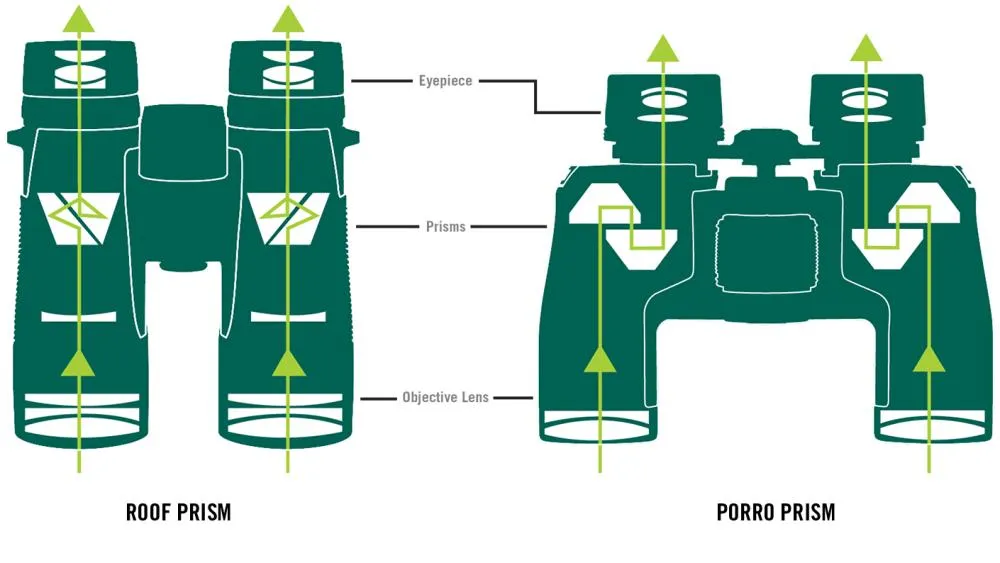
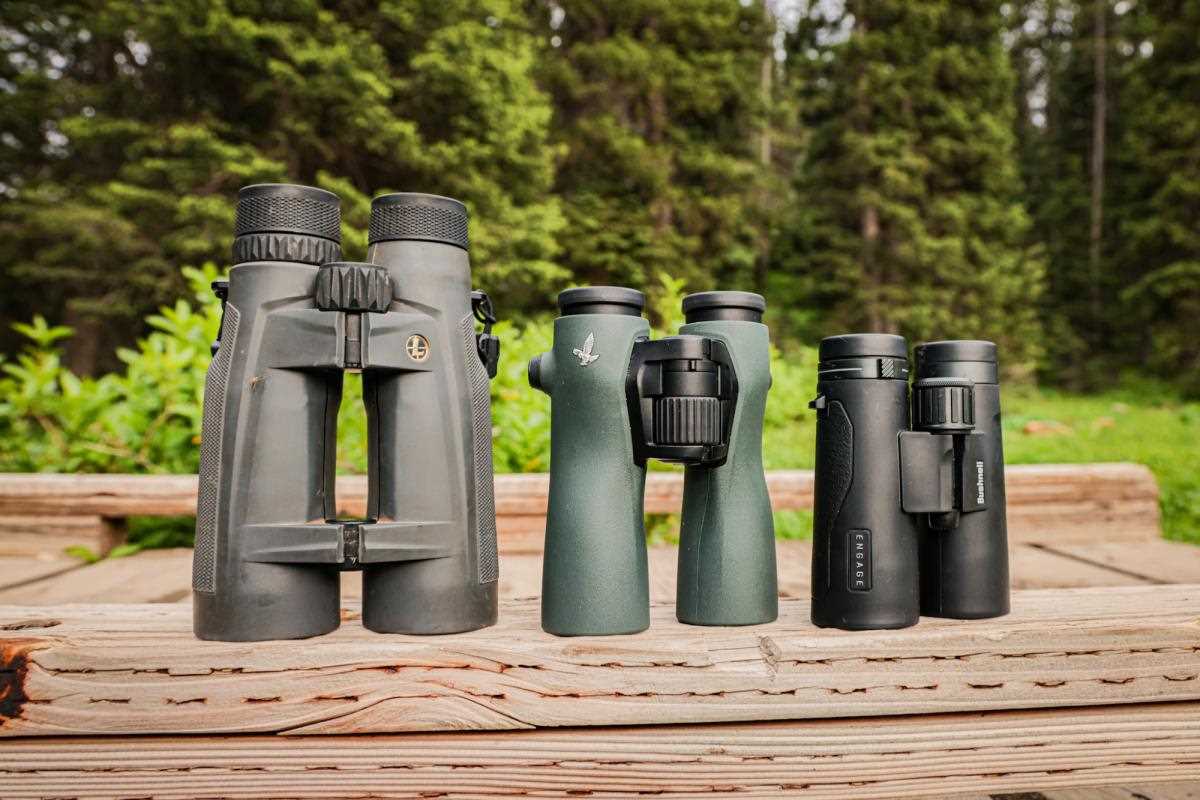
Binoculars use prisms to correct the image and provide a three-dimensional view. There are two main types of prism designs: roof prism and porro prism. Porro prism binoculars are the traditional design, characterized by their wider, more boxy shape. Roof prism binoculars are more streamlined and compact.
Porro prism binoculars are generally less expensive to manufacture and can offer excellent image quality. However, they are bulkier and heavier than roof prism binoculars. Roof prism binoculars are more compact and easier to handle, making them popular among hunters who prioritize portability. They often require more precise manufacturing and higher-quality glass to achieve comparable image quality.
In my experience, roof prism binoculars are generally better suited for hunting due to their compact size and ease of handling. The weight savings can be significant on long hikes. However, high-quality porro prism binoculars can still deliver exceptional performance.
Phase correction coatings are crucial for roof prism binoculars. These coatings correct for phase shift, which can degrade image quality. Look for binoculars with phase-corrected prisms for sharper, more detailed images.
Waterproofing, Durability, and Armor Coating: Built to Withstand the Elements
Hunting often takes place in challenging weather conditions, so waterproofing and durability are essential. Look for binoculars that are waterproof and fog proof. Waterproofing is typically achieved through O-ring seals and hydrophobic coatings, while fog proofing is achieved by purging the binoculars with nitrogen or argon gas.
Nitrogen purging is more common and generally effective, but argon purging offers better performance in extreme temperatures. Rubber armor coating provides shock absorption, protects the binoculars from scratches, and improves grip. A good rubber armor coating should be comfortable to hold, even with gloves.
The materials used in binocular construction also affect durability. Magnesium alloy is lightweight and strong, while polycarbonate is more affordable but less durable. I’ve seen binoculars with plastic housings crack under pressure; investing in a magnesium alloy frame is worth it if you’re hard on your gear.
Don't assume all “waterproof” binoculars are created equal. Check the manufacturer’s specifications for the depth and duration of waterproof testing. A binocular rated to withstand immersion in 1 meter of water for 5 minutes is a good starting point.
- Waterproof: Protects against rain, snow, and accidental submersion.
- Fog proof: Prevents internal fogging in humid or cold conditions.
- Rubber Armor Coating: Provides shock absorption and improved grip.
Reticle Binoculars and Rangefinding Integration: Taking the Guesswork Out of Long Shots
Some newer models, like the Vortex Fury or Leica Geovid, build the rangefinder directly into the glass. This puts your distance data right on the reticle so you don't have to swap between tools when a buck is moving. and compensate for bullet drop. These are becoming increasingly popular among hunters who make long-range shots. Having the range instantly available speeds up the process and reduces errors.
There are several different types of reticles available, including mildot, BDC (Bullet Drop Compensator), and holdover reticles. Each type has its advantages and disadvantages, depending on your hunting style and the caliber of your rifle. Understanding how to use your reticle effectively is crucial for accurate shot placement.
Integrated rangefinders offer convenience and speed, but they can add to the cost and weight of the binoculars. Separate rangefinders are often more accurate and offer more features, but require you to switch between two devices. I personally prefer the convenience of an integrated unit for most hunting situations.
When selecting a reticle binocular, pay attention to the rangefinder’s maximum range, accuracy, and angle compensation capabilities. Angle compensation is particularly important for hunting in mountainous terrain where shots are rarely perfectly level.
AI-Powered Binocular Features: The Future of Hunting Optics?
The world of optics is being disrupted by artificial intelligence. As reported by WIRED, AI-powered binoculars are emerging, capable of identifying birds and other wildlife automatically. This technology has the potential to revolutionize hunting by assisting with target identification, species recognition, and even environmental awareness.
Imagine binoculars that can instantly identify a buck by its antler configuration or alert you to the presence of game hidden in dense brush. AI could also be used to analyze environmental factors like wind speed and direction, providing valuable information for shot placement. The possibilities are exciting.
However, this technology is still in its early stages. The accuracy of AI identification depends on the quality of the algorithms and the training data. There are also privacy concerns to consider. Will these binoculars record and store data about the wildlife you observe? These questions need to be addressed.
I’m not sure if AI-powered binoculars are a gimmick or a game-changer yet. The current price point is prohibitive for many hunters, and the benefits may not outweigh the costs for everyone. But it’s a trend worth watching, and I expect to see significant advancements in this area in the coming years.
Content is being updated. Check back soon.
Top Binocular Brands for Hunting in 2026: A Comparative Overview
Several brands consistently stand out in the hunting optics market. Swarovski is renowned for its exceptional image quality and innovative designs, like the AX Visio series (swarovskioptik.com). However, they come at a premium price. Zeiss is another top-tier brand, known for its precision engineering and excellent low-light performance.
Vortex offers a compelling combination of quality, features, and price. Their binoculars are durable, reliable, and backed by an excellent warranty. Leupold is a well-established American brand with a long history of producing quality optics. They offer a wide range of binoculars to suit different budgets and hunting styles.
Nikon is a popular choice for hunters who want a good value for their money. Their binoculars offer good image quality and durability at a competitive price point. Choosing the best brand depends on your individual needs and budget. Consider what features are most important to you and read reviews from other hunters.
In 2026, I anticipate continued innovation from these brands, with a focus on improving image quality, reducing weight, and integrating new technologies like AI and advanced rangefinding capabilities. Staying informed about the latest models and advancements is key to finding the perfect binoculars for your next hunt.
Nocs Provisions has launched the Field Issue 42, the most compact 42mm binocular yet, packing full‑size clarity and superb low‑light performance into a pocket‑sized design.https://t.co/7uuTTS0BLD#outdooroptics #hunting #binoculars pic.twitter.com/P2sW8yKJa8
— Outdoor Sportswire (@OutdrSportswire) April 9, 2026
No comments yet. Be the first to share your thoughts!