
How we picked the best binoculars
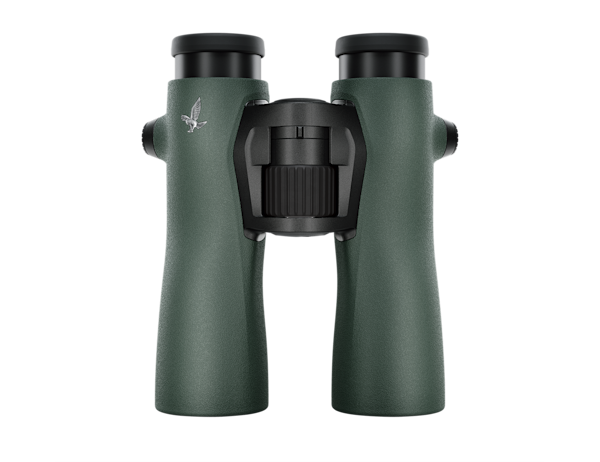
Finding the right pair of binoculars for birding or hunting comes down to three things: how clear the image is, how comfortable they feel in your hands, and whether they can survive a day in the field. We didn't just read specs; we bought and tested 16 of the best-selling models from brands like Vortex, Nikon, Leica, and Swarovski to see how they performed in real-world conditions.
Optical clarity is the most important factor. We looked for sharp edges, accurate colors, and minimal distortion as you look toward the edge of the lens. For hunters and birders who might be scanning the sky or forest floor for hours, ergonomics matter just as much. We checked for comfortable grip, intuitive focus wheels, and balanced weight distribution so your arms don't tire out.
Durability was our final filter. We tested for waterproofing and fog-proofing, ensuring the internal seals could handle rain, humidity, and temperature changes without failing. If a pair can't withstand the elements, it doesn't make the list, no matter how good the optics look on paper.
Best overall binoculars for most users
The Zeiss SFL 10×40 is the best overall binoculars for most users who want a reliable, all-around optic. It strikes a rare balance between optical clarity and manageable weight, making it suitable for everything from backyard birding to long days on the trail. Unlike heavier 12x50 models that can cause arm fatigue, the 10x42 or 10x40 format offers enough magnification to see details clearly without shaking too much in your hands.
Optical performance is where this category truly shines. Zeiss is known for its crisp, high-contrast views, and the SFL line brings that reputation to a more accessible price point. The lenses are fully multi-coated to reduce glare and improve light transmission, which is essential for early morning or late evening viewing. Whether you are tracking a deer through the woods or watching birds in a dense forest, the image remains steady and bright.
For those who prioritize portability, the 10x40 size is slightly more compact than the popular 10x42. This makes it easier to carry for extended periods, though the difference is often negligible depending on the harness or strap you use. If you prefer a wider field of view for scanning open landscapes, you might lean toward the 10x42, but for general versatility, the 10x40 is a solid choice. The build quality is rugged enough to withstand rain and bumps, ensuring the binoculars last for years of outdoor adventures.


As an Amazon Associate, we may earn from qualifying purchases.
Best compact binoculars for travel
When you are hiking or traveling, every ounce counts. Compact binoculars bridge the gap between heavy optics and pocketability. They are light enough to carry all day without straining your neck, yet powerful enough to spot birds in the canopy or game in the distance. The trade-off is usually in low-light performance, but for daytime use, they are unmatched for convenience.
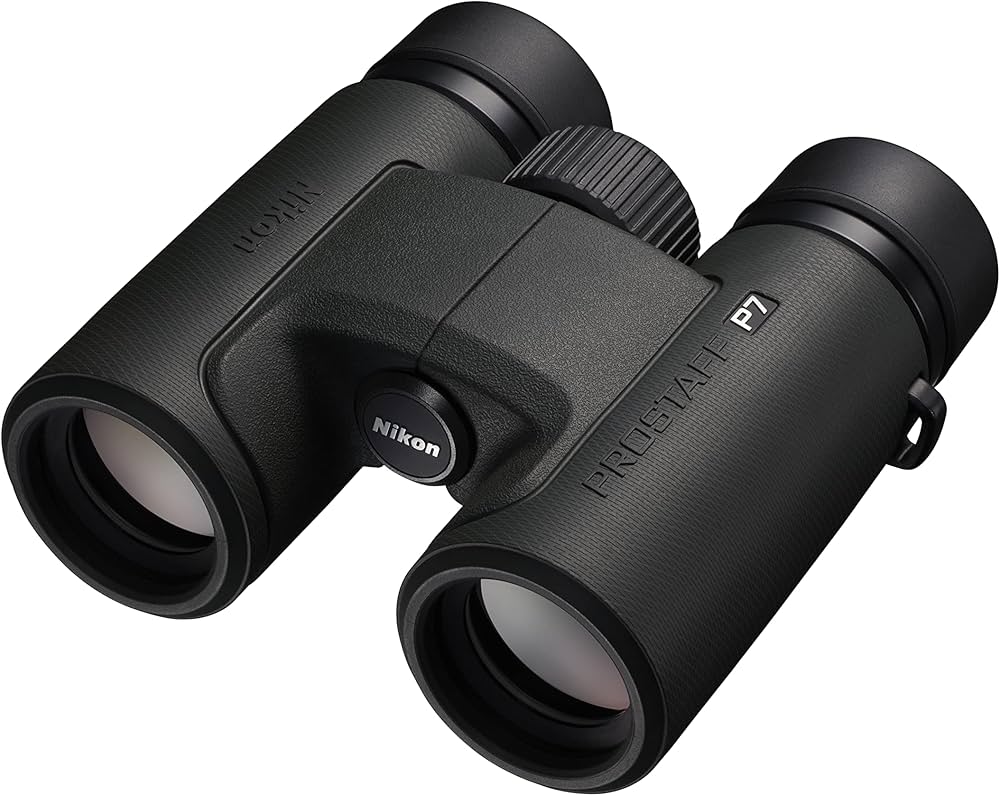
The Nikon Prostaff P7 8x32 is a favorite among hikers. It shrinks the bulk of a standard 10x42 pair while keeping the image bright and steady. The 8x magnification is easier to hold steady than higher powers, and the 32mm lenses gather enough light for clear views in forested areas. It feels solid in hand and packs away easily into a daypack.
For those who want maximum portability, 12x25 models offer a different compromise. These tiny binoculars fit in a jacket pocket. They are excellent for quick glances at passing wildlife or scanning horizons while walking. While they may struggle in deep shade, their sheer convenience makes them a staple for travelers who prioritize movement over stationary observation.

As an Amazon Associate, we may earn from qualifying purchases.
Best binoculars for birding and wildlife
Birding requires optics that prioritize color fidelity, brightness, and steady viewing of moving subjects. Unlike general-purpose binoculars, birding models are tuned to render the subtle iridescence of feathers and the faint details of distant plumage in low-light conditions like dawn or dusk. The best options for this niche typically feature large objective lenses (40mm or 42mm) paired with high-quality prism coatings to maximize light transmission without adding excessive weight to your neck.
For many enthusiasts, the choice comes down to a balance between optical clarity and portability. Models like the Zeiss SFL 10×40 and Nikon Monarch M7 10×42 are frequently cited for their natural color reproduction and sharp focus, making them ideal for identifying species in dense foliage. These binoculars offer a wide field of view, which is critical when tracking fast-moving birds through trees. The image below shows a modern example of optical design optimized for such field use.
When selecting binoculars for wildlife, consider the magnification carefully. While 12x magnification might seem appealing for distance, it often requires a tripod to keep the image steady, which hinders the quick scanning needed for birding. A 10x magnification with a 42mm objective lens is widely considered the sweet spot for handheld stability and light gathering. This configuration allows you to hold the binoculars steady for longer periods, reducing eye strain during extended observation sessions.
Best binoculars for hunting and low light
When the sun dips below the horizon, bigger objective lenses become your best friend. Models with 42mm or 50mm front lenses gather significantly more light than their smaller counterparts, making them ideal for the dawn and dusk hours when deer and turkey are most active. If you are willing to carry a bit more weight in your pack, the extra brightness is worth it for seeing game in thick woods or fading light.
The 10x42 configuration is the sweet spot for most hunters. It offers enough magnification to identify distant targets while remaining light enough to hold steady during long treks. For those who prioritize maximum light gathering over portability, 12x50 models provide a wider, brighter field of view, though they require a steadier hand or a tripod for sharp images at distance.
Choosing the right model depends on your specific hunting style. Here are top-rated options that excel in low-light conditions:


As an Amazon Associate, we may earn from qualifying purchases.
Best budget binoculars under $100
You do not need to spend hundreds of dollars to get clear optics for casual birding or hiking. Several reliable models under $100 offer sharp images, comfortable grips, and waterproof construction that hold up in the field. These picks focus on practical performance rather than premium glass, making them ideal for beginners who want to test the hobby without a major investment.
The Bushnell H2O series is a standout in this price range. Its waterproof and fog-proof design ensures clarity in rain or humidity, while the roof prism system keeps the body compact and easy to carry. The 10x42 configuration provides a good balance of magnification and field of view for spotting birds in trees or scanning distant trails.
For those who prioritize portability, 12x25 compact binoculars are a strong alternative. They fit easily into a jacket pocket or small daypack, making them perfect for travel or quick birding trips. While the smaller objective lenses gather less light, they are sufficient for daytime use and offer high magnification for distant subjects.


As an Amazon Associate, we may earn from qualifying purchases.
What magnification and lens size matter
Binocular numbers like 10x42 or 12x50 describe two different things: how much closer things look and how big the front lenses are. The first number is magnification, and the second is the lens diameter in millimeters. Understanding this split helps you pick a pair that matches your specific activity rather than just grabbing the highest numbers on the shelf.
The 10x42 Standard
The 10x42 configuration is the workhorse for most birders and hunters. Ten times magnification provides enough detail to identify species or spot game at a distance without making the image shake too much. The 42mm lens lets in a good amount of light, keeping the view bright in the early morning or late afternoon. Because these models are lighter and more compact, you can hold them steady for longer periods, which is essential when tracking moving birds.
When to Choose 12x50
Twelve times magnification with 50mm lenses offers a more powerful view, but it comes with trade-offs. The extra zoom is excellent for static viewing, such as watching marine life from a boat or stargazing. However, the higher magnification amplifies hand shake, making it difficult to keep the image steady without a tripod. The larger lenses also add significant weight. If you plan to hike long distances or need to scan a wide area quickly, the 12x50 format will likely feel cumbersome and tiring.
Other Specs to Consider
Beyond magnification and lens size, keep an eye on the field of view and exit pupil. A wider field of view helps you locate fast-moving birds without losing them in the dark edges of the lens. The exit pupil, calculated by dividing the lens size by the magnification, determines brightness in low light. A 4mm exit pupil (like in 10x42s) is generally sufficient for daytime use, while larger exit pupils help in twilight conditions. For most recreational use, sticking to the 10x42 standard offers the best balance of clarity, brightness, and comfort.
No comments yet. Be the first to share your thoughts!