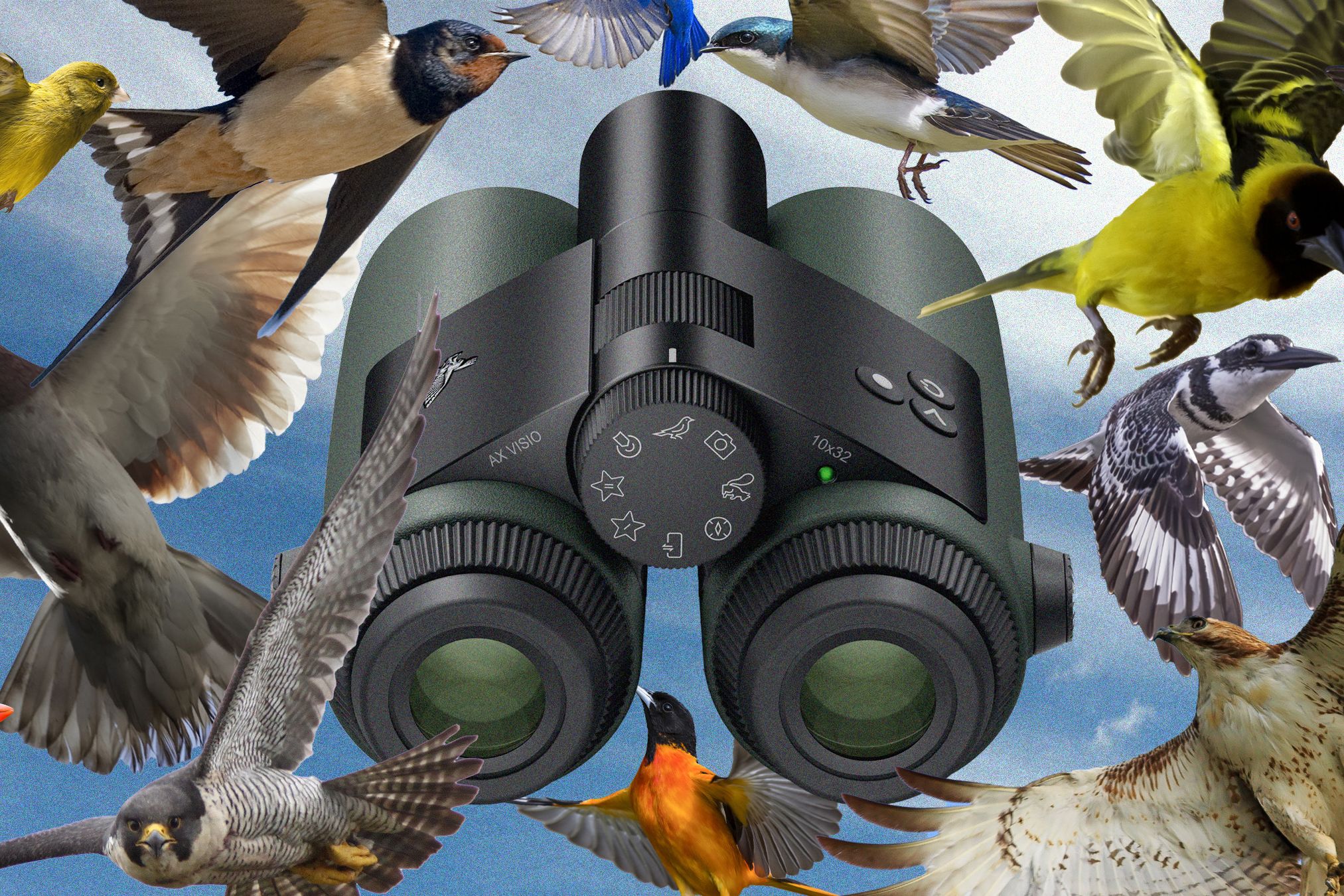
How we picked the best binoculars
Finding the right pair of binoculars for spring migration means balancing optical performance with physical comfort. We evaluated models based on real-world field conditions, focusing on three core pillars: optical clarity, weight, and durability. These factors determine whether you'll enjoy hours of birding or end up with neck strain and blurry views.
Optical clarity is the most critical factor. We prioritized binoculars that deliver sharp resolution across the entire field of view, ensuring distant birds remain crisp even at the edges. Models like the Swarovski NL Pure stood out in independent lab tests for achieving perfect scores in image quality, setting a benchmark for premium optics. We also identified more affordable options that offer exceptional clarity for casual birders who don't need premium pricing.
Weight and ergonomics matter just as much as lens quality. Birding often involves long days on your feet, sometimes in rugged terrain. We favored lighter models that reduce fatigue without compromising stability. A pair of binoculars that feels balanced in hand allows for quicker target acquisition, which is essential when spotting fast-moving songbirds. We also assessed build quality, looking for waterproof, fog-proof construction that can withstand rain and temperature changes common during spring migrations.
Note on testing methodology: We evaluated optical performance, build quality, and field usability based on expert reviews and lab tests from trusted sources like Outdoor Gear Lab and Field & Stream, ensuring our recommendations are grounded in real-world performance data.
By combining these criteria, we narrowed down the field to a curated list of binoculars that excel in both performance and practicality. Whether you're a beginner looking for your first pair or an experienced birder upgrading your gear, these picks offer the best balance of clarity, comfort, and durability for watching spring migration.
Best overall binoculars for birding
For most birders, the ideal pair strikes a balance between optical clarity, weight, and price. You want a tool that delivers sharp images across the field of view without becoming a burden during long hikes. The sweet spot usually lands in the 8x42 or 8x32 size categories, offering enough light gathering power for early mornings while remaining manageable for all-day use.
Vortex Viper HD 8x42
The Vortex Viper HD 8x42 is a favorite among both beginners and seasoned observers. It features fully multi-coated lenses and a high-density extra-low dispersion (ED) glass that brings distant birds into sharp focus with true-to-life color. The ergonomic design fits comfortably in most hands, and the waterproof construction ensures it survives unexpected rain showers in the field. Its 8x magnification provides a wider field of view than 10x models, making it easier to track moving targets.
Nikon Prostaff P7 8x32
If portability is your priority, the Nikon Prostaff P7 8x32 is a lightweight champion. It weighs significantly less than standard 42mm models, making it an excellent choice for birders who hike long distances or prefer minimal gear. Despite its compact size, it delivers Nikon's renowned Phase-Plated Coating (PPC) for bright, high-contrast images. The close-focus distance is also impressive, allowing you to examine smaller warblers and finches with clarity.
Swarovski EL 10x42
For those willing to invest in premium optics, the Swarovski EL 10x42 offers exceptional brightness and a flat field of view. The image quality is stunning, with minimal edge distortion and excellent color fidelity. While the 10x magnification narrows the field of view slightly, the clarity gained is worth it for stationary viewing or spotting distant waterfowl. The build quality is robust, with a comfortable grip and precise focusing mechanism.


As an Amazon Associate, we may earn from qualifying purchases.
Best compact binoculars for hiking
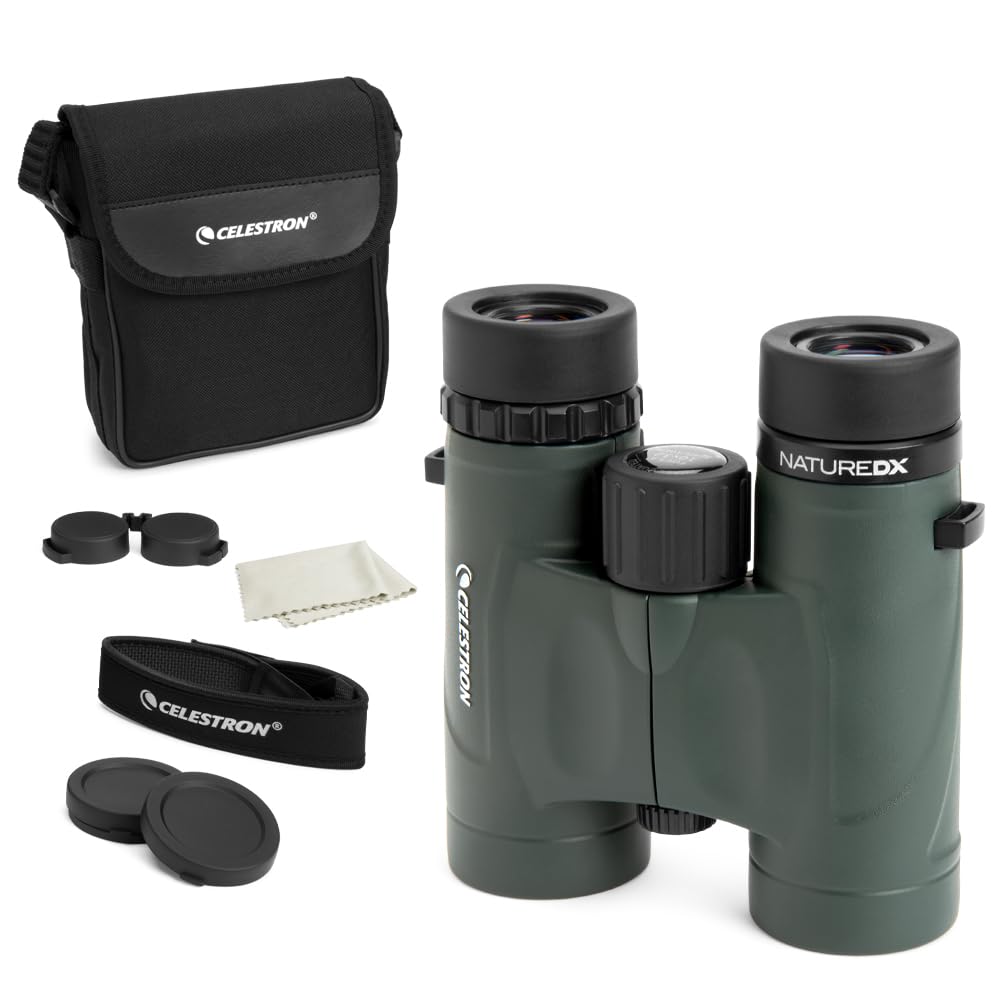
When you are on the trail, every ounce counts. You need binoculars that sit comfortably in your pocket or hang easily around your neck without pulling on your shoulders. For birders who prioritize mobility, compact models offer the perfect balance of portability and performance. You will find that lighter weight often means smaller objective lenses, which can affect low-light viewing, but for daytime spring migration, the trade-off is usually worth it.
The Nikon Prostaff P7 8x32 is a favorite among hikers for good reason. It offers a lighter and smaller form factor than its 10x42 siblings, making it easier to carry on long treks while still delivering the optical clarity needed to spot distant warblers. The 8x magnification provides a wider field of view, which helps when tracking moving birds in dense foliage. Many users report that the reduced weight makes a significant difference after hours of walking.
For those who want something even smaller, 10x25 compact binoculars are an excellent option for quick glances. They slip easily into a jacket pocket, ready for sudden sightings. While they may not perform as well in deep shade or dusk, their convenience is unmatched. Look for models with waterproofing and rubber armor to withstand the elements on the trail. The key is choosing a pair that you will actually carry, rather than leaving at home because they are too bulky.


As an Amazon Associate, we may earn from qualifying purchases.
Best high-end binoculars for clarity
When you’re serious about birding, the difference between good optics and great optics is often the difference between seeing a bird and missing it entirely. High-end binoculars justify their price tag through superior glass, better coatings, and tighter manufacturing tolerances that result in sharper, brighter images. For serious birders willing to invest in top-tier performance, these tools are less about having the latest gadget and more about getting the clearest possible view of nature.
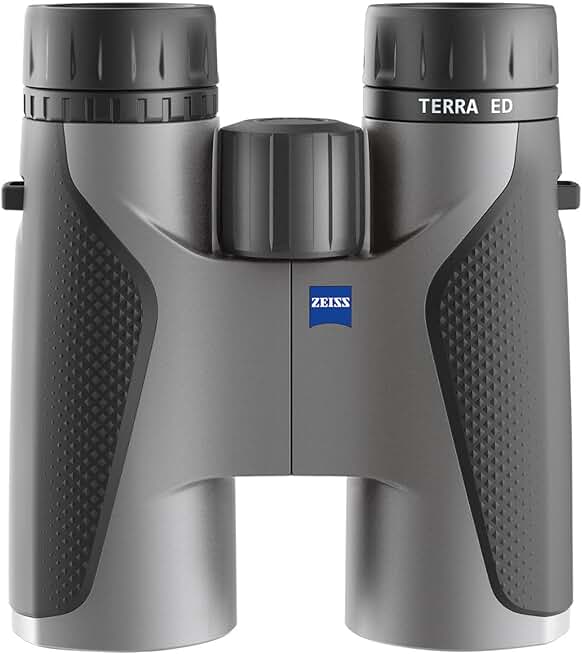
Optical clarity is the primary driver here. Premium brands like Swarovski, Leica, and Zeiss use advanced prism designs and multi-coatings that minimize light loss and color distortion. This means that even in low-light conditions, such as early morning or under dense canopy, the image remains bright and detailed. The resolution is typically perfect, allowing you to see fine feather textures and subtle field marks that cheaper binoculars might blur together.
Weight and balance are equally important. While high-end binoculars are not always the lightest on the market, they are often better balanced, reducing eye strain during long observation sessions. A comfortable pair of binoculars encourages you to spend more time in the field without fatigue. The build quality is also exceptional, with weather-sealing that withstands rain, humidity, and dust, ensuring your investment lasts for years of outdoor adventures.
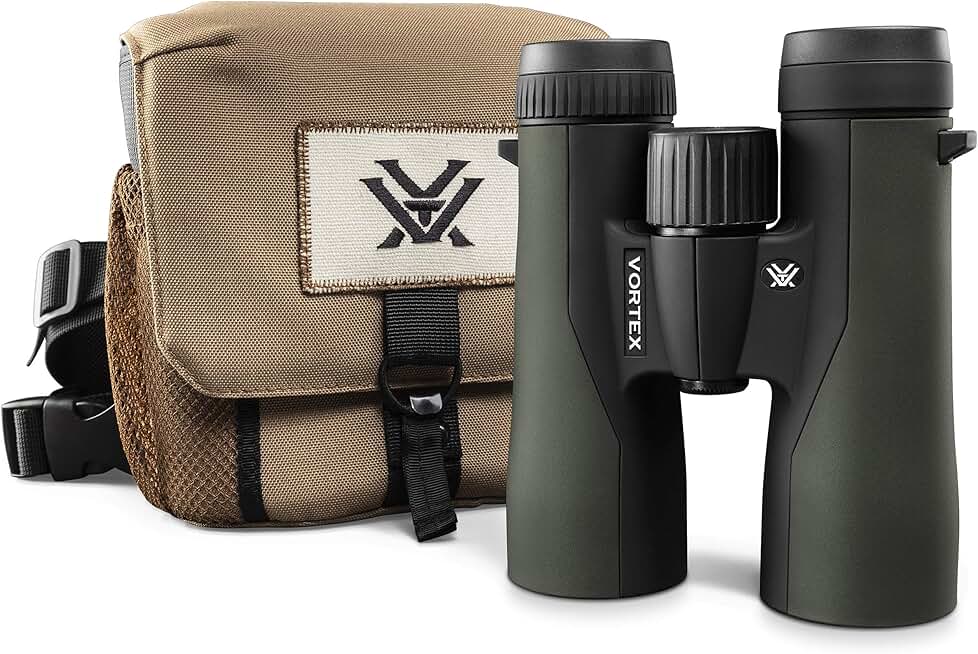
AmazonProductGrid is the best way to compare these premium models directly. These widgets display real-time pricing and availability for high-end binoculars, helping you find the best deal on top-tier optics without needing to visit multiple stores.


As an Amazon Associate, we may earn from qualifying purchases.
Budget binoculars for beginners
You don’t need to spend a fortune to start birding. The best budget binoculars for beginners offer a sweet spot where optical clarity meets portability, allowing you to spot details without straining your eyes or neck. For new birders, the goal is finding a pair that is light enough to carry for hours yet sharp enough to identify species at a distance.
Weight is often the deciding factor. A pair of 8x42 binoculars is the standard recommendation because it balances magnification with a manageable size. Heavier models can cause fatigue during long hikes, while lighter 10x models might shake too much for steady viewing. Look for models with rubber armor and waterproofing; these features protect your investment from rain and accidental drops in the field.
When shopping, prioritize brands known for consistent optical performance in the under-$200 range. Avoid overly cheap options that sacrifice brightness or field of view. A good pair will make the difference between a blurry glimpse and a clear view of feather patterns.


As an Amazon Associate, we may earn from qualifying purchases.
How to choose binoculars for birding
Picking binoculars for birding comes down to balancing optical clarity, weight, and field of view. The numbers stamped on the tube—like 8x42—tell you exactly what you’re getting. The first number is magnification (how much closer things appear), and the second is the objective lens diameter in millimeters (how much light enters).
For most birders, 8x magnification is the sweet spot. It provides enough zoom to see details on distant birds without making the image shaky or the view too narrow. While 10x binoculars offer more reach, they amplify hand tremors, making it harder to track moving birds, and they are often heavier. The objective lens size affects brightness; 42mm lenses gather more light than 32mm or 36mm options, which helps in early morning or dense forest settings, but they also add weight.
Field of view is another critical spec. This measures how wide an area you can see at a distance, usually expressed in feet at 1,000 yards. A wider field of view makes it easier to spot birds in trees or follow fast-moving species. When evaluating options, always consider how the binoculars feel in your hands. Since you’ll be holding them for long periods, lighter models are often preferable unless you need the extra light-gathering power of larger lenses.
To help you compare the top contenders, here is a quick look at how the leading models stack up against each other on these key metrics.
Frequently asked questions about birding binoculars
Choosing binoculars for spring migration often comes down to balancing optical clarity with weight. Here are the most common questions birders ask when selecting their gear.
What magnification is best for birding?
For most birding scenarios, 8x42 binoculars are the gold standard. The 8x magnification provides a stable, wide field of view that makes tracking moving birds much easier than higher magnifications. While 10x models offer more reach, they shake more in your hands and have a narrower view, making them harder to use for general field work. The 42mm lens diameter ensures enough light enters the scope for clear viewing in dawn or dusk conditions.
How do I clean binocular lenses?
Never use household glass cleaners or paper towels, as these can damage the delicate anti-reflective coatings on your lenses. Instead, use a soft microfiber cloth to gently wipe away dust and fingerprints. For stubborn spots, breathe lightly on the lens to create a small amount of moisture, then wipe gently. If you need a deeper clean, use a lens cleaning solution specifically designed for optics.
Are waterproof binoculars necessary?
If you bird in wet climates or during early morning migrations, waterproof and fog-proof binoculars are essential. These models are nitrogen-purged to prevent internal fogging when temperatures change rapidly. Even if you live in a dry area, waterproofing protects your investment from humidity and accidental splashes, ensuring your optics last for many seasons.
How much should I spend on binoculars?
You can find reliable binoculars for under $100, but prices typically range from $200 to $500 for models that offer excellent clarity and durability. Brands like Nikon, Swarovski, and Zeiss offer options at various price points. The Audubon Guide to Binoculars notes that whether you're a novice or an experienced birder, there are options for every budget, but investing in better optics usually pays off in image sharpness and comfort.
No comments yet. Be the first to share your thoughts!