
How we picked the best binoculars
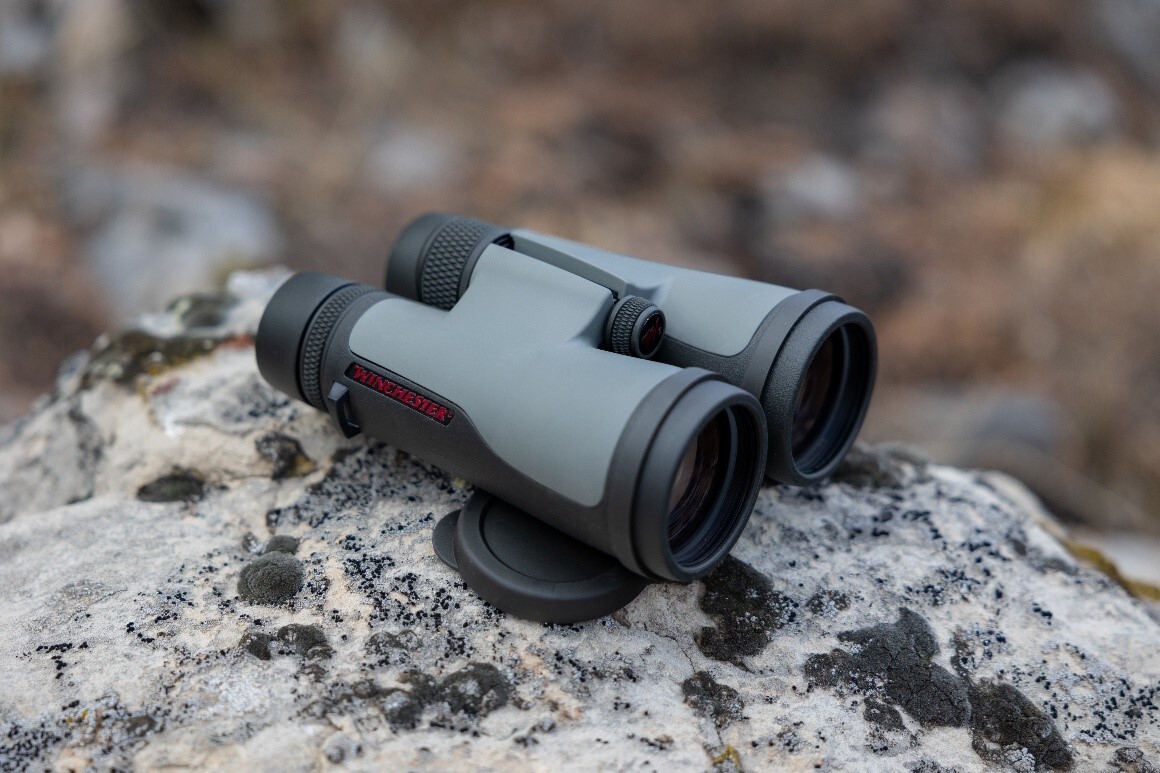
Choosing the right pair of binoculars for birding isn't just about magnification. It is about balancing three competing forces: optical clarity, weight, and how the instrument feels in your hands during a long morning in the field. We evaluated dozens of models based on these core criteria to help you find a pair that stays with you, rather than one you leave in the closet.
Optical performance
The primary job of any binocular is to gather light and present a sharp image. For birding, we prioritized models with fully multi-coated lenses, which reduce glare and improve color fidelity. We looked for high transmission rates, especially in lower light conditions like dawn or dusk when many birds are most active. While magnification matters, we found that 8x is often the sweet spot for birding. It provides enough reach to identify details on distant birds while maintaining a stable, wide field of view that makes tracking moving subjects much easier than higher magnifications like 10x or 12x.
Weight and ergonomics
Birding often involves hours of standing or walking. A pair of binoculars that weighs two pounds might seem manageable for an hour, but it becomes a burden by the end of a three-hour hike. We favored models that distributed weight evenly and featured comfortable rubber armoring. The eyecups must twist up and down smoothly to accommodate both glasses wearers and those with 20/20 vision. If the diopter adjustment is stiff or the focus wheel has too much resistance, it slows you down when a rare bird flashes past.
Durability and weather resistance
Birds don't wait for sunny days. We looked for binoculars that are waterproof and fog-proof, typically achieved by filling the internal tubes with nitrogen or argon gas. This prevents internal condensation when moving from cold air to warm, humid environments. We also checked for rugged construction, ensuring that the barrels could withstand occasional bumps against trees or branches without losing their zero (alignment).
The birding checklist
Before you buy, run through this quick checklist to ensure the binoculars match your specific birding style:
-
Field of View: Can you see enough of the sky to track a flying bird without losing it?
-
Close Focus: Can you focus on birds within 5-7 feet if they land nearby?
-
Weight: Can you hold them steady for 20+ minutes without arm fatigue?
-
Eye Relief: Is it at least 15mm if you wear eyeglasses?
-
Durability: Are they waterproof and fog-proof for all-weather use?
Best overall compact binoculars
When you’re walking trails or scanning tree lines, every ounce counts. The Vortex Razor HD 8x42 strikes the best balance between optical clarity and portability. It delivers sharp, high-contrast images that make distant birds easy to identify, even in low light. Unlike heavier 10x models, the 8x magnification keeps the field of view wide, so you can track fast-moving birds without losing them in the branches.
These binoculars use premium HD glass and fully multi-coated lenses to minimize glare and color distortion. The result is a natural, true-to-life view that helps you spot subtle field marks. The ergonomic rubber armor provides a secure grip, even in damp conditions, while the waterproof and fog-proof construction ensures they hold up in rain or humidity.
The compact form factor makes them easy to carry for hours without neck strain. Whether you’re hiking in a national park or visiting a local wetland, the Razor HD 8x42 offers the versatility needed for both stationary observation and active birding. It’s a reliable companion for birders who want professional-grade optics without the bulk.


As an Amazon Associate, we may earn from qualifying purchases.
Best budget binoculars for birding
You don’t need to spend a fortune to get clear views of warblers or raptors. The best budget binoculars for birding deliver sharp optics and durable builds at a fraction of the cost of premium gear. These picks are ideal if you are just starting out or simply want a reliable pair without breaking the bank.
Vortex Triumph HD 10x42
The Vortex Triumph HD series is a standout in the under-$150 category. It offers HD glass that provides crisp, high-contrast images even in low-light conditions. The rubber armor makes it durable and weather-resistant, while the ergonomic design ensures comfort during long field sessions. It is widely regarded as one of the best overall budget options for serious birders who need reliability.
Athlon Neos G2 HD 8x42
For those who prefer a wider field of view, the Athlon Neos G2 HD 8x42 is an excellent choice. The 8x magnification makes it easier to track fast-moving birds, and the 42mm objective lenses gather plenty of light for early morning or late evening birding. The fully multi-coated lenses reduce glare and enhance color fidelity, making it a versatile tool for various lighting conditions.
Steiner Safari UltraSharp 10x42
Steiner brings its renowned durability to the budget segment with the Safari UltraSharp. These binoculars are waterproof, fog-proof, and built to withstand rough handling in the field. The optical performance is sharp and clear, with a comfortable focus mechanism that allows for quick adjustments. They are a solid choice for birders who prioritize ruggedness and ease of use.


As an Amazon Associate, we may earn from qualifying purchases.
Premium binoculars for optical perfection
When weight and budget stop being the primary concerns, you enter the realm of premium optics. This tier is for serious birders who demand the sharpest image quality, best light transmission, and most durable build available. These binoculars often feature fully multi-coated lenses, advanced prism coatings, and high-index glass to deliver crisp views even in low-light conditions like dawn or dusk.
The trade-off is significant cost and often heavier weight. You are paying for engineering that minimizes chromatic aberration and provides a wider, flatter field of view. For birders who spend hours scanning tree canopies or watching waterfowl at a distance, the difference in clarity is immediate and impactful.


As an Amazon Associate, we may earn from qualifying purchases.
Key specs to check before buying
Binocular numbers like 8x42 or 10x42 often confuse new birders, but they simply describe magnification and lens size. The first number is how much bigger things look; the second is the diameter of the front lens in millimeters. Understanding these two figures helps you pick binoculars that match your specific birding style, whether you are scanning from a car or hiking steep trails.
Higher magnification brings distant birds closer but makes the image shakier and the field of view narrower. An 8x42 model offers a wider, steadier view ideal for tracking fast-moving birds in dense woods. A 10x42 model provides more reach for open areas but requires a steadier hand or a tripod for long sessions. The larger 42mm lens gathers more light, making it easier to see in dawn or dusk conditions compared to smaller 32mm lenses.
Use the table below to compare how these specs translate into real-world performance for the top recommended models. This side-by-side view highlights why some binoculars are better for waterfowl hunting while others excel for forest birding.
| Model | Spec | Magnification | Lens (mm) | Field of View |
|---|---|---|---|---|
| Nikon Monarch M5 | Versatile | 8x | 42 | 420 ft |
| Vortex Viper HD | Sharp Optics | 10x | 42 | 362 ft |
| Swarovski EL Pure | Premium | 8.5x | 42 | 410 ft |
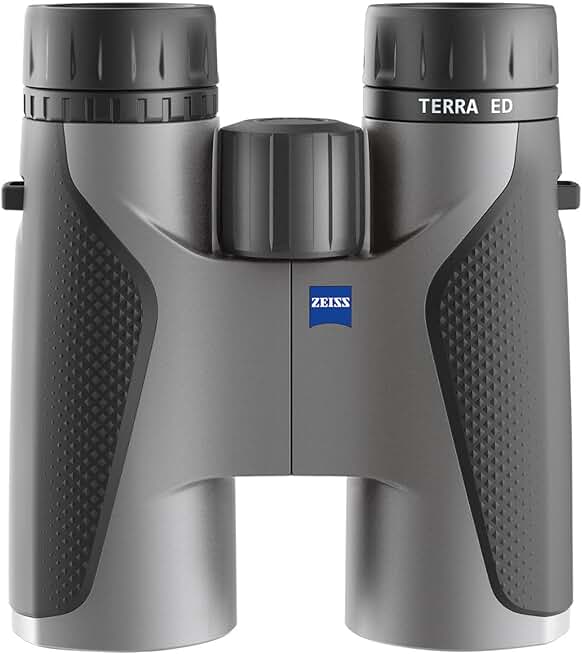
| Zeiss Terra ED | Compact | 8x | 32 | 390 ft |
Frequently asked questions about binoculars
Choosing the right pair of binoculars for birding often comes down to balancing weight, clarity, and your specific birding style. Here are answers to the most common practical questions to help you make a confident decision.
What do the numbers on binoculars mean?
The two numbers, such as 8x42 or 10x32, represent magnification and objective lens diameter. The first number (e.g., 8x) tells you how many times closer the object appears, while the second (e.g., 42) is the size of the front lens in millimeters. A higher magnification brings birds closer but can make the image shakier if you don't have steady hands, which is why 8x is often recommended for beginners.
Are 8x or 10x magnification better for birding?
For most birders, 8x magnification offers the best balance of a wide field of view and steady image quality. It makes it easier to track moving birds and keep them in focus. 10x magnification is useful for long-distance viewing but requires a tripod or very steady hands to avoid a shaky view, which can be tiring during long days in the field.
How should I clean and store my binoculars?
Keep your binoculars dry and stored in a protective case when not in use to prevent moisture damage and lens scratches. Use a soft microfiber cloth to gently wipe away dust or smudges from the lenses. Avoid using household cleaners or paper towels, which can damage the delicate anti-reflective coatings on the glass.
Can I use binoculars for stargazing?
While binoculars are primarily designed for daylight birding, they can be excellent for viewing the moon, bright star clusters, and nebulae. However, they are not ideal for viewing faint deep-sky objects like distant galaxies, which require larger, dedicated telescopes. Look for models with wide fields of view to make tracking celestial objects easier.
No comments yet. Be the first to share your thoughts!