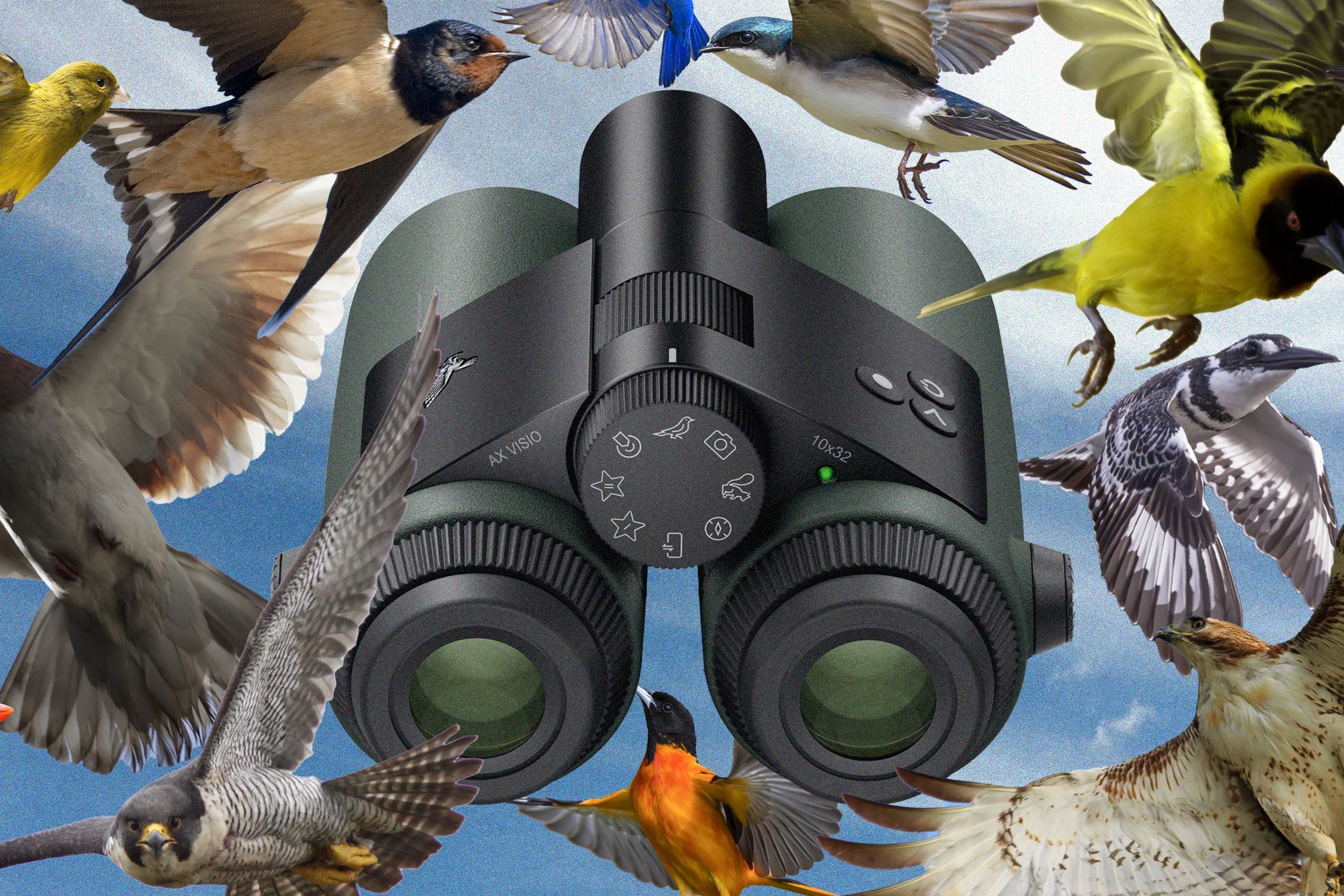

What makes birding binoculars different
Best Binoculars for Birding works best as a clear sequence: define the constraint, compare the realistic options, test the tradeoff, and choose the path with the fewest hidden costs. That order keeps the advice usable instead of decorative. After each step, pause long enough to check whether the recommendation still fits the reader's actual situation. If it depends on perfect timing, unusual access, or a best-case budget, include a simpler fallback.
The simplest way to use this section is to write down the real constraint first, compare each option against it, and choose the path that still works outside ideal conditions.
Best overall binoculars for birding
Best Binoculars for Birding works best as a clear sequence: define the constraint, compare the realistic options, test the tradeoff, and choose the path with the fewest hidden costs. That order keeps the advice usable instead of decorative. After each step, pause long enough to check whether the recommendation still fits the reader's actual situation. If it depends on perfect timing, unusual access, or a best-case budget, include a simpler fallback.
| Factor | What to check | Why it matters |
|---|---|---|
| Fit | Match the option to the primary use case. | A good deal still fails if it does not fit the job. |
| Condition | Verify age, wear, and service history. | Hidden condition issues erase upfront savings. |
| Cost | Compare purchase price with likely upkeep. | The cheapest option is not always the lowest-cost option. |
Best Value Binoculars Under $300
You do not need to spend $1,000 to see a sharp image of a warbler in low light. The sub-$300 binocular market is where engineering meets economy, offering high-value models that prioritize optical clarity and birding-specific ergonomics over brand prestige. For budget-conscious birders, the goal is finding instruments that balance weight, field of view, and light transmission without breaking the bank.
The Vortex Viper HD series frequently appears at the top of these discussions. Its apochromatic lenses deliver exceptional color fidelity and edge-to-edge sharpness, making it a standout for identifying subtle plumage details. While heavier than some ultralight competitors, the Viper’s build quality and lifetime warranty provide long-term reliability that justifies the investment for serious enthusiasts.
For those prioritizing portability, the Nikon Monarch M7 series offers a compelling alternative. These binoculars are notably lighter, reducing neck fatigue during long hikes, while still providing crisp 10x42 performance. They excel in open habitats where speed and maneuverability matter more than extreme magnification. The trade-off is a slightly narrower field of view compared to the Viper, but for most casual to intermediate birding trips, the difference is negligible.
The market also includes surprising budget contenders like the ScoopX UHD 10x42. Some users report that these entry-level options outperform more established mid-range brands in raw brightness and clarity. While build materials may feel less premium, the optical performance for the price is difficult to ignore, making them a strong choice for beginners or those testing the hobby.
Comparison of Top Value Picks
| Model | Magnification | Weight (oz) | Best For |
|---|---|---|---|
| Vortex Viper HD | 10x42 | ~29 | Sharpness & Color |
| Nikon Monarch M7 | 10x42 | ~25 | Portability |
| ScoopX UHD | 10x42 | ~28 | Budget Performance |


As an Amazon Associate, we may earn from qualifying purchases.
Compact Binoculars for Travel and Hiking
When every ounce counts, compact binoculars offer a practical compromise between portability and performance. Models like 8x25 or 10x25 configurations are designed for birders who prioritize carrying weight over maximum light gathering. These smaller optics are ideal for long hikes, travel, or situations where you need to keep your hands free and your gear minimal.
The trade-off is evident in low-light conditions. Smaller objective lenses (25mm) gather less light than their 42mm counterparts, which can make dawn or dusk birding slightly more challenging. However, for daytime use in well-lit environments, modern coatings and optical designs deliver sharp, clear images. The field of view may be narrower, but the ease of spotting and tracking moving birds remains high.
For hikers, the weight savings are significant. A pair of compact binoculars can weigh less than half of a standard 8x42 pair, reducing fatigue on multi-day treks. While they may not replace a heavy-duty spotting scope for distant observation, they serve as an excellent primary pair for general birding and wildlife viewing on the go.


As an Amazon Associate, we may earn from qualifying purchases.
8x vs. 10x: Matching Magnification to Your Birding Style
The choice between 8x and 10x magnification is the most significant decision in selecting birding binoculars. While both are standard, they serve different field conditions. Eight-power binoculars offer a wider field of view and brighter images in low light, making them ideal for dense forests and dawn surveys. Ten-power models provide extra reach for distant waterfowl or shorebirds but require a steadier hand and often come with a heavier frame.
If you spend most of your time scanning open skies or tracking fast-moving birds through thick canopy, 8x is the practical choice. The wider field of view makes it easier to relocate a bird after it moves. Conversely, if you frequently observe distant subjects from a fixed blind or boat, 10x magnification justifies the trade-off in stability and weight.
For readers who want to see these differences in action across specific models, here are two highly regarded options that exemplify each magnification class:


As an Amazon Associate, we may earn from qualifying purchases.
Frequently asked questions about birding binoculars
What magnification is best for birding? Eight-power magnification (8x) is the standard for most birding because it offers the widest field of view and the most stable image. Higher magnifications like 10x or 12x are excellent for long-distance waterfowl or raptor viewing, but they require a tripod to prevent hand shake and offer a narrower field of view, making it harder to locate fast-moving birds in dense foliage.
Are waterproof binoculars necessary? Yes. Birding often takes place in wet environments, from misty mornings to sudden rainstorms. Look for binoculars that are nitrogen-purged and O-ring sealed. This prevents internal fogging and protects the optics from moisture damage, ensuring your equipment lasts for years of outdoor use.
How much should I spend? You can find reliable birding binoculars starting around $150, but spending more significantly improves edge-to-edge sharpness and low-light performance. For serious birders, mid-range options like the Vortex Viper HD or Nikon Monarch M5 provide excellent value, while premium models from Zeiss or Swarovski offer superior clarity for those who prioritize the best possible image quality.
No comments yet. Be the first to share your thoughts!