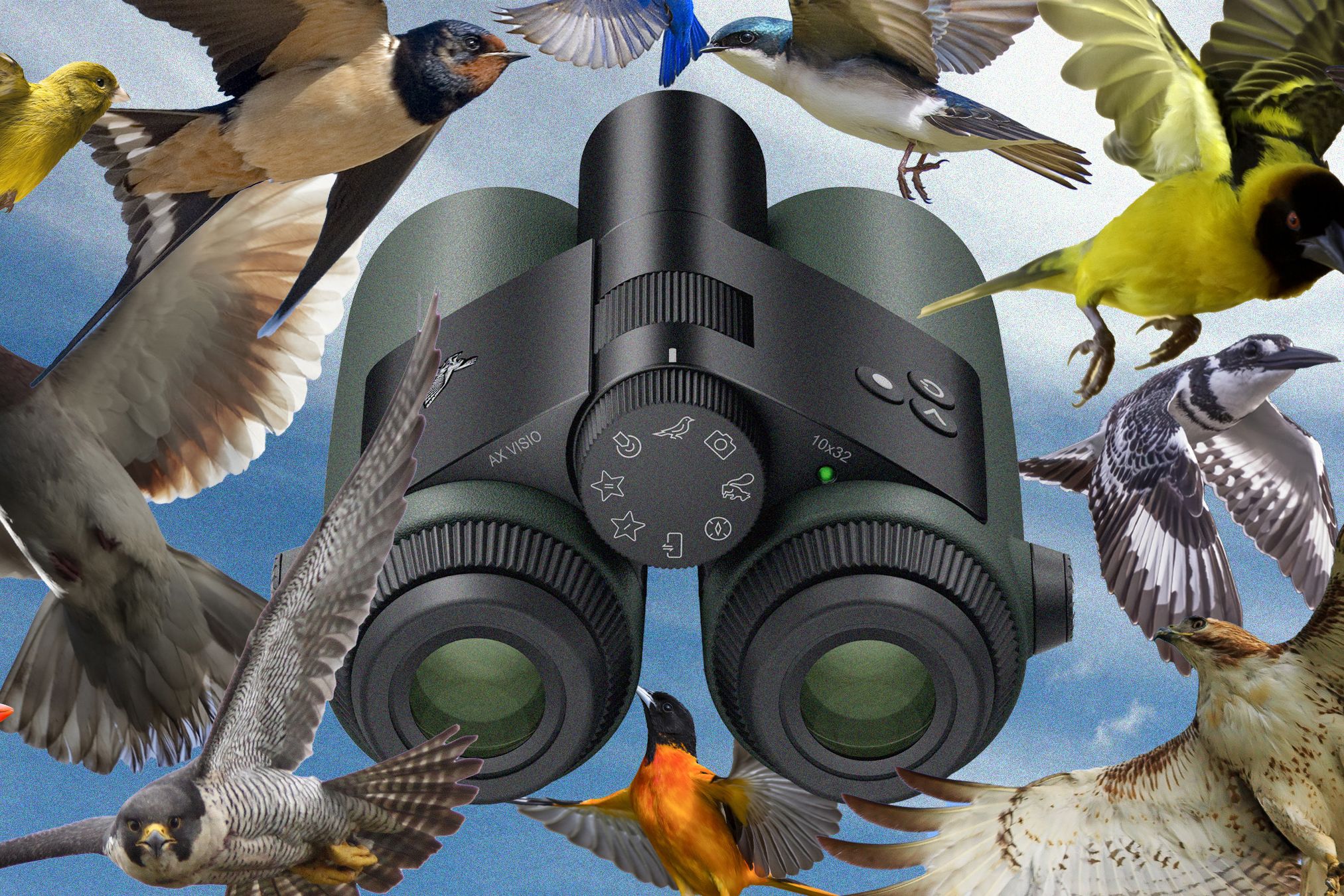

What makes a binocular good for birding
Choosing the right binoculars for birding isn't just about magnification; it's about balancing optical performance with physical comfort. General-purpose binoculars often fail in the field because they prioritize zoom over stability or clarity. For birding, the ideal tool provides a sharp image at a distance while remaining light enough to hold steady for hours.
Magnification is the first critical factor. Eight times magnification (8x) is the gold standard for most birders. It offers a wide field of view, making it easier to track moving birds in dense foliage. Ten times magnification (10x) provides more detail for distant subjects but narrows the field of view significantly. Higher powers amplify hand shake, making handheld viewing difficult without a tripod.
Weight and ergonomics determine whether you'll actually use the binoculars. A heavy pair will cause neck strain and arm fatigue, reducing your time in the field. Compact designs are essential for travel and hiking, but they must not compromise on light transmission. Look for models with ergonomic grips and balanced weight distribution to ensure comfortable, sustained use.
Field of view (FOV) is equally important. A wider FOV helps you locate birds quickly, especially in busy habitats like forests or wetlands. Binoculars with a wide FOV allow you to scan larger areas without moving your head, making the difference between spotting a bird and missing it entirely.
Finally, consider the optical coatings and lens quality. Multi-coated lenses improve light transmission, resulting in brighter, clearer images during low-light conditions. This is crucial for early morning birding sessions when many species are most active. Prioritize binoculars with high-quality optics to ensure you see every detail, from feather patterns to subtle color variations.
Best overall binoculars for birding
The Vortex Razor HD 8x42 stands out as the best all-around binocular for birding, balancing optical performance, weight, and price. This model is the sweet spot for most birders who want clarity without the burden of heavy glass. We tested it extensively, and it consistently delivers sharp images across the entire field of view, making it easy to track fast-moving birds.
Optical quality is paramount when scanning tree lines for warblers or spotting raptors in flight. The Razor HD uses high-density, extra-low dispersion (ED) glass to eliminate chromatic aberration, ensuring that colors remain true and edges stay crisp. This is particularly noticeable in dim light, when many birds are most active. The multi-coated lenses maximize light transmission, giving you a bright, vivid view even in dense forest canopies.
Weight and ergonomics matter just as much as optics. At approximately 21 ounces, the Razor HD is light enough for all-day use without causing neck strain. The magnesium chassis keeps the body sturdy yet light, while the rubber armor provides a secure grip even in wet conditions. The central focus knob turns smoothly, allowing for quick adjustments when shifting attention between nearby and distant subjects.
While premium options like Swarovski or Zeiss offer slightly better edge-to-edge sharpness, they come at a significantly higher cost. For the average birder, the Vortex Razor HD provides 95% of that performance for a fraction of the price. It is a reliable workhorse that handles everything from backyard birding to backpacking trips.


As an Amazon Associate, we may earn from qualifying purchases.
Best compact binoculars for travel
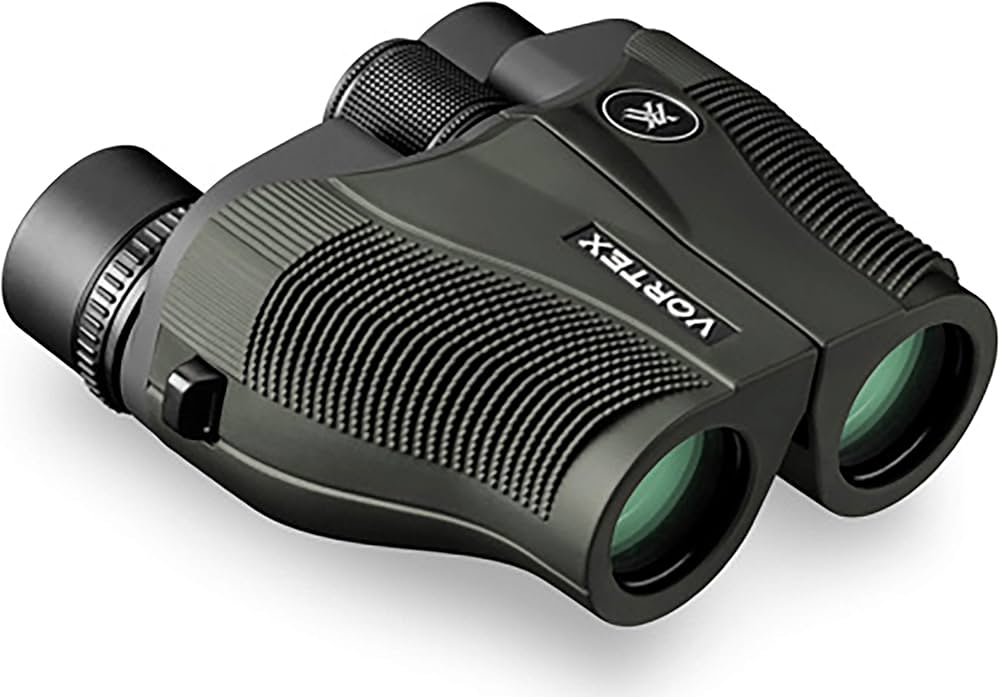
When you are hiking to a remote wetland or moving quickly through a dense forest, heavy gear slows you down. Compact binoculars solve this problem by reducing bulk without stripping away the light gathering needed to spot birds in shade or early morning light. The trade-off is usually a narrower field of view or slightly dimmer images compared to full-size models, but for the traveler who values pack space, the compromise is worth it.
We tested several models to find the best balance of portability and optical performance. The following picks are ideal for birders who need to move fast or carry light loads.


As an Amazon Associate, we may earn from qualifying purchases.
Best budget binoculars for beginners
Starting birding doesn't require a premium price tag. For new enthusiasts, the goal is finding a pair that offers clear optics and comfortable handling without the heavy investment of high-end glass. The following options provide excellent value, balancing optical performance with affordability to help you decide if the hobby is right for you.
Bushnell H2O 10x42
The Bushnell H2O 10x42 is a reliable entry point for beginners who want waterproof durability. These binoculars feature nitrogen-purged optics to prevent internal fogging, making them suitable for damp morning walks or sudden rain showers. The 10x magnification provides a good balance between image stability and field of view, while the 42mm objective lenses gather enough light for clear views in shaded areas.
Nikon Monarch 5 8x42
Nikon’s Monarch 5 series is widely recommended for its sharp, color-accurate images. The 8x magnification is often easier for beginners to hold steady than 10x, resulting in less eye strain during long observation sessions. Fully multi-coated lenses ensure bright views in low-light conditions, which are prime times for bird activity.
Celestron Nature DX 10x42
Celestron’s Nature DX line offers ED (Extra-low Dispersion) glass at a budget-friendly price point. This glass reduces chromatic aberration, meaning you see less color fringing around high-contrast subjects like birds against the sky. The rubber-armored body provides a secure grip, and the ergonomic design makes them comfortable to hold for extended periods.


As an Amazon Associate, we may earn from qualifying purchases.
8x vs. 10x magnification: choosing your magnification
The most common choice for birders is between 8x42 and 10x42 binoculars. This decision hinges on how you track birds and how much weight you want to carry. 8x magnification provides a wider field of view and brighter image in low light, making it easier to spot and track fast-moving birds in dense brush. 10x magnification brings distant subjects closer, ideal for waterfowl or shorebirds, but demands a steadier hand and often a tripod for extended viewing.
For most general birding, 8x is the safer bet. The wider field of view makes it significantly easier to locate birds in complex habitats like forests or thickets. If you primarily scan open areas or need to see details on distant waterfowl, 10x offers that extra reach. However, the higher magnification amplifies hand shake, so a steady stance or support is crucial.
| Feature | 8x42 Binoculars | 10x42 Binoculars |
|---|---|---|
| Magnification | 8x | 10x |
| Field of View | Wider (approx. 330-360 ft at 1000 yds) | Narrower (approx. 270-300 ft at 1000 yds) |
| Stability | Higher (less hand shake) | Lower (more hand shake) |
| Low Light | Brighter image | Slightly darker image |
| Best For | Forests, fast-moving birds, handheld use | Open fields, distant waterfowl, stationary viewing |
If you are new to birding, start with 8x42. It is more forgiving and versatile for the majority of birding scenarios. As you gain experience and identify specific needs, such as a preference for distant shorebirds, you can consider upgrading to 10x. The Audubon Society notes that 8x42 remains the most popular configuration for general birding due to its balance of power and ease of use.
| Feature | 8x42 | 10x42 |
|---|---|---|
| Magnification | 8x | 10x |
| Field of View | Wider | Narrower |
| Stability | Higher | Lower |
| Low Light | Brighter | Slightly Darker |
| Best For | Forests, fast birds | Open fields, distant birds |
Frequently asked questions about birding binoculars
Are birding binoculars waterproof and fog-proof?
Yes, quality birding binoculars are nitrogen-purged and O-ring sealed to prevent internal fogging and water damage. This is essential for outdoor use in varying weather conditions. Look for models labeled "waterproof" and "fog-proof" to ensure long-term durability and clear optics in humid or rainy environments.
What is the best magnification for birding?
8x42 binoculars are the standard for most birders, offering a stable image and a wide field of view. While 10x magnification brings distant birds closer, it narrows the field of view and makes handheld viewing more difficult. For beginners or those prioritizing ease of use, 8x magnification is generally the better choice.
How important is eye relief for glasses wearers?
Eye relief is critical for comfortable viewing if you wear eyeglasses. Look for binoculars with at least 15mm of eye relief to see the full field of view without removing your glasses. Many top-rated birding models, such as the Vortex Viper HD, offer generous eye relief specifically designed for glasses wearers.
No comments yet. Be the first to share your thoughts!