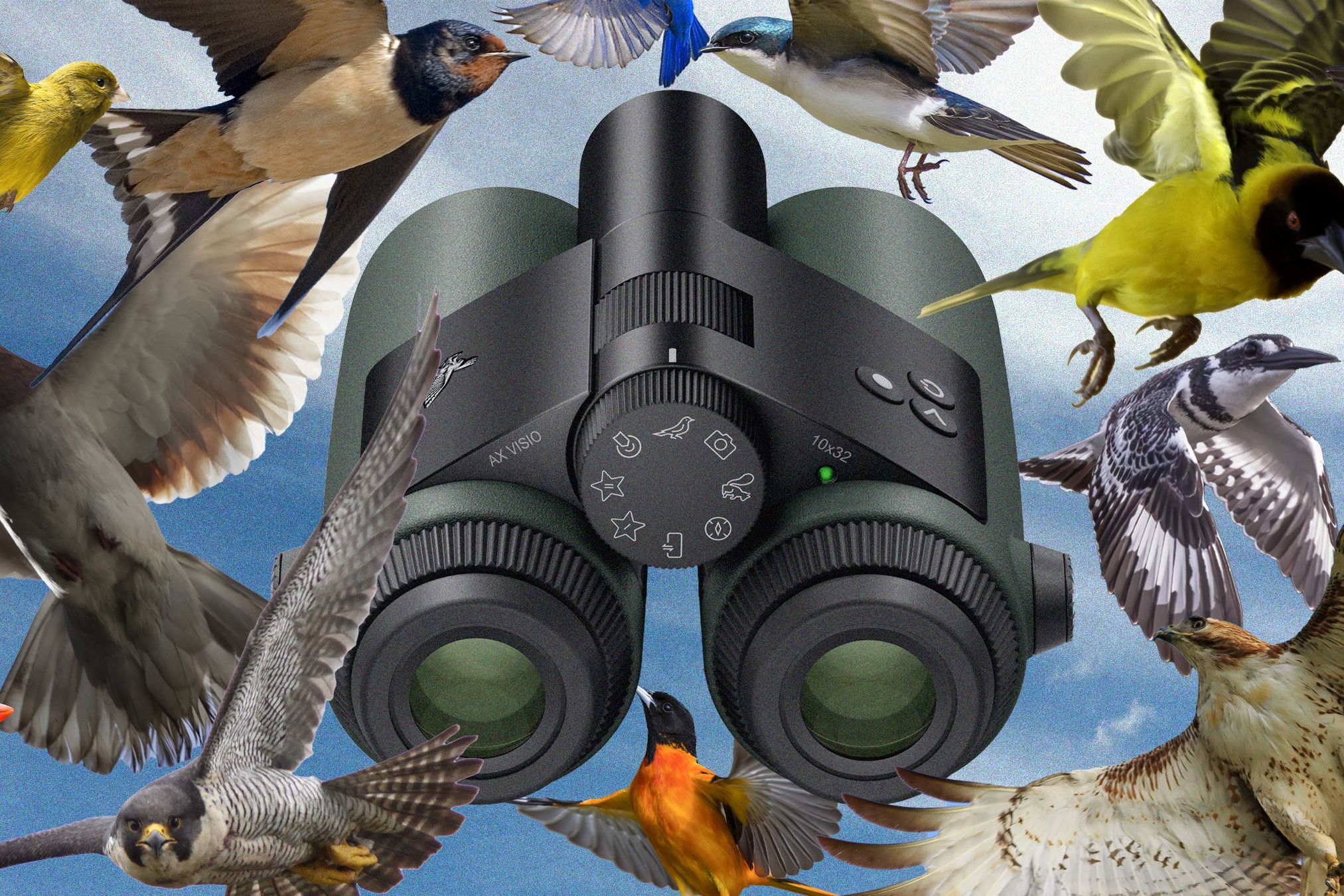

How we picked the best binoculars
We tested 16 top-selling binoculars from Vortex, Nikon, Leica, and Swarovski to find the best options for birding.
Our selection process focuses on the three factors that matter most in the field: optical clarity, weight, and low-light performance. We evaluated each pair by observing common backyard species and distant waterfowl to ensure the glass performs under real-world conditions.
Optical clarity is the baseline. We looked for sharp edges, minimal color fringing, and a flat field of view. A blurry image makes identification difficult, regardless of how light the binoculars are. We prioritized models with fully multi-coated lenses and phase-corrected prisms, which are standard in quality birding optics.
Weight determines whether you will actually carry them. A pair of binoculars that feels like a burden will stay in the closet. We tested ergonomic grip, balance, and neck strain during extended observation sessions. Compact 8x42 and 10x42 models dominated our top picks because they offer the best compromise between magnification and portability.
Low-light performance is critical for dawn and dusk birding. We evaluated exit pupil size and light transmission to see how each model handled dim conditions. Models with larger objective lenses (42mm) generally outperformed smaller 25mm or 32mm versions in twilight, providing brighter images when birds are most active.
Best compact binoculars for birding
Compact binoculars for birding prioritize weight and optical clarity, allowing birders to track small, distant subjects without fatigue. While 8x42 models remain the standard for general use, 10x25 and 10x32 configurations offer superior reach for open habitats or when carrying gear for long hikes. The following models represent the current market leaders in portability and image quality.
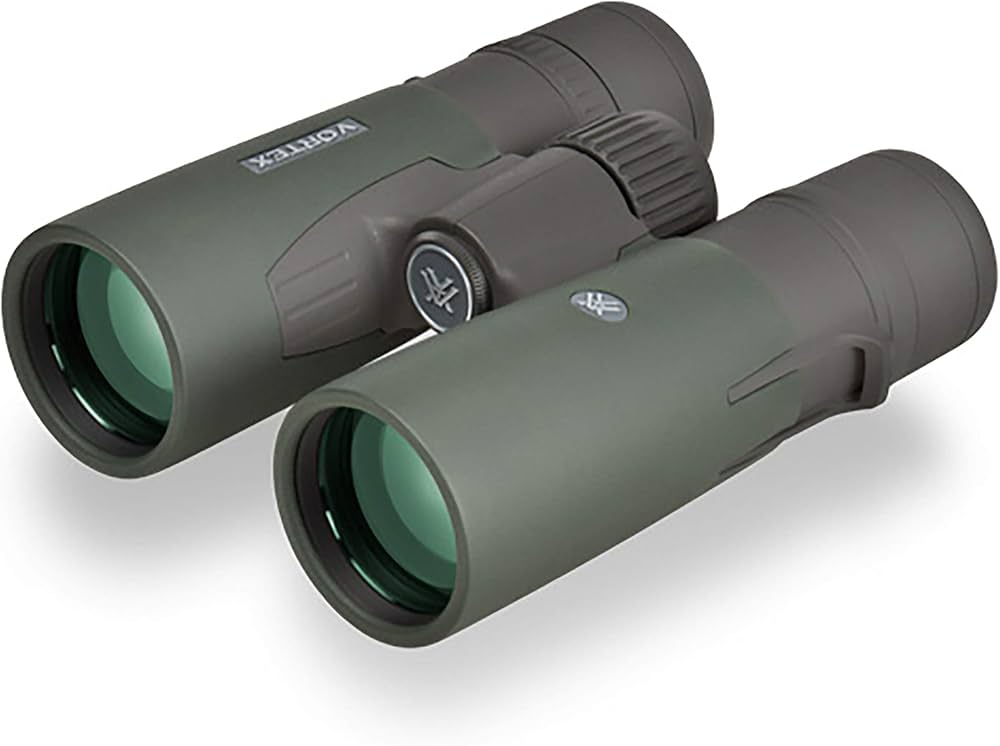
Vortex Razor HD 10x25
The Vortex Razor HD 10x25 is a top choice for birders who need maximum resolution in a pocket-sized body. Its fully multi-coated HD (High Density) glass provides exceptional color fidelity and contrast, which is critical for identifying subtle plumage details on small songbirds. The compact form factor makes it easy to carry all day, while the rubber-armored housing ensures durability in wet or rugged conditions.
Nikon Monarch M5 10x25
Nikon’s Monarch M5 10x25 delivers a bright, sharp image with a wide field of view, making it easier to track fast-moving birds. The Porro prism design, common in this size class, offers a natural sense of depth that many birders prefer for judging distance. With a lightweight build and comfortable eyecups, it serves as a reliable everyday carry option for both novice and experienced observers.
Swarovski EL 10x25
For those seeking premium optics, the Swarovski EL 10x25 sets the benchmark for image quality in a compact package. Its ED (Extra-low Dispersion) glass minimizes chromatic aberration, ensuring crisp images even in low-light conditions at dawn or dusk. The ergonomic design and precise focus mechanism make it a favorite among serious birders who prioritize optical performance over price.
Leica Trinovid 10x25
Leica’s Trinovid 10x25 combines legendary optical engineering with a rugged, waterproof design. The binoculars feature a compact roof prism system that maintains a low profile while delivering high-resolution images with excellent contrast. The ergonomic grip and intuitive focus wheel make it suitable for extended use, appealing to birders who demand reliability in challenging weather.
Celestron Outland X 10x25
The Celestron Outland X 10x25 offers a compelling entry-level option with phase-corrected prisms and fully multi-coated optics. Its rubber-armored exterior provides a secure grip, and the nitrogen purging ensures fog-proof performance. While not as premium as Swarovski or Leica, it delivers sharp, bright images at a fraction of the cost, making it an excellent choice for beginners or casual birders.


As an Amazon Associate, we may earn from qualifying purchases.
| Model | Mag | Obj (mm) | Weight (oz) | FOV (ft/1000yd) |
|---|---|---|---|---|
| Vortex Razor HD | 10x | 25 | 7.6 | 362 |
| Nikon Monarch M5 | 10x | 25 | 7.9 | 376 |
| Swarovski EL | 10x | 25 | 9.7 | 348 |
| Leica Trinovid | 10x | 25 | 8.8 | 358 |
| Celestron Outland X | 10x | 25 | 8.1 | 380 |
Budget-friendly binoculars for birding
You do not need to spend hundreds of dollars to see the fine details of a warbler’s wing or the pattern on a sparrow’s breast. The right budget binoculars offer the same core optical performance as premium models, just with less durable housings or slightly heavier weight. For most beginners, the priority is clear glass and reliable focus, not brand prestige.
The market for entry-level optics has improved significantly. Brands like Celestron, Bushnell, and Vanguard now produce models that compete with older, more expensive designs. When shopping, look for models with 10x magnification and 42mm objective lenses (10x42) for general use, or 8x42 for a wider field of view. Avoid cheap, no-name brands that promise high magnification (like 20x or 30x) with small lenses; these usually produce shaky, blurry images that make birding frustrating.
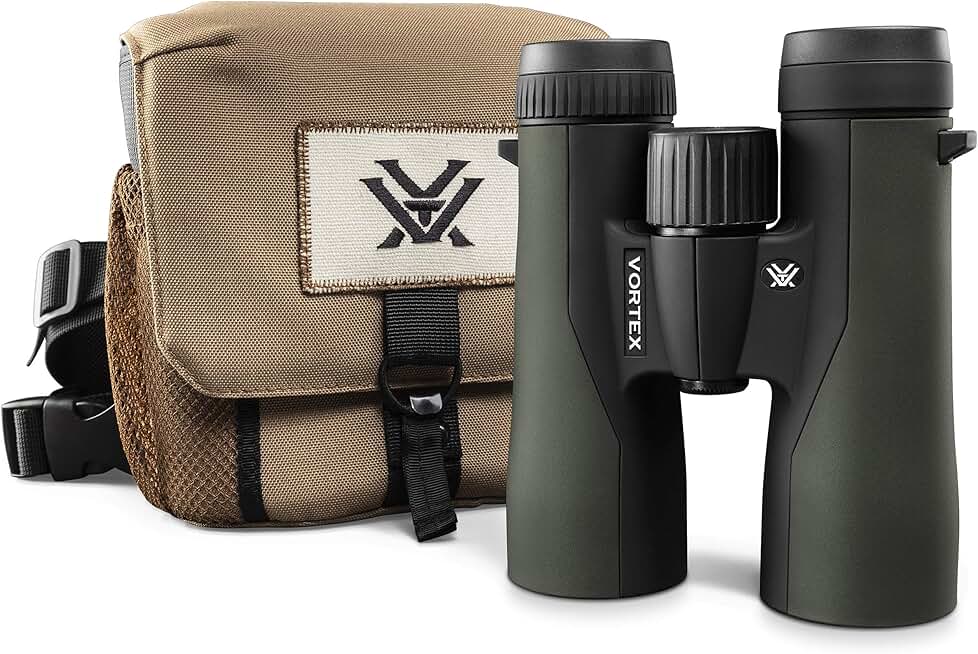
The following options are widely recognized for delivering sharp images and comfortable handling at accessible price points. They are selected based on consistent user feedback and optical clarity rather than flashy features.


As an Amazon Associate, we may earn from qualifying purchases.
What to look for in birding binoculars
Birding binoculars are defined by two numbers, such as 8x42 or 10x32. The first number is the magnification power, and the second is the objective lens diameter in millimeters. These specs dictate how close a bird appears and how much light enters the optics. For most birders, 8x magnification offers a wider field of view and a steadier image, while 10x brings distant waterfowl or raptors closer at the cost of a narrower view and more hand shake.
The objective lens size determines brightness. Larger lenses (42mm) gather more light, making them better for dawn or dusk birding, but they add significant weight. Smaller lenses (25mm–32mm) keep the binoculars light and compact, ideal for hiking, but may struggle in low-light forest conditions. This trade-off between clarity and portability is the primary decision point for most buyers.
Field of view measures how wide an area you can see at a distance, typically expressed in feet at 1,000 yards. A wider field of view (250+ feet) makes it easier to locate and track fast-moving birds in dense foliage. Narrower fields (under 300 feet) often accompany higher magnifications. Weight is also critical; binoculars under 20 ounces are comfortable for all-day hikes, while heavier models may cause fatigue during long treks.
| Spec | 8x42 | 10x42 | 8x32 |
|---|---|---|---|
| Magnification | 8x | 10x | 8x |
| Lens Diameter | 42mm | 42mm | 32mm |
| Field of View | Wide | Moderate | Wide |
| Weight | Heavy | Heavy | Light |
| Best For | General Use | Distance | Hiking |
Choosing the right pair depends on your typical birding environment. If you spend most of your time in open fields or scanning water, 10x42 binoculars provide the reach needed. For forest birding or long hikes, 8x32 models offer the best balance of weight and visibility. Always handle a pair before buying to check the focus wheel smoothness and eyecup comfort, as these tactile features significantly impact the experience.
Frequently asked questions about binoculars
What magnification is best for birding? 8x42 binoculars are the standard for most birders. The 8x magnification provides a wide field of view and steady image, which is critical when tracking moving birds. Higher magnifications like 10x often introduce shake and narrow the view, making it harder to spot birds in dense foliage.
How do I clean my binoculars safely? Use a microfiber cloth to wipe lenses gently. Never use paper towels or shirt fabric, which can scratch coatings. If there is stubborn dirt, breathe on the lens to create moisture, then wipe in a circular motion. Store binoculars in a dry case with silica gel to prevent internal fogging and mold.
What does "waterproof" mean for binoculars? Waterproof binoculars are nitrogen-purged to prevent internal fogging when temperature changes rapidly. This feature is essential for birding in rain, mist, or humid environments. Look for O-ring seals around the focus and diopter adjustments to ensure long-term durability against moisture ingress.
No comments yet. Be the first to share your thoughts!