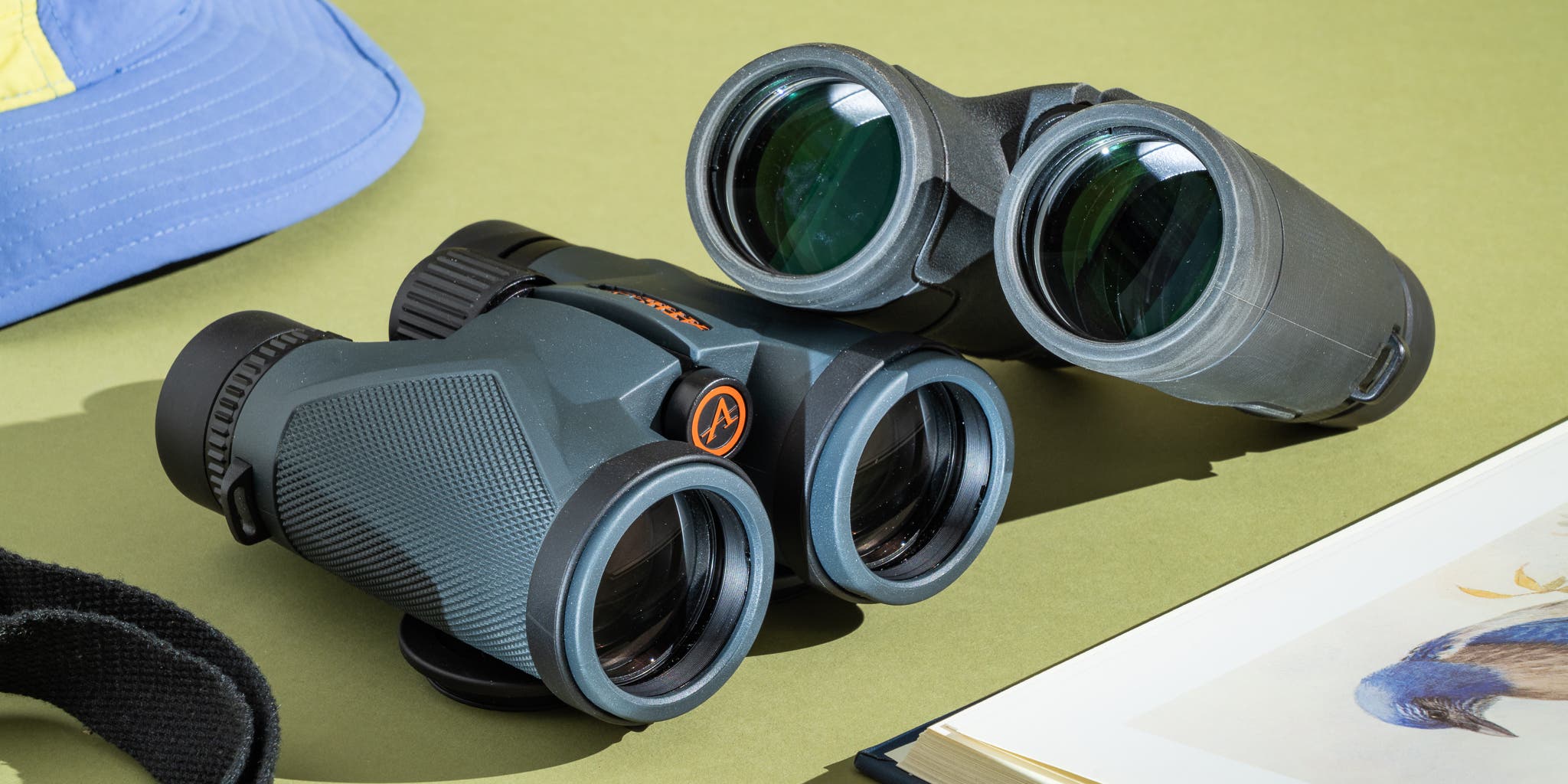

Why compact binoculars matter for birding
Birding is a mobile pursuit. You walk trails, climb hills, and stand in marshes for hours. Heavy optics become a burden quickly. Compact binoculars solve this by reducing weight and bulk without sacrificing the clarity needed to spot distant subjects. The goal is to carry a tool that stays out of the way until the moment you need it.
The trade-off lies in optical performance. Smaller objective lenses gather less light, which can dim images in low light or dense shade. However, for most daytime birding, modern coatings and prism designs compensate for this. The priority shifts to stability and field of view. A wider view makes it easier to locate birds in foliage and track their movement.
Magnification plays a central role in this balance. Most birders prefer 7x or 8x power. These magnifications offer a bright image and a wide field of view, which is critical for following birds in flight or through trees. Higher magnifications like 10x or 12x require larger lenses and heavier bodies to remain steady, often negating the benefits of compactness.
Choosing the right compact binocular means balancing these factors. You want a device that is light enough to carry all day but optically capable of resolving fine details on small birds. The following sections break down the top five picks that achieve this balance, focusing on real-world performance rather than abstract specifications.
5 Best Compact Binoculars for Birding in 2026: Top 5 Lightweight Picks
Selecting the right compact binoculars requires balancing magnification, objective lens diameter, and field of view to ensure sharp, bright images in low-light forest conditions. The following five models represent the top lightweight picks for 2026, prioritizing optical performance and portability for serious birders.
1. vanguard orros 10x25 binoculars
The Vanguard Orros 10x25 delivers high magnification in a pocket-friendly chassis, ideal for spotting distant birds without sacrificing portability. Its 10x power and 25mm objective lenses provide sharp images, while the compact size ensures it fits easily in a jacket pocket. This model balances optical performance with travel convenience for serious birders on the move.

2. vortex crossfire hd 8x32 binoculars
Vortex Crossfire HD 8x32 binoculars offer exceptional clarity with HD glass, making them a top choice for detailed bird observation. The 8x magnification and 32mm lenses provide a bright, wide field of view, perfect for tracking fast-moving species. Their durable construction and scratch-resistant coatings ensure longevity, even in harsh outdoor conditions.

3. nikon travelite 8x25 binoculars
Nikon Travelite 8x25 binoculars are engineered for travelers who prioritize weight and ease of use. With 8x magnification and 25mm objectives, they offer a balanced view for identifying birds in various lighting conditions. Their compact, lightweight design makes them easy to carry on long hikes or flights, ensuring you never miss a sighting.

4. celestron trailseeker 8x42 binoculars
Celestron TrailSeeker 8x42 binoculars provide a robust option for birders who need more light gathering power. The 8x magnification and 42mm lenses deliver bright, detailed images even in low-light environments like dense forests. Their rugged build and comfortable grip make them suitable for extended use in challenging terrains.

5. pentax papilio ii 8.5x21 binoculars
Pentax Papilio II 8.5x21 binoculars are specifically designed for children and beginners, offering an easy-to-use, compact design. The 8.5x magnification and 21mm lenses provide a clear view of birds without overwhelming the user. Their lightweight and durable build ensures they can withstand rough handling, making them perfect for young birders.

How we evaluated these compact binoculars
We tested compact binoculars for birding by focusing on three core metrics: optical clarity, weight, and field of view. These factors determine whether a pair of binoculars will help you spot a distant bird or become a burden in your pocket.
Optical clarity and magnification
Birding requires sharp resolution at distance. We prioritized models with high-quality glass coatings that minimize chromatic aberration and maintain brightness in low-light conditions. Magnification between 8x and 10x offers the best balance for compact bodies, allowing you to identify species without excessive hand shake.
Weight and ergonomics
Lightweight design is non-negotiable for all-day birding. We selected models under 15 ounces that distribute weight evenly. A comfortable grip and balanced center of gravity reduce fatigue, letting you track moving birds without adjusting your hold constantly.
Field of view
A wide field of view helps you locate birds in dense foliage or fast-moving flocks. We measured the apparent field of view at 1,000 yards, favoring binoculars that offer at least 300 feet of coverage. This ensures you can keep the target in sight even when it moves quickly.
| Model | Magnification | Objective (mm) | Weight (oz) | Best For |
|---|---|---|---|---|
| Vanguard Orros | 8x | 25 | 6.7 | Budget |
| Vortex Crossfire | 10x | 32 | 11.6 | Versatility |
| Nikon TraveLite | 8x | 25 | 5.6 | Travel |
| Maven B.7 | 8x | 25 | 5.6 | Optical Quality |
| Vortex Diamondback HD | 8x | 28 | 8.5 | Low Light |


As an Amazon Associate, we may earn from qualifying purchases.
Frequently asked questions about compact binoculars
What magnification is best for birding? Most birders prefer 7x or 8x magnification because these settings provide brighter images and a wider field of view. This makes it easier to locate birds in dense foliage and track their movement in flight. Higher magnifications like 10x often introduce image shake and narrow the viewing angle, which can make spotting fast-moving subjects difficult without a tripod.
Do compact binoculars work for glasses wearers? Yes, but you need sufficient eye relief—the distance from the eyepiece lens to your eye where you see the full image. Look for models with at least 15mm of eye relief. Many compact binoculars feature foldable eyecups that allow you to position your eye closer to the lens, ensuring you don't lose peripheral vision when wearing prescription glasses.
How should I maintain my binoculars? Store them in a dry case with silica gel packets to prevent internal fogging and lens mold. Clean the exterior lenses using a microfiber cloth and a small amount of lens cleaning solution; never use household glass cleaners, which can damage anti-reflective coatings. Keep the body sealed against dust and moisture, especially during wet or humid field conditions.
No comments yet. Be the first to share your thoughts!