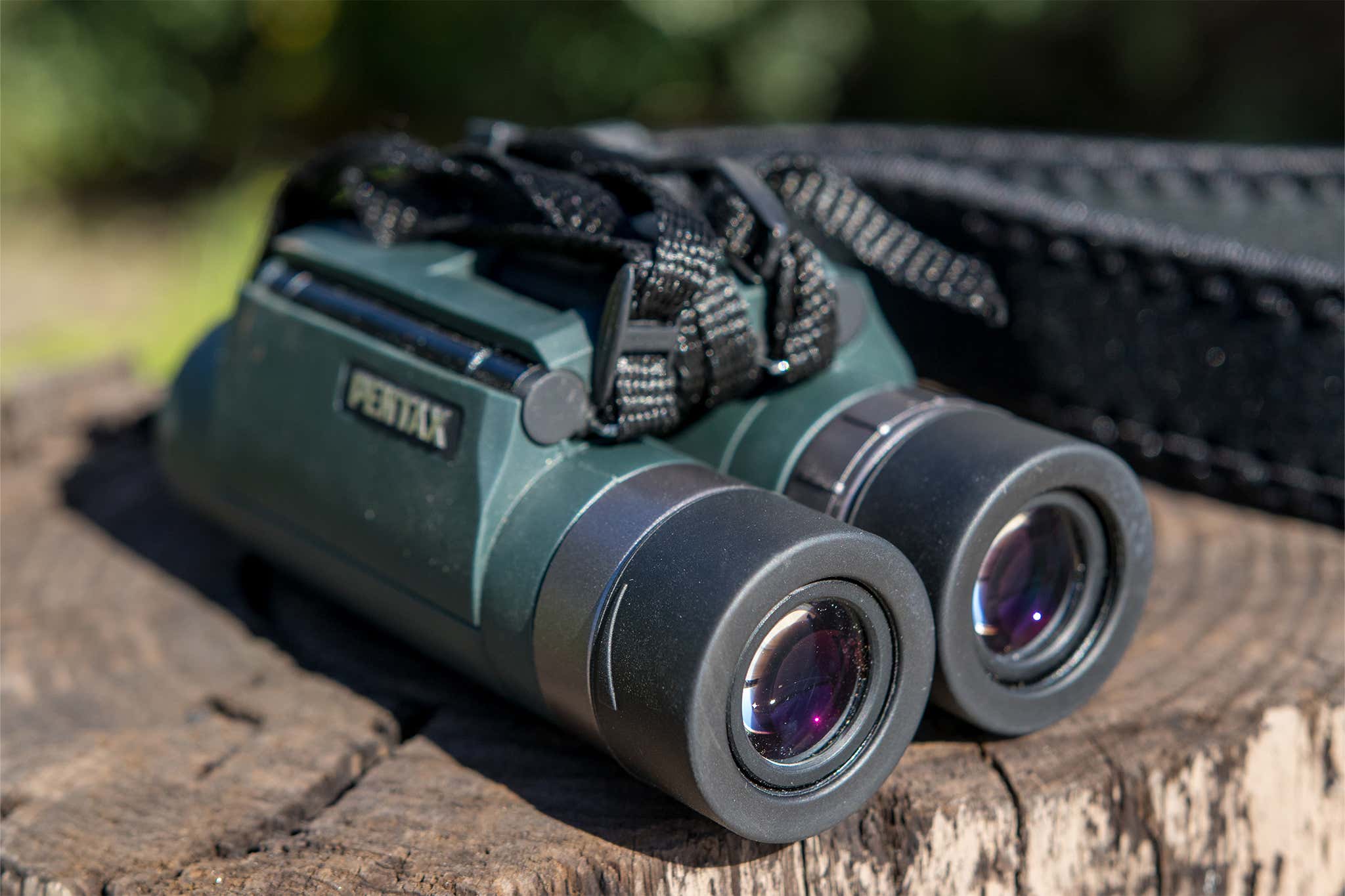

Why compact binoculars work for birding
Compact binoculars have earned a reputation for sacrificing too much light, but modern optical engineering has changed the equation. Models in the 8x25 and 8x32 formats now deliver image quality that rivals much larger optics, making them a viable primary tool for birders who prioritize mobility. The shift isn't just about weight; it is about accessibility. When you can carry binoculars everywhere, you spot more birds.
The sweet spot for magnification remains 7x or 8x. Higher magnification narrows the field of view and amplifies hand shake, making it harder to track moving targets. According to the Audubon Society, most birders prefer 7- or 8-power binoculars because they are bright and have a wide field of view, making it easier to find birds and to follow them in flight.
Choosing an 8x25 or 8x32 means accepting a smaller objective lens, which gathers less light than a 42mm model. However, this is rarely a dealbreaker in daylight conditions. By selecting models with high-quality multi-coated lenses or ED (extra-low dispersion) glass, you compensate for the smaller aperture. The result is sharp, high-contrast images without the bulk of traditional field optics.
For many birders, the best binoculars are the ones you actually have with you. A compact pair eliminates the friction of pulling gear out of a pack, allowing you to react quickly to sudden sightings. If your birding involves long hikes or travel where every ounce counts, the trade-off in low-light performance is often worth the gain in portability.
Best overall compact binoculars
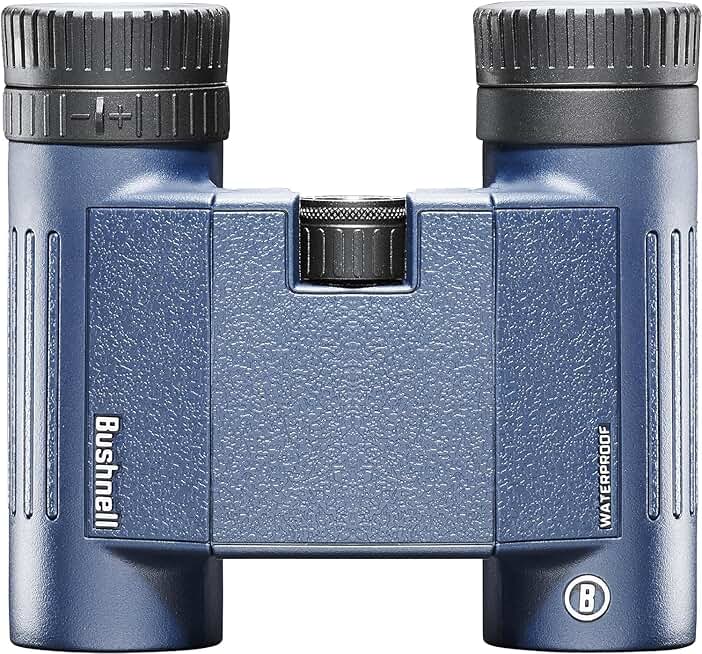
For birders who refuse to compromise on image quality for the sake of portability, the Maven B.7 8×25 stands as the definitive choice. While many compact binoculars force a trade-off between weight and optical clarity, the B.7 delivers premium glass performance in a chassis small enough to slip into a jacket pocket.
The 8×25 configuration offers a wider field of view than 10×25 models, making it significantly easier to track fast-moving birds through dense canopy. The B.7’s multi-coated optics ensure high contrast and sharp edges, even in low-light conditions like early morning or late afternoon. This makes it an exceptional tool for serious observation where every detail matters.
Its ergonomic design feels balanced in hand, reducing fatigue during long birding sessions. The focus wheel is smooth and precise, allowing for quick adjustments as subjects move. For those prioritizing optical excellence without the bulk of full-size binoculars, the Maven B.7 remains the benchmark.


As an Amazon Associate, we may earn from qualifying purchases.
Best budget compact binoculars
Finding sharp optics under $150 is entirely possible if you prioritize optical clarity over premium build materials. For casual birders or travelers, the goal is to get the best image possible from the smallest package without breaking the bank. These picks deliver reliable performance for spotting warblers or tracking waterfowl, proving that high value doesn't require a high price tag.
Vanguard Orros 8x25
The Vanguard Orros consistently ranks as a top contender in the low-priced category. At roughly $80, it offers a surprisingly clear view for its size, making it an excellent entry point for beginners. The 8x25 configuration provides a wider field of view, which helps when tracking moving birds in dense foliage. While it lacks the premium coatings of higher-end models, the core optics are sharp enough for most casual birding scenarios.
Vortex Crossfire 10x32
Vortex brings its reputation for durability to the budget segment with the Crossfire 10x32. Priced around $100, this model bridges the gap between compact and full-size binoculars. The 10x magnification allows you to spot distant birds more easily, while the 32mm objective lenses gather enough light for decent brightness in moderate conditions. It features a rugged, waterproof build that can handle rough handling on the trail, making it a workhorse for frequent travelers.
Celestron UpClose G2 16x32
For those who need maximum reach, the Celestron UpClose G2 16x32 offers incredible affordability with rugged build quality. The 16x magnification is powerful for long-distance birding, though it requires a steady hand to avoid image shake. This model is best suited for stationary viewing, such as watching birds from a deck or blind. Its compact form factor belies its high magnification, making it a unique option for birders who prioritize distance over wide-field scanning.
| Model | Magnification | Lens (mm) | Price Range |
|---|---|---|---|
| Vanguard Orros | 8x | 25 | ~$80 |
| Vortex Crossfire | 10x | 32 | ~$100 |
| Celestron UpClose G2 | 16x | 32 | Under $50 |
Best pocket-sized binoculars for travel
For travel and hiking, pocket-sized binoculars (typically 8x20 or 8x25) are the ultimate compromise between weight and clarity. They fit easily into a small pocket or camera bag, allowing you to grab them instantly when a rare bird appears. While they cannot match the light-gathering power of full-size 8x42s, modern compact models deliver surprisingly sharp images in good light.
The Nikon TraveLite series remains a top choice for this category. Its 8x25 configuration offers a comfortable exit pupil and a bright image, making it ideal for dawn or dusk birding. Users frequently praise its durability and the fact that it slips into a jacket pocket without adding bulk.
Pentax Papilio II models are another strong contender, particularly for their close-focus capabilities. These binoculars excel at observing insects and flowers up close, adding versatility to your birding kit. While the field of view is narrower than standard models, the magnification and color fidelity are excellent for detailed observation.
How to choose the right size
Binocular specifications follow a simple code: the first number is magnification, and the second is the objective lens diameter in millimeters. For compact birding binoculars, you are generally choosing between 8x25, 8x32, or 10x30. This decision balances two competing needs: brightness and portability.
The objective lens size determines how much light reaches your eye. A 32mm lens gathers significantly more light than a 25mm lens, resulting in a brighter image in low-light conditions like dawn or dense forest. However, larger lenses add weight and bulk. As the Audubon Society notes, most birders prefer 7x or 8x magnification because these lower powers provide a wider field of view, making it easier to track birds in flight.
8x25: Maximum Portability
The 8x25 format is the lightest option, often weighing under 10 ounces. These binoculars slip easily into a jacket pocket or small side pocket. The trade-off is a narrower field of view and dimmer images in twilight. They are best for casual day hikes where every ounce counts, but they may struggle when scanning large open fields or watching birds at dusk.
8x32: The Balanced Choice
The 8x32 is widely considered the sweet spot for compact birding. The 32mm objective lens provides enough light gathering power for early morning and late afternoon viewing, while the 8x magnification keeps the image steady and the field of view wide. Models like the Swarovski EL 8x32 or Leica Trinovid 8x32 offer premium optics in this size, though budget options like the Nikon Monarch M5 8x32 deliver excellent performance for the price.
10x30: Zoomed In, Less Steady
The 10x30 configuration offers higher magnification, allowing you to see finer details on distant birds. However, the increased magnification narrows the field of view and amplifies hand shake. You will find yourself needing a steadier grip or a tripod for extended viewing. This size is ideal for stationary birding at feeders or water, but less suitable for fast-moving species in the canopy.
Common questions about compact binoculars
Choosing the right compact binoculars involves balancing optical performance with portability. While smaller bodies are easier to carry, they require careful selection of magnification and lens size to maintain image quality.
What is the best size for compact binoculars?
Compact binoculars, such as 8×25 or 10×25 models, are ideal for birders who prioritize a lightweight pack over maximum brightness. The smaller 25mm objective lenses reduce bulk significantly, but they gather less light than full-size 42mm models. To compensate for this, look for high-quality optics or ED (Extra-low Dispersion) glass, which helps maintain clarity and color fidelity in lower light conditions.
Are 8x or 10x magnification better for birding?
Most birders prefer 8-power binoculars because they offer a brighter image and a wider field of view. This makes it easier to locate birds in dense foliage and track them as they fly. While 10x magnification provides more detail at long distances, the narrower field of view and increased hand shake can make finding and following moving subjects more difficult without a tripod.
How do I know if compact binoculars are bright enough?
Brightness is determined by the exit pupil, which is calculated by dividing the objective lens diameter by the magnification (e.g., 25mm / 8 = 3.1mm). For daytime birding, an exit pupil of 3mm or higher is generally sufficient. If you bird at dawn or dusk, prioritize models with larger objective lenses or higher-quality coatings to ensure the image remains usable in dim light.
No comments yet. Be the first to share your thoughts!